Right, so you’re looking for some fresh ideas for digital ads examples, something that actually works in 2026? It’s easy to get lost in all the noise online, isn’t it? I’ve been looking into what’s making campaigns pop, and it’s not just about shouting the loudest. It’s about connecting with people, being smart with your tech, and showing you care. Let’s break down some of the digital ads examples that are getting noticed and, more importantly, getting results. It’s all about being real and relevant.
Key Takeaways
- Telling stories that hit you in the feels is a big deal. People connect with brands when they see themselves or their values reflected in the ads.
- Making ads that people can actually play with or interact with really grabs attention. Think games or cool AR stuff.
- Using data to show the right ad to the right person at the right time makes a huge difference. No more random ads for everyone.
- Brands that show they’re doing good for the planet or society seem to do better. It’s not just about selling; it’s about standing for something.
- Short videos, especially on phones, are everywhere. Also, showing the real, unpolished side of things can build trust.
Leveraging Emotional Storytelling In Digital Ads Examples
It’s easy to get caught up in the technical side of digital ads – targeting, metrics, all that jazz. But sometimes, the most effective way to get people to pay attention is by telling a good story. You know, the kind that makes you feel something. It’s not just about showing a product; it’s about connecting with people on a human level. Think about it, we’re all wired for stories. They help us make sense of the world and, importantly, they help us connect with brands that seem to ‘get’ us.
Building Brand Connection Through Narrative
When a brand tells a story, it’s not just selling you something; it’s inviting you into its world. This is where campaigns that focus on narrative really shine. They might show the journey of a product, the passion of the people behind it, or even a customer’s experience that mirrors your own. These narratives create a bond that goes beyond a simple transaction. It’s about building a relationship, making the brand feel more like a friend than a faceless corporation. For instance, a small business might share the story of how they started, the challenges they faced, and their commitment to quality. This kind of openness can really make people feel invested in the brand’s success. It’s a bit like watching a good film; you get invested in the characters and their journey. This approach is key to building lasting customer loyalty.
Authenticity In User-Generated Content Campaigns
People trust other people more than they trust brands. It’s just a fact. That’s why user-generated content (UGC) campaigns have become so popular. Instead of the brand creating all the content, they encourage their customers to share their own experiences. This could be anything from photos of them using a product to videos reviewing a service. The key here is authenticity. When you see real people sharing their genuine thoughts, it feels much more believable than a polished ad. It’s like getting a recommendation from a mate.
Here’s why UGC works so well:
- It feels real: People are sharing their actual lives and opinions.
- It builds trust: Seeing peers endorse a product or service is powerful.
- It’s cost-effective: Brands get a wealth of content without a huge production budget.
- It shows social proof: It demonstrates that other people are already happy with the brand.
The Power Of Empathy In Social Media Ads
Social media is a place where people share their lives, their joys, and sometimes their struggles. Ads that show empathy can really stand out. This means creating content that acknowledges people’s feelings, understands their challenges, and offers support or a moment of connection. It’s not about pretending to have all the answers, but about showing that the brand cares. For example, a campaign might highlight the importance of mental well-being or support for a particular community. These ads don’t necessarily push a product directly; instead, they aim to align the brand with positive values and a caring attitude. It’s about being a good digital citizen, really.
Showing empathy in advertising isn’t just a nice-to-have; it’s becoming a necessity. In a world that can often feel disconnected, brands that can genuinely connect with people’s emotions and experiences are the ones that will be remembered and valued. It’s about understanding the human behind the click.
This kind of advertising often sees great engagement because it taps into shared human experiences. It makes the brand seem more approachable and relatable, which is a big win in today’s crowded digital space.
Innovative Approaches To Interactive Digital Ads Examples
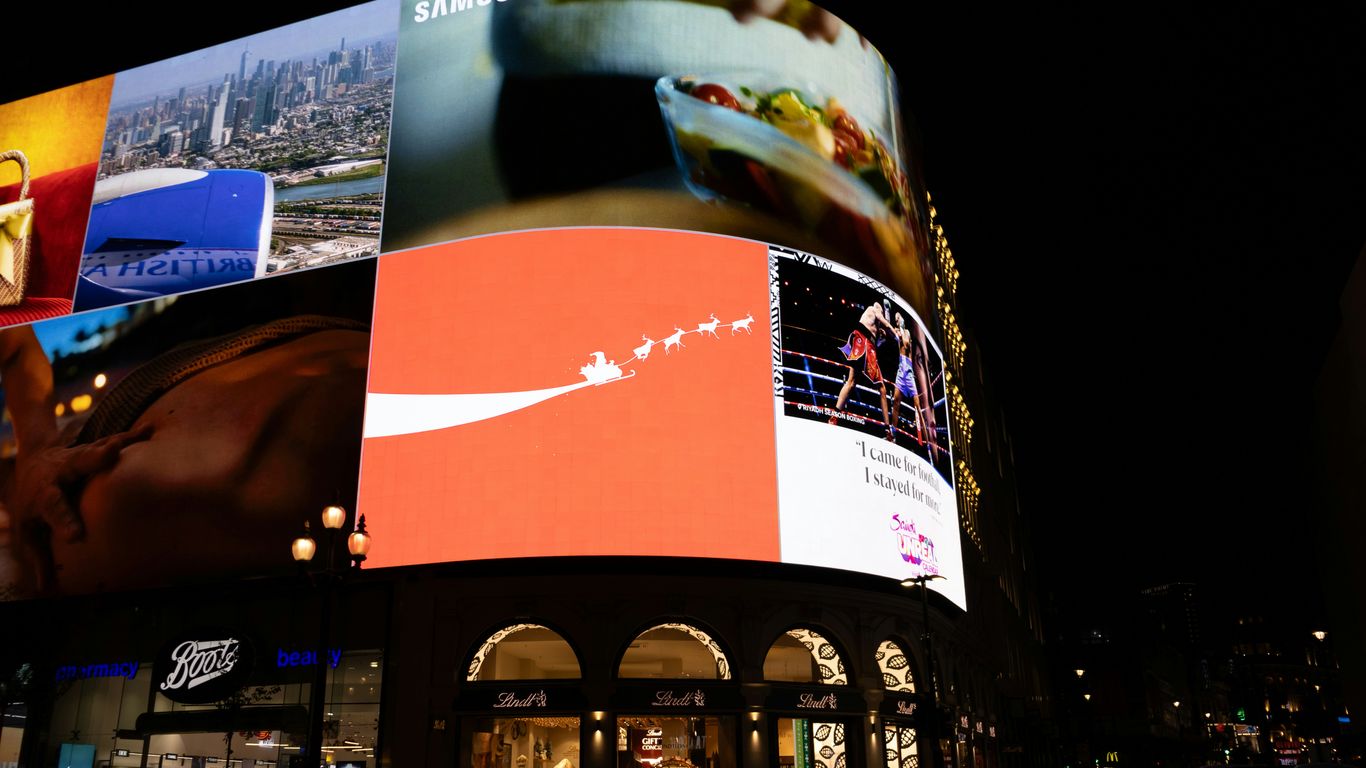
Forget just showing people ads; in 2026, it’s all about getting them involved. Interactive digital ads are no longer a novelty; they’re a smart way to grab attention and make a lasting impression. When people can actually do something with an ad, they’re far more likely to remember it and feel a connection to the brand behind it. This shift from passive viewing to active participation is changing the game for advertisers.
Gamified Experiences For Engagement
Who doesn’t like a bit of fun? Gamification in ads turns a simple advertisement into a mini-game. Think of it as a quick challenge or a puzzle that users can complete right within the ad itself. This could be anything from a simple matching game to a more involved treasure hunt that leads users to a special offer. It’s a brilliant way to keep people engaged for longer than a few seconds.
- Increased Time Spent: Users spend more time interacting with the brand.
- Higher Recall: The fun experience makes the brand more memorable.
- Data Collection: Games can gather user preferences in a natural way.
- Shareability: Fun, interactive ads are more likely to be shared.
Augmented Reality Filters And Experiences
Augmented Reality (AR) has moved beyond just social media filters. Brands are now using AR to let customers virtually try on products, see how furniture would look in their homes, or even explore a virtual product demonstration. It’s a powerful tool for bridging the gap between online browsing and real-world experience, making the purchase decision feel more confident and less risky.
AR allows for a level of product visualisation that static images or videos simply can’t match. It brings the product directly into the user’s environment, making it feel tangible and real.
Personalised Quizzes And Polls
Quizzes and polls are fantastic for gathering insights while simultaneously providing value to the user. A well-designed quiz can help a customer discover their perfect product, style, or even a solution to a problem they didn’t know they had. Brands can then use the answers to offer tailored recommendations or discounts. It feels less like an ad and more like a helpful consultation.
Here’s a quick look at how they work:
- User Engagement: Users answer questions about their preferences or needs.
- Personalised Results: Based on answers, users receive tailored recommendations or insights.
- Brand Connection: The brand is positioned as helpful and understanding of the user’s individual requirements.
Data-Driven Personalisation In Digital Ads Examples
Right then, let’s talk about making digital ads actually work for us, not just shout into the void. In 2026, it’s all about knowing who you’re talking to and giving them something they actually care about. Gone are the days of one-size-fits-all campaigns. Now, it’s about getting personal, and that means using data.
Hyper-Targeted Audience Segmentation
This is where we get really specific. Instead of just saying ‘people who like dogs’, we’re talking about ‘people who live in London, own a golden retriever, have bought premium dog food in the last three months, and are currently browsing for holiday destinations’. See the difference? It’s about drilling down into the details. This allows us to tailor messages so they hit home.
Here’s a quick look at how segmentation can work:
- Demographics: Age, location, income, family status.
- Psychographics: Interests, hobbies, values, lifestyle.
- Behavioural: Past purchases, website visits, engagement with previous ads.
- Geographic: Specific neighbourhoods, cities, or even proximity to a store.
The more granular your segments, the more relevant your ads will feel.
Dynamic Creative Optimisation
So, you’ve got your super-specific audience segments. What next? Dynamic Creative Optimisation (DCO) is the magic ingredient. It means your ad can change on the fly, showing different images, headlines, or calls to action depending on who’s looking at it. Think of it like a chameleon ad.
For example, a clothing brand might show:
- A winter coat ad to someone in Manchester.
- A summer dress ad to someone in Brighton.
- A discount code to someone who has previously abandoned their cart.
This isn’t just about showing the right product; it’s about showing the right version of the ad. It makes the whole experience feel more natural and less like a generic sales pitch.
Predictive Analytics For Ad Placement
This is where things get a bit sci-fi, but it’s happening now. Predictive analytics uses past data to guess what might happen next. For ads, this means figuring out the best time and place to show your message. It’s not just about where people are, but when they’re most likely to be receptive.
Imagine an ad for a new coffee shop:
- It might be shown to someone on their commute to work, just before they’d usually buy coffee.
- Or perhaps to someone who has recently searched for ‘lunch spots near me’ around midday.
This approach aims to put the ad in front of the right eyes at the exact moment they might be thinking about what you’re selling. It’s about being there, but not in an annoying way.
Using data to understand your audience isn’t just a nice-to-have anymore; it’s the bedrock of effective advertising. It means less wasted money and more genuine connections with potential customers. Getting this right means your ads actually get seen and acted upon, rather than just scrolled past.
Sustainability And Purpose-Driven Digital Ads Examples
Right then, let’s talk about ads that actually mean something. In 2026, people aren’t just buying products; they’re buying into brands that align with their own values. This is where sustainability and purpose-driven digital ads really shine. It’s not just about looking good; it’s about doing good, and showing it. Brands that genuinely commit to ethical practices and social causes are finding their audience is listening, and more importantly, responding.
Highlighting Ethical Sourcing
Consumers are getting savvier about where their stuff comes from. Ads that pull back the curtain on ethical sourcing can build serious trust. Think about a clothing brand showing footage of the farmers who grow their cotton, or a food company detailing how they work with local producers, paying fair wages. It’s about transparency. This isn’t just a nice-to-have anymore; it’s becoming a baseline expectation for many.
- Traceability: Showing the journey of a product from raw material to finished item.
- Fair Labour: Highlighting fair wages and safe working conditions for all involved.
- Community Impact: Demonstrating how sourcing practices benefit local communities.
Communicating Environmental Commitments
We’re all aware of the environmental challenges we face. Brands that are actively working to reduce their footprint are finding a receptive audience. This could be anything from showcasing recycled packaging to detailing carbon-neutral shipping initiatives. It’s about showing tangible actions, not just vague promises.
For example, a company might run a campaign showing:
- The reduction in plastic used in their packaging over the last year.
- Their investment in renewable energy sources for their factories.
- Partnerships with environmental charities for reforestation projects.
It’s easy to get lost in the noise of digital advertising, but purpose-driven campaigns cut through. They connect on a deeper level, making consumers feel like they’re part of something bigger when they choose to support a brand.
Championing Social Causes
Beyond the environment, many brands are taking a stand on social issues. This could involve donating a portion of profits to a charity, running awareness campaigns for important causes, or using their platform to advocate for change. The key here is authenticity. If a brand jumps on a cause just for show, people will see right through it. Genuine commitment is what counts.
Consider these approaches:
- Partnerships: Collaborating with non-profits to amplify their message and impact.
- Awareness Campaigns: Using ad space to educate the public on social issues.
- Direct Donations: Clearly stating how purchases contribute to a specific cause.
Cutting-Edge Video Strategies In Digital Ads Examples
Right then, let’s talk video. It’s no secret that video ads are a big deal, but in 2026, it’s all about being smart and sharp with how you use them. We’re not just talking about chucking a TV advert online anymore. It’s about making video work harder for you, fitting into how people actually watch things.
Short-Form Vertical Video Dominance
Honestly, who has the attention span for a five-minute ad these days? Most people are scrolling through their phones, and that’s where short, punchy vertical videos shine. Think TikTok, Instagram Reels, YouTube Shorts. These platforms are built for quick hits of information or entertainment. The key is to grab attention in the first three seconds. You need to get your message across fast, often without sound initially, as many people watch with their audio off. Brands are getting really good at telling a story or showing a product benefit in under 30 seconds, sometimes even less.
- Keep it snappy: Get straight to the point. No long intros.
- Visuals first: Make it look good and easy to understand without sound.
- Call to action: Tell people what you want them to do next, clearly and quickly.
- Mobile-first design: Film and edit for a vertical screen.
The shift to vertical video isn’t just a trend; it’s a fundamental change in how we consume content on the go. Ads need to adapt or get left behind.
Interactive Video Advertisements
This is where things get really interesting. Instead of just passively watching, people can actually do something with the ad. This could be clicking on products shown in the video, answering a quick poll, or even choosing the next scene. It makes the viewer feel more involved, and that usually means they remember the ad – and the brand – a lot better. It’s a bit like a mini-game or a choose-your-own-adventure, but for advertising.
Behind-the-Scenes Content
People are tired of overly polished, perfect-looking ads. They want to see the real stuff. Showing how a product is made, introducing the team behind the brand, or even sharing bloopers can build a lot of trust. It makes the brand feel more human and relatable. This kind of content often performs really well because it feels authentic, like you’re getting an exclusive peek into how things really work. It’s less about selling and more about connecting.
Influencer Collaborations For Amplified Reach In Digital Ads Examples
Micro-Influencer Authenticity
Forget those mega-celebrities for a moment. In 2026, the real magic often happens with micro-influencers. These are folks with smaller, but incredibly engaged, followings. They talk about things they genuinely care about, and their audience trusts their word. Brands are finding that partnering with these individuals feels more like a recommendation from a friend than a paid ad. It’s all about that genuine connection. Think about it: if someone you follow, who shares your interests, talks about a product they actually use and like, you’re way more likely to pay attention. It’s not about shouting from the rooftops; it’s about a quiet, confident nod of approval.
Long-Term Brand Partnerships
One-off campaigns are so last year. Smart brands are building lasting relationships with influencers. This means working together over months, or even years. It allows the influencer to truly get to know the brand and its products, and for the audience to see that familiarity grow. It stops feeling like a quick cash grab and starts feeling like a genuine endorsement. When an influencer consistently uses and talks about a brand, it builds credibility. It shows they’re not just in it for the paycheck, but because they actually believe in what they’re promoting. This kind of sustained presence can really build trust.
Creative Content Co-Creation
Brands are realising that influencers know their audience best. Instead of just handing over a script, they’re inviting influencers to be part of the creative process. This means brainstorming ideas together, letting the influencer put their own spin on the content, and trusting their instincts. The result? Ads that feel more natural, more relevant, and frankly, more interesting. It’s a collaborative effort where both the brand and the influencer bring their strengths to the table. This shared creative ownership leads to content that genuinely connects.
Here’s a quick look at how different influencer tiers can impact campaign reach:
| Influencer Tier | Typical Follower Count | Audience Engagement | Cost Range (per post) |
|---|---|---|---|
| Nano | 1,000 – 10,000 | Very High | £50 – £250 |
| Micro | 10,000 – 100,000 | High | £250 – £1,000 |
| Macro | 100,000 – 1,000,000 | Moderate | £1,000 – £10,000 |
| Mega | 1M+ | Varies | £10,000+ |
The shift towards authentic partnerships means that the ‘who’ is becoming as important as the ‘what’. Brands are looking for influencers whose values align with their own, creating a more meaningful connection with consumers. It’s less about follower numbers and more about genuine influence and trust built over time.
Wrapping Up: What We’ve Learned
So, that’s a look at some of the digital ads that really stood out this year. It’s clear that just throwing money at ads isn’t the way to go anymore. The campaigns that worked best were the ones that thought about what people actually wanted to see and hear. They weren’t afraid to be a bit different, either. Whether it was a clever bit of humour or a really honest message, these ads got noticed because they felt real. It’s a good reminder for anyone trying to get their message out there: pay attention to your audience, be creative, and don’t be afraid to try something new. The digital space is always changing, but these examples show that good ideas and genuine connection still win the day.
Frequently Asked Questions
What makes a digital ad really connect with people?
Ads that tell a good story, like a mini-movie, often do the best. When they show real people’s lives or feelings, it helps you feel closer to the brand. Think about ads that make you feel happy, sad, or inspired – those are the ones that stick with you.
How do games and fun stuff help ads?
Making ads like a game or letting you try things out, like with special phone filters, makes them super engaging. It’s more fun than just looking at a picture. Quizzes and polls let you join in, which is way better than just watching.
Why do ads sometimes feel like they know me?
That’s because clever companies use information to show you ads they think you’ll like. They group people with similar interests and change the ad pictures or words to match what you might be looking for. It’s like the ad is made just for you!
Can ads be about helping the planet or people?
Absolutely! Many brands now show how they make their products fairly or how they’re trying to be kinder to the environment. They also use their ads to support good causes, which makes people feel good about supporting those brands too.
Are short videos the best way to advertise now?
Yes, especially videos made for phones that are tall and quick! They grab your attention fast. Ads where you can click and do things within the video, or ones that show what goes on behind the scenes, are also really popular and interesting.
Do people who aren’t famous help advertise products?
Definitely. Sometimes, people with smaller but very loyal followings (called micro-influencers) can be more believable. When brands work with these people for a long time or create cool new ideas together, it can reach a lot more people in a genuine way.