
The digital marketing landscape is always changing, and it can be tough to keep up. But looking at what other brands have done well can offer some serious inspiration. The best digital marketing examples aren’t just about getting clicks; they’re about making connections, telling stories, and sticking in people’s minds. We’ve pulled together some top-notch campaigns that really nailed it, showing how creativity and smart strategy can make a big difference. Let’s dive into some of these brilliant digital marketing examples and see what we can learn from them.
Key Takeaways
- Creative partnerships can really boost your reach and get people excited about what you offer.
- Telling genuine stories helps people connect with your brand on a deeper level and builds trust.
- Jumping on trends or using nostalgia can make your campaign more relatable and likely to be shared.
- Using lots of different channels, both online and offline, helps you reach more people where they already are.
- Keeping an eye on how your campaign is doing helps you make it better as it goes along and shows what you’ve achieved.
1. Heinz and Absolut’s Ridiculously Good Collaboration
Sometimes, the best marketing ideas come from just messing about. That’s pretty much what happened with Heinz and Absolut. They decided to team up and create a limited-edition pasta sauce, but with a twist – it was made with Heinz ketchup and Absolut vodka. Sounds a bit bonkers, right? But it totally worked.
They really went for it on social media, especially TikTok, using the hashtag #AbsolutelyHeinz. It blew up, getting millions of views in just a week. People were talking about it, sharing it, and genuinely excited by the novelty of it all. It wasn’t just a bit of fun, though; it actually translated into sales.
- The product: A limited-edition pasta sauce blending Heinz ketchup and Absolut vodka.
- The platform: Heavily promoted on social media, particularly TikTok, with a dedicated hashtag.
- The result: The sauce sold out quickly, and Heinz saw a 52% jump in sales for their pasta sauce range.
This collaboration showed that sometimes, a bit of unexpected creativity and a willingness to experiment can capture people’s attention far more effectively than a traditional ad campaign. It tapped into a sense of fun and surprise that made people want to try something new.
It’s a great example of how two well-known brands can join forces to create something unique that appeals to their existing customers while also attracting new ones. The key takeaway here is that bold, unexpected partnerships can generate significant buzz and drive real business results.
2. Nike Just Do It Campaign
Right, let’s talk about Nike’s "Just Do It" campaign. It’s one of those things that’s just become part of the furniture, hasn’t it? Launched way back in 1988, it wasn’t just about selling trainers; it was about tapping into something bigger. They started by featuring all sorts of athletes, from the pros to everyday folks, sharing their achievements. I remember reading about Walt Stack, this 80-year-old chap who ran 17 miles every single morning. Pretty inspiring stuff, really.
What was clever about it was how it made people feel. It wasn’t just about being the best; it was about taking that first step, whatever that might be. After the ads started airing, loads of people apparently sent in their own stories – quitting rubbish jobs, losing loads of weight, that sort of thing. It really stuck, and "Just Do It" became more than just a slogan; it became Nike’s whole identity.
Here’s a bit of a breakdown of what made it work:
- Emotional Connection: Nike figured out how to link their products to feelings of motivation and personal achievement. It wasn’t just about the shoes; it was about what you could do in them.
- Inclusivity: By featuring both famous athletes and ordinary people, they made the message relatable to a much wider audience. Everyone has a challenge they want to overcome.
- Simplicity and Memorability: The slogan itself is short, punchy, and easy to remember. It’s a call to action that sticks.
The campaign tapped into a universal human desire to push boundaries and achieve personal goals. It showed that Nike understood its customers on a deeper level, aligning its brand with their aspirations and everyday struggles.
It’s a classic example of how a strong, simple message, backed by relatable stories, can build a brand that people connect with on a personal level. It’s not just about selling sportswear; it’s about selling a mindset.
3. Tony’s Chocolonely
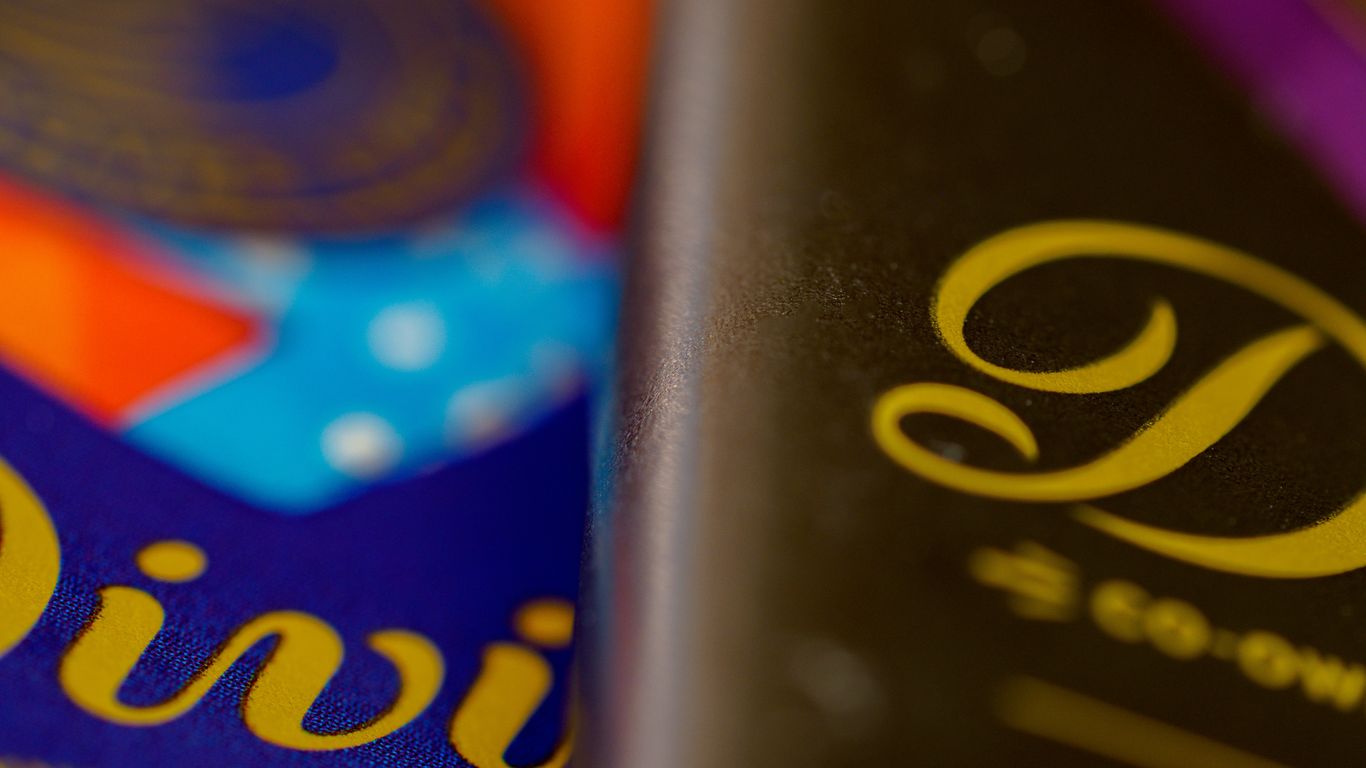
Tony’s Chocolonely isn’t your average chocolate bar company. They’ve built their brand not just on delicious treats, but on a really important mission: to make chocolate slavery-free. It’s quite something how they’ve managed to get their message out there, especially considering they only recently started using paid advertising. For a long time, they relied purely on people talking about them and sharing their story organically.
This approach has clearly worked wonders. Their popularity has shot up, particularly in the UK, making them one of the fastest-growing brands around. It just goes to show that a strong message and a good product can really get people talking. In fact, data shows that a good chunk of Tony’s fans discover new brands through word-of-mouth, which is pretty telling.
The company’s commitment goes beyond just selling chocolate; it’s about fundamentally changing an industry. They’re tackling serious issues head-on, which naturally draws people in who care about ethical sourcing.
Their marketing, or rather their brand building, often centres around this core mission. They’ve launched campaigns like "There’s a fight in every bite," which directly addresses the exploitation in the cocoa industry. It’s a bold move, but it’s exactly this kind of transparency and dedication that seems to connect with consumers. They’re not afraid to be vocal about the problems, and that honesty is a big part of their appeal. It’s a great example of how a business can align its values with its marketing efforts, creating a brand that people not only enjoy but also believe in. You can find out more about their ethical stance on their website.
4. Orange France
Orange France really knew how to get people talking with their campaigns, especially when they focused on what people actually cared about. They weren’t just selling phone plans; they were selling connection and convenience, often in really clever ways.
One of their standout approaches involved making everyday life easier through technology. Think about how they promoted their mobile services not just as a gadget, but as a tool that could genuinely improve things. They’d show how easy it was to stay in touch with family, manage your home, or even get around town, all from your phone.
They understood that people are busy and often overwhelmed. By showing how their services could simplify things, they tapped into a real need. It wasn’t about flashy features; it was about practical benefits that made a difference.
Their campaigns often featured relatable scenarios, showing ordinary people using Orange services to overcome small hurdles or simply enjoy life a bit more. This made their brand feel approachable and trustworthy.
Here’s a look at some of the key elements that made their marketing work:
- Focus on User Benefits: Instead of just listing technical specs, they highlighted what the technology could do for the customer.
- Emotional Connection: They often linked their services to important relationships and life moments, making the brand feel more personal.
- Simplicity and Clarity: Their messaging was usually straightforward, avoiding confusing jargon and getting straight to the point.
- Integrated Campaigns: They didn’t just stick to one type of ad; they used a mix of TV, print, and digital to reach people wherever they were.
5. Pepsi
Pepsi has shown time and again how much a brand can make waves with the right moment and a solid sense of humour. At Super Bowl LIII, they ran the “Is Pepsi OK?” campaign. The ad poked fun at real-life situations where Pepsi is a second choice behind Coke. Instead of shying away, they owned this with comedian Steve Carell, Cardi B, and Lil Jon, making it a talking point that stuck. Pepsi flipped an everyday question into something bold and memorable.
Some smart points that made this campaign stand out:
- Leaned into self-awareness about being the ‘second-fiddle’ cola in restaurants.
- Brought in famous personalities for broader reach and buzz.
- Created extra experiences at the Super Bowl, including themed afterparties and limited-edition cans.
- Rolled out engaging ads—during a moment when millions are glued to their screens.
Pepsi is no stranger to massive advertising at sporting events. At Super Bowl LX, for instance, they didn’t just rely on commercials—they built fan experiences outside and inside stadiums through immersive activations by their other brands, too.
When a brand confronts a common consumer perception head-on and finds a playful solution, it can turn a weakness into a real talking point.
Bottom line? Pepsi’s approach proves you get remembered not by avoiding your brand’s challenges, but by owning them, making people laugh, and being exactly who you are.
6. California Milk Processor Board
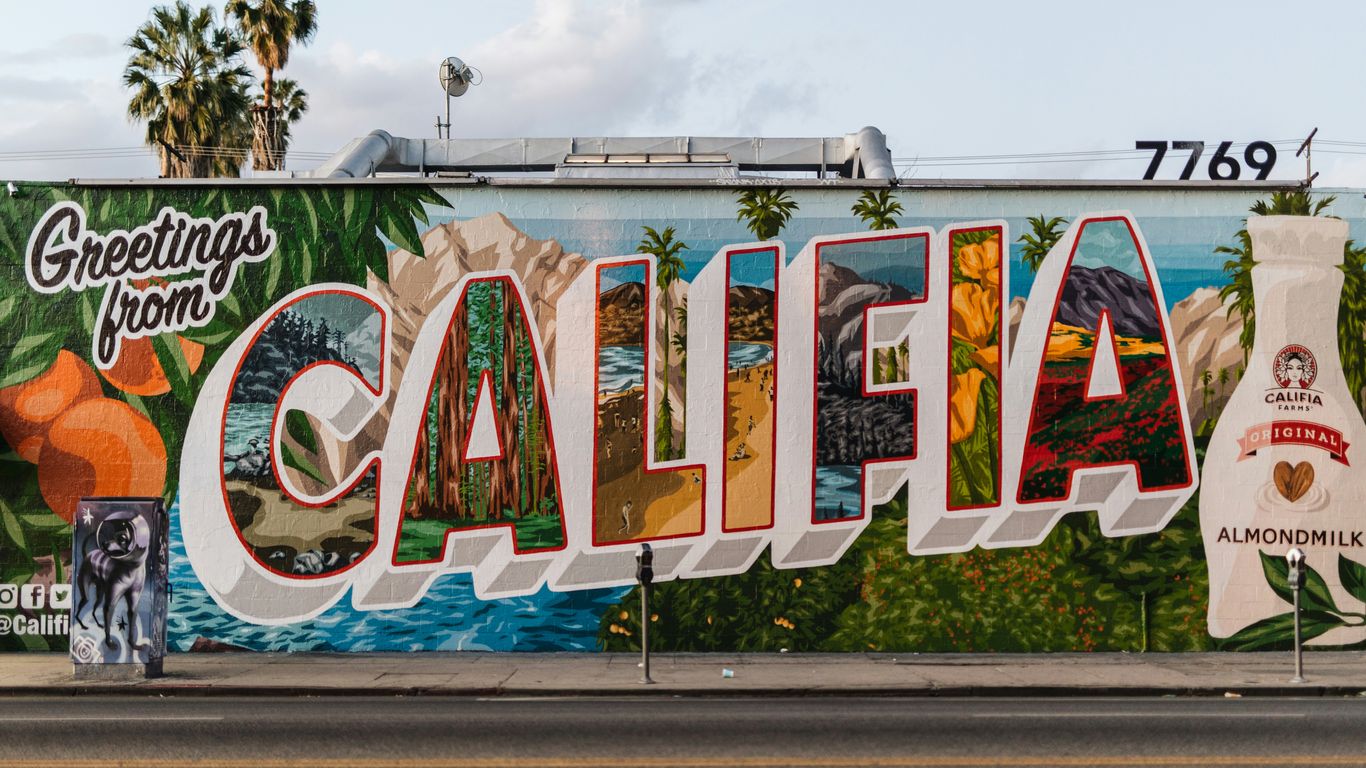
Remember the "Got Milk?" ads? They were everywhere for ages, weren’t they? Back in the mid-90s, the California Milk Processor Board, working with an ad agency, came up with this idea that really stuck. They figured out that people actually felt a bit lost if they didn’t have milk for things like cereal or dunking biscuits. It sounds simple, but they tapped into that little bit of panic you get when you realise you’ve run out of something you rely on.
The campaign’s genius was in making the absence of milk a noticeable problem. They didn’t just say ‘drink milk’; they showed you what life was like without it, and it wasn’t pretty. This was often done with celebrities, who were a big deal back then, sporting that iconic milk moustache. It made milk seem cool, almost a status symbol.
Here’s a bit of what made it work:
- Focus on the negative: Instead of just promoting milk, they highlighted the inconvenience of not having it.
- Celebrity endorsement: Getting famous faces involved made the ads highly visible and relatable.
- Simple, memorable slogan: "Got Milk?" is short, catchy, and poses a question everyone could answer.
- Longevity: The campaign ran for over two decades, proving its lasting appeal.
They really understood how to use everyday situations and make them feel important. It wasn’t just about selling milk; it was about fitting into people’s routines and making sure they didn’t forget that one essential item.
7. Dove
Dove’s "Real Beauty" campaign, launched way back in 2004, really shook things up in the beauty industry. It started with some pretty eye-opening research that found only a tiny fraction of women, just 2%, actually thought of themselves as beautiful. That’s a bit sad, isn’t it?
So, Dove decided to do something about it. They began featuring real women in their ads instead of professional models, which was quite a change. The campaign grew from there, talking about all sorts of things like getting older, different body shapes, and being open about things like wigs or skin blemishes – basically, all the stuff that makes us human and not just airbrushed perfection.
The whole point was to show how the beauty industry could sometimes be a bit damaging, especially for young women, and to try and redefine what beauty actually means.
It wasn’t just about pretty pictures, though. Dove also started the "Dove Self-Esteem Project" to help kids feel better about themselves and what beauty means to them. It’s a good example of a brand trying to make a positive difference.
Brands can really connect with people by talking about issues that matter and showing genuine representation. It’s about building trust and showing you care about more than just selling products.
8. Old Spice
Remember when Old Spice suddenly became cool again? It felt like a bit of a surprise, didn’t it? They managed to take a brand that many people associated with their grandads and turn it into something genuinely funny and, dare I say, desirable for a younger audience. The key was their "The Man Your Man Can Smell Like" campaign. It was completely out there, with Isaiah Mustafa as the impossibly smooth, charismatic spokesman.
The campaign brilliantly played on humour and aspiration, directly addressing women and suggesting their men could achieve this level of suave if they just switched to Old Spice. It wasn’t just about smelling nice; it was about embodying a certain kind of effortless cool. The ads were fast-paced, witty, and incredibly shareable, which was perfect for the social media landscape that was really taking off around that time. They even followed up with personalised video responses to fans and celebrities, which was pretty groundbreaking for its day and really showed they were paying attention.
Here’s a breakdown of what made it work:
- Humour: The over-the-top, slightly absurd scenarios and Mustafa’s deadpan delivery were hilarious.
- Target Audience: While the spokesman was male, the ads were cleverly aimed at women, who often make purchasing decisions for household products.
- Memorability: The quick cuts, memorable lines, and unique style made the ads stick in people’s minds.
- Engagement: The follow-up personalised videos showed a brand willing to interact directly with its audience, creating a buzz.
This campaign proved that even established brands can reinvent themselves with a bold, creative approach. It wasn’t just about selling deodorant; it was about selling an idea, a persona, and a bit of escapism. They really tapped into what people wanted to see and hear, making Old Spice relevant again for a whole new generation.
It’s a fantastic example of how understanding your audience and being willing to take risks can completely revitalise a brand. You can read more about the Old Spice advertising campaign and its impact.
9. Coca-Cola
Right, let’s talk about Coca-Cola and their "Share a Coke" campaign. It was a pretty clever idea, wasn’t it? They started putting popular names on their bottles and cans, so you could find one with your name, or your mate’s name, or your nan’s name. The whole point was to get people to share a Coke with someone.
It really took off, especially on social media. People were hunting for their names, posting pictures online, and generally getting quite excited about it. It tapped into that desire to feel a bit special and to connect with others.
Here’s a bit of a breakdown of why it worked so well:
- Personalisation: Putting names on the bottles made it feel like a personal message, not just a mass-produced drink.
- Social Sharing: It was practically designed for Instagram and Facebook. People wanted to show off their personalised Coke.
- Nostalgia and Connection: It reminded people of simpler times and encouraged them to reach out to friends and family.
The campaign wasn’t just about selling fizzy pop; it was about creating moments. It made a global brand feel a bit more local and relatable, encouraging people to think about who they’d like to share a drink with. It’s a good example of how a simple idea, executed well, can get people talking and, more importantly, interacting with the brand.
It just goes to show that sometimes, the most effective marketing is the stuff that makes you feel something and encourages you to connect with the people around you. They really nailed that with this one.
10. Snickers
You know those moments when you’re just not yourself? A bit grumpy, maybe a little irrational? Snickers tapped into that universal feeling with their ‘You’re not you when you’re hungry’ campaign. It’s a simple idea, really, but they ran with it in such a clever way.
They got celebrities, like Betty White, to act completely out of character – imagine her getting tackled on a football pitch! Then, after a bite of a Snickers, they’d snap back to their normal selves. It was funny, a bit surreal, but also totally relatable. We’ve all been there, right? That feeling when hunger just messes with your mood.
What made it work so well was the humour. It took a common problem – being ‘hangry’ – and presented Snickers as the easy, tasty solution. It wasn’t just about selling a chocolate bar; it was about understanding a human experience and offering a bit of relief.
The campaign brilliantly connected a physical need with an emotional state, making the brand feel like a helpful friend rather than just a product.
Here’s a breakdown of why it hit the mark:
- Relatability: Everyone gets hungry and a bit off. The ads showed this in an exaggerated, funny way.
- Celebrity Power: Using well-known faces in unexpected situations grabbed attention.
- Clear Solution: The slogan and the product were directly linked to solving the ‘hangry’ problem.
- Humour: Laughter makes things memorable, and these ads were definitely memorable.
It’s a great example of how understanding your audience’s everyday struggles can lead to a really successful and long-lasting campaign.
Wrapping Up
So, there you have it. We’ve looked at some cracking digital marketing campaigns that really hit the mark. It’s clear that the most successful ones aren’t just about shouting the loudest online; they’re about connecting with people, telling a good story, and being smart about where and how you show up. Whether it’s a clever collaboration, a genuinely heartfelt message, or just tapping into what’s happening right now, these examples show what’s possible. Remember, it’s not about copying exactly, but about taking these ideas and thinking about how they could work for your own brand. Keep experimenting, keep watching what works, and don’t be afraid to try something new. That’s how you’ll make your own mark.
Frequently Asked Questions
What makes a digital marketing campaign really successful?
A successful digital marketing campaign is one that reaches the right people with the right message at the right time, all while working towards clear and measurable goals. It’s a mix of clever ideas, using data to make smart choices, and making sure everything works together smoothly to get great results.
What are the main ways to do digital marketing well?
Some key ways include really getting to know your audience, using different online channels to reach them, creating content that people want to see and interact with, making sure your website works well in search results (SEO), and always checking your results to make your efforts even better.
How can businesses get past common problems in digital marketing?
Companies can stay ahead by keeping up with the latest trends, trying out different marketing ideas, using tools to understand how their campaigns are doing, and being ready to change their plans quickly. Always thinking about what the audience needs is super important for making marketing that works.
What are the best ways to see if a marketing campaign is working?
You can look at things like how many people click on your ads, how many people buy something after seeing your campaign, and how much money you make compared to how much you spent. Tracking these numbers helps you understand what’s working and what’s not.
How important is understanding the audience for a campaign?
It’s really important! Knowing who you’re talking to, what they like, and where they hang out online helps you create messages that actually connect with them. When a campaign feels like it’s made just for you, you’re much more likely to pay attention and take action.
Why is it good to have clear goals for a marketing campaign?
Having clear goals, like ‘get 10% more website visitors in a month,’ helps everyone know exactly what the campaign is trying to achieve. It makes it easier to measure success and make changes if things aren’t going as planned, ensuring the campaign stays on track.