
Thinking about grabbing a used 2015 Tesla Model S in 2025? It’s a question a lot of people are asking. Teslas, especially the Model S, have seen some serious price drops on the used market. This means you can get into a pretty high-tech car without breaking the bank. But, like any used car, especially one with a lot of tech, there are definitely things you need to look out for. We’re going to break down what you should consider before you sign on the dotted line.
Key Takeaways
- A used 2015 Tesla Model S can be a good deal in 2025, thanks to significant depreciation, but check pricing across different years and trims carefully.
- Understand the impact of major Model S updates (like the 2016 refresh and 2019 ‘Raven’ powertrain) on features and performance compared to the 2015 model.
- Battery health is a big one; expect some degradation but know that Tesla batteries are generally long-lasting, and warranties can transfer.
- Be aware of potential maintenance needs, particularly suspension wear and ensuring the air conditioning system is working, as these are common issues.
- Verify specific features like Autopilot versions, premium sound, and Supercharging access, as these were often optional and policies have changed over time.
Assessing The Value Of A Used 2015 Tesla Model S
So, you’re eyeing a 2015 Tesla Model S in 2025. That’s a pretty old EV by today’s standards, but that doesn’t mean it’s not worth considering. The big draw here is depreciation. Luxury EVs, and the Model S is definitely both, tend to lose value pretty quickly. This means you can often find a used Model S for a fraction of its original price. Finding a well-maintained 2015 Model S could be a really smart move if you want a taste of premium electric driving without the new car price tag.
Understanding Model S Depreciation Trends
Let’s be real, Teslas depreciate. It’s just how it is, especially for older models like the 2015 S. Early models, like the one we’re talking about, typically fall into a lower price bracket now. You’ll see prices anywhere from $12,000 to $25,000, depending on a few things. Mileage is a big one, of course, but so is the specific trim level and whether it came with features like Autopilot. Newer models, say from 2016 to 2020, usually fetch a bit more, maybe $20,000 to $35,000. The really new ones, 2021 and up, are still quite pricey, even used.
Comparing Used Model S Pricing Across Years
When you’re looking at a 2015 Model S, it’s helpful to see how it stacks up against slightly newer or older versions. A 2015 model will likely have fewer of the creature comforts and tech upgrades that came in later years. For instance, the 2016 refresh brought visual changes and quicker charging. The 2019 ‘Raven’ powertrain improved range and ride, and the 2021 update introduced the Plaid version and a new interior. So, while a 2015 might be cheaper, you’re missing out on those advancements. You might find a 2015 Model S 85D in good condition for around $19,400, which is a pretty decent deal for a luxury EV [c674].
Potential Eligibility For Federal Tax Credits
This is where things get interesting for older EVs. As of 2025, there’s a federal tax credit available for used electric vehicles. To qualify, the car generally needs to be at least two model years old and sold by a dealer for under $25,000. A 2015 Model S could definitely fit the bill if you buy it from a dealership. This credit can knock a significant amount off your purchase price, making an already affordable used Tesla even more appealing. It’s worth checking the specific requirements and confirming eligibility before you sign any paperwork.
Key Model S Updates And Their Impact
When you’re looking at a used 2015 Tesla Model S, it’s really important to know what updates happened after that year. Tesla doesn’t always stick to strict model years like other car companies, so a car’s features can change quite a bit even within a couple of years. Understanding these changes helps you figure out what you’re actually getting and if it’s a good deal.
The 2016 Refresh: Visuals and Charging
The 2016 model year brought some noticeable changes to the Model S. Visually, the front fascia got a makeover, ditching the black grille for a body-color look that made it seem a bit sleeker. More importantly for practical use, Tesla updated the Autopilot hardware and increased the charging speed to 48 amps. This meant quicker top-ups at home or at a charging station. The P100D model also debuted around this time, becoming the first electric vehicle to officially break the 300-mile EPA range barrier when new. If you’re looking at a 2016 model, check if it has the updated Autopilot hardware, as this can affect its capabilities.
The 2019 ‘Raven’ Powertrain Enhancements
Around 2019, Tesla introduced what they called the ‘Raven’ powertrain. This wasn’t just a small tweak; it was a significant upgrade aimed at improving both range and ride comfort. The ‘Raven’ models often feature a more adaptive suspension system, which can make the ride smoother and more controlled. If you find a Model S from this period, especially one marketed as a ‘Raven’ edition, you’re likely getting a more refined driving experience and potentially better efficiency compared to earlier versions. This powertrain update was a big step in making the Model S feel more like a luxury car.
The 2021 Refresh: Plaid and New Interior
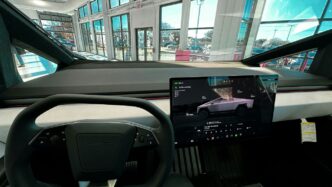
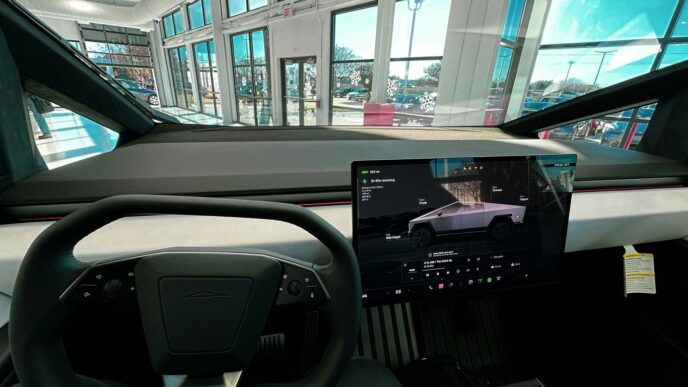
The 2021 refresh was another major overhaul. The most talked-about addition was the ‘Plaid’ version, which boasted over 1,000 horsepower, making it incredibly fast. Beyond the extreme performance, this refresh also brought a new interior. You might see a landscape-oriented touchscreen, which is different from the older portrait-style screens, and the controversial yoke steering wheel became an option. A heat pump was also added, which helps the car operate more efficiently in colder weather. When checking out a used Model S, especially one from 2021 or later, pay attention to the interior layout and whether it has the yoke or a traditional steering wheel, as well as the screen orientation. These over-the-air software updates can continue to improve the car’s functionality over time [4bb9].
| Model Year Range | Key Updates |
|---|---|
| 2016 | Visual refresh, faster charging, updated Autopilot hardware |
| 2019 | ‘Raven’ powertrain, adaptive suspension |
| 2021 | ‘Plaid’ model, new interior, landscape screen, yoke steering option, heat pump |
Evaluating Battery Health And Range
Okay, so you’re looking at a 2015 Tesla Model S. The battery is, like, the absolute heart of this thing, right? So, checking its health and what kind of range you can actually expect is super important. All batteries lose a bit of their juice over time – it’s just how they work. For a 2015 Model S, you’re not going to get the exact same range it had when it was brand new. That’s just a fact.
Expected Battery Degradation Over Time
Think of battery degradation like a phone battery. After a few years, it doesn’t hold a charge quite as long. For a Tesla, this means the maximum range you see on a full charge will be less than what was originally advertised. For a 2015 model, seeing the battery capacity in the 80s (percentage-wise) is pretty good. If it’s dipping into the 70s, you’re getting close to where Tesla might consider it for repair under warranty, though that’s usually at 70% capacity. Anything below that, and you might be looking at a costly replacement down the line.
Understanding Original vs. Current Range
This is where you gotta do a little homework. When you’re looking at a specific 2015 Model S, check the car’s display for the estimated range on a full charge. Then, do a quick search for the original EPA-estimated range for that specific trim level (like the 70D, 85D, or P85D) from 2015. Comparing the two numbers gives you a clear picture of how much range has been lost. For example, if a car originally had an estimated 265 miles of range and now shows 230 miles on a full charge, that’s a noticeable drop, but still quite usable for most daily driving.
Here’s a rough idea of what to expect:
| Battery Capacity | Expected Range (Approximate) |
|---|---|
| 90%+ | Excellent, near original |
| 80-89% | Good, still very serviceable |
| 70-79% | Acceptable, nearing threshold |
| <70% | Significant degradation |
Battery Warranty Transferability
Good news here! Tesla’s battery warranty is usually tied to the car, not the owner. The standard warranty for the battery and drive unit on a 2015 Model S is typically eight years or 150,000 miles, whichever comes first. This warranty also guarantees that the battery will retain at least 70% of its original capacity during that period. So, if you’re buying a car that’s still within that eight-year window from its original sale date, you’ve got a pretty solid safety net. Always ask for the original purchase date to confirm how much warranty is left. If you buy a used Tesla directly from Tesla, they sometimes add a bit of extra warranty coverage, but that usually doesn’t extend the original battery warranty.
Common Issues And Maintenance Considerations
Even though Teslas don’t need oil changes, that doesn’t mean they’re totally maintenance-free. You’ll still have to think about things like tires, brake fluid, and cabin air filters. Plus, some parts can wear out over time, and repairs can get a bit pricey because these cars need special knowledge and parts. It’s a good idea to have a plan for this.
Suspension Wear And Air Suspension Leaks
One area that can see wear and tear, especially on a heavier car like the Model S, is the suspension. Over the years and miles, components can start to give out. If your Model S has the air suspension system, keep an eye out for leaks. These can cause the car to sag or make uneven noises. It’s not uncommon for these systems to need some attention after a good number of miles.
Importance Of A Functional Air Conditioning System
This might sound a little odd, but your air conditioning system plays a role in more than just keeping you cool. On a Tesla, the A/C system also helps manage the temperature of the battery pack. A well-functioning A/C system helps keep the battery from getting too hot, which is important for its health and longevity. So, if the AC is blowing warm air, it’s not just a comfort issue; it’s something that needs to be fixed.
Routine Maintenance Beyond Tires
Beyond the obvious tire rotations and replacements, there are a few other routine checks to keep in mind. You’ll want to have the brake fluid checked and potentially changed every couple of years. The cabin air filter, which cleans the air coming into the car, should also be replaced periodically. These aren’t huge expenses, but they add up and are part of owning any car, even an electric one. Budgeting for these small things can prevent bigger headaches down the road.
Features And Technology To Verify
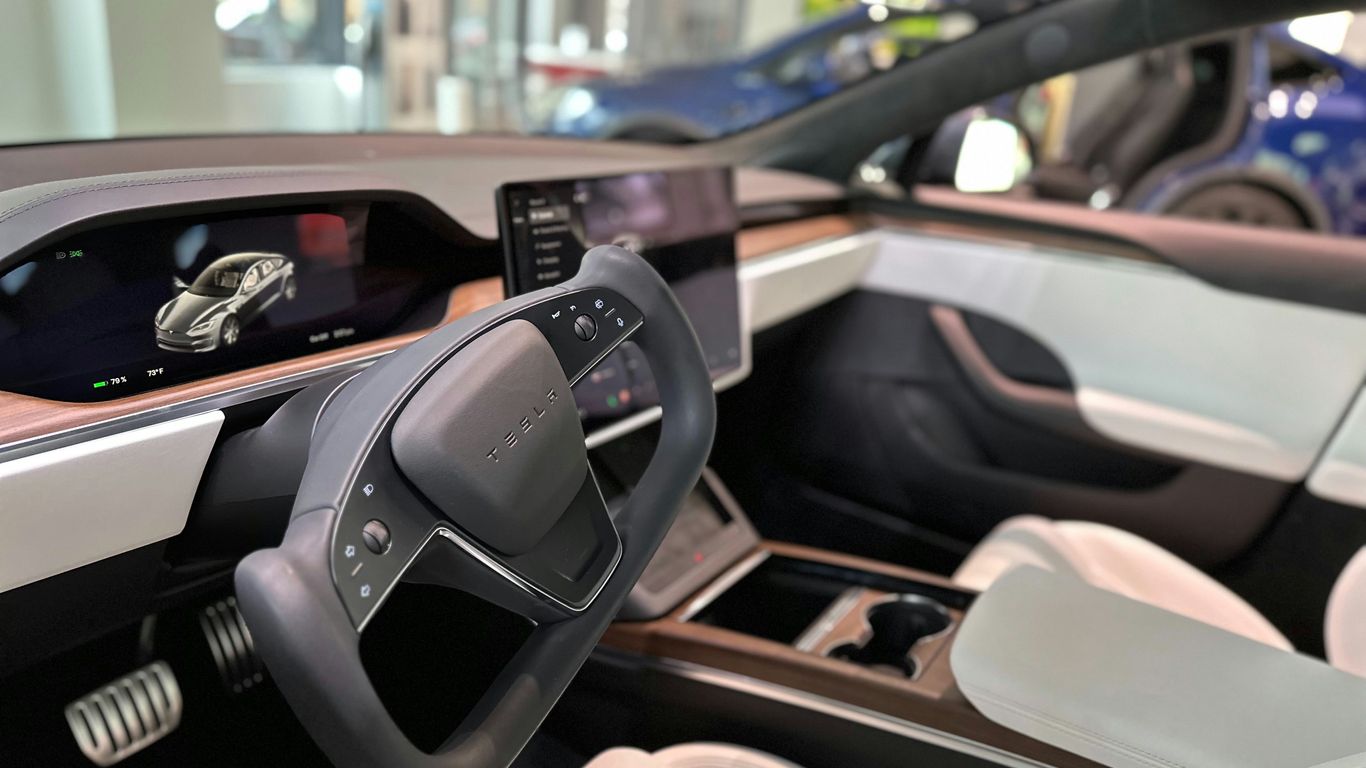
Teslas are basically computers on wheels, and that’s a big part of why people like them. Even in a used one, you’ll find tech that still feels pretty new. The big screen in the middle controls pretty much everything, from where you’re going to the temperature. And the cool thing is, Tesla sends software updates over the air, so your car can actually get better and gain new features over time. It’s a car that keeps evolving, even after you’ve bought it.
Autopilot Capability And Software Versions
One of the first things you’ll want to figure out is what driver-assistance software the car has. Most Teslas come with a basic Autopilot, which handles things like cruise control that adjusts to traffic and keeping you in your lane. But some might have the fancier Full Self-Driving (FSD) Capability package. FSD adds more advanced stuff, like helping you navigate on highways and changing lanes automatically. Since FSD costs a lot when new, having it can really change the value of a used Tesla and how you drive it day-to-day. Make sure you know which software package is installed and what it actually does. You can usually see this on the car’s main screen, often in a ‘Software’ or ‘About’ section. Confirming the exact Autopilot or FSD version is key to understanding the car’s capabilities and its market value.
Premium Sound System Availability
While not as critical as battery health or software, the audio system can make a big difference in your daily driving enjoyment. Many Model S vehicles came with different audio packages. Some had a standard system, while others were equipped with the upgraded Premium Sound package, which includes more speakers and a subwoofer for richer sound. During your test drive, play some music and listen closely. Does it sound full and clear? If you’re an audiophile, this could be an important feature to verify. You can often find information about the sound system in the car’s original build sheet or by checking the vehicle’s settings menu, if available.
Over-The-Air Software Update Benefits
This is one of the coolest parts of owning a Tesla. Over-the-air (OTA) updates mean the car’s software can be improved remotely, just like your smartphone. These updates can fix bugs, improve performance, and sometimes even add new features. When you’re looking at a used Model S, ask about its update history. A car that has consistently received updates is likely to be running the latest, most refined software. You can usually check the current software version on the car’s main display. While you can’t guarantee future updates without a Tesla account, a history of updates suggests the car has been well-maintained from a software perspective. It’s a sign that the car is still supported and can continue to improve.
Insurance And Ownership Costs
So, you’ve crunched the numbers on the purchase price, but what about what comes after you drive it home? Owning a Tesla, even a used 2015 Model S, has its own set of costs that are different from a gas car. It’s not just about the sticker price, you know.
Factors Affecting Tesla Insurance Premiums
Let’s talk insurance first, because this can be a big one. Teslas, with all their fancy tech and unique parts, can sometimes cost more to insure than your average sedan. Think about it: specialized sensors, a big battery pack, and materials that aren’t always standard. Insurance companies look at all that when they figure out your rate. Your driving record, where you live, and even the specific year and trim of the Model S you’re eyeing all play a part. It’s really important to get quotes before you commit to buying. Don’t just assume your current insurance will cover it for the same price.
Comparing Insurance Quotes
Seriously, shop around. Your current insurance provider might not be the cheapest for a Tesla. You’ll want to check with a few different companies. Some might specialize in EVs or have better rates for them. When you’re getting quotes, make sure you’re comparing apples to apples – tell them the exact year, model, and any specific packages (like Autopilot) the car has. It might seem like a hassle, but a little bit of comparison shopping can save you a good chunk of change every month.
Here’s a rough idea of what might influence your premium:
- Your Driving History: Accidents or tickets will always bump up rates.
- Location: Urban areas often have higher rates than rural ones.
- Model Year & Features: Newer models or those with advanced driver-assist systems might cost more to insure.
- Coverage Levels: What kind of protection you choose matters.
Total Cost Of Ownership Analysis
Beyond insurance, there are other ownership costs to keep in mind. While you’re skipping gas station stops and oil changes, you’ll still have some expenses. Routine maintenance is less frequent but can be specific. Think about things like:
- Tires: EVs are heavy and have instant torque, so tires can wear faster. Budget for replacements and rotations.
- Cabin Air Filters: These need changing periodically, usually every couple of years.
- Brake Fluid: While regenerative braking saves your physical brakes, the fluid still needs checking and changing.
- Air Conditioning System: Like any car, the AC will need servicing now and then to keep it working well.
And don’t forget potential repairs. Because Teslas require specialized parts and knowledge, fixing them can sometimes be pricier than a conventional car. It’s a good idea to look into local independent shops that specialize in EVs, not just the Tesla service centers, to get a range of repair costs. When you add up insurance, maintenance, potential repairs, and electricity costs for charging, you get a clearer picture of the true cost of owning that 2015 Model S in 2025.
Supercharging Access For Older Models
When you’re looking at a used 2015 Tesla Model S, one of the big questions is about charging, specifically access to Tesla’s Supercharger network. It’s not as straightforward as you might think, especially for older models.
Historical Free Supercharging Policies
Back in the day, Tesla used to offer free, unlimited Supercharging with the purchase of a new Model S. This was a pretty sweet deal for early adopters, typically for vehicles made between 2012 and 2016. However, Tesla stopped this policy in early 2017. So, if you’re eyeing a 2015 Model S, there’s a chance it might have come with this perk. The key is whether that benefit was ever transferred or revoked.
Transferability Of Supercharging Benefits
This is where things get a bit murky. Initially, Tesla said that free unlimited Supercharging would transfer with the car when it was sold. But, as time went on, their policy changed. There have been reports of Tesla revoking free Supercharging access when a car was traded in or resold. It’s not impossible for a 2015 Model S to still have this benefit, but you’ll need to do some serious digging to confirm. If the car was ever traded back to Tesla, it’s likely the free charging was removed. Sometimes Tesla has offered owners a chance to transfer free charging to a new Tesla if they bought one, but that’s usually not transferable to a non-Tesla buyer.
Verifying Supercharging Status
So, how do you actually check if a used Model S has free Supercharging? It’s tough. You can’t just look at the car’s specs. You’ll likely need to:
- Ask the seller directly and get their story.
- Check the vehicle’s account information if possible (though this is often tied to the previous owner).
- Contact Tesla directly, although they might be tight-lipped about specific vehicle benefits tied to previous owners.
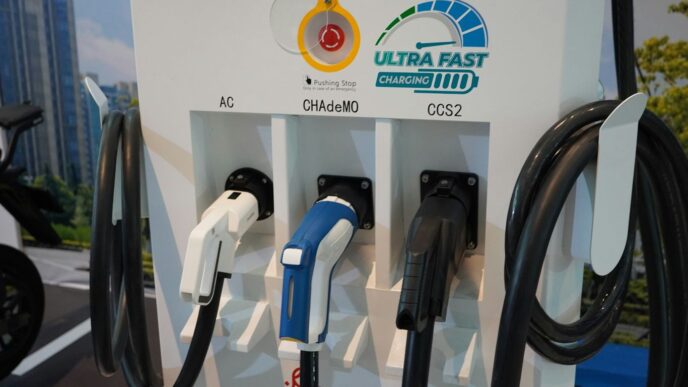
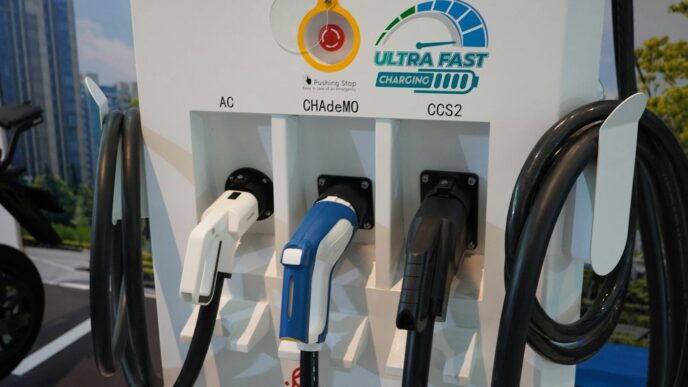
It’s also worth noting that Tesla’s Supercharger network is expanding to other electric vehicles, starting in 2026, which could change the landscape for charging access in the future, even for non-Teslas Tesla’s Supercharger network.
Even if a 2015 Model S doesn’t come with free Supercharging, the network is still a convenient way to charge on the go. Just be prepared for per-session or per-kWh fees, which can add up.
So, is a Used 2015 Tesla Model S Still a Smart Buy in 2025?
Alright, let’s wrap this up. Thinking about snagging a used 2015 Tesla Model S in 2025? It’s definitely not a simple yes or no. These cars, even from back then, were pretty advanced and still hold up well, especially with Tesla’s over-the-air updates. You’re looking at a car that’s still got that cool factor and decent range, even if it’s not matching the latest models. The biggest draw is the price – depreciation has made them way more affordable. Just be ready to do your homework. Check the battery health, figure out what features are actually included, and don’t forget to get insurance quotes early. If you find one that’s been well-maintained and fits your budget, it could still be a really smart move. But yeah, go in with your eyes open, and you might just snag a great deal on a piece of automotive history.
Frequently Asked Questions
How much does a used 2015 Tesla Model S usually cost?
Prices for a used 2015 Model S can vary a lot. Generally, you might find them between $12,000 and $25,000. This depends on things like how many miles it has, if it has Autopilot, and its overall condition. Older models like this often lose a lot of their value, making them more affordable.
Will a used 2015 Model S still have a good battery range?
The battery will have lost some of its original charging power over time. A 2015 Model S originally had about 200-270 miles of range when new. Expect it to have less now. If the battery still holds at least 70% of its original capacity, Tesla usually considers it okay. Getting a battery health report is a good idea.
What are common problems with older Tesla Model S cars?
Older Model S cars can sometimes have issues with their suspension, especially if they have air suspension, which might leak. Also, make sure the air conditioning works well because it helps cool the battery. Other than that, electric cars generally have fewer mechanical parts to break than gas cars.
Does a used 2015 Model S come with Autopilot?
Autopilot was an option back in 2015, so not all 2015 Model S cars have it. You’ll need to check the specific car you’re looking at to see if it was equipped with Autopilot hardware and software. Tesla also added Autopilot capability starting in 2014, so earlier models wouldn’t have it at all.
Can I still use Tesla Superchargers with a 2015 Model S?
It’s possible, but not guaranteed. Early Teslas (2012-2016) sometimes came with free unlimited Supercharging that could be transferred. However, Tesla’s policies have changed, and this benefit might have been removed if the car was traded in or resold. You need to verify if the specific 2015 Model S you’re interested in still has this perk.
What kind of warranty might a used 2015 Model S have?
A 2015 Model S likely had an 8-year or 150,000-mile warranty on the battery and drive unit, which usually transfers to a new owner. The basic car warranty (covering other parts) was typically 4 years or 50,000 miles, so that would have expired by now. Always check the specific warranty details for the car you are considering.