Lately, you’ve probably heard people talking about ‘digital gold crypto.’ It’s this idea that cryptocurrencies, especially Bitcoin, could be like gold – something valuable that holds its worth over time. But is this really the future of investing, or just a trend? Let’s break down what this ‘digital gold crypto’ idea means and see if it holds up.
Key Takeaways
- The ‘digital gold crypto’ idea suggests cryptocurrencies can act like gold, holding value and protecting against inflation, but Bitcoin’s performance hasn’t always matched gold’s, especially during market stress.
- The crypto market has grown a lot, and digital assets are becoming more common in investment plans, though balancing them with traditional assets is wise.
- You can invest in digital gold crypto directly by buying coins, or indirectly through funds, ETFs, or by investing in companies involved in the crypto space.
- Key trends like blockchain tech, more institutional interest, and new uses for digital assets are pushing their adoption, but understanding the tech is important.
- Investing in digital gold crypto comes with risks like big price swings, security worries, and needing to learn a lot to make smart choices.
Understanding The ‘Digital Gold Crypto’ Narrative
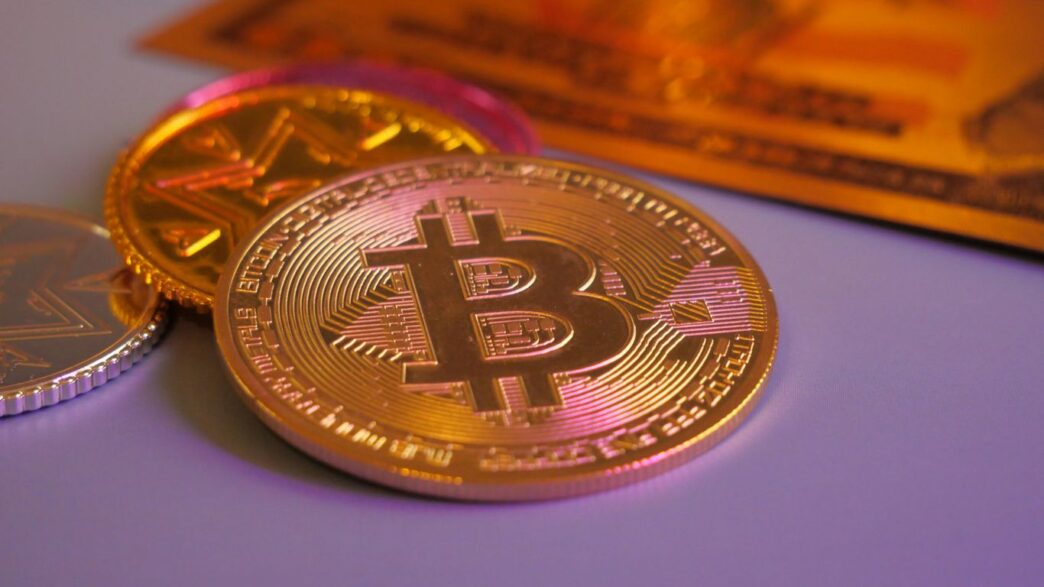
Lately, you’ve probably heard people calling Bitcoin "digital gold." It sounds pretty cool, right? The idea is that Bitcoin, like actual gold, could be a safe place to put your money, especially when the economy is shaky. Think of it as a way to store value that isn’t tied to any single government or currency, which can lose value over time. This "digital gold" narrative suggests Bitcoin should hold its purchasing power and act as a reliable asset during tough economic times.
Defining Digital Gold: A Store of Value?
So, what exactly makes something "digital gold"? When people talk about it, they usually mean a few things. First, it should keep its value over the long haul, meaning you can buy the same amount of stuff with it today as you could years from now. Second, it should be a safe haven. When markets are in a panic or there’s global uncertainty, this asset should ideally hold steady or even go up, unlike riskier investments like stocks. Lastly, for it to truly be a store of value and a good diversifier, it shouldn’t move in lockstep with the stock market. The hope is that it offers a way to protect your wealth from inflation and economic downturns.
Comparing Bitcoin’s Performance to Traditional Gold
This is where things get a bit complicated. While the idea of digital gold is appealing, Bitcoin hasn’t always acted like its shiny, metallic counterpart. For instance, over the past year, traditional gold prices have climbed significantly, while Bitcoin’s price has actually dropped. This is the opposite of what you’d expect if Bitcoin were truly mirroring gold’s performance as a safe haven. It makes you wonder if the "digital gold" label is really sticking, especially when Bitcoin’s performance doesn’t line up with gold’s during uncertain times. It seems Bitcoin’s price movements are more closely tied to its own market dynamics than to the traditional safe-haven behavior of gold.
The Historical Context of Gold as a Store of Value
Gold has earned its reputation as a store of value over thousands of years. It’s been used as a medium of exchange, a unit of account, and a way to preserve wealth through empires and economic shifts. Its scarcity, durability, and widespread acceptance have made it a go-to asset during times of crisis. When economies falter or currencies devalue, people often turn to gold. This long history gives gold a certain gravitas and a proven track record that Bitcoin, being a relatively new asset, simply doesn’t have yet. While Bitcoin has shown potential, gold’s established role in human history provides a strong benchmark for what a true store of value looks like.
The Evolving Landscape of Digital Assets
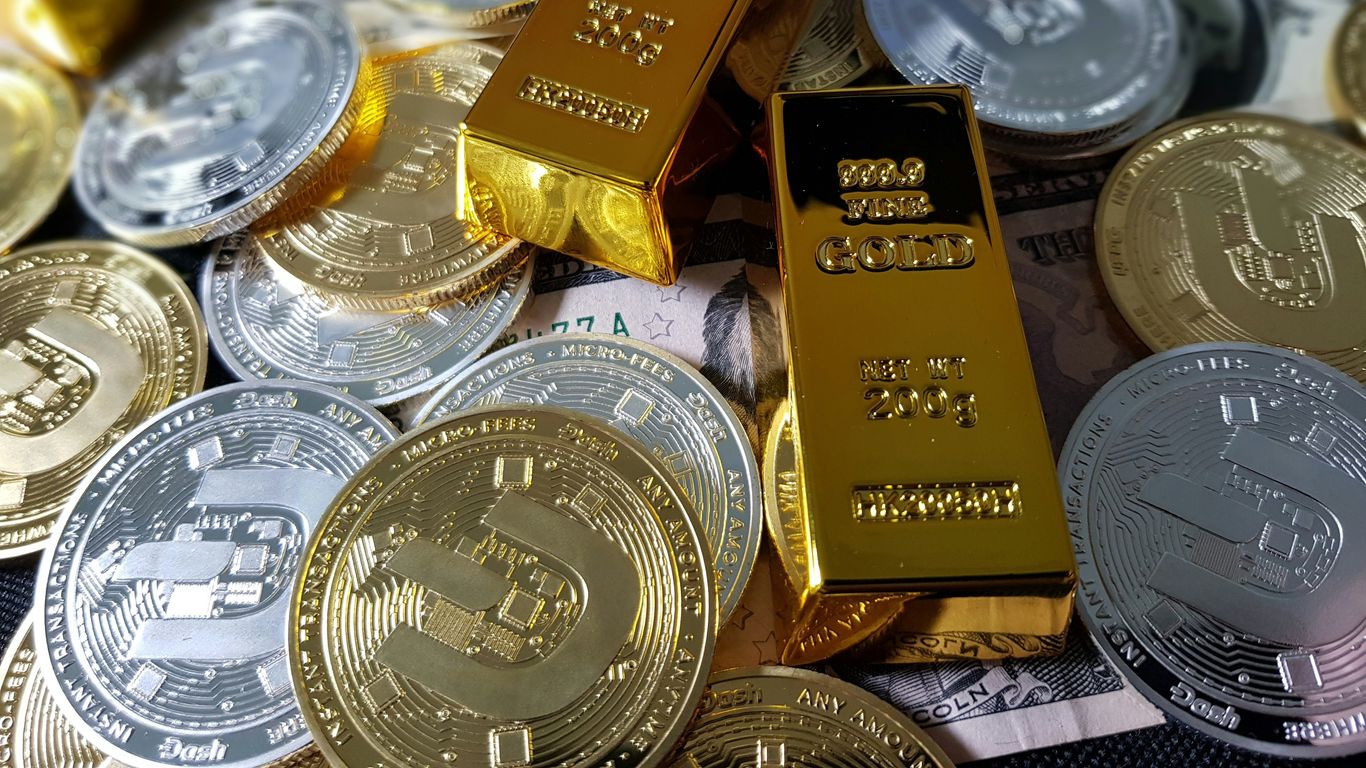
It feels like just yesterday we were hearing about Bitcoin for the first time, and now? The whole world of digital stuff is exploding. It’s not just about cryptocurrencies anymore; it’s a whole new way of thinking about ownership and value. The market has really grown up, moving from a fringe thing to something serious investors are actually looking at.
Growth and Maturation of the Crypto Market
The digital asset space has come a long way. What started as a niche interest for tech enthusiasts has blossomed into a significant market. We’re seeing more established companies getting involved, and the technology behind it, like blockchain, is finding uses way beyond just digital money. It’s becoming a more organized place, with clearer rules starting to appear, which makes it feel less like the Wild West.
Integrating Digital Assets into Investment Portfolios
So, how do you actually put this stuff into your investment mix? It’s not as simple as just buying a stock. You can buy digital assets directly, which means holding them yourself, or you can go the indirect route. Think of funds that hold a bunch of different digital assets, or even companies that are heavily involved in the digital asset world. This gives you a way to get in on the action without having to become an expert in digital wallets and private keys yourself. It’s about finding the right fit for your own financial goals.
The Role of Innovation in Long-Term Performance
What’s really driving this whole thing forward is innovation. New ideas are popping up all the time, from different types of digital coins to new ways of using blockchain technology. This constant change means that what’s popular today might not be tomorrow. For investors, it means keeping an eye on what’s new and understanding how these new developments could affect the value of their investments over time. It’s a fast-moving scene, for sure.
Gaining Exposure to Digital Gold Crypto
So, you’re thinking about getting a piece of this "digital gold" pie, huh? It’s not as simple as just walking into a jewelry store, but there are definitely ways to do it. You’ve got a few main routes, each with its own quirks and considerations.
Direct Ownership of Cryptocurrencies
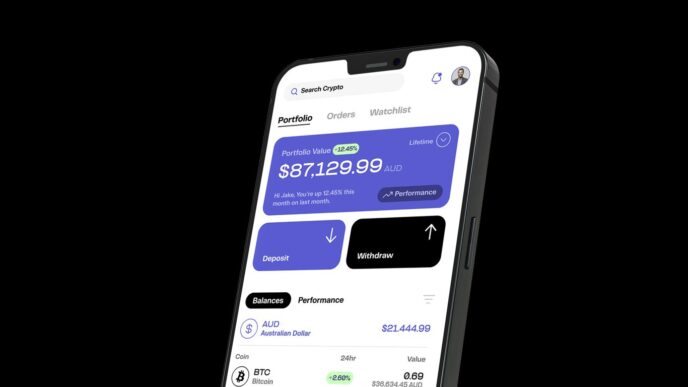
This is probably what most people picture first: actually buying and holding cryptocurrencies like Bitcoin or Ethereum yourself. You’d typically do this through a cryptocurrency exchange. Think of it like opening a brokerage account, but instead of stocks, you’re buying digital coins. You can hold them in a digital wallet, which can be online or even offline for extra security. It’s the most straightforward way to own the asset itself.
- How it works: Sign up for an account on a crypto exchange (like Coinbase, Binance, or Kraken). Verify your identity, link a bank account or card, and then you can buy crypto with traditional money.
- Things to think about: You’re responsible for keeping your private keys safe. If you lose them, you lose your crypto. Also, exchanges can sometimes have technical issues or even get hacked, though they usually have security measures in place.
- Key stat: Around 6.8% of the world’s population has dipped their toes into owning cryptocurrencies.
Indirect Investment Through Funds and ETFs
If managing your own digital wallet sounds like too much hassle, or you want to spread your risk, investing in funds or Exchange Traded Funds (ETFs) that hold digital assets is an option. These are managed by financial institutions, and you buy shares of the fund just like you would any other stock or ETF. It’s a way to get exposure without directly handling the crypto.
- What to expect: These funds aim to track the price of a specific digital asset or a basket of them. They’re traded on traditional stock exchanges, making them familiar territory for many investors.
- Pros: Generally easier to buy and sell, and the management handles the complexities of custody and security.
- Example: There are now Bitcoin ETFs available in the US, which have seen significant investor interest, with combined assets for spot Bitcoin and Ether ETFs exceeding $160 billion.
Venture Capital and Public Equities in the Ecosystem
This is a bit more of a behind-the-scenes approach. Instead of buying the digital asset directly, you can invest in companies that are building the infrastructure or services around cryptocurrencies and blockchain technology. This could be through venture capital (VC) funds that invest in early-stage crypto startups, or by buying stock in publicly traded companies that are involved in the space.
- VC route: Investing in VC funds focused on crypto means you’re backing the next big thing before it even hits the mainstream. It’s high risk, high reward.
- Public equities: Think companies like Coinbase (the exchange), or even companies like MicroStrategy that have bought significant amounts of Bitcoin. Investing in these gives you exposure to the crypto market’s growth, but you’re also tied to the company’s overall business performance.
- Market snapshot: Venture capital has seen a massive amount of capital invested, reaching $115 billion between 2017 and 2025. Meanwhile, publicly traded crypto-related companies in the US had a combined market cap of around $63 billion in 2025.
Key Trends Driving Digital Asset Adoption
It feels like digital assets are everywhere these days, right? There are a few big things making this happen. For starters, the technology behind it all, blockchain, is getting way more advanced. Think of it as the engine that makes all these digital things work. It’s not just about cryptocurrencies anymore; blockchain is being used to represent all sorts of things, like real estate or even art, as digital tokens. This process, called tokenization, is a pretty big deal because it can make it easier for more people to invest in things that were usually out of reach.
Then there’s the money side of things. Big financial players, the institutions, are starting to get involved. They used to be pretty hesitant, but now they see the potential. This is a huge shift because when the big guys jump in, it usually means something is becoming more mainstream. They’re not just buying crypto directly either; many prefer to invest through regulated products like ETFs, which are becoming more common. This makes it feel safer for them, and honestly, for a lot of regular investors too.
Here are some of the main forces pushing digital assets forward:
- Blockchain Technology and Tokenization: This is the foundation. Blockchain provides a secure and transparent way to record transactions. Tokenization takes this a step further by turning real-world assets into digital tokens, which can then be traded more easily. This opens up new investment avenues.
- Institutional Investment and Regulatory Frameworks: As mentioned, big money is flowing in. This is partly because governments and financial bodies are starting to figure out how to regulate these assets. Clearer rules, even if they’re still developing, make institutions more comfortable putting their money in.
- Industry-Specific Use Cases for Digital Assets: It’s not just about finance. We’re seeing digital assets pop up in different sectors. Think about gaming, where in-game items can be NFTs, or supply chain management, where blockchain can track goods. These practical applications show that digital assets have uses beyond just being a speculative investment.
Navigating the Risks of Digital Gold Crypto
Okay, so we’ve talked a lot about the shiny potential of digital gold, but let’s get real for a second. Investing in anything, especially something as new as crypto, comes with its own set of headaches. It’s not all smooth sailing, and ignoring the downsides would be pretty foolish.
Understanding Volatility and Price Swings
First off, these digital assets can swing wildly in price. One day your investment might be up by a good chunk, and the next, it could drop just as fast. It’s a bit like riding a rollercoaster, and not always the fun kind. While some major coins like Bitcoin and Ether have seen their price swings calm down a bit, they’re still way more unpredictable than, say, traditional gold. This means you could see big gains, sure, but you could also lose a significant amount of money. It really hammers home the point that you need to know how much risk you’re comfortable with before you put any money in.
Addressing Cybersecurity and Liquidity Concerns
Then there’s the whole security aspect. Digital assets are online, and that makes them a target. We’re talking about things like hacking, scams, and even market manipulation where people try to artificially pump up prices only to dump them later. If you’re not careful about where you store your crypto or which platforms you use, you could lose everything. It’s not just about picking the right coin; it’s about keeping it safe. On top of that, some of the newer or less popular digital assets can be hard to sell when you want to. This is called liquidity. If you need to cash out quickly, especially during a market panic, you might find it difficult to find a buyer at a fair price.
Bridging Knowledge Gaps for Informed Investing
Honestly, the whole crypto world can be pretty confusing. The technology behind it, like blockchain, isn’t exactly simple to grasp. Investing without really understanding what you’re buying is a recipe for disaster. You might end up making bad choices or falling for a scam because you didn’t know any better. Plus, getting access to these assets can be tricky depending on where you live or what platforms are available. It’s important to do your homework. Think about:
- What’s the asset’s history? How has it performed when the market was up or down?
- Who’s behind it? What’s the team’s background and track record?
- What problem does it solve? Does the technology actually offer something new or useful?
- How does it fit your own money situation? Does it match your comfort level with risk and how long you plan to invest?
The Future Potential of Digital Gold Crypto
Inflation Hedging and Monetary Policy Management
So, what’s next for this whole "digital gold" idea? Well, one of the big promises is that cryptocurrencies, especially those with a fixed supply like Bitcoin, could act as a hedge against inflation. Think about it: when the value of regular money goes down because more of it is printed, an asset that can’t be easily created more of might hold its value better. It’s like a digital version of gold, which people have turned to for centuries when they worry about their money losing power. This potential to preserve purchasing power is a major draw for investors looking beyond traditional assets. The idea is that as central banks manage monetary policy, sometimes by printing more money, assets like Bitcoin could offer a way to sidestep some of that devaluation. It’s still early days, and the jury is out, but the theory is compelling for many.
Accessing New Markets Through Tokenization
Beyond just being a store of value, digital assets are opening doors to entirely new ways of investing and participating in markets. Tokenization is a big part of this. Basically, it means representing real-world assets – like a piece of real estate, a piece of art, or even future revenue streams – as digital tokens on a blockchain. This makes it possible to buy and sell fractions of these assets much more easily than before. Imagine being able to buy a small slice of a commercial building or a share in a startup without all the old paperwork and middlemen. This could democratize access to investments that were previously out of reach for most people. It’s a way to bring more liquidity to assets that are currently stuck and hard to trade. This is a huge shift from just owning a whole company or a whole property.
Participating in Emerging Technologies
Investing in digital gold crypto isn’t just about the currency itself; it’s also about getting a piece of the technology that powers it. The blockchain technology behind cryptocurrencies has applications far beyond just finance. We’re seeing it used in supply chain management, digital identity, voting systems, and so much more. By investing in certain cryptocurrencies or related companies, you’re essentially betting on the growth and adoption of these new technologies. It’s a bit like investing in the early days of the internet – you weren’t just buying a website; you were buying into a whole new way of doing things. For those who are excited about innovation and want to be part of the next wave of technological advancement, digital assets offer a unique entry point. It’s a chance to be involved in building the future, not just holding onto the past. If you’re looking to position yourself for long-term growth, investing in Bitcoin today is about that potential.
Investor Due Diligence for Digital Assets
Alright, so you’re thinking about jumping into the digital gold craze, huh? That’s cool, but before you go throwing your hard-earned cash at the latest crypto coin, let’s talk about doing your homework. It’s not like buying a loaf of bread; this stuff can get complicated fast, and nobody wants to end up losing money because they didn’t look into it properly.
Researching Historical Performance and Growth Drivers
First off, you gotta look at how these digital assets have actually performed. It’s not just about what’s happening today. How did they do during those crazy market ups and downs? Did they hold their value when stocks were tanking, or did they go down with everything else? Understanding the history helps you see if it’s just hype or if there’s something more solid there. Think about what’s supposed to make this thing grow. Is it new tech? Is it a specific problem it solves? You need to figure out the reasons why people think it’s going to be worth more later on. It’s like checking the ingredients before you bake a cake – you want to know what’s going into it.
Evaluating Underlying Technology and Value Proposition
This is where things can get a bit technical, but try not to get too bogged down. What’s the actual technology behind the digital asset? Is it just a copycat, or is it something new? Does it actually do something useful, or is it just a digital collectible with no real purpose? You’re looking for a solid reason why this thing should exist and have value. It’s not enough for it to be popular; it needs to offer something real. For example, some digital assets are built on blockchain technology, which has potential uses beyond just currency. You’ll want to see if the project has a clear plan and a team that actually knows what they’re doing. Checking out the founders and their background can give you a clue about their commitment and ability to pull it off. It’s also smart to see who else is involved; are big players or institutions showing interest? That can be a good sign, but don’t let it be the only reason you invest. Remember, you can get exposure through indirect funds, which might simplify things if you’re not keen on managing digital wallets yourself.
Assessing Portfolio Alignment and Risk Tolerance
Finally, and this is super important, does this digital asset actually fit with your money situation? How much risk can you handle? If you can’t sleep at night when your investments dip, maybe a super volatile crypto isn’t the best idea. Think about how long you plan to hold onto it. Is this a quick flip, or are you looking for something to hold for years? And how does it fit with the other investments you already have? You don’t want your whole portfolio to be in one basket, especially if that basket is known for bouncing around a lot. It’s about making sure your investments are working together, not against each other. You also need to consider how easy it is to sell if you need the cash. Some digital assets are easier to trade than others. Doing your homework on these points helps you make smarter choices and avoid common pitfalls, like those seen with some Trump-themed cryptocurrencies. Verify Trump-themed cryptocurrencies and stocks by checking regulatory bodies and platform reliability.
So, What’s the Verdict on ‘Digital Gold’?
Look, calling Bitcoin ‘digital gold’ is a catchy idea, and it makes sense in some ways, especially with its limited supply. It’s definitely shaking things up in the investment world, and a lot of people are getting involved, sometimes through new kinds of funds or even by investing in companies that use the tech. But, as we’ve seen, it hasn’t always acted like gold, especially when markets get shaky. It’s still pretty new compared to the shiny metal, and it’s got its own set of risks, like wild price swings and security worries. For now, it seems like a good idea to treat it as a smaller, more speculative part of your investment mix, maybe alongside your more traditional stuff, rather than a direct replacement for gold. The whole digital asset space is changing fast, so keeping an eye on it and doing your homework is key if you’re thinking about jumping in.
Frequently Asked Questions
What does ‘digital gold’ mean when people talk about Bitcoin?
When people call Bitcoin ‘digital gold,’ they usually mean it could be a safe place to keep your money’s value over time. They think it should hold its worth even when the economy is shaky, and it shouldn’t always move up or down exactly like stocks. The idea is that, like real gold, it’s a way to protect your money from losing value, especially when governments might print too much money.
Is Bitcoin really like gold as an investment?
Not exactly, at least not yet. While gold has been a trusted way to store value for a very long time, Bitcoin is much newer. Sometimes, gold’s price goes up when things are uncertain, but Bitcoin’s price can be much wilder. In some recent times, when gold prices rose, Bitcoin’s price actually dropped, and it sometimes moved more like stocks than like gold.
How has the crypto market changed over time?
The world of digital money, or crypto, has grown a lot! The total value of all cryptocurrencies has gone up dramatically over the last few years. This shows that more people and companies are getting involved. As this market gets bigger and more developed, it’s becoming a more important part of how people invest.
What are the different ways to invest in digital assets like Bitcoin?
You can invest in digital assets in a few ways. You can buy cryptocurrencies directly, like Bitcoin or Ethereum, on special online exchanges. Or, you can invest indirectly through funds or exchange-traded funds (ETFs) that hold these digital assets. Some people also invest in companies that are building the technology behind crypto or in venture capital funds that support new crypto businesses.
What are the main risks of investing in ‘digital gold’ crypto?
Investing in digital assets like Bitcoin comes with risks. Their prices can change very quickly, meaning you could make a lot of money, but you could also lose a lot. There are also worries about keeping your digital money safe from hackers and scams. Plus, understanding the technology and the market can be tricky, so it’s important to do your homework before investing.
What makes people think digital assets could be the future of investing?
Many things suggest digital assets are becoming more important. The technology behind them, called blockchain, is being used in new ways. Big companies and financial institutions are starting to invest in crypto, which makes it seem more legitimate. Also, things like ‘tokenization’ could make it easier to invest in things like real estate or art by turning them into digital tokens, opening up new investment opportunities for everyone.