So, you’ve got a Garmin watch, and you’re wondering, ‘Is Garmin calorie burn accurate?’ It’s a pretty common question, especially when you’re trying to manage your fitness and diet. We all see those numbers pop up after a workout or even just from daily activity, and it’s easy to think they’re spot on. But the reality of how these devices track calories is a bit more complicated than just a simple count. Let’s break down what you need to know about your Garmin’s calorie estimates.
Key Takeaways
- Garmin devices, like other fitness trackers, estimate calorie burn using motion and heart rate data, combined with personal info like age and weight. However, these calculations are based on incomplete data and are not direct measurements.
- Multiple studies show that fitness trackers, including Garmins, are often inaccurate. One study found Garmins underestimated calorie burn about 69% of the time, and other brands also showed significant inaccuracies.
- Accuracy can change a lot depending on how you wear the device, the type of activity you’re doing, and even things like the terrain you’re on or environmental conditions.
- Directly measuring calorie burn is impossible with current wearable tech. Individual human bodies vary a lot, and research on tracker accuracy often lags behind new device releases, making it hard to get up-to-date, reliable info.
- Instead of relying solely on calorie burn numbers, it’s often better to focus on weight trends and listen to your body’s signals for fueling. For more precise estimates, consider consulting professionals for your Basal Metabolic Rate (BMR).
Understanding Garmin Calorie Burn Calculations
So, how does your Garmin watch actually figure out how many calories you’ve torched? It’s not magic, but it’s also not a perfect science. Think of it as a really educated guess based on a few key pieces of information.
How Fitness Trackers Estimate Energy Expenditure
At its core, your Garmin is trying to estimate your total energy expenditure. This is basically the sum of calories your body burns throughout the day, both for basic functions and for any activity you do. The watch uses a combination of data points to come up with a number. It’s not just about how much you move; it’s about how hard your body is working.
The Role of Motion and Heart Rate Data
Two big players in this calculation are your movement and your heart rate. The watch has sensors, like accelerometers, that pick up on your body’s motion. If you’re walking, running, or cycling, it registers that movement. But just moving isn’t the whole story. Your heart rate is a much better indicator of how hard your cardiovascular system is working. When your heart rate is higher, it generally means you’re burning more calories. Garmin combines the motion data with your heart rate readings to get a more accurate picture of your effort.
Personal Information in Calorie Formulas
Your watch also needs to know a bit about you. When you set up your Garmin, you enter details like your age, weight, height, and sex. This information is super important because it helps tailor the calorie calculations. For example, a heavier person will generally burn more calories doing the same activity as a lighter person. Similarly, your age can play a role in your metabolism. All these personal stats are plugged into the formulas Garmin uses to estimate your calorie burn.
Scientific Studies on Fitness Tracker Accuracy
So, how do these gadgets actually stack up when it comes to telling us how many calories we’ve torched? It’s a question a lot of us wonder about, especially when we’re trying to manage our weight or just get a handle on our fitness. The short answer? They’re not always spot-on. In fact, a bunch of studies have looked into this, and the results are pretty mixed.
Findings from a 2020 Multi-Brand Study
Back in 2020, researchers took a look at several popular fitness trackers, including devices from Garmin, Apple, Polar, and Fitbit. They compared the calorie burn estimates from these wearables against more precise lab measurements. The general takeaway was that most of these devices are inaccurate more often than they are accurate. For a device to be considered accurate in this study, its reading had to be within 3% of the lab’s measurement. Here’s a quick rundown of how some brands performed:
- Garmin: Underestimated calorie burn 69% of the time.
- Apple: Overestimated calorie burn 58% of the time.
- Polar: Overestimated calorie burn 69% of the time.
- Fitbit: Underestimated calorie burn 48% of the time and overestimated 39% of the time.
It’s interesting that Fitbits, on average, were closer to the mark. But even then, if a device sometimes overestimates and sometimes underestimates, it’s not super helpful for making solid decisions about your diet or exercise.
Accuracy Variations Across Different Activities
It’s not just the brand that makes a difference; the type of activity you’re doing plays a big role too. Some studies have shown that trackers might be better at estimating calories burned during steady-state activities like running or cycling, compared to more stop-and-go exercises or strength training. For instance, a 2022 study that put the Apple Watch 6, Fitbit Sense, and Polar Vantage V to the test found that all of them had "poor accuracy" across sitting, walking, running, cycling, and strength training. The variation in their readings, known as the coefficient of variation, ranged from 15% to 30% for every activity and every gadget. That’s a pretty wide margin of error.
Comparison to Proposed Industry Standards
There’s actually a proposed standard from the International Electrotechnical Commission (IEC) that suggests fitness trackers shouldn’t be off by more than 10%. Looking at the research, it seems many devices are still falling short of this mark. A 2025 review of studies on Apple Watches, for example, found calorie burn was off by about 18% on average. While newer models might be getting better, this gap highlights that the technology isn’t quite where we might hope it would be for precise calorie tracking. If your true daily burn is around 2,000 calories, a 15% error could mean your tracker shows you burning anywhere from 1,700 to 2,300 calories. That’s a significant difference if you’re relying on it to guide your eating habits. For more on how these devices measure up, you can check out general fitness tracker accuracy.
Factors Influencing Garmin’s Calorie Estimates
So, you’ve got your Garmin watch, and it’s spitting out numbers about how many calories you’ve burned. Pretty neat, right? But have you ever wondered what goes into those numbers? It’s not just a simple guess. Several things can actually change how accurate those calorie counts are, and it’s good to know about them.
Impact of Device Placement and Fit
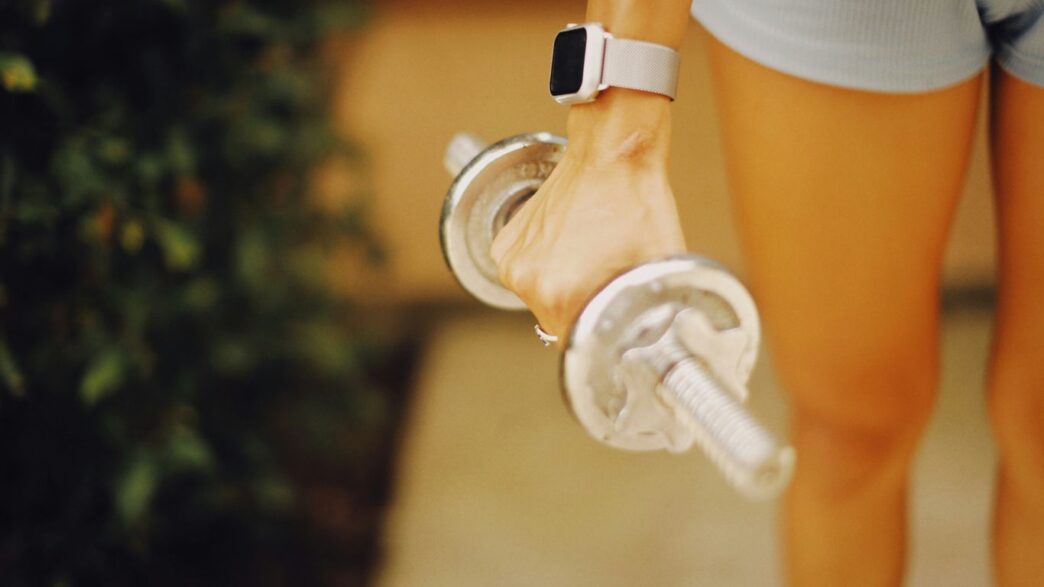
First off, where you wear your watch and how snug it is matters. If your Garmin is too loose, the heart rate sensor might not be getting a clear reading. Think about it – if the sensor is wiggling around on your wrist, it’s going to have a hard time figuring out your actual heart rate. This can lead to the watch thinking you’re working out less intensely than you really are, or vice versa. A good, snug fit is key for the heart rate monitor to do its job properly. It shouldn’t be so tight that it’s uncomfortable, but it needs to stay put.
Variability Based on Activity Type
Garmin tries to figure out what you’re doing – running, cycling, swimming, you name it. But not all activities are created equal when it comes to calorie tracking. For instance, activities with a lot of arm movement but less overall body exertion, like some forms of weightlifting or even certain yoga poses, can sometimes confuse the accelerometers. The watch might register the arm movement but not accurately gauge the full energy expenditure. Similarly, activities where your heart rate might spike for reasons other than exertion, like stress or excitement, can also throw off the calculation.
The Influence of Terrain and Environmental Conditions
Believe it or not, where you are and what the weather’s like can also play a role. Running uphill, for example, requires more energy than running on a flat surface, and your Garmin should ideally account for this. However, the way it interprets terrain can vary. Also, extreme temperatures can affect your body’s energy use. If it’s really hot, your body works harder to cool down, and if it’s very cold, it works harder to stay warm. While Garmins have gotten better at this, these environmental factors can still introduce some wiggle room into the calorie burn estimates.
Limitations and Inaccuracies in Calorie Tracking
So, let’s talk about the not-so-great stuff when it comes to tracking calories with your Garmin. It’s easy to get caught up in the numbers, but it’s important to remember these devices are making educated guesses, not taking direct measurements.
Why Direct Measurement is Not Possible
Think about it: how would a watch actually measure the energy your body uses? It can’t. Instead, it relies on a bunch of sensors and formulas. Your heart rate, how much you move, and your personal stats like age and weight all go into the mix. But this is all indirect. It’s like trying to guess how much gas is in your car by just looking at how fast you’re driving. You can get a rough idea, but it’s not the same as looking at the fuel gauge. Even with advanced sensors, the data collected is just a proxy for actual energy expenditure. The algorithms used by companies like Garmin are proprietary, meaning they aren’t shared publicly, so we don’t know exactly how they arrive at their final calorie count. This lack of transparency makes it hard to independently verify their accuracy.
The Challenge of Individual Human Variability
We’re all different, right? What burns 300 calories for me might burn 350 for you, even if we’re doing the exact same workout. Factors like muscle mass, metabolism, and even how efficiently your body uses energy play a huge role. Your Garmin doesn’t know your exact muscle-to-fat ratio or your unique metabolic rate. It uses general formulas that try to account for these things, but they’re just averages. This means your personal calorie burn could be quite different from what the device reports. For instance, a 2020 study looking at various fitness trackers, including Garmin, found that Garmins underestimated calorie burn about 69% of the time when compared to lab equipment. While this doesn’t mean every reading is wrong, it highlights a consistent trend of inaccuracy.
The Delay in Research Publication
Here’s a bit of a frustrating cycle: researchers want to test how accurate these devices are, but by the time they finish their studies and get them published, the technology has already moved on. Imagine a study published today that tests the 2021 model of a popular smartwatch. By the time you read it, the company might be on their third or fourth generation of that device. This means the findings might not reflect the accuracy of the watch you’re actually wearing. It’s a constant game of catch-up. This delay makes it tough to get current, reliable data on device performance. For example, a review from 2025 might still be referencing older models, leaving you wondering about the accuracy of the latest tech. This is why it’s often hard to find up-to-date scientific comparisons for the newest wearables, like the Samsung Galaxy Watch6.
Here’s a general idea of how some brands performed in that 2020 study, keeping in mind these are just snapshots:
| Device Brand | Underestimated Calorie Burn | Overestimated Calorie Burn |
|---|---|---|
| Garmin | 69% | N/A |
| Apple | N/A | 58% |
| Polar | N/A | 69% |
| Fitbit | 48% | 39% |
It’s worth noting that even if a device is
Alternative Approaches to Calorie Management
Look, tracking calories burned can feel like a rabbit hole, right? You see a number on your Garmin, and then you think, ‘Okay, I can eat this much.’ But honestly, it’s not always that simple. Sometimes, focusing too much on that one number can mess with your head. So, what else can we do?
Focusing on Weight Trends for Fueling
Instead of obsessing over every calorie burned, a more practical approach is to pay attention to your weight. Think of it like this: if you’re trying to maintain your current weight, you want your food intake to roughly match what your body uses. But here’s the thing – you don’t actually need to know the exact calorie burn number to figure this out. You just need to track what you eat and monitor your weight.
- If your weight starts dropping: This is a pretty clear sign you’re not eating enough, especially if you’re training hard. It’s your cue to add a bit more food to your daily intake.
- If your weight stays steady: Great! This suggests you’re fueling your body appropriately for your current activity level.
- If your weight creeps up: You might be eating a bit too much for your current activity, or perhaps your activity level has decreased.
By watching your weight trends, you can make adjustments to your food intake without getting bogged down in the exact calorie burn figures your watch provides. It’s a more direct way to manage your energy balance.
Listening to Your Body’s Signals
Your body is actually pretty good at telling you what it needs, if you pay attention. Wearables are great, but they can’t replicate the complex signals your body sends.
- Energy Levels: Are you feeling consistently tired or hitting a wall mid-afternoon? That could mean you need more fuel.
- Performance: Are you struggling to hit your usual paces during workouts, or feeling weaker than normal? Your body might be asking for more energy.
- Hunger and Fullness Cues: Learning to recognize true hunger and satisfying fullness is a skill. Don’t just eat because your watch says you burned X calories; eat because you’re actually hungry and stop when you’re comfortably full.
- Recovery: Are you recovering well from workouts, or feeling constantly sore and run down? Nutrition plays a huge role here.
Ignoring these signals in favor of a number on a screen can lead to under-fueling or other issues.
Consulting Professionals for BMR Estimates
While your Garmin gives you an estimate of your total daily energy expenditure, it’s based on general formulas and the data you input. For a more personalized understanding, especially if you have specific health or performance goals, talking to a professional can be really helpful. They can help you understand your Basal Metabolic Rate (BMR) – the calories your body burns just to stay alive at rest – and how that fits into your overall energy needs. This isn’t about getting a magic number, but about getting a clearer picture tailored to you. A registered dietitian or a sports nutritionist can provide this kind of insight, helping you create a fueling plan that truly supports your body and your goals, rather than relying solely on a device’s estimate.
Using Garmin Data as a Fitness Tool
So, you’ve got all this data from your Garmin watch – steps, heart rate, sleep, and of course, those calorie burn numbers. It’s easy to get caught up in the numbers, but how can you actually use this information to help you get fitter or healthier? It’s not just about looking at a single number, but understanding what it means in the bigger picture.
Potential Benefits for Training Insights
Your Garmin can be a pretty neat tool for understanding your workouts. For instance, seeing your heart rate zones during a run can tell you if you’re pushing hard enough or if you’re just cruising. Over time, you can spot trends – maybe your resting heart rate is going down, which is usually a good sign your cardiovascular fitness is improving. You can also see how different types of workouts affect your recovery. It’s like having a personal coach keeping notes, but it’s all on your wrist.
- Track workout intensity: See if you’re hitting your target heart rate zones.
- Monitor fitness progress: Look for improvements in resting heart rate or recovery times.
- Understand workout impact: See how different activities affect your body’s readiness.
Risks of Obsession and Mental Health
Now, here’s the flip side. It’s super easy to get a bit too focused on the numbers. If you’re constantly staring at your calorie burn, or if your step count isn’t hitting a certain goal, it can start to feel like a chore or even cause stress. This kind of obsession can actually be bad for your mental health. Remember, these devices are tools, not judges. Don’t let the data dictate your mood or your self-worth.
When to Re-evaluate Tracker Reliance
Sometimes, you might find yourself relying too much on what your watch tells you. If you start ignoring how your body actually feels – like feeling exhausted but your watch says you’re recovered – it’s time to take a step back. Your body has its own signals, and they’re pretty important. If you’re experiencing things like:
- Constant fatigue or energy crashes
- Headaches or dizziness
- Difficulty performing at your usual level
- Digestive issues
…it might be a sign that you’re not fueling properly or that you’re pushing too hard, regardless of what the watch says. It’s a good idea to listen to your body first and foremost. If you’re unsure, talking to a doctor or a registered dietitian can offer more personalized advice than any gadget can.
So, What’s the Verdict on Garmin’s Calorie Count?
Look, when it comes to tracking how many calories your Garmin watch says you’ve burned, it’s best to take it with a grain of salt. Studies show that most fitness trackers, including Garmin, aren’t exactly spot-on. They often guess more than they know, and the numbers can be off by a pretty wide margin. Instead of relying on that calorie number to dictate your meals or workouts, maybe think of it as a general idea. If you’re really trying to manage your weight, focusing on what you eat and how your body feels, like if you’re losing weight when you don’t want to, might be a more reliable way to go. Your body usually tells you what it needs, and that’s often more accurate than any gadget.
Frequently Asked Questions
How does my Garmin watch guess how many calories I burn?
Your Garmin watch uses a mix of information to guess your calorie burn. It looks at how much you move using sensors that track your steps and activity. It also checks your heart rate. The watch then uses a formula that includes your age, weight, and sex to come up with a number. It’s like putting together puzzle pieces to make an educated guess.
Are Garmin calorie counts really accurate?
Studies show that most fitness trackers, including Garmins, aren’t always spot-on when it comes to calorie burn. Sometimes they guess too high, and sometimes they guess too low. While they try their best, they can’t measure your exact calorie burn perfectly.
Why aren’t fitness trackers more accurate with calories?
Humans are complex! Trackers use formulas, but everyone’s body is different. Things like how tight the watch is, your skin color, and even the type of activity can affect the readings. Plus, companies don’t always share exactly how their calorie-counting formulas work, making it hard to compare.
What’s more reliable than a fitness tracker for managing weight?
Instead of relying only on your tracker’s calorie numbers, it’s often better to focus on your weight trends. If you want to lose weight, eat a little less than you burn. If you’re not losing weight, try eating a bit less. If you’re gaining weight, eat a bit more. Watching the scale and adjusting your food intake based on that can be more helpful.
Should I obsess over the calories my Garmin says I burned?
It’s best not to get too caught up in the exact calorie number. Focusing too much on it can sometimes lead to unhealthy habits or stress. Think of the number as a general idea, not a strict rule. Pay attention to how you feel and your overall performance in activities.
What does ‘BMR’ mean and why is it important?
BMR stands for Basal Metabolic Rate. It’s the number of calories your body needs just to keep running basic functions like breathing and thinking, even when you’re resting. Your Garmin might use a general idea of this, but a professional can give you a more accurate BMR, which is key to understanding your body’s real energy needs.