
Debunking the “Is VR Dead 2025” Myth
The Persistent Question of VR’s Relevance
It feels like every year, someone asks if Virtual Reality is, you know, over. And 2025 is no different. You see it pop up in articles, hear it in conversations – "Is VR dead?" It’s a question that just won’t go away. But honestly, it’s more of a misunderstanding than a reality. VR isn’t dead; it’s just been quietly evolving, getting better, and finding its place.
Understanding the Evolution of Immersive Technologies
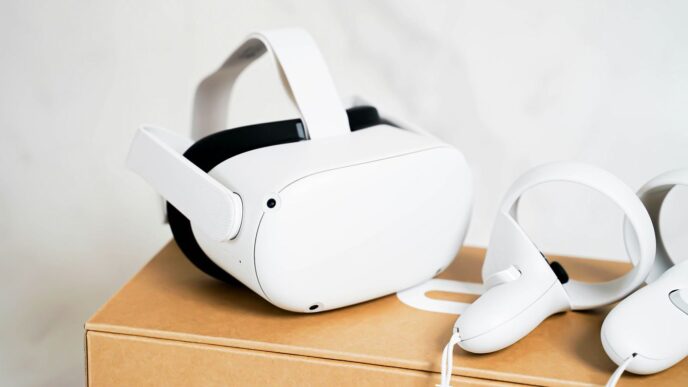
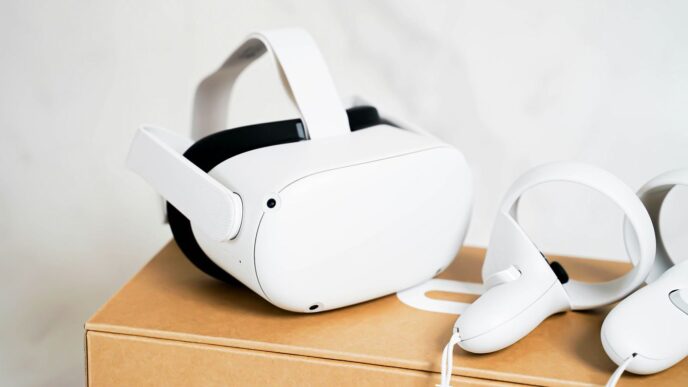
Think about how far we’ve come. Remember those clunky headsets from years ago? They were a start, but not exactly something you’d wear for hours. Now, the tech is way more refined. We’ve got lighter headsets, better graphics, and more ways to interact with virtual worlds. It’s not just about games anymore, either. We’re seeing VR pop up in training, design, and even therapy. It’s a slow burn, not a sudden explosion, and that’s okay.
Why the Debate Continues in 2025
So why does this "dead" narrative persist? A few reasons, really. For starters, widespread adoption takes time. Not everyone has a VR headset lying around, and the cost can still be a barrier for some. Plus, creating good VR content isn’t as simple as writing a blog post. It needs specialized skills and tools.
Here’s a quick look at some of the hurdles:
- Cost of Entry: High-end VR gear and development tools can be pricey.
- Accessibility: Not everyone has a powerful enough computer or smartphone to run VR experiences.
- Content Creation: Making compelling VR content requires different skills than traditional media.
- User Comfort: While improving, some users still experience discomfort with prolonged VR use.
But these are growing pains, not death knells. The technology is improving, costs are coming down, and more people are starting to see the real-world applications beyond just entertainment. The conversation needs to shift from ‘Is it dead?’ to ‘How is it changing?’
The Transformative Role of AR/VR in Search
Okay, so let’s talk about how Augmented Reality (AR) and Virtual Reality (VR) are really shaking things up when it comes to searching for stuff online. It’s not just about games anymore; these technologies are changing how we find information and interact with brands. Think of it like this: instead of just looking at pictures or reading descriptions, you can actually experience what you’re looking for.
Enhancing User Engagement Through Interactivity
This is a big one. Traditional search results are pretty static, right? You click a link, you read, maybe you look at a picture. AR and VR flip that script. They bring in dynamic, interactive elements that grab your attention. Imagine trying to buy furniture – instead of just guessing if that couch will fit in your living room, you can use an AR app to see it right there in your space. It’s way more engaging, keeps you on the page longer, and makes you more likely to actually buy something. It’s like going from looking at a menu to actually tasting the food.
Improving User Intent Satisfaction
Search engines are getting smarter about figuring out what you really want. AR and VR help with this by giving you answers that are much closer to what you’re looking for. Take real estate, for example. Instead of just scrolling through photos of houses, you can put on a VR headset and actually
Key Applications of AR/VR in Modern Search
It’s pretty wild how much augmented reality (AR) and virtual reality (VR) are changing how we look for stuff online. Forget just typing words into a box; these technologies let you actually see and interact with things before you even buy them. It’s like having a superpower for shopping and exploring.
Revolutionizing Retail and E-commerce
This is where AR/VR is really making waves. Think about trying on clothes or seeing how a new couch looks in your living room – without leaving your house. Apps let you place virtual furniture in your space to check the size and style. For makeup or glasses, you can see how they’d look on your face. This kind of interactive preview makes online shopping way less of a gamble and a lot more fun. It helps people decide faster and feel more confident about their purchases, which is a big win for both shoppers and businesses.
Transforming Real Estate Exploration
Looking for a new place? VR tours are a total game-changer. Instead of just looking at photos or driving around, you can virtually walk through a house or apartment. You get a real feel for the layout, the size of the rooms, and even the view from the windows. It saves so much time and effort, letting you check out multiple properties from your couch. It’s a much more thorough way to get a sense of a place before you even schedule a physical visit.
Enhancing Travel and Tourism Discovery
Planning a vacation? AR and VR can give you a sneak peek. Imagine exploring the streets of a foreign city or touring a hotel room before you book. These virtual experiences help you get a better idea of what to expect, making your travel decisions easier and more informed. It’s like a test drive for your next adventure, helping you pick the perfect spot.
Reshaping Education and Training
Learning is getting a serious upgrade too. VR can put you right into historical events or let you perform virtual science experiments. Think dissecting a frog without the mess or walking through ancient Rome. AR can overlay information onto real-world objects, making textbooks come alive. These immersive methods make learning more engaging and help people remember things better. It’s a powerful way to make complex subjects easier to grasp.
Benefits of Integrating AR/VR into Search Strategies
So, why should businesses even bother with AR and VR for their search strategies? It’s not just about having the latest tech; there are some real, tangible upsides. Think about it: people are spending more time online than ever, and they’re looking for experiences that grab their attention. AR and VR can do just that, making your brand stand out.
Achieving Enhanced Interactivity and Engagement
This is a big one. Traditional search results are pretty static, right? You click a link, you read text, maybe look at a picture. AR and VR flip that script. Imagine someone looking for a new couch. Instead of just seeing pictures, they can use AR to place a virtual version of that couch right in their living room. They can see how it fits, what the color looks like against their walls – it’s a whole different level of interaction. This kind of hands-on (even if virtual) experience keeps people on your site longer. They’re not just browsing; they’re actively exploring. This increased engagement is gold for keeping potential customers interested and moving them closer to a decision.
Boosting Key SEO Metrics
Search engines like Google are always trying to figure out what users really want. When people spend more time on a page, clicking around and interacting with content, it sends a strong signal that the page is useful and relevant. AR/VR experiences naturally lead to longer dwell times and more user interaction. If someone is virtually trying on glasses or exploring a 3D model of a product, they’re definitely not bouncing off your site quickly. This can positively affect your search rankings over time, making it easier for people to find you in the first place.
Delivering Hyper-Personalized Search Results
We’re all used to personalized recommendations, but AR/VR takes this to a new dimension. Think about searching for makeup. Instead of just seeing shades, you could use AR to see how a lipstick color looks on your own face through your phone’s camera. Or if you’re looking for home decor, you could visualize different paint colors on your walls. This level of personalization makes the search process incredibly relevant to the individual user. It’s like having a personal shopper and interior designer rolled into one, all accessible through a search query.
Strengthening Brand Identity and Perception
Let’s be honest, adopting new technologies can make a brand look pretty forward-thinking. When you offer AR or VR experiences as part of your search results or product exploration, you’re showing customers that you’re innovative and invested in providing a great user experience. It’s a way to differentiate yourself from competitors who are still sticking to the old ways. This can build a stronger brand image, making customers see you as a leader in your field and more likely to trust and choose your products or services.
Navigating the Challenges of AR/VR Adoption
So, we’ve talked a lot about how cool AR and VR can be for search, right? But it’s not all sunshine and virtual rainbows. There are some pretty big hurdles to jump over before everyone’s searching through a headset or seeing digital stuff layered on their world. It’s like trying to assemble IKEA furniture without the instructions – looks easy, but can get messy.
Addressing High Development Costs
Let’s be real, making good AR and VR stuff costs money. You need fancy software, people who actually know how to use it, and the hardware to test it on. For smaller businesses, this can be a huge barrier. It’s not like just writing a blog post; it’s a whole different ballgame that requires a serious budget. This upfront investment is probably the biggest reason we don’t see AR/VR search everywhere already.
Overcoming Technical Barriers to Access
Not everyone has the latest smartphone or, let’s face it, a VR headset collecting dust. If your cool new AR search feature only works on a handful of devices, you’re missing out on a ton of potential users. It’s like having a party but only sending invites to people who live next door. We need more people to have the gear for this to really take off.
The Need for Specialized Content Optimization
Traditional SEO is already a puzzle, but AR/VR search adds a whole new layer. You can’t just stuff keywords into a 3D model. You need content that’s built for these immersive experiences – think interactive visuals and smooth animations. This means learning new tricks and figuring out how search engines will even rank this kind of stuff. It’s a learning curve, for sure.
Managing Privacy and Data Concerns
When you’re using AR/VR, the technology often needs to know a lot about you and your surroundings. Where are you? What are you looking at? This raises privacy questions. People are getting more aware of how their data is used, so companies need to be super careful. Building trust is key, and nobody wants their virtual shopping trip to turn into a data breach. It’s a balancing act between personalization and keeping things private.
Future Trends Shaping AR/VR and Search
So, what’s next for AR/VR and how it plays with search? It’s not just about cooler headsets or fancier filters. A few big things are brewing that will really change how we find stuff online.
The Integration of Artificial Intelligence
AI is already everywhere, right? Well, it’s about to get even more tangled up with AR and VR. Think about it: AI can look at what you’re doing in a virtual space or what you’re pointing your phone at in AR, and then figure out what you really want. It’s like having a super-smart assistant that knows what you need before you even ask. For example, if you’re looking at a virtual sofa in AR, AI could suggest matching pillows or a rug that goes with it, all based on your past style choices. This makes searching for things way more personal and, honestly, a lot more useful.
Seamless Voice Search and AR/VR Interaction
We’re already talking to our phones and smart speakers all the time. Now, imagine combining that with AR and VR. You could be looking at a product in AR and just say, "Show me this in blue," or "How much does this cost?" without lifting a finger. Or in VR, you could ask, "Find me a restaurant nearby that serves pasta," and a virtual map or list pops up right in front of you. This hands-free, natural way of interacting is going to make AR/VR search feel less like a tech demo and more like a natural extension of how we already communicate. It cuts out a lot of the fiddly button-pressing.
The Impact of 5G Network Advancements
Remember when internet was slow? Yeah, me neither, mostly. But 5G is going to make things even faster and smoother, especially for AR and VR. These technologies need to send and receive a lot of data, like high-resolution 3D models or live video feeds. With 5G, that happens almost instantly. This means fewer glitches, more realistic visuals, and the ability to do more complex searches without lag. Think about loading a full VR tour of a house or trying on clothes in AR without any waiting time. It’s a big deal for making these experiences practical for everyday search.
The Rise of Decentralized Search Engines
This one’s a bit more technical, but it’s important. Right now, search engines like Google are big, central companies. But there’s a growing movement towards decentralized search engines, often built on blockchain technology. What does that mean for AR/VR? Well, these new search engines are designed to be more private and user-controlled. They don’t track you in the same way. As AR and VR become more integrated into search, having a private, decentralized option could be really appealing for people who are concerned about their data. It’s about putting more control back into the user’s hands, which fits well with the idea of personalized, immersive experiences.
So, Is VR Dead in 2025? Not Even Close.
Look, the whole "is VR dead?" question pops up every few years, and honestly, it’s a bit of a tired narrative. While VR hasn’t exactly taken over the world overnight like some predicted, it’s definitely not gone. Think of it less like a fad and more like a technology that’s steadily finding its footing. We’re seeing it pop up in more practical ways, like training for jobs or letting you check out a hotel before you book it. Plus, with things like 5G getting faster and AI getting smarter, VR is only going to get better and easier to use. It’s not about replacing your phone or computer anytime soon, but it’s carving out its own space, and that space is only getting bigger. So, no, VR isn’t dead. It’s just growing up, and 2025 is looking like a pretty interesting year for it.