
Is VR Dead in 2025? Examining The Current Landscape

Consumer Adoption Plateaus Despite New Hardware
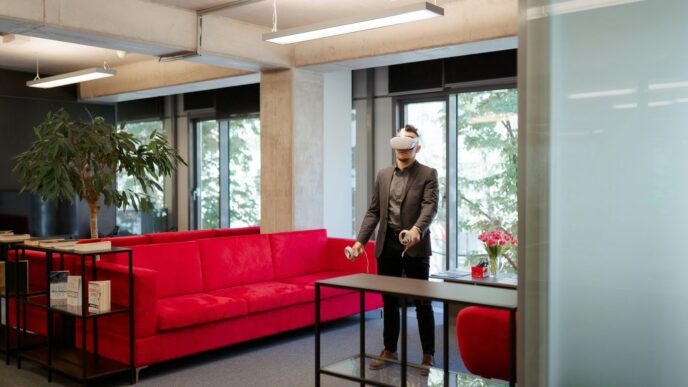
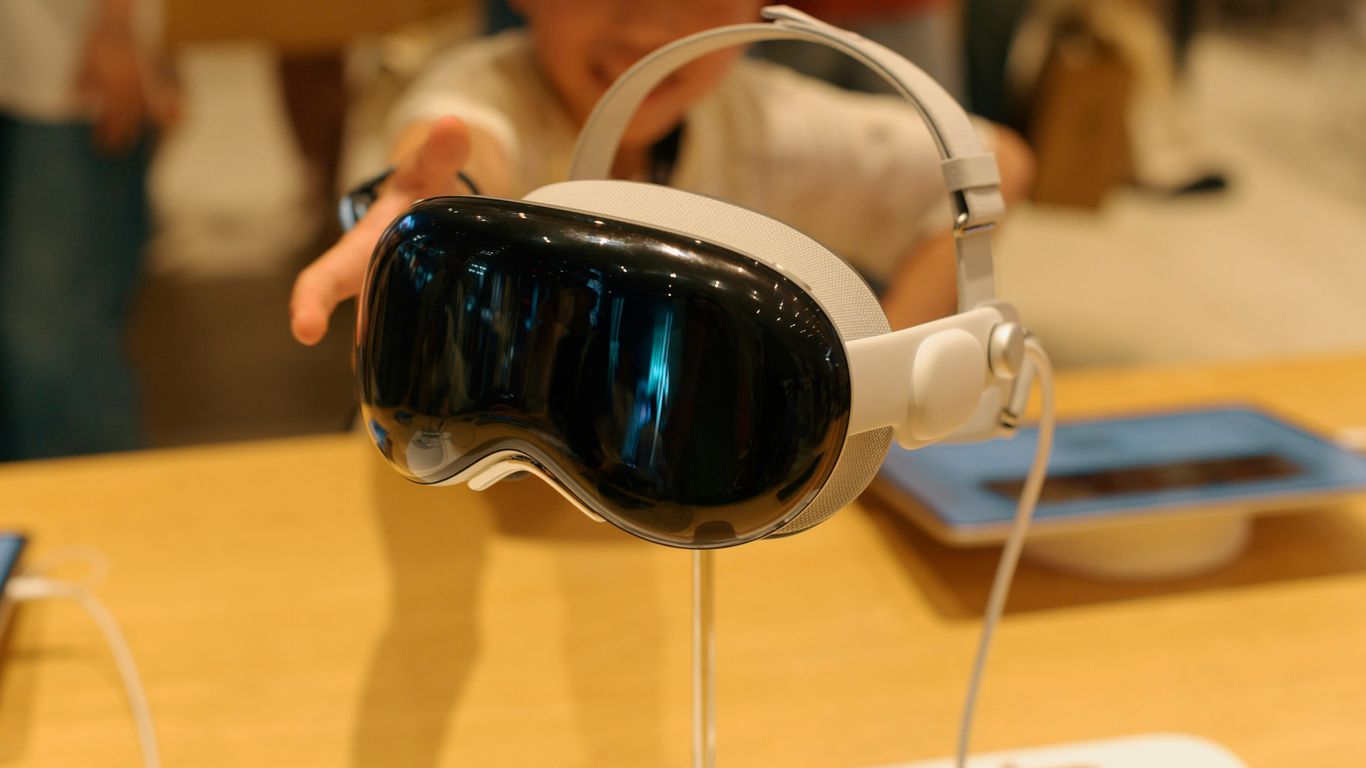
So, is virtual reality, or VR, dead in 2025? It’s a question a lot of people are asking, and honestly, the answer isn’t a simple yes or no. Think of it less like a dead thing and more like something that’s hit a bit of a wall. The initial excitement, the kind that made everyone think we’d all be living in virtual worlds by now, has definitely cooled off. We’re seeing sales of consumer headsets kind of stall out. Even with new gear coming out, like Meta’s Quest 3, which is pretty neat with its mixed-reality features, it hasn’t really sparked that huge, widespread interest we were all expecting. Sony’s PSVR2 is another example; it looks great and plays well, but the price tag and the limited number of must-have games kept a lot of folks from jumping in. And then there’s Apple’s Vision Pro – super advanced, sure, but at $3,499, it’s really aimed at professionals and developers, not your average person looking for a new gadget.
Major Platforms Scale Back Ambitions
Because of this slower-than-expected uptake, some of the big players are adjusting their plans. Meta, which was once the biggest cheerleader for VR becoming the next big computing platform, has actually cut back on staff in its Reality Labs division. It seems like the grand vision of everyone working, playing, and socializing in VR is taking a lot longer to become a reality than they initially thought. This doesn’t mean they’re giving up entirely, but the aggressive push we saw a few years ago has definitely softened. It’s like they’re taking a breath and rethinking the best way forward, rather than just charging ahead full steam.
The Public Discourse: Hype Versus Reality
What you hear in the news and online often paints a picture of VR being a bit of a disappointment. Early on, the promises were huge: VR would change how we connect, how we work, and how we play games, all within a few years. But for most people, those experiences haven’t quite lived up to the hype. Headsets can still be bulky and uncomfortable, leading to eye strain or motion sickness for some. Plus, finding enough really engaging games or apps to keep you coming back can be tough. It’s this gap between the exciting marketing and the everyday user experience that fuels the conversation about whether VR is actually going anywhere. It’s not that VR is completely useless, but the reality of using it day-to-day hasn’t matched the initial excitement, leading many to question its future.
The Persistent Challenges Holding VR Back
Even though VR has some cool uses, it’s still got some big hurdles to jump before most people will want to use it regularly. It’s not just about making a fancy headset; there are several things that make VR feel clunky or just not worth the trouble for everyday folks.
Hardware Limitations: Comfort and Cost
Let’s be real, wearing a VR headset for more than an hour can be a pain. They’re often heavy, can make your eyes feel tired, and for some, that dizzy feeling, motion sickness, just ruins the experience. It’s hard to get into a game or a virtual meeting when you’re constantly thinking about taking the thing off. And then there’s the price tag. Even decent headsets can set you back $500 or more, and the really high-end ones cost thousands. For that kind of money, you’d expect it to be a daily driver, not something you use once a month.
The Content Conundrum: Lack of Killer Apps
This is a big one. Outside of a few really popular games like Beat Saber, the VR app store feels pretty thin. A lot of experiences are just okay, or they feel like tech demos rather than full games or useful tools. People try VR, get excited for a few weeks, and then the headset ends up gathering dust because there’s nothing new and exciting to pull them back in. It’s a classic chicken-and-egg problem: not enough people buy headsets because there’s not enough great content, and developers don’t make great content because not enough people are buying headsets.
Social Isolation and User Engagement
Unlike playing a video game on a console with friends in the same room, or even just chatting on your phone, VR is mostly a solo activity. You’re stuck in your own little world, and it’s hard to share that experience with others who aren’t also wearing a headset. This makes it tough for VR to fit into social gatherings or family time. It feels isolating, which is the opposite of what many people look for in entertainment or communication technology. The dream of VR replacing our current social media or communication tools feels a long way off when it makes you feel more alone.
Where VR Is Thriving: Real-World Applications
While you might not see a ton of people walking around with VR headsets on the street, that doesn’t mean the technology isn’t actually being used. It’s just happening in places you might not expect, like hospitals, factories, and even architectural firms. These fields are finding real, practical uses for VR that are making a difference.
Medical Training and Therapy Advancements
Doctors and nurses are getting a lot of mileage out of VR. Imagine a surgeon practicing a super complex operation, one they might only do a few times in their career, over and over again in a virtual space. That’s happening now. It lets them get a feel for it without any risk to a real patient. Some studies show that surgeons who train with VR get way better at their jobs compared to those who just use traditional methods. It’s not just for surgery, either. VR is also being used to help people with things like anxiety. Therapists can create safe, virtual environments where patients can face their fears, like public speaking or heights, in a controlled way. This kind of therapy is showing some solid results.
Industrial and Military Training Solutions
Big companies are using VR to train their employees for jobs that are, frankly, pretty dangerous. Think about training someone to fix a giant piece of machinery on an oil rig or work on an airplane. Doing that in real life the first time could be a disaster. VR lets them practice these tasks in a safe, virtual setting. The military is also a big user. They’re using VR simulators to get soldiers ready for different combat situations. This not only saves a ton of money on training but also seems to make soldiers better prepared for what they might face. It’s all about learning by doing, but without the actual danger.
Architecture and Design Visualization
For architects and designers, VR is changing how they show their work to clients. Instead of just looking at flat drawings or small models, clients can now actually walk through a building that hasn’t even been built yet. They can see how the light hits a room, check out different materials, or even move walls around, all within the virtual space. This makes it so much easier for everyone to understand what the final project will look like and helps catch any issues early on. It means fewer costly changes down the line because everyone is on the same page from the start. It’s like a test run for the entire building before any construction even begins.
Technological Hurdles to Mainstream VR Adoption
Look, VR is pretty cool, but let’s be real, it’s not quite ready for your grandma’s living room yet. There are some pretty big tech roadblocks that need clearing before everyone’s strapping on a headset for their daily dose of virtual reality. It’s not just about making it look good; it’s about making it feel good, too.
Display Resolution and Field of View
Right now, most VR headsets are like looking through a pair of binoculars with a really narrow view. The picture can look a bit grainy, and you can see the edges of the screen, which totally breaks the immersion. We’re talking about needing way more pixels per degree – think 60 PPD or more – to really fool your eyes into thinking you’re somewhere else. Wider fields of view are also a must to get rid of that ‘swimming goggle’ feeling. While companies are working on better screens and lenses, making them cheap enough for everyone is the tricky part.
Eye Tracking, Battery Life, and Wireless Performance
Imagine if your headset only rendered the part of the screen you’re actually looking at in super high detail. That’s called foveated rendering, and it could seriously cut down on the processing power needed. But for that to work, the headset needs to track your eyes perfectly, and fast. That’s still a work in progress. Then there’s the battery. Most standalone headsets only last a couple of hours, which isn’t great for longer sessions. And forget about truly wireless, high-quality VR for now; it either needs way better batteries or super-fast, reliable wireless tech that just isn’t here yet for mass use.
Haptics and Sensory Feedback Integration
VR is mostly about what you see and hear. To make it feel truly real, you need to feel it, too. We’re talking about things like feeling the texture of an object, the warmth of the sun, or even a gentle breeze. Haptic gloves and vests are out there, but they’re usually clunky, expensive, and don’t quite nail that fine sense of touch. Getting these sensory inputs right is a huge challenge, but it’s what will take VR from just looking at something to actually being there.
The Role of AI in VR’s Future
If you’re wondering whether all those virtual reality promises will ever be kept, here’s something worth thinking about: Artificial intelligence may be the thing that finally turns VR from a cool toy into something you actually want to use every day. Let’s break down where this is already happening and where folks expect to see big changes soon.
AI-Driven Content Creation
There’s a real bottleneck when it comes to building VR worlds and experiences. It’s slow, expensive, and often feels like there just isn’t enough to do. AI, though, is starting to change that. Here’s how it’s shaking things up:
- AI can generate environments, objects, and even entire storylines on the fly, so you’re not stuck playing the same minigames or walking through empty digital museums.
- Quicker content production means indie devs and smaller studios suddenly have a shot at making popular VR titles.
- Experiences get updated more frequently, keeping users interested instead of bored after a week.
Table: How AI Impacts VR Content Creation
| Process | Without AI | With AI |
|---|---|---|
| Environment Design | Months of work | Auto-generated, instant |
| Character Animation | Manual, expensive | Automated, dynamic |
| Interactive Storylines | Limited, scripted | Adaptive, ever-changing |
Enhanced Social Interaction and Avatars
Remember those stiff, emotionless VR avatars? That’s old news. Now, AI helps make avatars that blink, smile, and react more like real people. Here’s what’s happening:
- AI-powered face tracking picks up on your real expressions and moves your avatar’s face the same way.
- Speech recognition makes talking in VR smooth and less awkward.
- AI scripts can control virtual NPCs (non-player characters) so they aren’t just repeating the same canned lines—makes social spaces feel alive.
Don’t expect perfect results yet. Half the time, my avatar just looks confused no matter what I do. Still, it’s a huge step up.
Personalized and Adaptive VR Environments
AI isn’t just filling VR with more stuff—it’s actually changing how it feels for each user. For example:
- Personalized difficulty: Game too hard? AI can scale it back automatically, no settings menu required.
- Adaptive environments: Background music, lighting, and even the scenery might change depending on your mood or reactions.
- Accessibility: AI helps adjust visuals and controls if you have specific needs, making VR more welcoming for more people.
So, while the technology still has a ways to go, these AI-driven features are slowly making VR less of a gimmick and more of a space you actually want to hang out in. If you check back in a few years, you might find that VR has quietly gotten a lot more interesting—and AI is probably the reason why.
Preparing for VR’s Resurgence
Look, nobody’s saying VR is going to take over the world tomorrow. It’s easy to get caught up in the hype cycles, but the reality is, the tech is still finding its feet. Instead of asking if it’s dead, maybe we should be asking how we can get ready for when it really takes off. It feels like we’re in that awkward phase, kind of like when smartphones first came out – they worked, but they weren’t exactly sleek or super useful for everyone yet.
Developer Experimentation with New Technologies
For the folks actually building these VR experiences, it’s all about playing around with what’s new. Think about integrating AI. Imagine AI helping to create worlds on the fly, or making characters in VR feel more like real people you’re talking to. That could really solve the problem of not having enough interesting stuff to do in VR. It’s not just about making prettier graphics; it’s about making the whole experience smarter and more dynamic. Developers are also looking at things like better ways to track your eyes so the graphics only need to be super sharp where you’re actually looking. That could make games run way smoother.
Enterprise Exploration of Immersive Use Cases
Businesses are quietly figuring out how VR can actually help them. It’s not just for games anymore. Think about training. Instead of sending people out to dangerous sites or spending a fortune on physical mock-ups, you can train them in VR. Companies are using it for everything from teaching surgeons new techniques to showing factory workers how to operate complex machinery. It’s safer, often cheaper in the long run, and people seem to learn better when they’re actually doing it, even if it’s virtual. Plus, architects and designers are using VR to walk clients through buildings before they’re even built. It’s a game-changer for getting feedback and making sure everyone’s on the same page.
Consumer Readiness for the Next Wave
For the rest of us, the consumers, it’s probably smart to just keep an eye on things. You don’t need to rush out and buy the latest headset if it doesn’t feel right for you yet. Maybe try out a demo at a store, or play around with some free apps if you have a friend who owns one. The next big step for VR probably won’t be announced with a huge marketing push. It’ll just be a headset that’s comfortable, doesn’t cost a fortune, and has stuff to do that you actually want to do. It’s about waiting for the technology to get good enough that you don’t even think about the tech itself anymore. It’ll just work.
Here’s a quick look at what needs to improve before VR really hits the mainstream:
- Comfort and Form Factor: Headsets need to get lighter and feel less like wearing a brick on your face. Think more like stylish glasses.
- Content Variety: We need more than just games. Think educational apps, social experiences, and creative tools that people will use regularly.
- Affordability: The price point needs to come down significantly for widespread adoption.
- Wireless Freedom: Untethered, high-quality VR experiences are key. No one wants to be tripping over cables.
It’s a marathon, not a sprint, and the finish line is looking more promising every year.
So, Is VR Dead? Not Quite, But It’s Not Taking Over Yet.
Look, saying virtual reality is completely dead in 2025 just isn’t accurate. It’s definitely not the world-changing tech everyone thought it would be by now, and yeah, the big promises haven’t really panned out for most people. Headsets are still kinda clunky, and finding something truly amazing to do in VR beyond a few games can be tough. But it’s not gone. VR is quietly doing some really important work in places like surgery training, helping people with therapy, and even in big companies for design. It’s like it’s in a holding pattern, waiting for the tech to catch up and become easier, cheaper, and just plain better. So, while you might not be living in the metaverse anytime soon, VR is still around, slowly figuring things out behind the scenes. It’s more like it’s in a long development phase than actually dead.