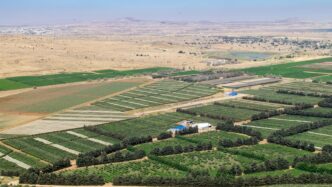
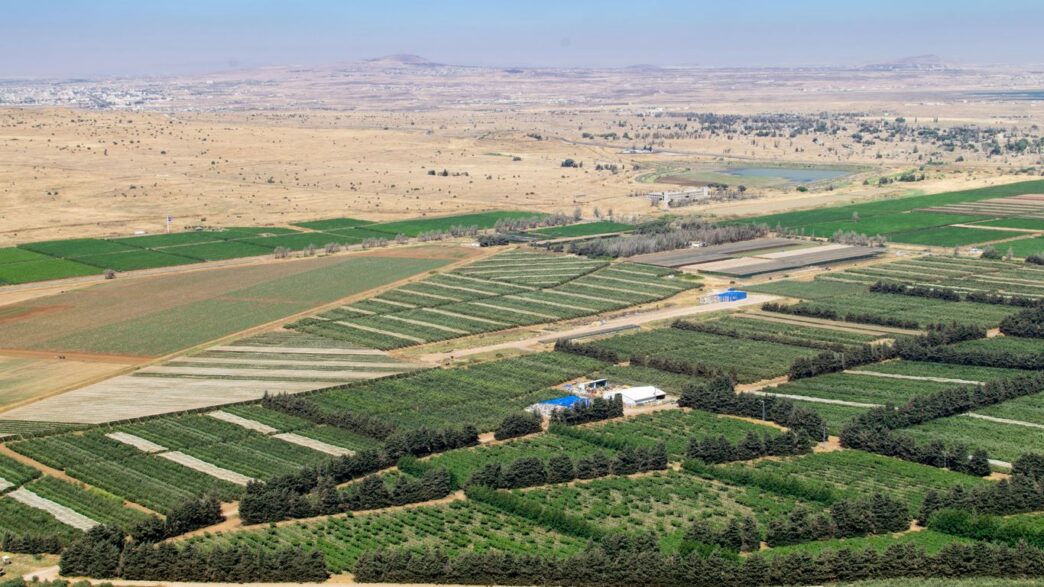
Israel’s agriculture technology is pretty amazing, honestly. Facing a tough climate and not much water, they’ve come up with some really smart ways to grow food. It’s not just about making more food, but doing it in a way that’s good for the planet. This focus on innovation means they’re not only feeding themselves but also showing the rest of the world how it can be done. Let’s look at some of the cool stuff they’re doing.
Key Takeaways
- Israel’s pioneering drip irrigation systems significantly boost crop yields while dramatically cutting water usage, a vital innovation for arid regions.
- The country leads the world in wastewater recycling for agriculture, treating and reusing about 90% of its wastewater, which is a huge win for sustainability.
- Through advanced biotechnology, Israel develops crops that need less water and fertilizer and can withstand tough soil conditions, expanding arable land.
- Precision agriculture, using drones, sensors, and AI, allows for real-time monitoring and optimized resource management, reducing waste and improving efficiency.
- Israeli agriculture technology isn’t just for them; it’s a global export, helping other nations facing similar challenges improve their food security and environmental practices.
Revolutionary Water Management in Israeli Agriculture
Water is a big deal, right? Especially when you live in a place like Israel, which isn’t exactly known for its abundant rainfall. For decades, this country has been wrestling with water scarcity, but instead of just accepting it, they’ve turned it into a chance to get really, really smart about how they use every single drop. It’s pretty amazing, actually. They’ve basically figured out how to make arid land bloom, and a lot of that success comes down to how they manage water.
Drip Irrigation: A Cornerstone of Efficiency
This is probably the most famous innovation to come out of Israeli agriculture. Back in the 1960s, a guy named Simcha Blass saw how much water was being wasted with traditional methods. His idea? Deliver water right to the plant’s roots, slowly and steadily. This simple concept, drip irrigation, revolutionized farming. Instead of flooding fields and losing tons of water to evaporation, you’re giving each plant exactly what it needs, right where it needs it. It means way less water used – some reports say up to 60% less – and often, better crop yields too, sometimes by as much as 50%. It’s a win-win, especially when water is precious.
Wastewater Recycling for Sustainable Irrigation
Okay, so what happens to all the water that gets used? In Israel, a huge amount of it gets a second life. They’ve become world leaders in treating and recycling wastewater. We’re talking about nearly 90% of their wastewater being cleaned up and then used for irrigation. This isn’t just about saving fresh water sources; it’s about creating a closed loop system. It means they can keep farming without constantly depleting rivers or groundwater. Plus, it stops that treated water from ending up in places it shouldn’t, like sensitive natural habitats.
Smart Irrigation Networks and Remote Monitoring
Beyond the physical systems, Israel has also gotten super techy with water management. Think of it like a smart home, but for farms. They use sensors in the soil to check moisture levels, combine that with weather forecasts, and even use data from satellites and drones. All this information feeds into smart irrigation systems that can automatically adjust watering schedules. So, if it’s going to rain, the system might hold off. If a specific part of the field is drier, it gets a bit more water. It’s all about precision, cutting out any guesswork, and making sure not a drop is wasted. This kind of real-time monitoring and AI-driven control is becoming standard practice, helping farmers optimize everything from water to fertilizer use.
Advancements in Crop Science and Biotechnology
It’s pretty wild how much science is changing the game for crops these days. We’re not just talking about slightly better seeds; we’re talking about completely rethinking what plants can do and how they can survive in tough spots. Israel, for one, has been a major player here, pushing the boundaries of what’s possible.
Genetically Optimized Seeds for Arid Environments
Think about it: farming in dry places is hard. Really hard. But what if you could develop seeds that actually thrive in those conditions? That’s where genetic optimization comes in. Scientists are using tools like gene editing, which is kind of like a super-precise way to tweak a plant’s DNA. This means they can create varieties that need way less water, can handle salty soil, or are just tougher against heat. It’s about making crops work with the environment, not against it. This isn’t just about survival, either. These modified seeds can also be packed with more nutrients, making the food we eat healthier.
Cultivation in Challenging Soil Conditions
Beyond just drought, soil itself can be a problem. Sometimes it’s depleted, sometimes it’s too sandy, or maybe it’s full of salt. Traditional farming would just give up or use a ton of amendments. But now, researchers are figuring out how to grow crops in these less-than-ideal soils. This involves understanding the soil’s microbiome – all the tiny organisms living in it – and finding ways to improve its structure and fertility. It’s a bit like giving the soil a health boost so it can better support the plants. This approach helps make land that was previously unusable productive again.
Innovative Crop Protection Strategies
Dealing with pests and diseases has always been a headache for farmers. The old way was often just spraying chemicals, but that’s not great for the environment and pests can get used to it. So, the new approach is much smarter. It’s called Integrated Pest Management (IPM), and it’s all about using a mix of tactics. This can include introducing natural predators for pests, using traps, planting certain companion crops that deter pests, and only using targeted, less harmful chemicals as a last resort. It’s a more balanced way to keep crops safe without causing a whole lot of other problems. Plus, with genetic advancements, we’re seeing crops that are naturally more resistant to certain bugs or diseases, which cuts down on the need for any protection at all.
Precision Agriculture and Technological Integration
Drones and Sensors for Real-Time Monitoring
Farming isn’t just about getting your hands dirty anymore. These days, a lot of it involves looking at screens and analyzing data. Think about it: tiny sensors scattered across fields, constantly checking soil moisture, nutrient levels, and even how healthy the plants are looking. Then there are drones, buzzing overhead like little robotic eyes. They can map out fields, spot areas that need more water or fertilizer, and even detect early signs of pests or diseases before they become a big problem. This constant stream of information lets farmers make really smart, quick decisions. It’s like having a super-powered assistant that never sleeps, helping to make sure every plant gets exactly what it needs, right when it needs it. This kind of detailed oversight means less waste and healthier crops.
AI-Driven Analytics for Resource Optimization
So, you’ve got all this data coming in from sensors and drones. What do you do with it? That’s where Artificial Intelligence (AI) comes in. AI can sift through mountains of information way faster than any human could. It looks for patterns, predicts potential issues, and figures out the best way to use resources like water and fertilizer. For example, AI can analyze weather patterns, soil conditions, and crop growth stages to recommend the precise amount of water needed for a specific section of a field, not just the whole thing. This smart analysis helps farmers use less, save money, and be kinder to the environment. It’s all about working smarter, not harder, and making sure every drop of water and every bit of fertilizer counts.
Satellite Technology for Modern Farming
Looking even further up, satellites are playing a big role too. They provide a bird’s-eye view of entire farms, sometimes even regions. By analyzing satellite imagery, farmers can get a broad picture of crop health, identify large-scale issues like drought stress or nutrient deficiencies, and track changes over time. This big-picture perspective is super useful for planning and managing resources across vast areas. It helps in understanding how different parts of the farm are performing and where adjustments might be needed. It’s another layer of technology that adds to the overall intelligence of modern farming, helping to keep things running smoothly and efficiently.
Urban and Vertical Farming Innovations
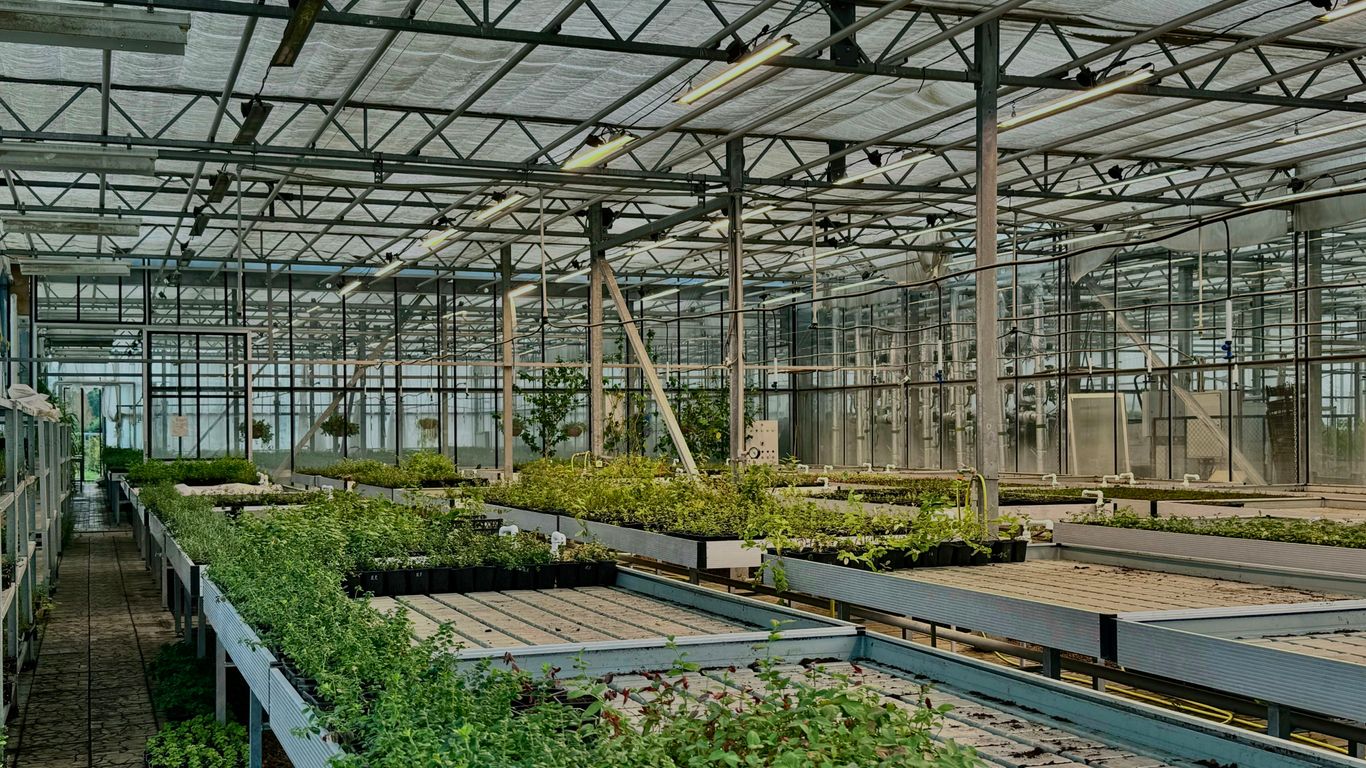
It’s pretty wild how much farming is changing, especially when you think about cities. We’re seeing more and more farms popping up right where people live, which makes a lot of sense when you consider how much land traditional farming takes up. Israel is really getting into this, figuring out ways to grow food without needing huge fields.
Bringing Agriculture to Urban Environments
So, imagine farms not just in the countryside, but stacked up inside buildings or even on rooftops. That’s the idea behind urban agriculture. It means fresher food for city dwellers, cutting down on how far it has to travel. Plus, it can help make cities greener and use up some of that unused space. It’s a way to connect people more directly with where their food comes from, which is pretty neat.
Reducing Land Use with High-Density Systems
This is where vertical farming really shines. Instead of spreading out, you go up. Think layers upon layers of crops, all grown indoors under controlled conditions. This method uses way less space – sometimes up to 80% less per area compared to traditional fields. It’s a smart way to grow a lot of food in a small footprint, which is a big deal when land is scarce and expensive, especially near cities. It also means you can grow things year-round, no matter the weather outside.
Here’s a quick look at how these systems stack up:
- Space Efficiency: Vertical farms can produce significantly more food per square meter than conventional farms.
- Resource Control: Indoor environments allow for precise management of water, light, and nutrients, reducing waste.
- Local Production: Food is grown close to consumers, cutting down on transportation emissions and spoilage.
- Year-Round Harvests: Consistent conditions mean crops can be grown and harvested regardless of the season.
Desert Agriculture and Environmental Stewardship
It might seem counterintuitive, but Israel, a country where over half its land is desert, has become a powerhouse in agriculture. This isn’t by accident; it’s the result of serious innovation and a deep respect for the environment. They’ve figured out how to make arid lands productive, which is pretty amazing when you think about it. This success story offers a vital blueprint for other regions facing similar dry conditions.
Afforestation Programs in Arid Regions
Planting trees in places like the Negev desert might sound like a small gesture, but it makes a big difference. These trees act as natural windbreaks, which helps stop soil erosion. They also create little pockets of better climate, making the area more hospitable for other plants. Plus, by improving the soil over time, these programs help push back against the desert’s spread. It’s a long game, but it’s about making the land healthier for the future.
Reclaiming Wastelands Through Desert Farming
Israel has gotten really good at turning land that was once considered useless into productive farms. This involves a lot of smart thinking about irrigation, like using treated wastewater, and finding ways to make the soil work better. They’re not just growing crops; they’re actively bringing life back to areas that were barren. This expansion of farmland in dry regions is key to boosting food supplies without needing more fertile land elsewhere.
Agroforestry for Enhanced Resilience
Agroforestry is a fancy term for mixing trees with crops. In Israel’s desert farming context, this means planting fruit trees alongside vegetables or grains. This approach does a few things. It increases the variety of what can be grown, which is good for biodiversity. The trees help keep the soil healthy by adding nutrients and protecting it from the elements. This makes the whole farming system tougher and better able to handle tough times, like droughts or unexpected weather shifts. It’s about creating a more balanced and robust agricultural ecosystem.
Economic Impact and Global Reach of Agri-Tech
It’s pretty wild how much Israel’s farming tech is changing things, not just at home but all over the world. You see, farming has gotten way more expensive lately. Think about it: fertilizer prices have shot up, and so have costs for things like pest control. Plus, the weather’s been all over the place, making it harder to get a good harvest. This is where Israeli agri-tech really shines, offering smart ways to farm more with less.
High-Value Agricultural Exports
Israel isn’t just exporting technology; they’re also sending out some seriously good produce. Things like avocados, dates, and those sweet cherry tomatoes you find in stores? They often come from Israel, and they’re known for being top-notch. A big part of that is how they package things – keeping them fresh and nutritious all the way from the farm to your plate. This cuts down on food waste, which is a huge win, and makes Israel a major player in the global food scene.
Exporting Israeli Agri-Tech Services
Beyond the produce, Israel is a powerhouse when it comes to selling its farming know-how. Companies are shipping out all sorts of tech, from fancy irrigation systems that use water super efficiently to advanced software that helps farmers make better decisions. These tools are being used in farms everywhere, helping other countries boost their own food production and become more sustainable. It’s like they’re sharing their secrets to success.
Strengthening Global Food Security
When you put it all together, what Israel’s agri-tech scene is doing has a big impact. By developing ways to grow more food in tough conditions, using resources wisely, and sharing these innovations, they’re helping to make sure there’s enough food for everyone. It’s a pretty important job, especially with the world’s population growing and climate change making farming trickier. They’re basically helping to build a more stable food future for us all.
Looking Ahead: Lessons from the Israeli Fields
So, what’s the big takeaway from all this? Israel’s approach to farming, especially in tough conditions, really shows what’s possible when smart ideas meet necessity. They’ve figured out how to grow a lot with very little, particularly when it comes to water. It’s not just about keeping their own people fed; it’s about showing the rest of the world, especially places that are dry or don’t have much water, that there are ways to make agriculture work. The technologies they’ve developed, from the tiny drips of water to using satellites to watch crops, are becoming super important everywhere. It’s a good reminder that even when things look difficult, like a desert landscape, innovation can lead to a greener, more secure future for everyone’s food.
Frequently Asked Questions
What makes Israel’s farming so special, even with little water?
Israel is a world leader in using smart ways to water crops. They invented drip irrigation, which sends water right to the plant’s roots, saving a lot of water. They also clean and reuse almost all their wastewater for farming. Plus, they use high-tech tools like sensors and computers to know exactly when and how much to water each plant.
How does Israel grow so many different types of food in dry areas?
Scientists in Israel create special seeds that don’t need much water and can fight off bugs and diseases. They’ve also figured out how to grow crops in tough soils, like sandy or salty ground. This means they can use land that wasn’t good for farming before.
What is ‘precision agriculture’ and how does Israel use it?
Precision agriculture means using technology to manage farms very carefully. Israel uses drones and sensors to check on crops and soil all the time. Computers then analyze this information to help farmers use just the right amount of water, fertilizer, and bug spray. This makes farming more efficient and better for the environment.
Are there farms inside cities in Israel?
Yes! Israel is a leader in ‘vertical farming’ and ‘urban farming.’ This means growing food in tall buildings or other city spaces using special systems. It helps bring fresh food closer to people in cities and uses much less land than traditional farms.
Does Israel farm in the desert?
Absolutely. Israel has programs to plant trees in desert areas to help stop the land from drying out and to make the weather better for farming. They also use special techniques to grow food on land that was once just desert, turning it into useful farmland.
Do other countries buy Israel’s farming technology?
Yes, they do! Israel sells a lot of its advanced farming technology and know-how to other countries, especially those that also have dry climates or need to farm more efficiently. This helps farmers around the world grow more food and use resources better.