Understanding The Kawasaki Robot Horse Concept
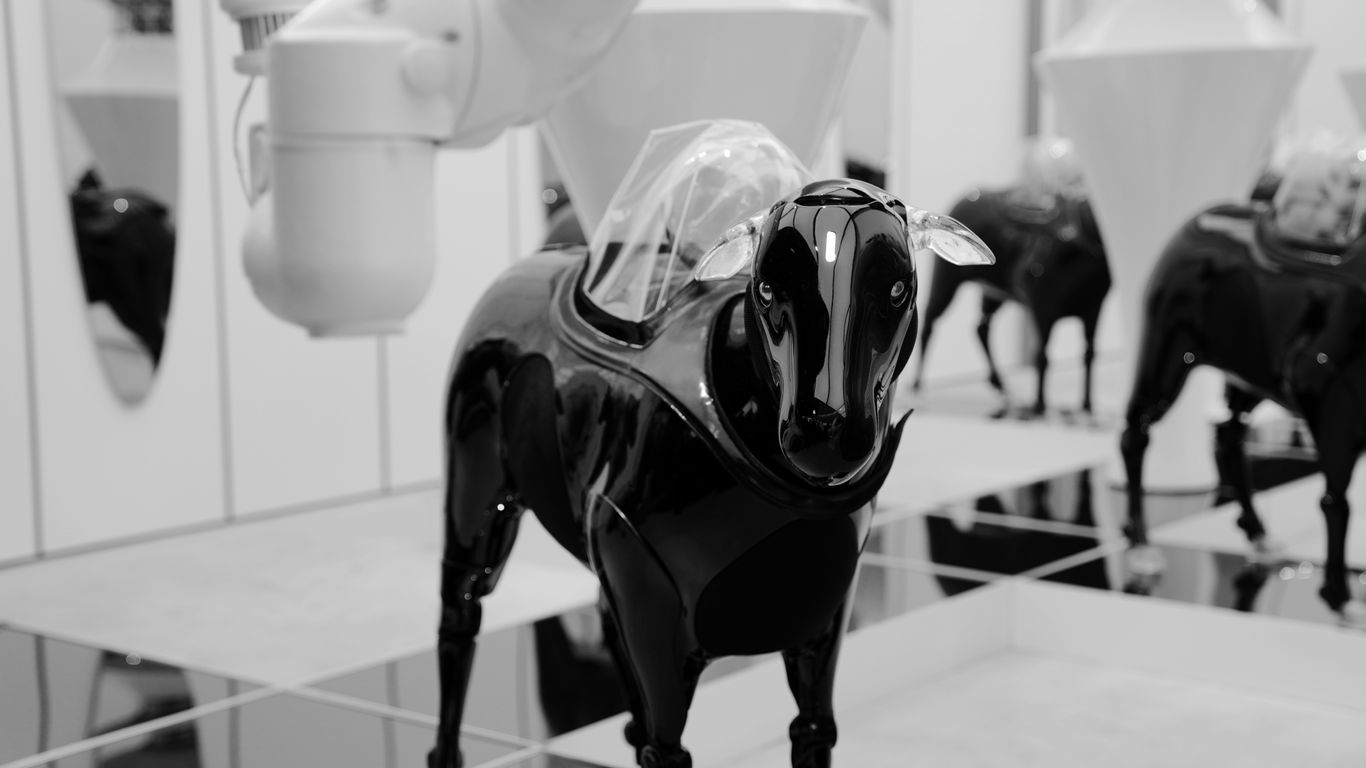
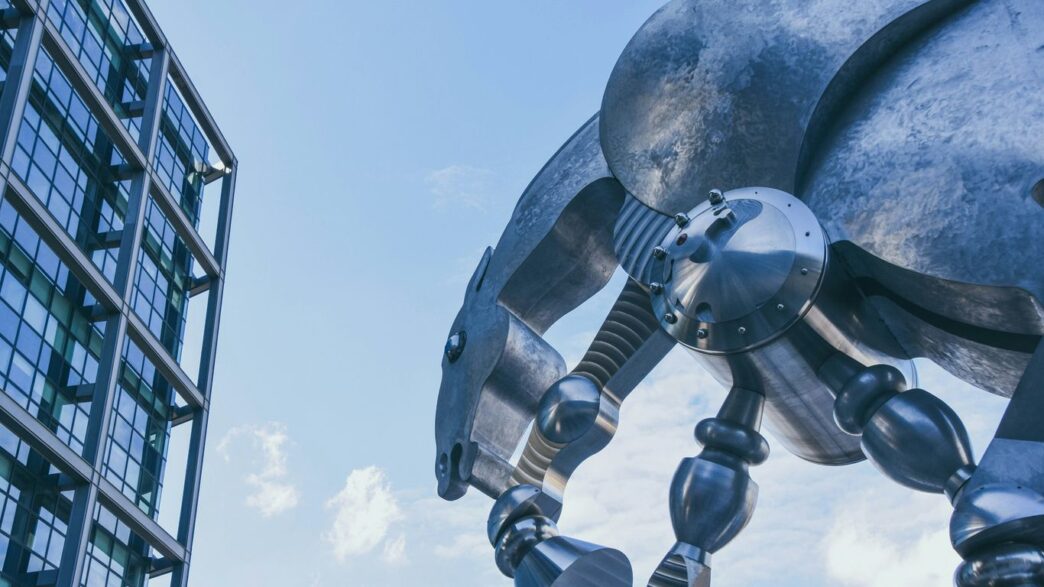
Kawasaki has been dreaming up some wild stuff lately, and their latest idea is a robot horse named CORLEO. It’s not just some random concept; they’re actually showing it off as a potential future for getting around, especially when the roads get a bit rough. Think of it as a blend of a motorcycle’s power and a horse’s ability to handle tricky ground.
Introducing CORLEO: Kawasaki’s Electric Equine
CORLEO is Kawasaki’s take on what a personal transport could look like down the road. It’s designed to be electric, powered by a hydrogen system, which is pretty neat for keeping things cleaner. They showed it off at the Expo 2025 Osaka, giving people a peek at this futuristic machine. It’s still very much in the early stages, so don’t expect to see one in your driveway tomorrow, but it’s a cool look at what they’re thinking about.
Technological Innovations in the Robot Horse
What makes CORLEO interesting are the bits and pieces that make it work. For starters, its "hooves" are made of rubber, which is a smart move for gripping different kinds of ground, whether it’s grass, rocks, or just uneven dirt. It also has these adjustable stirrups, kind of like on a real horse, to help you get on and off easily and stay balanced. Kawasaki is also talking about using AI and sensors to help it figure out where to go and how to move smoothly.
- Rubberized Hooves: Designed for better grip on varied terrain.
- Adjustable Stirrups: For easier mounting and a more stable ride.
- AI and Sensor Integration: To help with navigation and rider input.
Design Philosophy Behind CORLEO
Kawasaki seems to be aiming for something that feels natural to ride, almost like you’re actually on a horse. They want the controls to respond to how you shift your weight, similar to how you’d guide a real animal. The idea is to make it feel intuitive, not like you’re wrestling with a complicated machine. It’s all about creating a connection between the rider and the robot. They’re also thinking about comfort, with a saddle design that can adapt to different riders.
Kawasaki Robot Horse Price: A Future Projection
So, when can you actually get your hands on one of these futuristic robot horses? Well, if you’re already picturing yourself trotting through the countryside on CORLEO, you might need to adjust your expectations a bit. Kawasaki is pretty upfront that this is a concept, and a production version isn’t expected anytime soon. We’re talking about a timeline that stretches out to around 2050, or possibly even later. It’s a long way off, which means the price tag is also a big question mark right now.
Anticipated Release Timeline for CORLEO
Kawasaki has been pretty clear that CORLEO is still in the early stages of development. Think of it as a proof of concept, a way to show off what’s possible with their advanced robotics and hydrogen power. They showed it off at Expo 2025 Osaka, which gives you a hint about their forward-thinking approach. But don’t expect to see it at your local dealership next year. The company has indicated that a market-ready version is likely decades away, with 2050 being the earliest mentioned target. This gives them plenty of time to refine the technology, figure out manufacturing, and, presumably, determine a price.
Factors Influencing Future Kawasaki Robot Horse Price
Predicting the exact cost of something so far in the future is tricky, but we can look at a few things that will definitely play a role. For starters, the technology itself is pretty cutting-edge. We’re talking about hydrogen power systems, sophisticated AI for navigation, and complex robotic leg mechanisms. All of that advanced tech isn’t cheap to develop or produce. Then there’s the scale of production. If Kawasaki decides to make these in large numbers, the cost per unit might come down. But if it remains a niche product, expect the price to stay high. Also, think about the materials used – high-strength alloys, specialized rubber for the hooves, and advanced sensors all add to the bill. Finally, regulations and safety standards will also need to be met, which can add development and testing costs.
Comparing Potential Costs to Existing Mobility Solutions
It’s hard to compare CORLEO’s potential price to anything currently on the market because, well, there’s nothing quite like it. It’s not a car, it’s not a motorcycle, and it’s certainly not a traditional horse. However, we can look at other high-end, specialized vehicles. Think about luxury electric cars, advanced ATVs, or even some high-performance motorcycles. These can easily run into the tens of thousands, or even hundreds of thousands, of dollars. Given CORLEO’s unique capabilities and advanced tech, it’s likely to fall into a similar, if not higher, price bracket. It’s definitely not going to be an impulse buy for most people. It’s more likely to be a significant investment for enthusiasts or for specific commercial applications where its unique off-road capabilities are a major advantage.
Key Features Influencing Kawasaki Robot Horse Value
When you look at something like Kawasaki’s CORLEO robot horse, it’s easy to get caught up in the futuristic coolness of it all. But if you’re thinking about what makes this thing tick, and more importantly, what might make it worth something down the line, you’ve got to look at the tech packed inside. It’s not just about looking like a horse; it’s about what it can actually do.
Hydrogen-Powered Electric Systems
One of the big talking points for CORLEO is its power source. Instead of a gas engine, it’s running on a hydrogen generator. This 150cc unit charges up the electric systems that actually make the robot move. This is pretty neat for a few reasons. For starters, it’s a cleaner way to get power compared to traditional engines. Plus, hydrogen power is seen as a big deal for the future, so anything using it might be ahead of the curve. Think of it like an early electric car – the tech was new, but it pointed towards where things were going.
AI-Driven Navigation and Terrain Analysis
This robot horse isn’t just programmed to walk in a straight line. It’s got artificial intelligence (AI) that helps it figure out where it’s going and how to get there, especially over rough ground. It uses sensors and cameras to look at the terrain ahead. This means it can adapt to different surfaces, whether that’s grass, rocks, or even rubble. Kawasaki even mentioned a feature that projects markers onto the path ahead for nighttime travel, based on what the AI figures out about the ground. This smart navigation is a huge part of its potential value, making it capable of going places other vehicles can’t.
Advanced Rider Control and Comfort Features
Kawasaki seems to be aiming for a riding experience that feels somewhat natural, even though you’re on a machine. They’re looking at controls that respond to the rider’s body shifts, kind of like how you’d steer a real horse. The stirrups are adjustable, which is a practical touch for different rider sizes. And the saddle area is designed to be comfortable, maybe even adapting to the rider. These comfort and control features are important because, let’s face it, if it’s uncomfortable or hard to steer, nobody’s going to want to use it, no matter how advanced the AI is. It needs to feel good to ride.
The Vision For Kawasaki Robot Horse Mobility
Kawasaki isn’t just building a cool-looking robot; they’re thinking about how things like CORLEO could actually change how we get around, especially in places where regular vehicles just can’t go. It’s a pretty wild idea, but they seem serious about it.
Off-Road Adventures and Rugged Terrain Capability
Imagine this: you’re heading out for a weekend trip, maybe into some serious wilderness. Instead of a quad bike or a Jeep, you’ve got CORLEO. Its special rubber "hooves" are designed to grip all sorts of ground – think rocky trails, grassy hills, even loose gravel. This robot horse is built to handle tough spots that would leave a car or even a motorcycle stuck. It’s not just about getting from point A to point B; it’s about getting there comfortably and safely, no matter how rough the path.
The Role of CORLEO in Future Transportation
So, where does a robot horse fit into the bigger picture? Kawasaki sees it as a way to move people in areas that are hard to reach or where traditional roads aren’t practical. It could be used for exploration, for getting around remote communities, or even for specialized work in difficult environments. It’s a different take on personal transport, moving beyond just paved roads and highways. Think of it as a specialized tool for specific kinds of travel.
Kawasaki’s Commitment to Innovative Mobility
Kawasaki has a long history of making powerful machines, from motorcycles to industrial robots. With CORLEO, they’re showing they’re not afraid to dream big and push the limits of what’s possible. They’re investing in new ideas, like hydrogen power and advanced AI, to create mobility solutions that are not only functional but also forward-thinking. It’s clear they’re committed to exploring new frontiers in how we move, and CORLEO is a big part of that vision for the future.
Exploring The Kawasaki Robot Horse Price Point
Why a Definitive Price Isn’t Available Yet
So, you’re probably wondering, "How much is this futuristic robot horse going to cost me?" That’s a fair question, but right now, getting a solid number is pretty much impossible. Kawasaki is still deep in the concept phase with CORLEO. Think of it like this: they’re showing off a really cool idea, not a product ready to roll off the assembly line. They’ve mentioned a potential release date way out in 2050, or even later. That’s a long time for technology and manufacturing costs to change. Plus, this isn’t just a new car model; it’s a whole new category of personal transport. Developing something this complex, with advanced robotics and hydrogen power, involves a ton of research and development. All those unknowns mean a price tag is just speculation at this point.
Estimating the Kawasaki Robot Horse Price Range
Even though we can’t get an exact figure, we can try to guess. Given the cutting-edge tech involved – like the hydrogen power system, AI for navigation, and sophisticated leg mechanics – CORLEO is definitely not going to be cheap. We’re likely looking at a price point that rivals high-end luxury vehicles or even specialized industrial robots. Imagine the cost of developing the AI, the hydrogen fuel cell, and the complex joint systems for each leg. It’s a safe bet that the initial models, if they ever reach production, will be priced for early adopters and specialized markets, not the average consumer. We could be talking hundreds of thousands of dollars, maybe even more, especially in the early years.
The Value Proposition of Advanced Robotic Transport
Okay, so it’s going to be expensive. But what are you actually getting for all that money? The value isn’t just in the novelty; it’s in the capability. CORLEO is designed for terrain that regular vehicles can’t handle. Think rugged trails, uneven ground, or even disaster areas where wheeled transport is useless. The AI-driven navigation means it can find its way through difficult landscapes, and the hydrogen power offers a cleaner alternative to traditional engines. For specific uses – like exploration, remote work, or even search and rescue – this kind of mobility could be incredibly useful. It’s about opening up new possibilities for where and how we can travel, offering a unique blend of power, intelligence, and off-road prowess that simply doesn’t exist today.
So, When Can You Actually Buy a Robot Horse?
Alright, so we’ve talked about the cool factor and the tech behind Kawasaki’s robot horse, the CORLEO. It’s definitely a glimpse into a wild future, but let’s get real: you can’t just pop down to the dealership and pick one up. Kawasaki is saying this is a concept for way down the road, maybe around 2050, or even later. So, if you were hoping to trade in your car for a hydrogen-powered robo-steed next year, you’re out of luck. For now, it’s just a really neat idea, a look at what might be possible with advanced robotics and clean energy. We’ll just have to wait and see if this futuristic horse actually makes it out of the concept phase and into our driveways – or, you know, pastures.