
Looking back at 2018, the world of health technology assessment was buzzing with activity. It’s like everyone was trying to figure out the best way to check if new medical stuff really works and is worth the money. This review looks at what was happening globally, where the research was coming from, and what ideas were driving these assessments. We also check out how hospitals were doing their own evaluations and how the whole field has been growing over time. Plus, we’ll see which journals were publishing the most important findings about health technology assessment 2018.
Key Takeaways
- Global collaboration and sharing best practices were big themes in health technology assessment in 2018, with groups working together to improve how new health tech is evaluated.
- HTA frameworks were changing, especially with the rise of digital health tools like apps and AI, meaning assessments had to get broader than just looking at clinical and economic impacts.
- Italy was a major player in health technology assessment research back in 2018, producing a lot of the studies, with Canada and the US also contributing significantly.
- When it comes to the ideas behind HTA, budgeting was a common focus, but ‘quality’ and ‘decision-making’ were also really important. Hospital-specific assessments were also a growing area.
- Interest in health technology assessment research has been growing steadily, with a noticeable jump in publications around 2021, possibly linked to the pandemic. The ‘International Journal of Technology Assessment in Health Care’ was a top spot for sharing these findings.
Global Trends in Health Technology Assessment 2018
International Collaboration and Best Practices
In 2018, the world of Health Technology Assessment (HTA) was really buzzing with collaboration. Countries were getting together more than ever to share what they knew about assessing new health tech. Think of groups like EUnetHTA and INAHTA – they were busy sharing data and figuring out the best ways to do things. This teamwork is super important because it helps everyone make smarter decisions about which new treatments and technologies to adopt. It’s all about learning from each other to make healthcare better globally.
Evolution of HTA Frameworks
HTA frameworks themselves were changing a lot around 2018. Initially, most assessments focused pretty narrowly on whether a technology worked well and if it was worth the money. But things were starting to shift. With new digital health tools popping up everywhere – like apps that help manage conditions or AI that can spot diseases – HTA had to get more creative. It wasn’t enough to just look at clinical results and costs anymore. The goal became a more complete picture, considering all sorts of impacts.
Here’s a look at how the focus broadened:
- Clinical Effectiveness: Does it actually help patients?
- Economic Efficiency: Is it a good use of limited healthcare funds?
- Social and Ethical Impacts: How does it affect people’s lives and fairness?
- Implementation Challenges: Can we actually use this in a real hospital or clinic?
Impact of Digital Health Innovations
Digital health was a huge topic in 2018, and it really shook up HTA. Technologies like digital therapeutics, complex platforms, and AI-driven tools brought new questions. These innovations often work differently than traditional medicines or devices, meaning old assessment methods just didn’t cut it. HTA bodies had to figure out how to evaluate these new digital tools, which often involve software, data, and new ways of delivering care. This pushed the field to adapt and develop new ways of thinking about what ‘health technology’ even means.
Geographical Distribution of Health Technology Assessment Research
When you look at where all the health technology assessment (HTA) research is coming from, a few places really stand out. It’s not exactly spread out evenly across the globe, which is something to think about.
Dominance of Italian Research Output
Italy has been putting out a lot of HTA research. Seriously, a big chunk of the studies we looked at came from Italian researchers. This might have something to do with how their healthcare system is set up, relying on taxes and having specific rules for bringing new technologies into play. They seem to have a pretty organized way of evaluating things before they get widely used, maybe because resources are always a concern.
Contributions from Canada and the United States
Canada and the United States are also contributing, but not quite as much as Italy in our review. Canada has a decent number of publications, and the US has some too. It’s interesting to see the differences. Maybe in countries like the US, the focus is a bit different, or perhaps the way research is funded or prioritized leads to fewer publications in this specific area compared to Italy. It’s not a bad thing, just a different approach.
Implications for Global Collaboration
This uneven distribution really makes you wonder about global collaboration. If most of the research is coming from just a few countries, are we missing out on perspectives from elsewhere? It could mean that we need to find ways to encourage more research in other regions. Understanding these geographical differences is key to figuring out how we can all work together better and share knowledge more widely in HTA. It might also help us identify gaps in research and make sure we’re looking at HTA from all sorts of angles, not just a few.
Here’s a quick look at the numbers from our review:
| Country | Number of Publications |
|---|---|
| Italy | 14 |
| Canada | 6 |
| United States | 3 |
| Other Countries | Varies |
Theoretical Underpinnings of Health Technology Assessment
When we talk about Health Technology Assessment (HTA), it’s not just about crunching numbers or looking at clinical trial results. There’s a whole layer of thinking, of theories, that guides how we approach these evaluations. It’s about understanding the ‘why’ and ‘how’ behind making decisions about new health tools and treatments.
The Role of Budgeting in HTA
It might seem obvious, but a lot of HTA work really circles back to budgeting. When a new drug or a fancy piece of equipment comes along, the first big question is often, ‘Can we afford this?’ This isn’t just about the sticker price, though. It involves looking at the whole picture: how much it costs to buy, to use, to maintain, and what the long-term financial impact will be on the healthcare system. Research in this area often digs into how to best allocate limited funds to get the most bang for our buck, health-wise. It’s a constant balancing act, trying to figure out where our money makes the biggest difference for patients and the system overall.
Focus on Decision-Making and Quality
Beyond just the money, HTA is deeply concerned with how decisions are actually made and how we ensure the quality of care. Think about it: who decides if a new technology gets used? What information do they need? HTA frameworks try to make this process clearer and more evidence-based. They aim to provide decision-makers, whether they’re hospital administrators or national health bodies, with the solid information they need to choose technologies that are not only effective but also safe and improve patient outcomes. This often involves looking at:
- Clinical Effectiveness: Does it actually work as intended?
- Safety: Are there any significant risks?
- Patient Experience: How does it affect the patient’s life?
- Organizational Impact: How will it fit into existing workflows?
Emerging Theoretical Frameworks
The world of health technology isn’t standing still, and neither are the theories behind HTA. We’re seeing new ideas pop up that try to capture the complexities of modern healthcare. For instance, there’s a growing interest in:
- Value-Based Care: This shifts the focus from just doing things to achieving specific health outcomes for the money spent. It’s about the overall value a technology brings.
- Collaborative Governance: Recognizing that decisions aren’t made in a vacuum, this theory looks at how different groups – patients, doctors, policymakers, industry – can work together to make better choices.
- Digital Transformation: With the rise of apps, AI, and telehealth, new theoretical lenses are needed to assess these often rapidly changing digital tools. How do we evaluate something that might be updated weekly?
These newer frameworks are trying to make HTA more adaptable and relevant in a healthcare landscape that’s always evolving.
Hospital-Based Health Technology Assessment
Tailored Evaluations for Hospital Settings
When we talk about health technology assessment (HTA), it’s not always about national policies or big picture stuff. Sometimes, the real action happens right inside the hospital walls. This is what we call Hospital-Based HTA, or HB-HTA. It’s all about looking at new medical tools, treatments, or even software and figuring out if they actually make sense for a specific hospital. Think about it: a cutting-edge surgical robot might be amazing, but does it fit the budget, the staff’s skills, and the patient population of St. Jude’s Hospital? HB-HTA tries to answer that. The main goal is to make smart choices about what technologies to bring in, so they actually help patients and don’t just drain the hospital’s resources. Early work in this area, like studies from Palozzi and colleagues, really pushed for evaluations that consider the unique needs of each hospital – its clinical setup, its finances, how it’s organized, and even ethical questions. It’s about getting specific, not just general.
Decentralized Approaches and Stakeholder Involvement
Instead of a top-down decision, HB-HTA often works better when it’s more spread out and involves the people who will actually use the technology. Lafortune and others have talked about this, suggesting that HTA should be more decentralized, lining up with what doctors and nurses actually need and what hospital managers are trying to achieve. This means getting everyone involved – patients, doctors, nurses, administrators, maybe even IT folks. It’s like planning a big event; you need input from all the different teams to make sure it runs smoothly. This collaborative way of looking at new tech helps make sure that the evaluations are thorough and that the final decisions are well-supported by the people on the ground. It’s about building a consensus and making sure the technology fits the hospital’s workflow, not the other way around.
Balancing Innovation and Resource Allocation
This is where HB-HTA really earns its keep. Hospitals are constantly faced with the challenge of wanting to offer the latest and greatest medical advancements while also keeping a close eye on their budget. It’s a tricky balance. HB-HTA helps by providing a structured way to look at both sides. On one hand, it identifies innovative technologies that could genuinely improve patient care and outcomes. On the other hand, it rigorously assesses the costs, potential risks, and the overall value proposition. This means hospitals can make informed decisions, investing in technologies that offer the best return, not just in terms of money saved, but more importantly, in terms of better health for their patients. It’s about making sure that the pursuit of innovation doesn’t lead to financial strain or inefficient use of limited resources. The process often involves:
- Identifying potential new technologies.
- Gathering evidence on clinical effectiveness and safety.
- Analyzing the economic impact, including costs and potential savings.
- Considering organizational and ethical implications.
- Making a recommendation for adoption, modification, or rejection.
Temporal Dynamics of Health Technology Assessment Publications
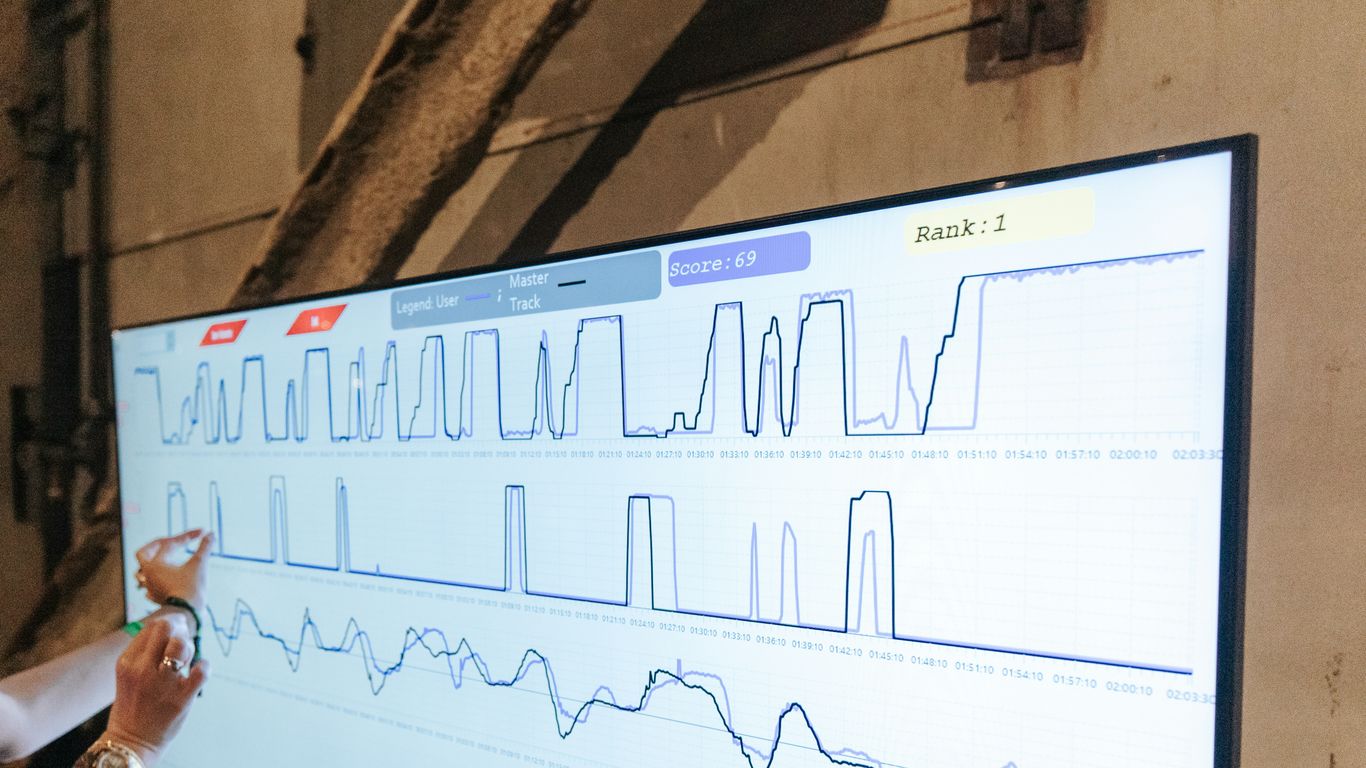
Looking at when research on Health Technology Assessment (HTA) was published gives us a good idea of how the field has grown. It wasn’t always a hot topic, but interest has definitely picked up over the years. We can see a general upward trend in the number of studies appearing, especially after 2012. There was a bit of a plateau for a few years, say from 2014 to 2020, but then things really started to pick up again around 2021 and have continued since.
Growing Interest in HTA Research
The early days of HTA research show a steady, albeit slow, build-up. The earliest foundational work we looked at dates back to 2001. A study by Herbert back then, titled “Telehealth Success: Evaluation Framework Development,” was pretty ahead of its time. It pointed out that HTA wasn’t just about checking out new gadgets; it needed to look at how things performed, what the results were, and how they fit into daily operations. This early work really pushed for a broader view of HTA, including things like cost-effectiveness studies and considering both the physical tools and the knowledge behind them.
Resurgence of Interest Post-2020
More recently, there’s been a noticeable surge in HTA publications. A significant chunk of the research we reviewed, about 42%, came out between 2020 and 2023. This spike likely has a lot to do with the global pandemic. Suddenly, healthcare systems worldwide had to rapidly adopt new technologies, and HTA became even more important to figure out what worked best and how to pay for it.
Foundational Studies in HTA
Some key papers have really shaped how we think about HTA. These early studies laid the groundwork by defining what HTA should encompass. They highlighted the need to look beyond just the technical aspects of a health technology. Instead, they argued for a more holistic approach that includes:
- Assessing the economic impact, like cost-benefit and cost-effectiveness.
- Evaluating the practical outcomes and performance metrics.
- Considering the operational aspects and how the technology fits into existing systems.
These foundational pieces helped establish HTA as a vital framework for making informed decisions in healthcare.
Key Journals in Health Technology Assessment
When you’re looking into Health Technology Assessment (HTA), knowing where to find the latest research is pretty important. It’s not just about one or two places; there’s a whole ecosystem of journals that cover this stuff. But, if we’re talking about the big players, one journal really stands out from the 2018 review and continues to be a go-to.
Prominence of the International Journal of Technology Assessment in Health Care
This journal seems to be a major hub for HTA discussions. Based on the 2018 data, it published the most articles related to HTA performance management, which is a pretty significant chunk. It’s clear that this journal is a primary source for researchers and practitioners in the field.
Other Significant Publications
While the International Journal of Technology Assessment in Health Care takes the lead, it’s not the only game in town. Several other journals also contribute a good amount of research. Looking at the landscape, you’ll find solid work in:
- BMC Health Services Research
- Health Policy
- Sustainability (yes, even sustainability journals are getting into HTA!)
- Technology and Health Care
- Value in Health
These journals, along with many others, show that HTA is a topic that spans across different academic disciplines. It’s not confined to just one corner of the research world.
Dissemination of HTA Research
The variety of journals publishing HTA research highlights how widely this field is being explored. It means that findings and new ideas are getting out there through different channels. This broad dissemination helps to spread knowledge and encourage more collaboration. It’s a good sign for the growth and impact of HTA globally. The fact that so many different publications are involved means more people are likely to see and use the information generated.
Wrapping Up: What We Learned
So, looking back at 2018 and the years around it, it’s clear that health technology assessment is a really active area. We’ve seen a lot more research popping up, especially in the last few years, which makes sense given how fast things are changing in healthcare. It’s not just about whether a new drug or device works and how much it costs anymore. We’re seeing a bigger push to consider other things, like how technology affects people and the environment. Plus, it’s interesting how much research is coming out of places like Italy, Canada, and the US, showing that different countries are tackling these issues in their own ways. It seems like everyone’s trying to figure out the best way to evaluate new health tools so we can make smart choices for patients and the healthcare system as a whole.