So, I went to the Internet of Things World 2019 event, and honestly, it was a lot. It’s easy to get lost in all the tech talk, but I tried to pull out the main points that actually matter. It seems like IoT is still a bit of a work in progress, but it’s definitely solving some real issues out there. Plus, the way things are set up now needs some tweaking to keep up. Here’s what I gathered from the whole experience.
Key Takeaways
- IoT is still finding its footing, with more potential than current widespread use, but it’s already tackling actual problems.
- The way we build and think about IoT systems needs to change and become more standard.
- Starting small with clear goals is the best way to get IoT projects off the ground and see results.
- New network tech is helping IoT, but the ‘edge’ of the network is still a blurry concept.
- Partnerships are super important for making IoT work on a larger scale.
Key Takeaways From The Internet Of Things World 2019
It feels like we’ve been hearing about the Internet of Things (IoT) for ages, right? This year’s conference really hammered home that while there’s still a lot of buzz, IoT is definitely moving beyond just talk and actually solving real-world problems. It’s not quite the everyday reality for everyone yet, and honestly, it’s pretty complex to get right. But the progress is undeniable.
IoT: More Hype Than Reality, But Solving Real Problems
Let’s be real, setting up IoT systems isn’t exactly a walk in the park. It’s a big challenge, and that’s probably why it’s not everywhere just yet. However, the conference showed off some seriously cool examples of how IoT is already making a difference in specific industries. Think about using drone footage to check on power lines and predict plant growth, or using sensors and cameras in hospitals to keep a closer eye on patients, reducing falls and freeing up nurses. These aren’t just ideas; they’re working solutions that tackle actual issues.
The Need For Evolving Standard Architectures
One of the biggest hurdles is the lack of standard ways of doing things. Unlike other tech areas where standards develop over time through big organizations, IoT is different. Projects tend to start within specific companies or industries, each with its own way of operating. This means a universal architecture is slow to catch on. Networks are also a big part of this; it’s easier to get reliable performance within a controlled space like a factory. To really make IoT widespread and cheaper, we need faster networks and more common building blocks.
Starting IoT Projects With Simple, Defined Goals
So, how do you actually get started with IoT? The consensus from the conference was pretty clear: start small. Don’t try to boil the ocean. Pick a specific, well-defined problem, get it working, show the value, and then build from there. It’s like learning any new skill – you have to jump in and get your hands dirty. As one speaker put it, "There is no compression algorithm for experience." You just have to start to learn and build that experience. This approach helps manage risk and proves the worth of IoT before taking on bigger, more complex projects.
Transforming Industries With Internet Of Things Solutions
It’s easy to get caught up in the buzz around the Internet of Things, but the reality is that IoT is already making a big difference across many different fields. We saw a lot of examples at the conference that showed how this technology isn’t just a futuristic idea; it’s solving real problems right now.
Vertical Industry Problems Solved By IoT Today
Many IoT projects start because someone in a specific industry has a problem they need to fix. It’s not usually a top-down mandate; it’s more about people on the ground figuring out how to use these connected devices to make things better. Think about power lines, for instance. Companies are using drones to fly over them and take pictures of the trees and plants nearby. Then, they use machine learning to figure out what kind of plants are growing and how fast they’re likely to grow. This helps them plan maintenance trips more efficiently, so crews don’t waste time going to places where nothing needs to be done.
Improving Processes And Customer Experiences
Right now, a lot of what IoT is doing is about making existing processes smoother and more efficient. For example, in hospitals, keeping a close eye on patients who might be at risk can take up a lot of staff time and resources. Some hospitals are now using cameras and sensors that act like virtual bed rails. If a patient starts to move in a way that suggests they might fall, an alert goes out to nurses. This means staff can be used more effectively, and it helps reduce patient falls. These kinds of projects start small, prove their worth, and then lead to more ideas. It’s like learning to ride a bike; you start with training wheels, get the hang of it, and then you can go faster and further.
The Role Of AI And Machine Learning In IoT
Artificial intelligence (AI) and machine learning (ML) are really what make a lot of these IoT solutions smart. It’s not just about collecting data; it’s about making sense of it. The drone example I mentioned earlier? That’s ML analyzing images. The hospital patient monitoring? That’s AI looking at video feeds. These technologies help sort through the massive amounts of data that IoT devices generate, finding patterns and making predictions that humans might miss. This allows for quicker decisions and more accurate actions, which is a big deal when you’re talking about things like industrial maintenance or patient safety.
Connectivity And Infrastructure For The Internet Of Things
So, we’re talking about how all these smart devices actually talk to each other and get their work done. It’s not as simple as just plugging things in, that’s for sure. The conference made it clear that the way we connect things is still a big puzzle.
New Network Technologies Meeting IoT Demands
It feels like every other week there’s a new buzzword about network speeds. We heard a lot about 5G, and yeah, it’s fast. Really fast. Think speeds that could change how factories operate, making things happen in real-time. But it’s not just about speed. For a lot of IoT stuff, like tracking a shipping container or monitoring a smart meter, you need something different. You need networks that sip power and can reach pretty much anywhere. That’s where things like Narrowband IoT come in. They’re built for devices that need to send small bits of data over long periods without draining batteries. It’s all about picking the right tool for the job, whether it’s super-fast 5G or a low-power option.
- 5G: Great for high-bandwidth, low-latency applications like factory automation.
- Narrowband IoT (NB-IoT): Ideal for devices needing long battery life and wide coverage, sending small amounts of data.
- Other LPWANs: Technologies like LoRaWAN offer similar benefits for specific use cases.
The Ambiguity Of The Network Edge
This was a confusing one for a lot of us. What exactly is the ‘network edge’? Turns out, nobody has a single, perfect answer. Some folks think it’s wherever an application needs processing to happen away from a main data center. Others say it’s simply where the actual work gets done. And then there are those who believe the whole system should run at the edge. The reality is, it’s a bit of all of the above. Data processing for IoT can happen right on the device, at a local edge computing spot, or in a distant cloud. It really depends on what the application needs. If you need an answer right now, like detecting a problem on a train track, you’ll want that processing done close by. About 40% of IoT data is processed near where it’s created, and that’s only going to grow.
Private Networks And Edge Data Centers Driving In-Building IoT
Because the public networks can be a bit unpredictable, especially for critical operations, many businesses are looking at their own private networks. Think of a large factory or a hospital. They often need guaranteed performance and security. Setting up private networks, sometimes with their own small data centers right on-site (edge data centers), makes a lot of sense. This way, they can control the connectivity and process sensitive data locally without relying on external providers. It’s about having more control and making sure things work when and how they need to, especially for things happening inside a building.
| Network Type | Primary Use Case | Key Benefit |
|---|---|---|
| Public Mobile (5G) | High-speed data, broad consumer access | Wide availability, rapid deployment |
| Narrowband IoT | Asset tracking, smart meters, remote sensors | Low power consumption, long range |
| Private LTE/5G | Industrial automation, campus environments | Control, security, guaranteed performance |
| Wi-Fi | Local area networking, device-to-device | Cost-effective for short-range connectivity |
The Future Of Marketing In The Age Of IoT
Understanding Customer Data For New Experiences
So, the Internet of Things (IoT) is really starting to shake things up, and marketers are definitely going to feel it. It’s not just about connecting devices anymore; it’s about the sheer amount of data these connections generate. This data gives us a much clearer picture of what customers are actually doing, not just what they say they do. Think about it: a smart fridge knows when you’re out of milk, a connected car knows your commute habits, and a fitness tracker knows your activity levels. This granular, real-time information is gold for understanding customer behavior.
We can use this to create experiences that feel way more personal. Instead of sending out generic ads, imagine getting a discount on milk just as your smart fridge signals you’re running low. Or getting a notification about a new route-optimized car service because your car knows you’re stuck in traffic. It’s about being in the right place, with the right message, at the right time. This is a big shift from how we’ve done things, and it requires a whole new way of thinking about customer journeys. We need to start looking at how these connected devices fit into people’s daily lives and how we can add value there. For instance, research shows that IoT-based marketing can really boost how consumers feel about a brand’s commitment to sustainability [5144].
Operationalizing Marketing Data
Okay, so we’ve got all this data coming in from IoT devices. What do we do with it? That’s where operationalizing marketing data comes in. It’s not enough to just collect it; we need systems in place to actually use it effectively. This means having the right platforms to store, process, and analyze all this information. We’re talking about moving beyond simple customer databases to more sophisticated systems that can handle the volume and variety of IoT data.
Here’s a quick look at what needs to happen:
- Data Integration: Bringing together data from various IoT sources, as well as traditional marketing channels.
- Analysis and Insights: Using tools, possibly including AI and machine learning, to find patterns and understand customer needs.
- Actionable Triggers: Setting up automated responses based on the data. This could be anything from personalized offers to proactive customer service.
- Feedback Loops: Continuously refining strategies based on how customers respond to these data-driven actions.
It’s a complex process, but getting it right means marketing becomes much more efficient and effective. We’re moving from guesswork to data-backed decisions, which is a huge step forward. It’s about making sure the data doesn’t just sit there but actually drives marketing actions.
The Impact Of IoT And 5G On Marketing Roles
So, what does all this mean for us marketers? Well, it’s going to change our jobs, no doubt about it. Right now, a lot of IoT is focused on improving business processes and making things more efficient. But the future is all about customer experience. With the speed of 5G networks combined with the data from IoT, we’re going to see a massive wave of innovation. Marketers will need to work much more closely with IT departments and product teams than ever before. We need to understand the technology and how it generates data, and IT needs to understand our marketing goals. It’s a partnership that’s becoming absolutely necessary for companies to compete. The ability to interpret and act on this new stream of data will become a core marketing skill.
We’ll see new roles emerge, focusing on data analysis, customer experience design for connected environments, and managing the ethical implications of using so much personal data. It’s not just about creativity anymore; it’s about being analytical and tech-savvy. We have to get our houses in order, start thinking about how we manage customer data, and build the platforms that allow us to use it. It’s a big shift, but it’s also a really exciting time to be in marketing. We’re moving into an era where we can truly connect with customers on a deeper, more personalized level, thanks to the Internet of Things.
Building The Internet Of Things Ecosystem
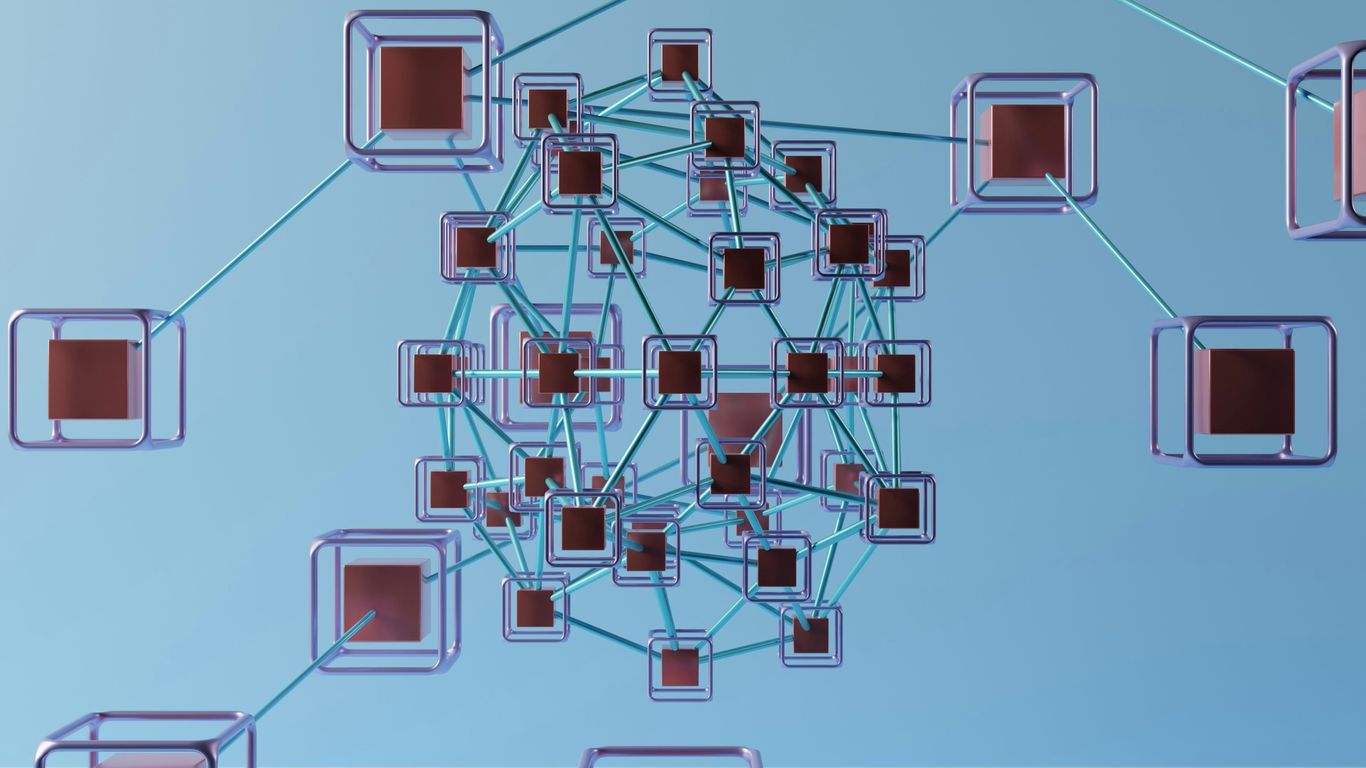
Getting the Internet of Things (IoT) to really work, especially on a large scale, isn’t just about having cool gadgets. It’s about making sure all the different pieces fit together. Think of it like building a city – you need roads, power, water, and buildings, all working in harmony. In the IoT world, this means partnerships are super important. No single company can do it all. You need device makers, software developers, network providers, and businesses that actually use the tech, all playing nice.
The Importance Of Partnerships In IoT
It’s pretty clear that for IoT to move beyond just a few clever projects, companies need to team up. This isn’t just a nice-to-have; it’s how you get things done. Different companies bring different skills to the table. One might be great at making sensors, another at analyzing the data, and another at providing the network to connect everything. When these groups work together, they can create solutions that are way more powerful than what any of them could build alone. It’s about sharing the load and the knowledge. This collaboration is key to making IoT solutions that can actually grow and be used by lots of people and businesses. We’re seeing companies progress towards more connected systems, which shows how important this teamwork is advancing IoT technology.
No Compression Algorithm For Experience
When you’re building an IoT system, you can’t just cut corners on how users interact with it. You can’t
Innovations In Healthcare Through IoT
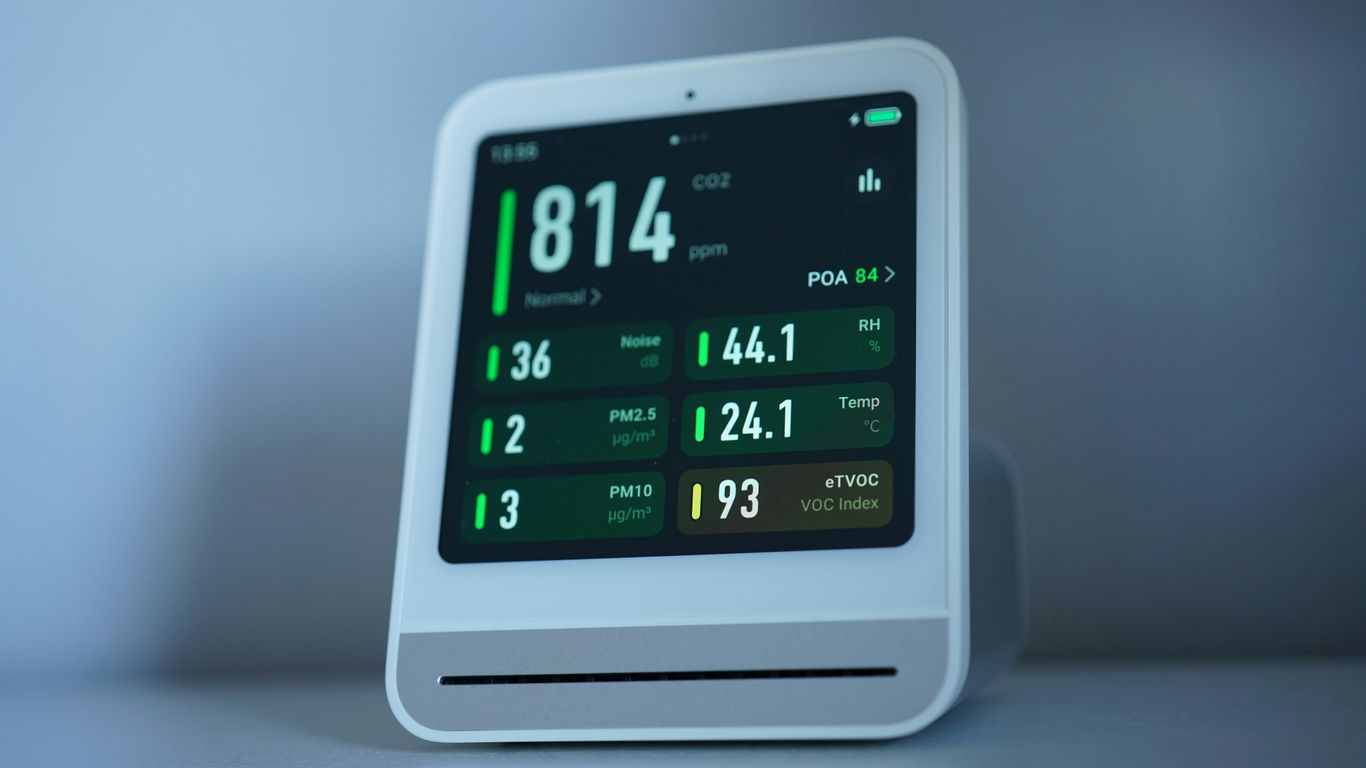
It feels like every industry is talking about IoT, and healthcare is no different. We’re seeing some really interesting stuff happening that’s moving beyond just the hype and actually making a difference for patients and doctors.
Real-Time Health Systems and Intelligent Networks
Think about hospitals. They’re under so much pressure to cut costs but still give great care. IoT is helping them do that. One example is using cameras and sensors to keep an eye on patients who might be at risk of falling. If a patient starts to move in a way that suggests they might fall, nurses get an alert. This means fewer falls and better use of staff time. This shift towards real-time monitoring is changing how hospitals operate. It’s about creating smarter networks that can react instantly to what’s happening with a patient, whether they’re in a hospital bed or even at home.
Improving Patient Safety and Caregiver Efficiency
Beyond just preventing falls, IoT is making healthcare safer and more efficient in other ways. Imagine medical equipment that can tell you when it needs maintenance before it breaks down. Or systems that track where vital equipment is, so staff don’t waste time searching for it. This frees up caregivers to spend more time with patients, which is what really matters. It’s about using technology to handle the routine stuff so people can focus on the human side of care.
Personalization in Healthcare with AIoT
When you combine Artificial Intelligence (AI) with IoT – what some call AIoT – things get even more interesting. This allows for healthcare that’s tailored specifically to you. Your wearable device might track your health metrics, and AI can analyze that data to give you personalized advice or alert your doctor to potential issues. It’s moving healthcare from a one-size-fits-all approach to something much more individual. This means better health outcomes because the care is designed around your unique needs and lifestyle.
Wrapping Things Up
So, after checking out all the talks and booths at IoT World 2019, it’s clear the Internet of Things is still a work in progress. It’s not quite the magic bullet some might think, and getting things to actually work smoothly is a real challenge. But, that doesn’t mean it’s not already making a difference. We saw plenty of examples where IoT is solving actual problems in different industries, making things more efficient and sometimes even safer. It seems like the best approach is to start small, tackle a specific issue, and build from there. As for the future, especially for marketers, it looks like IoT and new network tech like 5G are going to change how we connect with customers. It’s going to be less about just improving current processes and more about creating entirely new experiences. So, yeah, it’s complicated, but it’s also pretty exciting to see where it’s all headed.
Frequently Asked Questions
What is the Internet of Things (IoT)?
The Internet of Things, or IoT, is like a big invisible web that connects everyday things to the internet. Think of your smart watch, your fridge that can tell you when you’re out of milk, or even cars. These devices have tiny computers and sensors that let them talk to each other and send information over the internet. It’s all about making our physical world smarter and more connected to the digital world.
Is IoT still mostly just talk, or is it actually helping people?
While there’s a lot of buzz around IoT, it’s definitely doing more than just talking! Companies are using it to solve real problems right now. For example, some hospitals use special cameras and sensors to watch over patients who might wander off, alerting nurses if they get too close to danger. This helps keep patients safe and makes the hospital staff’s jobs easier.
Why is it so hard to create a standard way for all IoT devices to work together?
It’s tricky because different businesses and industries have their own special needs. Imagine a factory needing different things than a hospital. They often create their own ways of doing things, which makes it hard for everyone to agree on one single plan. Plus, making sure the internet connections are super reliable for all these devices is a big puzzle.
How does AI help make IoT better?
AI, which stands for Artificial Intelligence, is like a super-smart brain for IoT devices. It helps them learn from the huge amounts of information they collect. For instance, AI can look at pictures from drones flying over power lines and figure out which trees are growing too close, so workers know exactly where to go to fix things. This makes jobs faster and smarter.
What does ‘the network edge’ mean for IoT?
The ‘network edge’ is a bit like the border between your devices and the main internet. Sometimes, it’s better to process information closer to where it’s collected, instead of sending it all the way to a big data center. Think of it like having a small helper right next to the device to do some quick thinking before sending data further. This makes things faster and more efficient.
Why are partnerships important for IoT to grow?
Making IoT work well is a huge job, and no single company can do it all. It’s like building a giant puzzle! Different companies have different skills – some are good at making the devices, others at the internet connections, and others at understanding the data. By working together, they can combine their strengths to create amazing new IoT solutions that benefit everyone.