Looking back at 2018, it’s clear the world of the internet of things was buzzing. We saw a lot of changes and new ideas pop up, really shifting how we think about connected devices. From making sure our gadgets are safe to using all that data in smarter ways, 2018 was a big year for IoT. Let’s check out some of the main internet of things articles from 2018 and see what stood out.
Key Takeaways
- Hardware security became a much bigger deal in 2018, especially after major chip vulnerabilities were found. It made people rethink how to protect devices at the most basic level.
- Edge analytics, where data is processed closer to where it’s collected, started to gain serious traction. This helps make faster decisions and saves on sending tons of data back and forth.
- The line between traditional IT and operational technology (OT) began to blur. Successful IoT projects needed these two groups to work together more closely than before.
- While pilot projects continued, the focus in 2018 really started to shift towards showing real business value and return on investment for IoT deployments.
- We saw a lot of discussion about how connected devices are impacting everyday life, from healthcare to transportation, and how this growth also expands the potential for security issues.
The Evolving Landscape Of Internet Of Things Articles 2018
Wow, 2018 was a pretty big year for the Internet of Things, wasn’t it? It felt like every other article was talking about how connected devices were going to change everything. Looking back, it’s clear that the conversation really started shifting from just if we should use IoT to how we could get real value from it. We saw a lot of talk about moving past those initial pilot projects that never really went anywhere. Companies were starting to demand a clear return on investment, which makes total sense. Nobody wants to pour money into something without seeing a benefit, right?
Hardware Security Takes Center Stage
Security was, and still is, a massive topic. In 2018, it felt like we were really starting to grapple with the fact that all these connected devices, from your smart fridge to factory equipment, are potential entry points for bad actors. It wasn’t just about protecting data anymore; it was about the physical security implications too. Traditional security companies were scrambling to catch up, while new players were popping up with specialized solutions. The idea that IoT security breaches were still a distant threat was fading fast, replaced by a growing awareness that they were happening right then. It was a wake-up call, pushing for more robust security measures across the board.
The Rise of Edge Analytics and Intelligence
This was a big one. Instead of sending all the data from IoT devices back to a central cloud for processing, the focus shifted to doing more analysis right at the source – at the ‘edge’. Think about it: processing data locally means faster responses and less strain on networks. This was especially important for industrial applications where split-second decisions matter. We started seeing more articles discussing how edge computing could make IoT systems more efficient and responsive, moving beyond just collecting data to actually using it intelligently where it’s generated. It’s about making devices smarter on their own.
Bridging the Gap Between IT and OT
For years, Information Technology (IT) and Operational Technology (OT) were pretty separate worlds. IT handled the computers and networks, while OT managed the physical systems in factories and infrastructure. But with IoT, these worlds started colliding. Suddenly, the same networks were carrying data from both office computers and industrial machines. This meant IT and OT teams had to start talking to each other and working together. Articles in 2018 really highlighted this convergence, discussing the challenges and benefits of integrating these two domains. It was about creating a unified approach to managing and securing these increasingly connected environments, and understanding the unique challenges like data privacy in smart buildings [ccf7].
Here’s a quick look at the shift:
- From Pilots to Value: Focus moved from testing ideas to proving business benefits.
- Edge Computing: Processing data closer to the source for speed and efficiency.
- IT/OT Convergence: Breaking down silos between traditional IT and industrial control systems.
- Security Focus: Increased attention on securing devices and data at all levels.
Key Internet Of Things Trends Shaping 2018
2018 was a big year for the Internet of Things (IoT), moving beyond just talk and into real-world applications. We saw a definite shift from just playing around with pilot projects to actually seeing some solid business value come out of these connected devices. It felt like companies were finally figuring out how to make IoT work for them, not just as a tech experiment, but as something that could actually improve their bottom line.
From Pilot Projects to Business Value
Remember all those proof-of-concept projects from the year before? Well, in 2018, the focus really sharpened on making sure those ideas actually paid off. Businesses started demanding to see a clear return on investment before jumping into new IoT initiatives. It wasn’t enough to just collect data anymore; the question became, ‘What are we doing with it, and how does it help us?’ This push for tangible results meant that projects with a clear business case and a path to profitability moved to the front of the line. Companies that had maybe gotten burned by the ‘big data hype’ in the past were being much more careful, looking for definite ROI. As edge technologies started showing their worth, adoption rates picked up because people could see the practical benefits.
Consumer IoT Surpasses Industrial IoT
While industrial IoT (IIoT) continued to grow, 2018 was the year consumer-focused IoT really took off, becoming much bigger than its industrial counterpart. Think about how many smart devices started showing up in our homes – speakers, thermostats, even refrigerators. This trend wasn’t just about convenience; it was about how these devices could change our daily lives. For example, imagine a diabetic person using a glucose monitor that talks to their phone, sending data to their doctor, and logging it all online. It’s a much more personal and integrated way to manage health. While industrial applications were still important, the sheer volume and impact of connected devices in people’s everyday lives really defined this period.
Smart Factories and Industrial Transformation
On the industrial side, 2018 was a turning point for factories. We started seeing them transform into what you could call ‘software-defined factories.’ This meant that equipment like conveyor belts, air compressors, and cutting machines weren’t just standalone pieces of hardware anymore; they were smart, connected, and part of a larger system. IoT technologies enabled more automation and better coordination of operations, almost like software development practices being applied to the factory floor. Being able to monitor and manage factories from anywhere, with data insights coming in from all locations, became increasingly common. This global view helped businesses make smarter decisions across their entire operations.
Security Concerns In The Internet Of Things
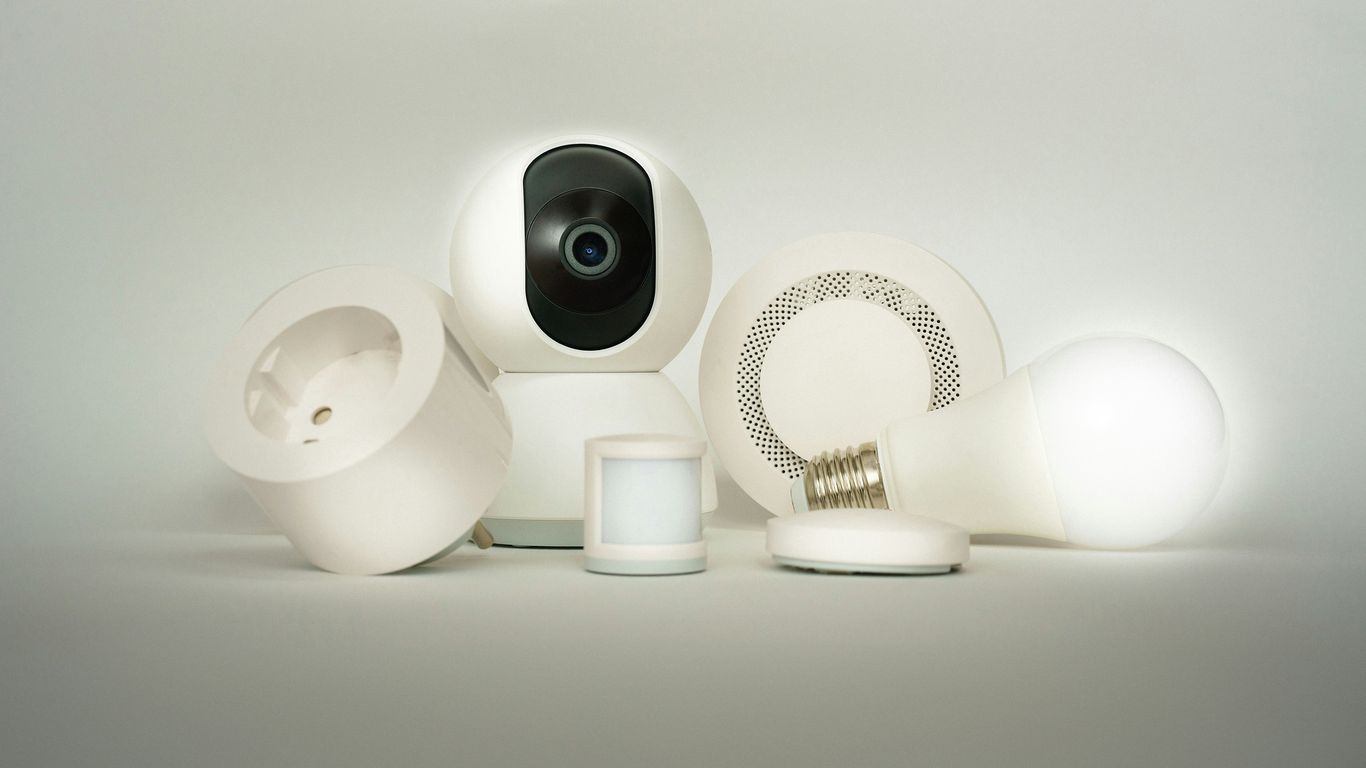
When we talk about the Internet of Things (IoT), it’s easy to get excited about all the cool new gadgets and how they can make our lives easier. But let’s be real, there’s a flip side to all this connectivity. Security is a big one, and it’s something we really need to pay attention to. Think about it: these devices are collecting all sorts of information, and if they fall into the wrong hands, that data could be used for some pretty bad stuff. The sheer volume of connected devices means the potential attack surface is massive and constantly growing.
Addressing IoT Security Challenges
So, what’s being done about it? Well, it’s not a simple fix. For a while, it felt like companies were just waiting to see what happened, kind of a ‘wait and watch’ approach. This is partly because traditional security companies are still figuring out how to adapt their existing tools for IoT, and new companies are popping up with solutions that only cover a small piece of the puzzle. It’s like trying to build a fortress with just one type of brick.
Here are some of the main hurdles we’re seeing:
- Patching and Updates: Many IoT devices aren’t designed for easy updates, leaving them vulnerable to known exploits for a long time.
- Weak Authentication: Default passwords or easily guessable credentials are still a common problem, making it simple for attackers to gain access.
- Data Privacy: Devices often collect more data than they need, and it’s not always clear how that data is stored, transmitted, or protected.
- Lack of Standardization: With so many different types of devices and manufacturers, creating universal security standards is a huge challenge.
Financial Motivation Behind IoT Attacks
Why are hackers so interested in IoT devices? Money, of course. It’s not just about stealing personal information anymore. Attackers can use compromised devices for all sorts of nefarious activities. They might create botnets to launch larger attacks, mine cryptocurrency, or even hold data for ransom. The financial incentives are significant, making IoT devices a tempting target for cybercriminals looking for an easy payday. It’s a growing concern that requires a proactive and layered defense strategy to protect the vast amounts of personal information handled by these devices Internet of Things (IoT) devices pose significant security risks.
It’s a complex problem, and honestly, there’s no magic bullet. But as more businesses start to see the real value in IoT, they’re also realizing that security can’t be an afterthought. It needs to be built in from the ground up.
The Growing Impact Of Connected Devices
It’s pretty wild how many devices are connected these days, right? Back in 2018, we were already seeing a big jump, and it’s only picked up speed since then. We’re talking about everything from your smart thermostat to complex industrial sensors. This explosion of connected gadgets is changing how we live and work in ways we’re still figuring out.
Think about it: more devices mean more data. This data is what fuels a lot of the new tech we’re seeing. For example, in healthcare, connected devices are helping doctors monitor patients remotely, which can catch problems earlier and make treatment more personal. We’re also seeing this in the automotive world, with cars becoming more connected, paving the way for things like self-driving features.
But it’s not all smooth sailing. With so many devices out there, the potential for things to go wrong also grows. It’s like having a bigger house – more rooms to clean, but also more places for dust bunnies to hide. This is where the idea of an ‘attack surface’ comes in. Basically, every connected device is a potential entry point for someone with bad intentions.
Here’s a quick look at how things were shaping up:
- Healthcare: Remote patient monitoring, smart medical equipment, and even wearable fitness trackers are collecting health data like never before.
- Transportation: Connected cars are becoming more common, sharing data for traffic management and paving the way for advanced driver-assistance systems.
- Smart Homes: From security systems to energy management, connected devices are making our homes more automated and, hopefully, more efficient.
It’s a massive shift, and understanding these impacts is key to making sure we’re building a connected future that’s both useful and safe.
Future Projections For The Internet Of Things
Looking ahead, the world of connected devices is set to explode. We’re talking about a massive increase in the sheer number of gadgets talking to each other. Experts predict we’ll hit around 39 billion connected devices by 2030, and that number could even push past 50 billion by 2035. It’s a pretty wild thought, right? This growth isn’t just about more smart speakers or thermostats; it’s about a fundamental shift in how everything operates.
Projected Growth of Connected Devices
The numbers are pretty staggering. After reaching about 21 billion devices by the end of 2025, the growth is expected to continue at a solid pace. This expansion isn’t just a linear climb; it’s a significant jump, showing how deeply integrated these technologies are becoming in our lives and industries. While the rate might slow down a bit after 2030 as we run out of easy-to-connect devices, we’re still a long way from market saturation.
Artificial Intelligence as a Growth Driver
So, what’s fueling this massive expansion? A big part of it is artificial intelligence (AI). As AI gets smarter and more capable, the demand for data from connected devices will only go up. Think about it: AI needs information to learn and make decisions, and IoT devices are the primary source of that real-time data. This creates a feedback loop where better AI leads to more IoT devices, which in turn provide more data for even better AI. It’s a cycle that’s really going to shape the next decade of technology. We’re already seeing how AI is starting to make sense of the vast amounts of data generated by these devices, helping to automate processes and provide new insights.
Leading IoT Connectivity Technologies
When it comes to how all these devices actually talk to each other, a few technologies are leading the pack. Wi-Fi, Bluetooth, and cellular technologies are making up a huge chunk of all IoT connections. These aren’t the only options, of course. We also have wired connections like Ethernet, low-power wide-area networks (LPWANs) for devices that don’t need a lot of bandwidth, and wireless personal area networks (WPANs) like Zigbee. The choice of technology often depends on the specific application – whether it needs high speed, low power, or long range. For instance, wearable technology often relies on Bluetooth for short-range communication, while smart city sensors might use LPWANs to cover large areas efficiently.
Wrapping Up 2018
So, looking back at 2018, it’s pretty clear the Internet of Things wasn’t just a buzzword anymore. We saw it move from just being talked about to actually being put into use in more ways than one. From making factories smarter to how we interact with our homes and even our health, things really started connecting. There were definitely some bumps along the road, especially with security, and figuring out how to make all this tech actually pay off for businesses was a big deal. But it feels like 2018 set the stage for even more connected stuff to come, making our lives and work a little different, and maybe a little easier, going forward.
Frequently Asked Questions
What is the Internet of Things (IoT)?
The Internet of Things, or IoT, is basically a network of physical objects, or ‘things,’ that are connected to the internet. These things can be everyday items like smartwatches, thermostats, or even cars. They collect and share information, allowing them to be controlled remotely or to interact with each other.
Why was hardware security a big deal in 2018?
In 2018, big security flaws called Meltdown and Spectre were found in computer chips. These flaws could have let hackers steal information. This made people realize that protecting the actual hardware, not just the software, is super important for keeping our devices safe.
What is edge analytics in IoT?
Edge analytics means processing data closer to where it’s collected, instead of sending it all to a central server. For IoT, this is great because it allows for faster decisions and reduces the amount of data that needs to be sent, which is especially helpful in places with slow internet.
Did consumer gadgets or industrial machines lead IoT growth in 2018?
While industrial uses were growing, some experts thought that connected gadgets for everyday people, like smart home devices, were becoming much more popular and might even be bigger than industrial IoT in 2018.
What are some common security worries with IoT devices?
A major concern is that many IoT devices aren’t made with strong security in mind, making them easy targets for hackers. These hackers might want to steal personal information or use the devices to launch bigger attacks. Also, the sheer number of connected devices creates a larger ‘attack surface’ for bad actors to exploit.
How is IoT expected to grow in the future?
The number of connected IoT devices is expected to keep growing a lot. Experts predict that artificial intelligence will play a big role in this growth, as more AI needs more data from connected devices. Technologies like Wi-Fi, cellular networks, and low-power networks will be key to connecting all these devices.