
Key Takeaways From The Mobility 21 Conference 2018
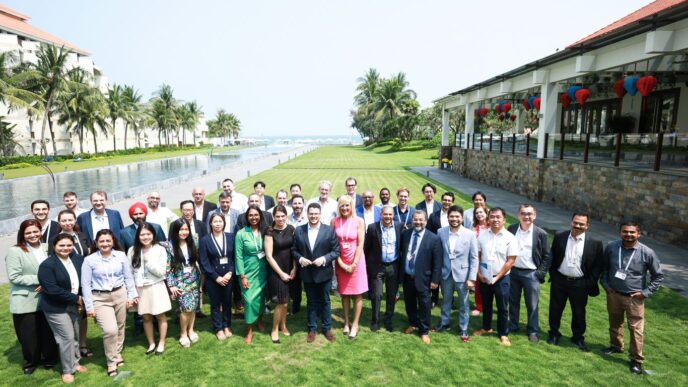
The Mobility 21 Conference in 2018 was a real eye-opener, bringing together a lot of smart people to talk about how we get around. It wasn’t just about fancy new cars, though there was plenty of that. The main focus seemed to be on making our cities work better for everyone, and doing it in a way that doesn’t wreck the planet.
Insights into Urban Mobility Challenges
Cities are getting crowded, and that means traffic jams, longer commutes, and a general headache for most people. The conference really dug into these issues. We heard about how different cities are struggling with the basics: getting people from point A to point B efficiently and affordably. It’s not just about building more roads; it’s about smarter planning.
- Congestion: This is a big one. More cars mean more time stuck in traffic, which costs money and wastes energy.
- Accessibility: Not everyone can drive or afford a car. We need ways for older adults, people with disabilities, and those with lower incomes to get where they need to go.
- Environmental Impact: All those cars and buses spewing fumes? It’s a problem we can’t ignore anymore.
The Role of Technology in Transportation
Technology was everywhere at the conference. It’s clear that apps, data, and new kinds of vehicles are changing things fast. Think about ride-sharing services, real-time traffic updates, and even planning for self-driving cars. The goal is to use tech to make transportation smoother, safer, and more convenient. It’s about connecting the dots between different ways of traveling.
Future of Mobility Discussions
What’s next? That was the big question. We talked a lot about electric vehicles, shared mobility, and how cities might look in 10 or 20 years. There was a lot of excitement about new ideas, but also a healthy dose of realism about the challenges in making these changes happen. It’s a complex puzzle with many pieces.
Advancements in Smart Mobility Solutions
Showcasing Innovative Smart Mobility Projects
The conference really highlighted some cool projects that are trying to make getting around cities better. One that caught my eye was the "Smart Curbspace" idea. Think of it like an app where you can reserve a parking spot or a space for your delivery vehicle. The research showed that this could cut down on cars circling for parking and reduce wasted fuel. It’s a pretty neat way to manage busy street areas.
Another interesting area was the work on micromobility. We all see more e-scooters and bikes around, right? Well, there’s research looking into how much these can actually replace short car trips. Apparently, a lot of car trips are pretty short, under three miles, and micromobility could be a good alternative, especially for people using public transport to get to and from stations. It’s all about making those first and last miles easier.
The Smart Mobility Challenge Winners
This year’s Smart Mobility Challenge winners were North Huntingdon Township and the Airport Corridor Transportation Association (ACTA). They were recognized for their work, including a traffic impact study for a new rail terminal. It’s great to see local groups getting recognized for tackling real-world transportation issues. These kinds of challenges push for practical solutions that can actually be put into use.
Deploying Technology for Real-World Needs
It wasn’t just about ideas; there was a strong focus on putting technology to work. We saw examples of companies using AI and machine learning to help with transportation planning. One spin-off company, TraffiQure Technologies, is working with government agencies to make better decisions using lots of data. It’s clear that the goal is to use these advanced tools to solve everyday problems like traffic jams and making travel smoother for everyone.
Expert Perspectives on Transportation
Executive Director’s Insights on Urban Mobility
It was really interesting to hear what the folks in charge are thinking about when it comes to getting around our cities. A lot of the conversation revolved around how we can make things work better for everyone, not just a few. They talked about how important it is to have different ways to travel, like buses, trains, bikes, and even walking, all connecting up nicely.
One big point was about making sure these options are available and affordable for all communities. It’s not just about having fancy new tech; it’s about making sure people can actually get to work, school, or the doctor without breaking the bank or spending hours stuck in traffic.
Keynote Addresses and Panel Discussions
The conference had some really solid talks and panels. One session that stood out was about Artificial Intelligence (AI) and how it’s changing transportation. The speakers, including folks from Jacobs, LA Metro, Deloitte, and Caltrans, discussed how AI can speed up tasks and help with big projects. But they also brought up the important questions: how will this affect jobs? How do we make sure everyone benefits and nobody gets left behind?
Another panel looked at the future of state and federal transportation policy and funding. With big federal bills changing and states facing budget issues, it’s a tricky time. The CEOs from different transportation commissions shared their thoughts on what’s coming next and how partnerships will be key to getting the funding we need for Southern California.
Research Findings on Emerging Trends
Beyond the big picture talks, there were also some deep dives into specific research. A lot of studies looked at how new technologies could help with everyday problems. For example, there were presentations on:
- Using data from passenger counters and vehicle locations to make transit more reliable and accessible.
- Predicting traffic jams before they happen using smart computer models.
- Figuring out the real environmental impact of switching ride-sharing services to electric vehicles.
- Examining how online grocery shopping might change traffic and pollution levels.
It’s clear that a lot of smart people are working on using data and new ideas to solve transportation puzzles. The goal seems to be creating systems that are not only efficient but also fairer and better for the planet.
Focus on Equity and Sustainability
Addressing Equity in Mobility
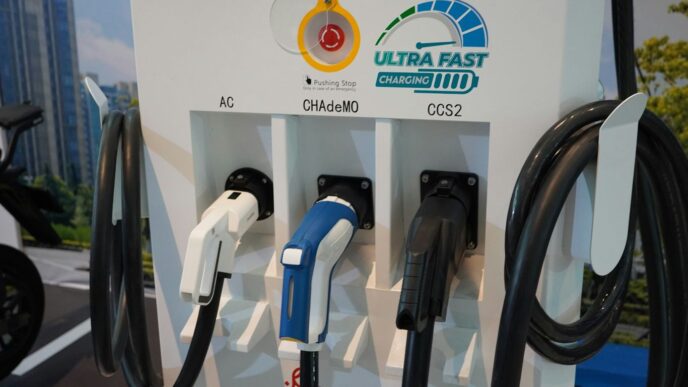
Making sure everyone can get around, no matter where they live or how much money they have, was a big topic. It’s not just about having roads and buses; it’s about making sure those services actually work for all communities. We heard about research looking into how ride-sharing apps affect jobs and wages, and whether they’re fair to everyone. There was also talk about making sure new things, like electric vehicle charging stations, are put in places that benefit everyone, not just certain neighborhoods. It’s about thinking about the people who might be left behind.
Environmental Considerations in Transportation
We can’t talk about the future of getting around without talking about the planet. A lot of the discussions circled back to how transportation choices impact air quality and climate change. One interesting point was about how much cleaner the electricity grid needs to be for electric vehicles to really make a difference in reducing greenhouse gases. We also saw research that looked at the pollution and climate effects of switching to electric vehicles for services like ride-hailing, and even how online grocery shopping might change traffic and emissions. It’s a complex puzzle, figuring out the best way forward.
Sustainable Systems and Technology
So, how do we actually build systems that are both good for people and the environment? This section really dug into the practical side. We saw presentations on using data to make transit more reliable and accessible, which is a win-win. There was also a focus on how to plan for a future with different kinds of vehicles on the road, including self-driving ones, and how to manage that transition smoothly. The goal is to create transportation networks that are not only efficient but also kind to the earth and fair to all users.
Here are some of the key areas discussed:
- Data-driven improvements: Using information from things like passenger counters on buses to make transit schedules better and figure out where improvements are needed.
- Policy and planning: Developing strategies for managing mixed fleets of vehicles (human-driven and autonomous) to keep things running smoothly and safely.
- Lifecycle impacts: Looking at the full environmental picture, from manufacturing to operation, for different types of vehicles and transportation methods.
Collaboration and Partnerships
The Deployment Partner Consortium
It’s clear that getting new transportation ideas off the ground and into the real world isn’t a solo mission. The Mobility 21 conference really highlighted how important it is for different groups to team up. One big part of this is the Deployment Partner Consortium. Think of it as a network where folks with real-world transportation problems can connect with researchers who are developing solutions. This group isn’t just about talking; it’s about actively finding needs, helping with research projects, and even figuring out how to license new technologies. They also help students find jobs and internships, which is pretty neat.
Industry and Academia Collaboration
This conference showed that the best innovations happen when universities and businesses work together. Carnegie Mellon University, for example, has a program that started with just a handful of researchers and partners but has grown to include over 180 members. They have regular meetings, like an annual symposium, to keep everyone connected. This kind of collaboration helps move research from the lab into practical use. It’s also about creating a good environment for professors and students who want to start their own companies based on their work, with a process designed to be straightforward.
Engaging Stakeholders for Future Mobility
Getting everyone on the same page is key for the future of how we get around. The conference featured discussions, like a roundtable on the power of partnerships, where leaders from different transportation agencies shared how they work with local governments, state and federal bodies, and private companies. These collaborations are the bedrock for making progress in our communities. It’s not just about big projects; it’s about building relationships and sharing insights to tackle complex transportation challenges together. This includes bringing together diverse groups, from public agencies to non-profits, to discuss everything from new technologies to making sure everyone has access to things like high-speed internet.
Autonomous Vehicle Technology
Autonomous Vehicle Career Fair
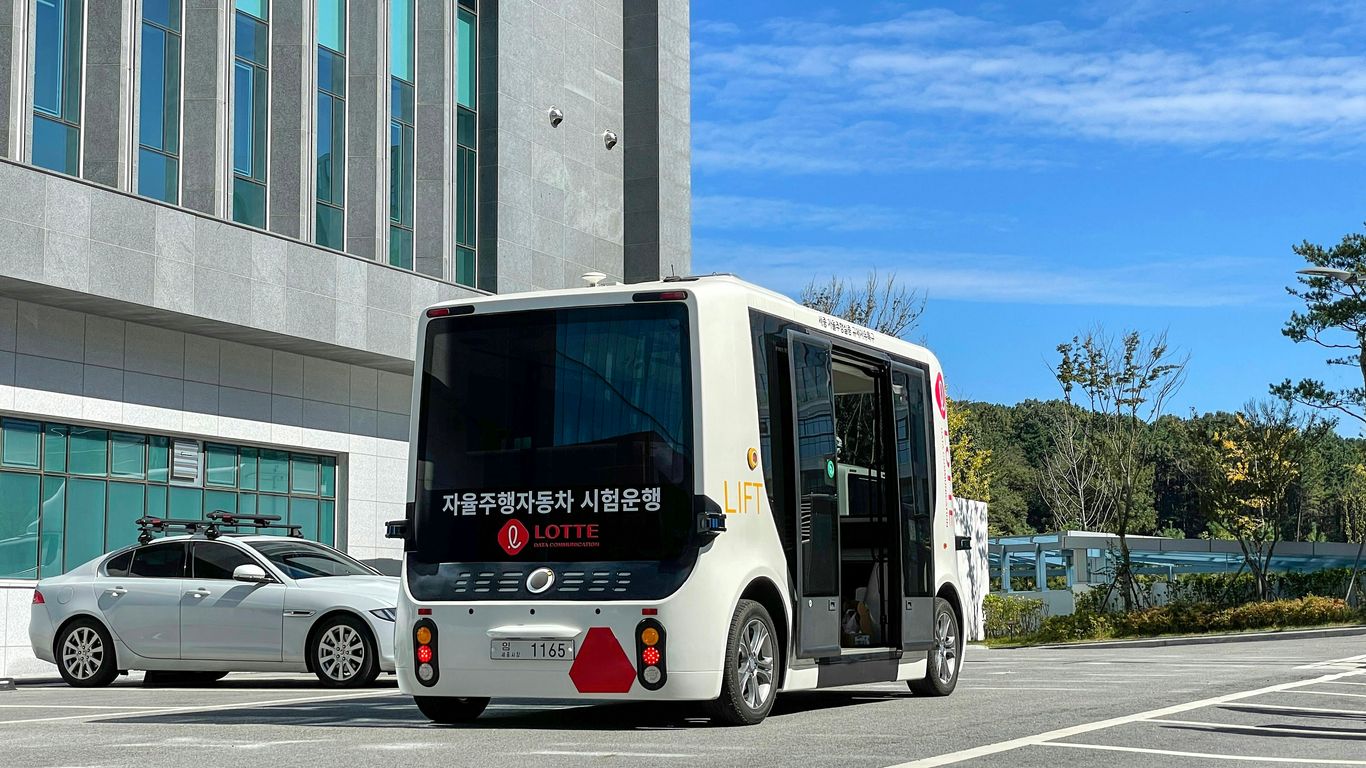
It was pretty interesting to see the focus on careers in the autonomous vehicle (AV) space at Mobility 21 this year. It feels like just yesterday we were talking about AVs as a far-off concept, and now there’s a whole job market popping up around them. The career fair highlighted the diverse roles needed, from software engineers building the AI brains to technicians who’ll keep these complex machines running. It’s clear that developing and deploying self-driving tech isn’t just about the cars themselves, but also about the people who make it all happen.
Specialized Autonomous Technologies
Beyond the general idea of self-driving cars, the conference dug into some really specific tech. We heard about advanced sensor suites – things like lidar and radar that help cars ‘see’ their surroundings, even when it’s foggy or dark. There was also a lot of talk about the software that processes all this data, making split-second decisions. Think about the challenges of programming a car to understand a pedestrian stepping out unexpectedly or a cyclist weaving through traffic. It’s not simple stuff.
The Future of Self-Driving Systems
Looking ahead, the discussions really got into what’s next for AVs. The consensus seemed to be that widespread adoption will take time, with different levels of automation appearing in various settings first. We’re likely to see more specialized uses, like autonomous shuttles in controlled environments or self-driving trucks on highways, before we have fully autonomous cars everywhere. The path forward involves not just perfecting the technology but also figuring out the rules, public acceptance, and how these vehicles will fit into our existing transportation networks. It’s a big puzzle with many pieces.
Wrapping Up Mobility 21
So, that was a look at some of the key things that came out of the Mobility 21 Conference back in 2018. It really feels like a lot of ground was covered, from new tech ideas to how we can make transportation work better for everyone. It’s clear that a lot of smart people are thinking hard about the future of how we get around. Hopefully, this gives you a good sense of what was discussed and what’s on the horizon for mobility.