Kodiak Self-Driving Truck: Revolutionizing Logistics
It’s pretty wild to think about trucks driving themselves, right? But that’s exactly what Kodiak Robotics is making happen, especially in tough places like oil fields. They’re not just talking about the future; they’re actually doing it now. Kodiak’s approach is all about making autonomous trucks work in real-world, demanding situations.
Pioneering Autonomous Operations in Harsh Environments
Forget smooth highways for a minute. Kodiak is focusing on places like the Permian Basin, which is known for its rough, unmarked roads. Their trucks are running fully driverless there, hauling materials like frac sand. This isn’t just a test; it’s commercial operation. They’ve already completed hundreds of deliveries with no one in the driver’s seat. This is a big deal because it shows that self-driving tech can handle more than just perfect conditions. It’s about getting the job done, no matter how messy the road gets.
The Kodiak Driver: An Integrated AI System
At the heart of these trucks is something called the "Kodiak Driver." Think of it as the brain. It’s a mix of smart AI software and a bunch of sensors that work together to steer the truck. This system has already driven millions of miles in real conditions, learning and getting better all the time. It’s designed to be adaptable, meaning it can work on different types of trucks and in various situations. The goal is to have a reliable system that can handle the complexities of driving without human help.
Modular SensorPods for Enhanced Perception and Maintenance
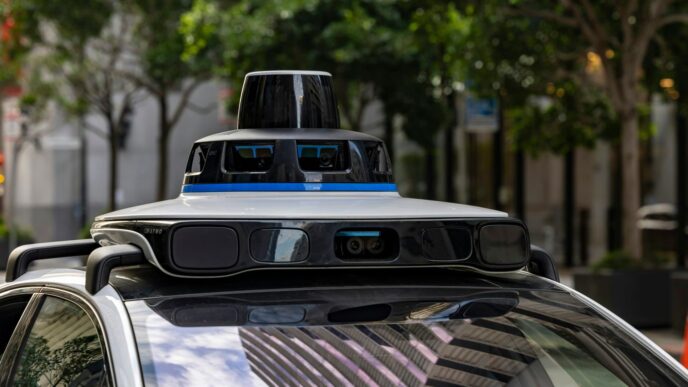
To see everything around the truck, Kodiak uses special units called SensorPods. These are like the eyes and ears of the truck, packed with cameras, radar, and LiDAR. They give the truck a 360-degree view, which is super important on those rough oilfield roads where you can’t always rely on clear markings. What’s neat is that these SensorPods are modular. This means if one gets damaged or needs an update, it can be swapped out quickly. This keeps the trucks running with minimal downtime, which is exactly what you need for 24/7 operations.
Commercial Deployment and Business Model

Driver-as-a-Service: A Recurring Revenue Stream
Kodiak isn’t just building trucks; they’re building a service around them. Their approach is called ‘Driver-as-a-Service,’ which basically means customers pay a regular fee, either per truck or per mile, to use Kodiak’s autonomous driving system. This creates a steady income stream for Kodiak, which is pretty smart. It’s not a one-time sale; it’s an ongoing relationship. Think of it like subscribing to a service rather than buying a piece of equipment outright. This model is designed to fit the specific needs of trucking companies, making it easier for them to adopt the technology without a massive upfront investment in the autonomous tech itself.
Atlas Energy Solutions: A Key Partnership
One of the biggest steps Kodiak has taken is partnering with Atlas Energy Solutions. Together, they’ve put Kodiak-equipped trucks to work in the Permian Basin, a busy oilfield region in West Texas. These trucks have already driven over 750 hours without a human driver behind the wheel. This isn’t just a test run; it’s actual commercial work. Atlas has even committed to ordering an initial 100 trucks, showing they’re serious about using this technology. This partnership is a big deal because it proves Kodiak’s trucks can handle tough, real-world jobs and that customers are willing to invest in them.
Scaling Autonomous Fleets for Industrial Needs
Kodiak’s goal is to make it possible for companies to use fleets of these self-driving trucks for all sorts of industrial jobs. They’re not just focused on one type of delivery. The idea is to build out the infrastructure and the service model so that companies can easily add more autonomous trucks as their needs grow. This means having the trucks ready, the maintenance sorted, and the operational support in place. It’s about making autonomous trucking practical and scalable for businesses that rely heavily on transportation, especially in demanding environments like oilfields or long-haul freight.
Safety and Efficiency Gains
When you take human drivers out of the equation, especially in tough jobs like oilfield transport, a lot changes. For starters, the risk of accidents drops way down. Think about it: no more tired drivers nodding off at 3 AM, no more squinting through blinding sun or dust. The Kodiak system is always alert, always watching. It sticks to the rules, no risky maneuvers, just steady progress. Early reports from places like the Permian Basin show fewer crashes, which means fewer injuries and less downtime.
Reducing Accidents Through Unblinking Vigilance
Human error is a big reason for accidents on the road, and that’s especially true in demanding environments. Fatigue, distractions, even just a bad day can lead to problems. The Kodiak Driver doesn’t have these issues. It’s programmed to be constantly aware of its surroundings, with a full 360-degree view. It doesn’t get tired or stressed by harsh weather. This constant, reliable attention means it can react to unexpected situations much faster and more consistently than a person could. It’s like having a co-pilot who never needs a coffee break and is always focused on the road ahead.
Optimizing Operations Beyond Human Limitations
Autonomous trucks can do things human drivers just can’t, or shouldn’t, do. They can operate for many more hours each day, meaning fewer trucks might be needed to move the same amount of stuff. This also means operations can keep going around the clock, which is a huge deal for industries that need constant supply, like oilfields. Plus, these trucks drive in a very consistent way. They maintain steady speeds and can even travel in close groups, called platooning. This smooth driving style uses less fuel and puts less wear and tear on the truck itself. It’s about making the whole process run like a well-oiled machine, all the time.
Minimizing Environmental Impact Through Efficiency
All this talk about efficiency isn’t just about saving money; it’s good for the planet too. When trucks drive smoothly, without a lot of sudden braking or accelerating, they burn less fuel. Less fuel burned means fewer emissions. Also, by reducing idling time and keeping operations running smoothly, there’s less pollution and dust kicked up, especially in dry areas. So, while these trucks are busy getting the job done, they’re also helping to make the whole operation a bit greener.
Technological Advancements in Autonomous Driving
Sixth-Generation Hardware Platform
Kodiak isn’t just slapping some sensors onto a regular truck. They’ve developed a sixth-generation hardware platform that’s built from the ground up for self-driving. This means the truck’s core systems are designed with autonomy in mind from the start, not as an afterthought. It’s a more integrated approach, which should lead to better reliability and performance.
Redundant Systems for Critical Safety
When you’re talking about a big truck driving itself, safety is obviously a huge deal. Kodiak has put in multiple layers of backup for all the important stuff. Think of it like having a spare tire, but for the truck’s brain and eyes. If one sensor or computer has a hiccup, another one is ready to take over immediately. This redundancy is key to making sure the truck can handle unexpected issues safely, even in tough conditions.
AI Software Trained on Real-World Data
The "brain" of the truck is its AI software. Kodiak’s system has been trained on millions of miles of real-world driving data. This isn’t just simulated stuff; it’s data from actual trucks operating in challenging environments, like dusty oilfields. This kind of training helps the AI learn how to deal with all sorts of unpredictable situations that pop up on the road. The more varied and real the data, the smarter and more capable the AI becomes.
Here’s a quick look at some of the tech involved:
- SensorPods: These are modular units that house the truck’s sensors. They’re designed to be tough and easy to swap out, which is a big plus for maintenance, especially in harsh weather.
- AI Driver: This is the core software that makes driving decisions. It’s constantly learning and improving based on new data.
- Redundant Computing: Multiple processors and systems work together to ensure that if one fails, the others can keep the truck running safely.
Industry Impact and Future Applications
It’s pretty wild to think about how much self-driving trucks like Kodiak’s are already changing things, and we’re just getting started. We’re seeing this technology move beyond just testing grounds and into real-world jobs, especially in places that are tough to work in. Think about mining or logging – these are industries that need heavy-duty transport, and they’re finding that autonomous trucks can really step up.
Transforming Oilfield Logistics
Oil and gas operations often happen in remote, challenging spots. Getting supplies in and equipment out can be a real headache, not to mention expensive. Kodiak’s trucks can handle these rough terrains and keep running around the clock, which is a big deal when you’re trying to keep a project on schedule. This means less downtime and fewer people needing to be out in potentially hazardous conditions. It’s about making these operations more reliable and safer.
Potential for Broader Adoption in Freight
Beyond the specialized industries, the potential for everyday freight is huge. We’re talking about a future where trucks can move goods more consistently, maybe even when human drivers can’t or won’t. This could help ease some of the pressure from the ongoing driver shortage. Imagine a system where trucks can handle the long highway stretches autonomously, and then maybe a human driver takes over for the trickier city driving. It’s a way to make the whole supply chain run smoother.
Military and Public Sector Applications
It’s not just about moving stuff for businesses. The military is looking at autonomous vehicles for all sorts of reasons, like moving supplies to bases without putting soldiers at risk. Public services could also benefit, perhaps in disaster relief scenarios where roads are blocked or dangerous. The ability for these trucks to operate without direct human control in difficult situations opens up a lot of possibilities for keeping essential services running when they’re needed most.
Kodiak’s Vision for Autonomous Transportation
Kodiak started with a pretty clear goal: to make trucking better, especially for the tough jobs. They saw a future where trucks could handle more, work longer, and do it all without a person behind the wheel. It’s about tackling big problems like the shortage of drivers and the constant pressure to get things delivered faster and cheaper. Kodiak aims to be the go-to company for making driverless trucks a reality in the commercial world.
Addressing Driver Shortages and Delivery Demands
It’s no secret that the trucking industry has been struggling to find enough drivers. This isn’t just a minor inconvenience; it impacts delivery times and costs for everyone. Kodiak’s approach is to fill that gap with technology. Their autonomous system, the Kodiak Driver, is designed to operate reliably, day in and day out. This means fleets can keep moving, even when driver availability is low. Think about it: trucks that can run 24/7, handling routes that are difficult or undesirable for human drivers. This isn’t just about replacing drivers; it’s about expanding the capacity of the entire logistics network.
A Trusted Leader in Commercializing Driverless Trucking
Getting a self-driving truck from a concept to a real, working service is a huge challenge. Kodiak has focused on building a system that’s not just advanced but also dependable. They’ve put their technology to the test in demanding environments, like oil fields, where conditions are far from ideal. This real-world experience is key. They’ve logged millions of autonomous miles, learning and improving with every trip. This practical application is what sets them apart, moving driverless trucking from a futuristic idea to a commercial product that businesses can actually use today. They’ve even announced delivering a driverless product to a customer, which is a big step.
The Global Opportunity in Autonomous Ground Transportation
The potential here is massive. We’re talking about a global market worth trillions of dollars. Kodiak sees driverless technology not just for long-haul highway routes but also for specialized industrial uses. Imagine mines, construction sites, or large distribution centers where autonomous trucks could significantly boost efficiency and safety. By creating a flexible, adaptable system, Kodiak is positioning itself to serve a wide range of industries. Their Driver-as-a-Service model means companies can adopt this technology without huge upfront costs, paying for the service as they use it. This makes it easier for businesses of all sizes to get on board with the future of transportation.
The Road Ahead
So, what does all this mean for the future? The work Kodiak is doing in the Permian Basin isn’t just about moving sand around an oilfield. It’s a real-world test run, showing us what’s possible when self-driving tech meets tough jobs. While we’re not seeing these trucks on every highway just yet, this project is a big step. It proves that autonomous trucks can actually work, making things cheaper, safer, and more efficient, especially when the conditions are right. It’s a peek into what logistics might look like down the road, and it’s pretty exciting to see it actually happening.