The Current Landscape of Humanoid Robots News

It feels like just yesterday that robots that looked and acted like us were only in movies. You know, the kind with the shiny metal bodies and the super-smart brains. But honestly, that’s not really the case anymore. We’re seeing these human-like machines move from the pages of science fiction into actual labs and, increasingly, into real-world jobs. It’s a pretty wild time to be watching this unfold.
From Science Fiction to Reality
Remember those old sci-fi flicks where robots did all the chores or saved the day? Well, the technology is finally catching up. What’s really changed things is the massive leap in artificial intelligence and computing power. It’s not just about making robots that can walk and move; it’s about making them think, learn, and interact in ways that feel more natural. This convergence of advanced AI with physical robotics is what’s making humanoids a real possibility, not just a fantasy. We’re seeing prototypes that can understand spoken commands, navigate complex spaces, and even perform delicate tasks. It’s a far cry from the clunky machines of the past.
Key Players in the Humanoid Robot Market
Several companies are really pushing the boundaries right now. You’ve probably heard of some of them. Tesla’s Optimus is aiming for mass production, designed to take on those dull, dirty, or dangerous jobs. Then there’s Boston Dynamics, famous for their agile robots, who are developing their Atlas model further. Agility Robotics is already putting their robots to work in warehouses, and Apptronik is getting attention for their industrial robots, even from giants like Amazon. It’s a competitive space, with each company trying to bring something unique to the table.
Here’s a quick look at some of the companies making waves:
- Tesla: Focusing on mass production for repetitive and unsafe tasks.
- Boston Dynamics: Known for highly dynamic and agile robots.
- Agility Robotics: Deploying robots for logistics and warehouse operations.
- Apptronik: Developing modular robots for industrial settings.
Market Growth and Demand for Humanoids
The numbers are pretty impressive. The market for humanoid robots was already worth billions in 2025, and projections show it’s set to grow significantly over the next few years. This isn’t just hype; there’s real demand. Industries are looking for ways to automate tasks, improve efficiency, and keep workers safe. The recent global events have also highlighted the need for robots that can operate in environments where human presence might be risky, further fueling interest in humanoid designs. It seems like we’re on the cusp of these robots becoming a much more common sight.
Technological Innovations Driving Humanoid Advancement
It’s pretty wild how fast humanoid robots are changing, right? It feels like just yesterday they were clunky things from old movies, but now they’re getting seriously smart and capable. A lot of this has to do with some pretty big leaps in technology.
The Role of Artificial Intelligence and Machine Learning
Artificial Intelligence (AI) and Machine Learning (ML) are basically the brains behind these robots. They’re what allow humanoids to do more than just follow pre-programmed steps. Think about it: AI helps them understand what we’re saying, even if we don’t say it perfectly. ML lets them learn from experience, getting better at tasks over time without needing a human to reprogram them for every little thing. This is huge for making them useful in real-world situations.
- Natural Language Processing (NLP): This lets robots understand and respond to human speech, making interactions much smoother. No more robotic, stilted conversations.
- Computer Vision: AI algorithms analyze what the robot’s cameras see, allowing them to identify objects, people, and even read signs. This is how they can navigate complex environments.
- Reinforcement Learning: Robots can learn through trial and error, figuring out the best way to complete a task by getting positive or negative feedback. It’s like teaching a kid, but with algorithms.
Advanced Vision and Sensory Systems
Beyond just seeing, modern humanoids are equipped with a suite of sensors that give them a much richer picture of their surroundings. This isn’t just about cameras anymore. They’re using things like lidar for precise distance measurement, tactile sensors to feel what they’re touching, and even microphones that can pick up subtle sounds. This multi-sensory input is key to their ability to interact safely and effectively in dynamic environments.
| Sensor Type | Function |
|---|---|
| Cameras (RGB/Depth) | Visual recognition, object detection |
| Lidar | 3D mapping, obstacle avoidance |
| Tactile Sensors | Grip force control, object manipulation |
| Microphones | Sound localization, voice command recognition |
| IMUs (Inertial | Balance, motion tracking |
| Measurement Units) |
Improvements in Power, Battery, and Energy Efficiency
One of the biggest headaches for robots has always been how long they can run. Batteries used to die really fast, limiting what they could do. But we’re seeing some serious progress here. New battery chemistries and smarter power management systems mean humanoids can operate for much longer periods. Plus, engineers are designing robot parts to use less energy overall. This means robots can work longer shifts, handle more complex tasks, and generally be more useful without constantly needing to be plugged in. It’s a game-changer for practical applications.
Emerging Applications for Humanoid Robots
It feels like just yesterday we were seeing these human-like robots in movies, but now they’re starting to show up in real life, and it’s pretty wild. They’re not just for factories anymore; these robots are finding their way into all sorts of places where people work and live.
Transforming Industrial and Warehouse Operations
Think about those massive warehouses where packages get sorted and moved around all day. Humanoid robots are starting to tackle some of those really repetitive and sometimes tough jobs. They can pick up items, move them, and even help with packing. This isn’t just about making things faster; it’s also about taking on tasks that might be hard on the human body over time. Companies are looking at robots that can work alongside people, picking up the slack where needed.
- Logistics and Fulfillment: Assisting with order picking, packing, and sorting.
- Manufacturing: Performing assembly line tasks, especially those requiring dexterity.
- Inventory Management: Scanning shelves and tracking stock levels.
Potential in Healthcare and Hospitality
This is where things get really interesting. In hospitals, robots could help nurses with basic tasks, like taking a patient’s temperature or reminding them to take their medicine. They could also help patients who have trouble moving around. Imagine a robot assisting with physical therapy or even helping out in surgery, where steady hands are a must. In hotels and restaurants, robots are already being used in some places, especially where there’s a shortage of workers. They can help with serving food, cleaning rooms, or even acting as a concierge, speaking different languages to help tourists.
Companionship and Support for the Elderly
As more people live longer, there’s a growing need for support, especially for seniors. Humanoid robots could become companions, helping with daily routines like fetching items or providing reminders. They could also offer a sense of connection, reducing feelings of loneliness. The goal here isn’t to replace human interaction but to supplement it, providing practical help and a friendly presence when needed. This could make a big difference in the quality of life for many older adults.
Navigating the Challenges in Humanoid Robot Deployment
So, we’ve talked a lot about how cool these humanoid robots are and what they might do. But let’s be real, getting them out there and actually working isn’t as simple as flipping a switch. There are some pretty big hurdles to jump over before we see them everywhere.
Addressing Limitations in Runtime and Payload
One of the most obvious issues is how long these robots can actually work and how much they can carry. Batteries are getting better, sure, but they’re still a bottleneck. Imagine a robot working on an assembly line – if it has to stop every few hours to recharge, that’s a huge disruption. We’re seeing some clever workarounds, like swappable batteries or hybrid power systems, but it’s not quite there yet for all-day, heavy-duty work. And then there’s the payload. Can a robot lift and move heavy items consistently without draining its battery in minutes or breaking down? This balance between power, endurance, and what a robot can physically do is a constant engineering puzzle.
The High Cost of Humanoid Technology
Let’s not sugarcoat it: these things are expensive. Developing the advanced sensors, the complex joint systems, the sophisticated AI – it all adds up. Right now, the cost puts them out of reach for many businesses, especially smaller ones. It’s a bit of a catch-22; we need more production to bring costs down, but we need more demand (driven by lower costs) to justify mass production. We’re seeing some companies starting to build factories, which is a good sign, but widespread adoption will likely depend on significant cost reductions.
Ensuring Safety and Reliability in Human-Robot Interaction
This is a big one, especially when robots start working alongside people. How do we make sure they don’t accidentally hurt someone? It’s not just about programming them not to hit things; it’s about them understanding human intentions, reacting appropriately to unexpected situations, and generally being predictable. Think about a robot handing you a tool – it needs to know how fast to move, where to place it, and how to react if you suddenly pull your hand away. Building that level of trust and reliability, especially in dynamic environments, is incredibly complex. It requires not just good hardware but also smart software that can interpret subtle cues and adapt on the fly. We need clear rules and testing to make sure these interactions are safe for everyone involved.
Ethical Considerations and Public Perception
Moral Baselines and Accountability Frameworks
So, we’ve got these robots getting smarter, right? But who decides what’s ‘right’ for them? It’s not like they have a conscience. We need to figure out the rules – the moral guidelines – for these machines. And when a robot messes up, and they will, who takes the blame? Is it the programmer, the company, or the robot itself? We’re talking about needing clear rules and systems to handle these situations. It’s a tricky area because AI can sometimes make stuff up, or just get things wrong in ways we don’t expect. Think about it: if a robot causes an accident, we can’t just shrug. There needs to be a solid plan for who’s responsible.
The ‘Uncanny Valley’ and Design Choices
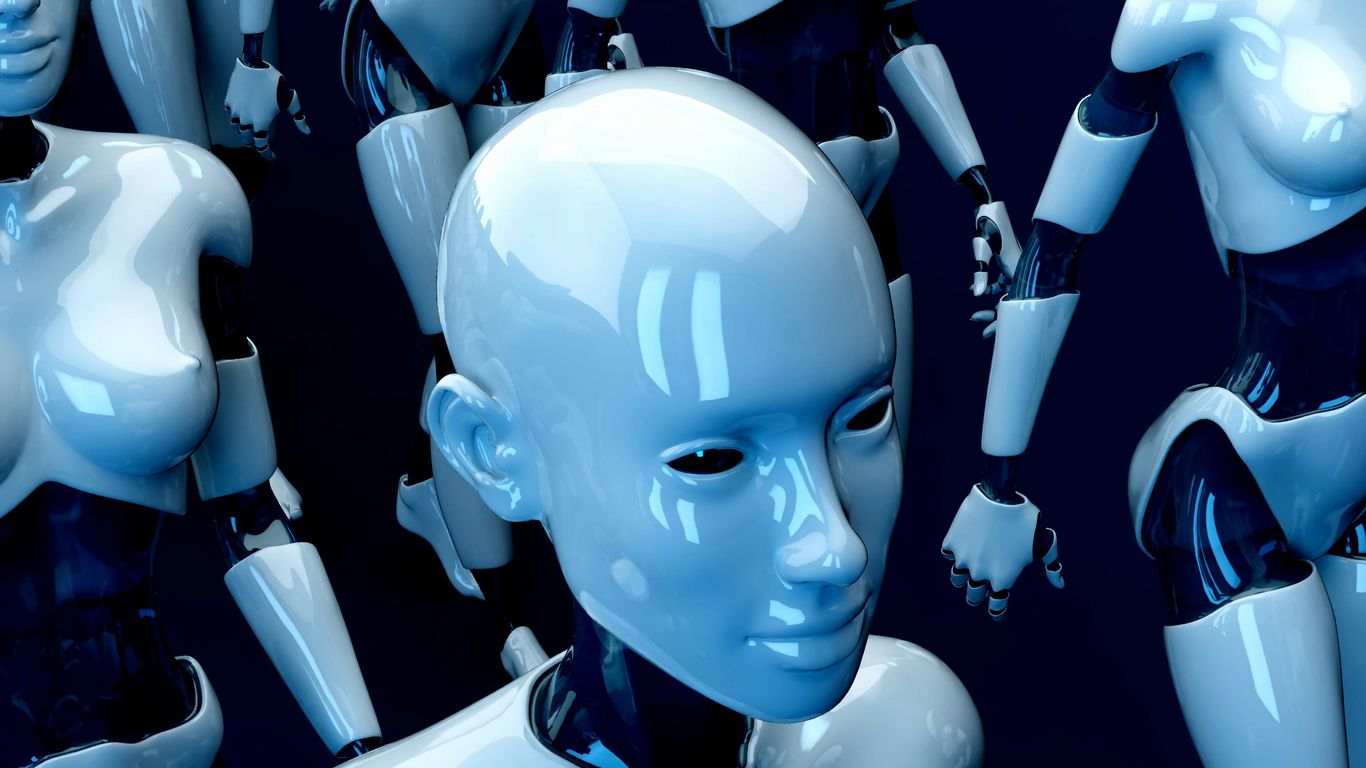
Have you ever seen a robot that looks almost human, but something about it just feels… off? That’s the ‘uncanny valley,’ and it can be a real hurdle for getting people comfortable with humanoids. Do we make them look super realistic, so much so you can’t tell them apart from us? Or should they have a more obviously robotic look, but still be able to show some emotion? It’s a design puzzle. Getting this balance right is key to making them feel less creepy and more like helpful tools or even companions. It’s not just about how they work, but how they feel to be around.
Building Public Trust and Acceptance
Let’s be real, a lot of people are already worried about robots taking jobs. That’s a big concern. Plus, we’ve seen how people are still hesitant about self-driving cars, even after years of testing. Building trust with humanoid robots will take time and effort. Manufacturers and the media have a big role to play here. We need to show people that these robots are safe, reliable, and actually beneficial. It’s not just about the tech; it’s about how we introduce it and manage people’s fears and expectations. Think about it like this:
- Transparency: Being open about how robots work and what they can and can’t do.
- Education: Helping people understand the benefits and limitations.
- Demonstration: Showing real-world examples of robots working safely and effectively alongside humans.
Without this, widespread acceptance will be a tough climb.
The Future Trajectory of Humanoid Robots
Industry 5.0: Robots as Collaborators
The next wave of automation, often called Industry 5.0, isn’t just about robots taking over tasks. It’s about them working with us. Think of it less like a robot replacing a worker and more like a robot assisting a worker, making their job easier or safer. This means robots will need to be really good at understanding what humans are doing and anticipating their needs. They’ll need to communicate effectively, not just through beeps and boops, but maybe even through subtle movements or simple spoken cues. This collaborative approach could really change how we work in factories and warehouses, making things more efficient and maybe even a bit more interesting.
Standardization and Interoperability Needs
Right now, if you buy a robot from one company, it probably won’t play nicely with a robot from another company. That’s a big problem if we want robots to become common. We need common languages and connectors so different robots and systems can talk to each other. Imagine if every computer used a different plug for its mouse or keyboard – it would be chaos! The same goes for robots. Standardizing things like how they communicate, how their parts connect, and the software they use will make it much easier to build and use them on a large scale. This will help keep costs down too, as companies won’t have to reinvent the wheel every time.
Humanoids in Dangerous and Remote Environments
Let’s face it, some jobs are just too risky for people. We’re talking about places like deep-sea exploration, disaster zones after an earthquake, or even cleaning up hazardous waste. Humanoid robots are perfectly suited for these kinds of tasks. Because they have a human-like form, they can navigate environments that were built for us. They can pick up tools, open doors, and move around obstacles in ways that simpler machines can’t. As battery life improves and their ability to operate autonomously gets better, we’ll see them taking on more of these dangerous jobs, keeping humans out of harm’s way. This could be a huge benefit for safety and for exploring places we can’t easily reach.
The Road Ahead for Humanoid Robots
So, where does all this leave us with humanoid robots? It’s pretty clear they’re not just science fiction anymore. We’re seeing them move from labs into real-world jobs, especially in places where tasks are tough or just plain boring for people. Things like better AI and smarter sensors are making them more capable every day. But, let’s be real, it’s not all smooth sailing. We’ve still got hurdles to jump, like making them last longer on a single charge, bringing down those hefty price tags, and figuring out all the tricky ethical questions and legal stuff. Plus, people need to feel comfortable with these machines around. It’s going to take time and careful planning, but it looks like humanoids are set to become a bigger part of our lives, helping out in ways we’re only just starting to imagine.