
Latest NASA Spacenews: Crewed Missions and International Collaboration
It’s been a busy time for NASA’s crewed missions and how we work with other countries in space. Things are really moving forward, and it’s exciting to see.
Crew-12 Launch to the International Space Station
Get ready for the next group of astronauts heading to the International Space Station (ISS)! NASA and SpaceX are gearing up for the Crew-12 mission. This will be the 12th time a SpaceX Falcon 9 rocket and Dragon spacecraft will carry a crew to the orbiting laboratory. These astronauts are going up for a science expedition, meaning they’ll be busy with experiments as soon as they arrive. Media folks can get accredited to watch the launch from Cape Canaveral. It’s always a spectacle, and this one promises to be no different as we continue our presence in low Earth orbit.
Artemis Mission Preparations at Johnson Space Center
Down in Houston, Texas, at NASA’s Johnson Space Center, the team is hard at work getting ready for the Artemis missions. This is where the magic happens for mission control. The folks at Johnson are the ones who will be guiding the astronauts, especially during the Artemis II test flight, which will be the first crewed trip back to the Moon under the Artemis program. Media can also get accreditation to cover these preparations and activities at Johnson. It’s a big deal, showing we’re serious about returning humans to the lunar surface.
Portugal Joins Artemis Accords as 60th Signatory
This is pretty cool: Portugal has officially signed the Artemis Accords. This makes them the 60th country to join this international agreement. The Accords lay out principles for how we should explore the Moon, Mars, and other places in space responsibly. It’s a big step for international cooperation. Portugal joining means we have an even wider group of nations committed to peaceful and open space exploration. It really shows how space is becoming a global effort, with more and more countries wanting to be part of the journey.
Advancing Exploration: New Technologies and Observatories
NASA is pushing the boundaries of what we can see and do in space with some really exciting new projects. It’s all about developing the tools and observatories that will help us explore further and understand our universe better.
Habitable Worlds Observatory Concept Advances
This is a big one. NASA has been looking at proposals to build a new observatory, the Habitable Worlds Observatory. The main goal here is pretty amazing: to directly photograph planets that are similar to Earth orbiting stars like our own Sun. Not only that, but it’s also designed to analyze the chemical makeup of these distant worlds. This mission could be a game-changer in our search for life beyond our solar system. It’s still in the concept phase, but the agency is moving forward, selecting industry ideas to help make it a reality.
Carruthers Geocorona Observatory Reaches Target Orbit
Good news from the Carruthers Geocorona Observatory! It has successfully reached its intended orbit. This means it can now start making repeated observations of the geocorona, which is basically the faint ultraviolet glow from Earth’s upper atmosphere. Getting these repeated looks is important for understanding this part of our planet’s environment. It achieved this after completing its third and final orbital adjustment.
IMAP Mission Arrives at Lagrange Point 1
Another mission has reached its destination. NASA’s Interstellar Mapping and Acceleration Probe, or IMAP, has made it to Lagrange point 1 (L1). This spot is about a million miles away from Earth, directly between us and the Sun. From L1, IMAP will study particles from interstellar space and how they interact with the Sun’s influence. The mission team has already started sending commands to the spacecraft, kicking off its science operations.
International Space Station: A Quarter Century of Discovery
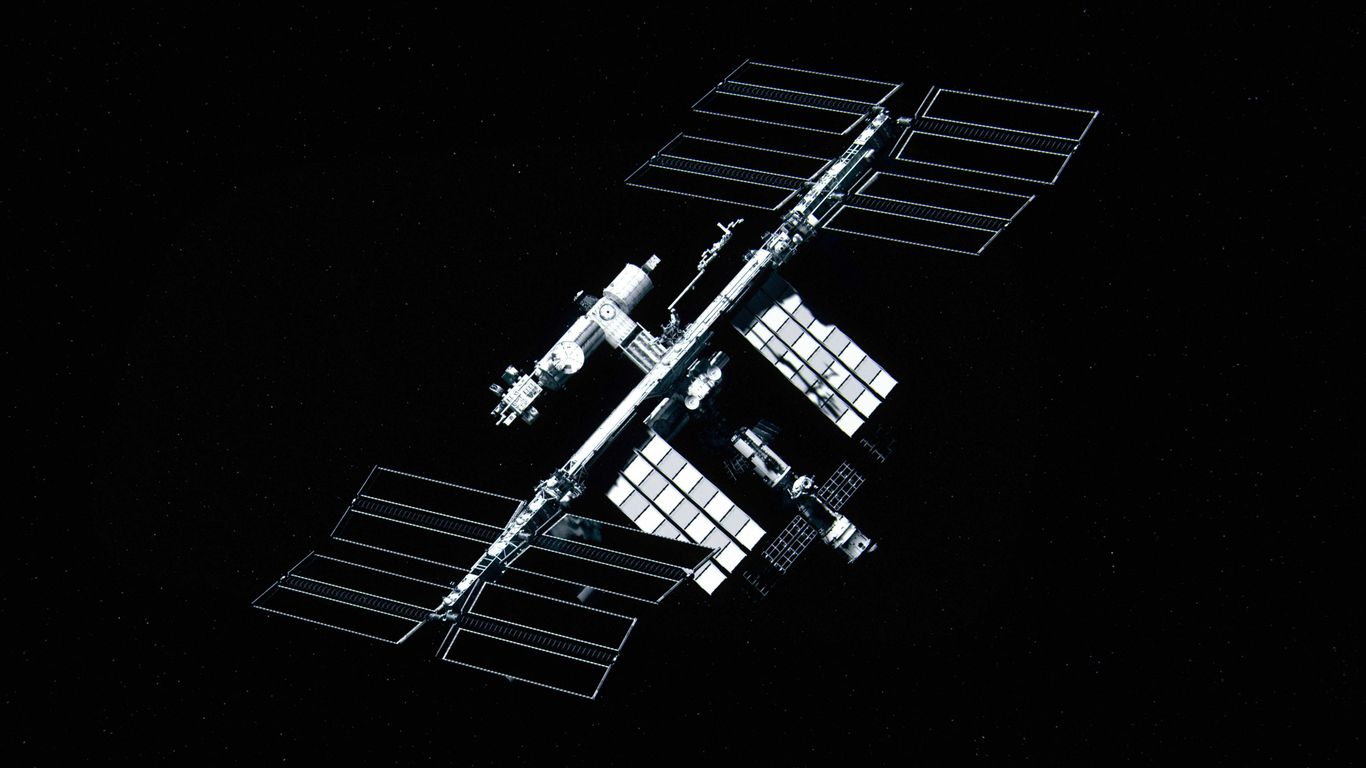
It’s pretty wild to think about, but humans have been living and working on the International Space Station (ISS) non-stop for about 25 years now. That’s a long time! It all started back in November 2000, and since then, it’s become this amazing hub for science and a symbol of countries working together. Over 290 people from 26 different countries have visited, and thousands of experiments have been done there by researchers from all over the globe.
Continuous Human Presence and Global Partnership
The ISS is more than just a lab in space; it’s a testament to what we can achieve when we cooperate. It’s a truly international effort, with NASA and its partners making sure there’s always someone up there. This continuous presence has allowed for an incredible amount of research to happen, pushing the boundaries of what we know.
Transforming Life on Earth Through Research
So, what have we learned from all those years up there? A lot, actually. The science done on the ISS isn’t just for space geeks; it’s making a real difference right here on Earth. Think about it:
- Medical Advances: Technologies originally developed for telescopes on the ISS are now helping doctors improve medical devices. There’s also a small ultrasound unit that was created for monitoring astronauts, which is now being used to help people in remote areas get medical care.
- Environmental Solutions: Data collected about temperature changes in space has been used to help cities manage heat, reduce fire risks, and even assist farmers in watering their crops more efficiently.
- Workplace Safety: Robotic technologies tested on the station could help reduce repetitive tasks and strain for workers in various industries.
Preparing for Future Lunar and Martian Exploration
Beyond the benefits for Earth, the ISS is also our training ground for the future. We’re testing out life support systems, figuring out how to grow food in space, and even practicing 3D printing materials. All of this is vital as we get ready for longer missions, like heading back to the Moon and eventually making our way to Mars. The ISS is where we learn how to live and work far from home, making those future journeys possible.
Innovations from Orbit: Benefits for Earth and Space
It’s pretty amazing when you think about it – the stuff NASA learns way up there on the International Space Station (ISS) actually helps us down here on Earth. It’s not just about looking at stars; it’s about practical applications that make life better.
X-Ray Technology Advancements for Medicine
Remember those fancy X-ray machines you see at the doctor’s office? Some of the tech that makes them work better got its start thanks to instruments built for space. NASA developed advanced X-ray telescopes to study the universe, and the improvements made for those sensitive instruments have found their way into medical imaging. This means better tools for doctors to see what’s going on inside us, helping diagnose problems faster and more accurately. It’s a direct link from exploring the cosmos to improving our health.
Temperature Data for Environmental Solutions
Scientists on the ISS collect all sorts of data, including detailed temperature readings. This information isn’t just for tracking the station’s climate. It’s been used to figure out how to cool down hot city surfaces, which can get dangerously warm in the summer. They’ve also used this kind of data to help farmers know exactly when and how much to water their crops, saving water and making sure plants grow well. Plus, understanding temperature changes helps in predicting and managing fire risks. It’s all about using space-based observations to tackle real-world environmental challenges.
Robotic Technologies for Workplace Safety
Working in space is tough, and astronauts often have to do repetitive tasks. NASA has been testing and refining robotic technologies to help with these jobs. Think of it like advanced automation. The cool part is that these same robots, or the ideas behind them, can be adapted for use in factories and other workplaces here on Earth. The goal is to take over tasks that are boring, difficult, or even dangerous for humans, reducing the risk of injuries from repetitive motions and making work safer for everyone. It’s about using space-age robotics to improve our daily work lives.
Human Health in Space: Research for Deep Space Travel
Understanding Microgravity’s Effects on the Body
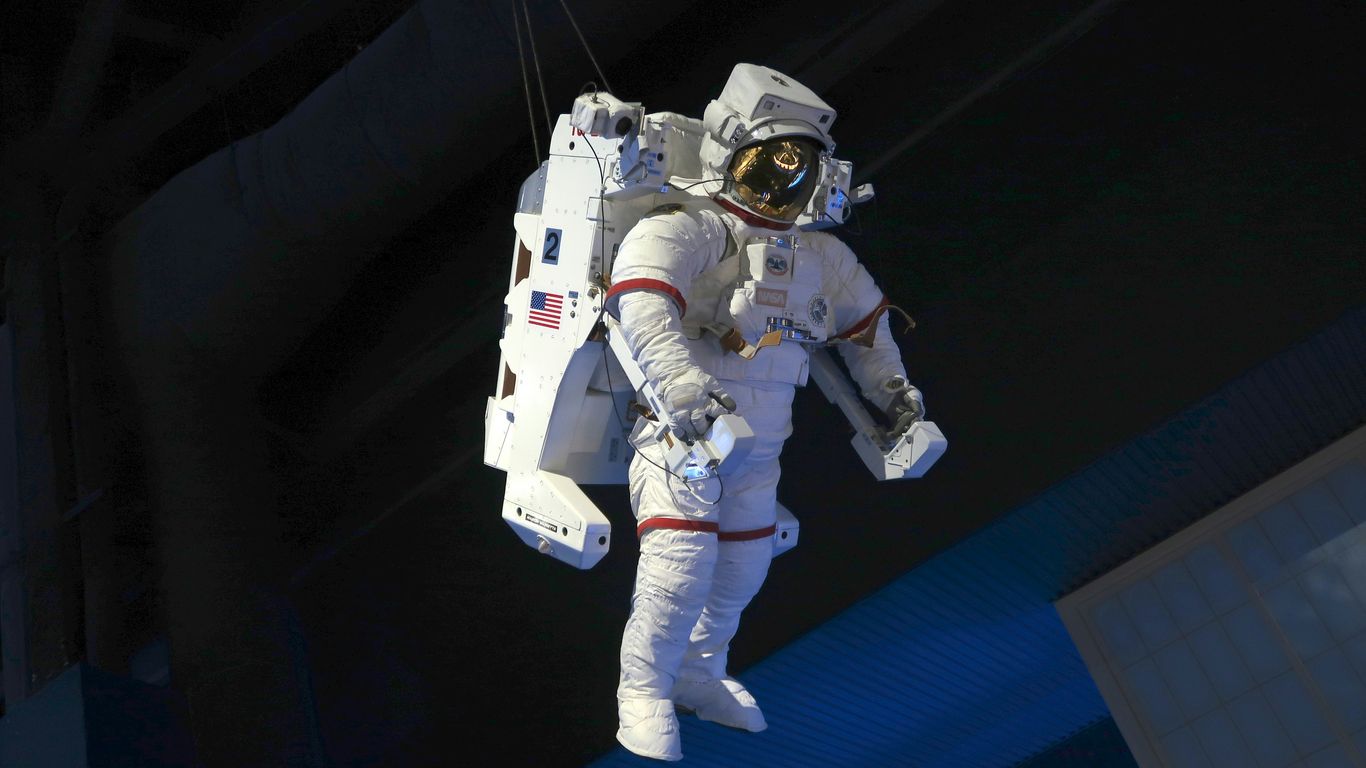
Living in space is weird for your body. Without gravity pulling things down like on Earth, your muscles don’t have to work as hard, and your bones can get weaker over time. Astronauts spend about two hours every day exercising just to try and keep things in shape. But even with all that, the longer you’re up there, the harder it gets for your brain and body to get used to gravity again when you come home. People coming back from long trips often say Earth feels really heavy, loud, and strangely quiet. Some get used to it in a few days, but for others, it takes much longer to feel normal.
Developing Interventions for Long-Duration Flights
NASA’s Human Research Program is all about figuring out these changes and finding ways to help. They track what happens to astronauts and test out different ideas. This includes looking at better ways to exercise, new methods for checking on their health, and even what they should be eating. The goal is to make sure crews stay healthy, whether they’re just going to the space station or heading out on much longer journeys to places like Mars. This research isn’t just for astronauts; the solutions can help people on Earth too.
Adapting to Gravity’s Pull After Space Missions
It’s not just about staying healthy in space, but also about what happens when you return. That feeling of Earth being ‘heavy’ is a real thing. Scientists are studying how astronauts readjust. They look at how quickly people recover their balance, how their bodies handle normal gravity again, and what kind of support they might need right after landing. This helps NASA plan for future missions, knowing what to expect and how to best support the crew as they transition back home. It’s a complex process, and understanding it better is key for pushing further into space.
Wallops Flight Facility Operations and Future Launches
NASA’s Wallops Flight Facility in Virginia is a busy place, always buzzing with activity. It’s a key site for launching rockets that carry scientific instruments and commercial payloads into space. Recently, NASA announced a significant contract award to ARES Technical Services Corporation. This contract, potentially worth over $339 million, will cover launch range operations for the facility.
This means ARES will be helping to manage and support the launches that happen at Wallops. Think of them as the ground crew that makes sure everything runs smoothly before and during a launch. It’s a big job, and this contract shows a commitment to keeping Wallops operational and ready for future missions.
New Launch Range Contract Awarded
The selection of ARES Technical Services Corporation is a big deal for the Wallops Flight Facility. This new contract is set to run for at least a year, with options to extend. It’s all about making sure the launch infrastructure at Wallops is top-notch. This includes everything from tracking and safety systems to the actual support needed on the launch pad.
Supporting Scientific and Commercial Missions
Wallops isn’t just for NASA’s own projects. It’s a vital hub for a wide range of scientific research and commercial ventures. Small rockets, sounding rockets, and even some larger launch vehicles take off from here. These missions are designed to study everything from Earth’s atmosphere to outer space.
Here’s a look at the kinds of missions Wallops supports:
- Suborbital Research: Sounding rockets are frequently launched to gather data from different layers of the atmosphere. These flights are shorter but provide valuable, quick-turnaround scientific information.
- Satellite Deployments: Wallops is also used to launch smaller satellites, often called CubeSats, which are used for a variety of scientific experiments and technology demonstrations.
- Commercial Launches: The facility supports private companies looking to launch their own payloads, contributing to the growing commercial space industry.
With this new contract in place, Wallops is well-positioned to continue its role as a critical launch site for both scientific discovery and the expanding commercial space sector.
Looking Ahead
So, that’s a quick look at what’s been happening with NASA lately. From sending new crews to the space station and planning for trips back to the Moon with the Artemis program, to signing agreements with other countries about how we should explore space responsibly, it’s all pretty exciting stuff. They’re even working on tech to find planets that might have life. It feels like we’re really moving forward, learning more about our universe and figuring out how to travel further out. The work being done, especially on the International Space Station, is helping us understand how to live and work in space for longer periods, which is key for those future missions to Mars and beyond. It’s a busy time for space exploration, and it’s definitely worth keeping an eye on.