
Latest NASA Spacenews: Mission Updates and Discoveries
It’s been a busy time at NASA, with a lot of exciting things happening across different missions. Let’s take a look at some of the latest updates.
Dragonfly Mission to Titan Progress
NASA’s Dragonfly mission is gearing up for an incredible journey to Saturn’s moon, Titan. This mission plans to send a rotorcraft, about the size of a car, to explore the moon’s surface. The work to get this unique project ready for its ambitious exploration is moving forward. Engineers are busy making sure all the systems are good to go for this one-of-a-kind venture.
Artemis Program Milestones
The Artemis program continues to make strides toward returning humans to the Moon. While specific recent milestones aren’t detailed here, the program is focused on developing the capabilities needed for lunar exploration and beyond. This includes work on the Space Launch System (SLS) rocket and the Gateway, a planned space station in lunar orbit. The goal is to establish a long-term human presence on and around the Moon.
Pandora Satellite and Exoplanet Research
Get ready for Pandora! This new NASA spacecraft is set to launch soon on a mission to study exoplanets – those planets orbiting stars other than our Sun. Pandora will look closely at the atmospheres of these distant worlds and their host stars. Joining Pandora on its journey are two smaller satellites, called CubeSats, named BlackCAT. These will also contribute to the study of exoplanets, expanding our search for worlds beyond our solar system.
International Space Station Operations and Crew News
The International Space Station (ISS) is a busy place, always buzzing with activity. Right now, the Expedition 74 crew is getting ready for some big changes.
Expedition 74 Crew Activities
Four members of the Expedition 74 crew are packing up and preparing for their trip back home. They’ll be heading back to Earth on a SpaceX Dragon spacecraft. Even with departure on the horizon, they’ve been keeping up with their work. This includes things like checking on spacesuits, doing research on how living in space affects biology, and even a study looking into artificial intelligence. It’s a lot to juggle when you’re also getting ready to leave!
ISS Spacewalk Updates
There was a planned spacewalk scheduled for January 8th, but NASA decided to postpone it. This was due to a medical situation that came up with one of the crew members. NASA stated that the crew member is stable and that their safety is the top priority. They are looking into all the details. Because of privacy rules, not much more information is being shared about the specific medical concern. Another update mentioned that a spacewalk planned for Thursday was also postponed. NASA held a news conference on Thursday evening to talk about the ISS and what’s happening with the crew.
Medical Concerns and Mission Adjustments
As mentioned, a medical issue with a crew member led to some adjustments. Specifically, the return of the SpaceX Crew-11 mission was moved up. They were originally set to undock from the ISS no earlier than January 14th, but this has been adjusted. NASA and SpaceX are working together to figure out the best time for their return, keeping weather conditions in mind. It shows how the team on the ground is always ready to adapt when things change up there.
Deep Space Exploration and Technology

NASA’s push into the unknown continues with some really interesting projects. We’ve got instruments being put through their paces and spacecraft making their way across the solar system. It’s not just about looking at planets; it’s about building the tools and systems that will let us explore further than ever before.
StarBurst Instrument Testing
The StarBurst instrument is getting ready for its big debut. Think of it like a high-tech camera, but for space. It’s been through some serious trials, including being heated up, cooled down, and shaken around. This rigorous testing is key to making sure it can handle the harsh conditions of space. After all that, it’s now waiting for its final calibration. This little instrument is designed to observe some pretty specific things out there, and getting it right is a big deal for the science it’s supposed to do.
Gateway Power System Activation
Work continues on the Gateway, that planned space station that will orbit the Moon. A big part of making it functional is its power system. Getting this system up and running is a major step. It’s a complex setup, and activating it involves a lot of checks and balances to make sure everything is working as it should. This power system will be the lifeblood of the Gateway, supporting everything from life support to scientific instruments.
ESCAPADE Spacecraft Maneuvers
We’re keeping an eye on the ESCAPADE mission, which has two spacecraft heading out to study Mars’s moons, Phobos and Deimos. One of the spacecraft recently completed a trajectory correction maneuver. These aren’t just random adjustments; they’re carefully calculated moves to put the spacecraft on the exact path needed for its mission. The team had to delay this particular maneuver for a bit, but they got it done. Having two identical spacecraft gives scientists a better chance to gather data and compare findings.
Mars Exploration and Future Missions
Mars has always been a planet that sparks our imagination, and lately, NASA’s been busy with its exploration. We’re still trying to piece together how Mars got to be the way it is today, especially when it comes to water. You know, the kind that could have been liquid on the surface. Recent research suggests that maybe, just maybe, lakes on Mars were covered by thin layers of ice, kind of like what we see in Antarctica. This could explain how water stayed liquid for extended periods, even with a thinner atmosphere.
When it comes to bringing samples back from Mars, the Mars Sample Return mission has hit some serious roadblocks. Funding cuts this year mean the mission’s future is uncertain. It’s a tough situation, and it makes you wonder what the next steps will be. This setback highlights the complex challenges involved in interplanetary sample return.
Looking ahead, NASA is always thinking about what’s next. While Mars Sample Return faces hurdles, the agency continues to explore possibilities for future missions. These missions aim to answer big questions about the Red Planet’s past, its potential for life, and how we might eventually send humans there.
Here’s a quick look at some key aspects of Mars exploration:
- Understanding Past Water: Scientists are piecing together evidence from rovers to figure out when and how liquid water existed on Mars.
- Sample Return Challenges: Bringing Martian rocks and soil back to Earth is incredibly difficult and expensive, as recent funding issues show.
- Future Mission Concepts: NASA is constantly developing new ideas for robotic and human missions to further explore Mars.
Astronaut Experiences and Celestial Views
Dave Reynolds’ Journey at NASA
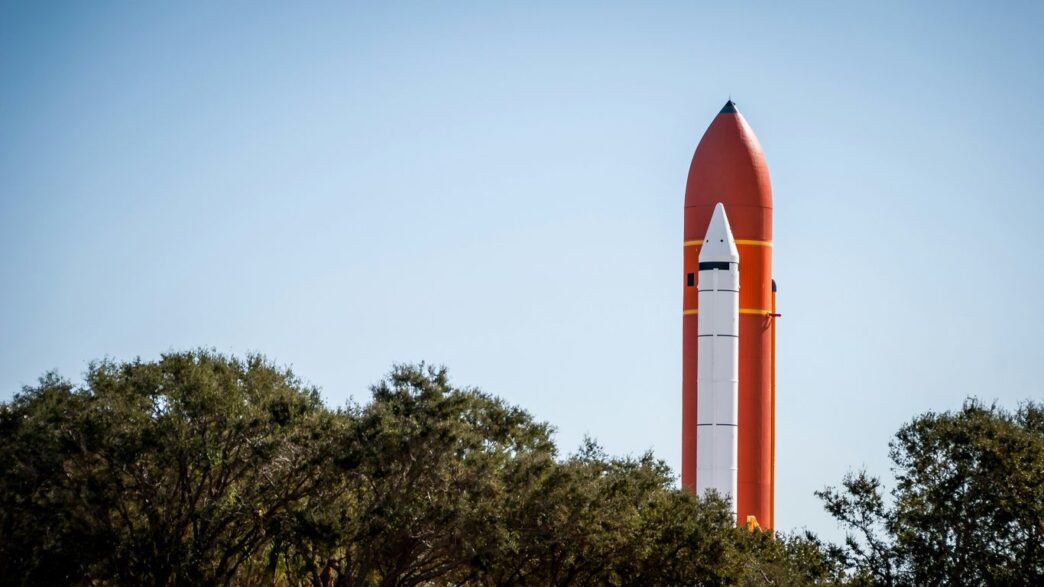
Dave Reynolds, a key figure as the booster manager for NASA’s Space Launch System (SLS), has a career path that’s pretty inspiring. He often talks about how a childhood poster of the space shuttle’s ‘Return to Flight’ initiative, which he still keeps in his office, serves as a constant reminder of his goals. It’s a simple thing, but it shows how early dreams can really shape a person’s future. His work is a big part of getting astronauts safely to space, making sure those massive rockets are ready for their journey.
Lightning Observations from Orbit
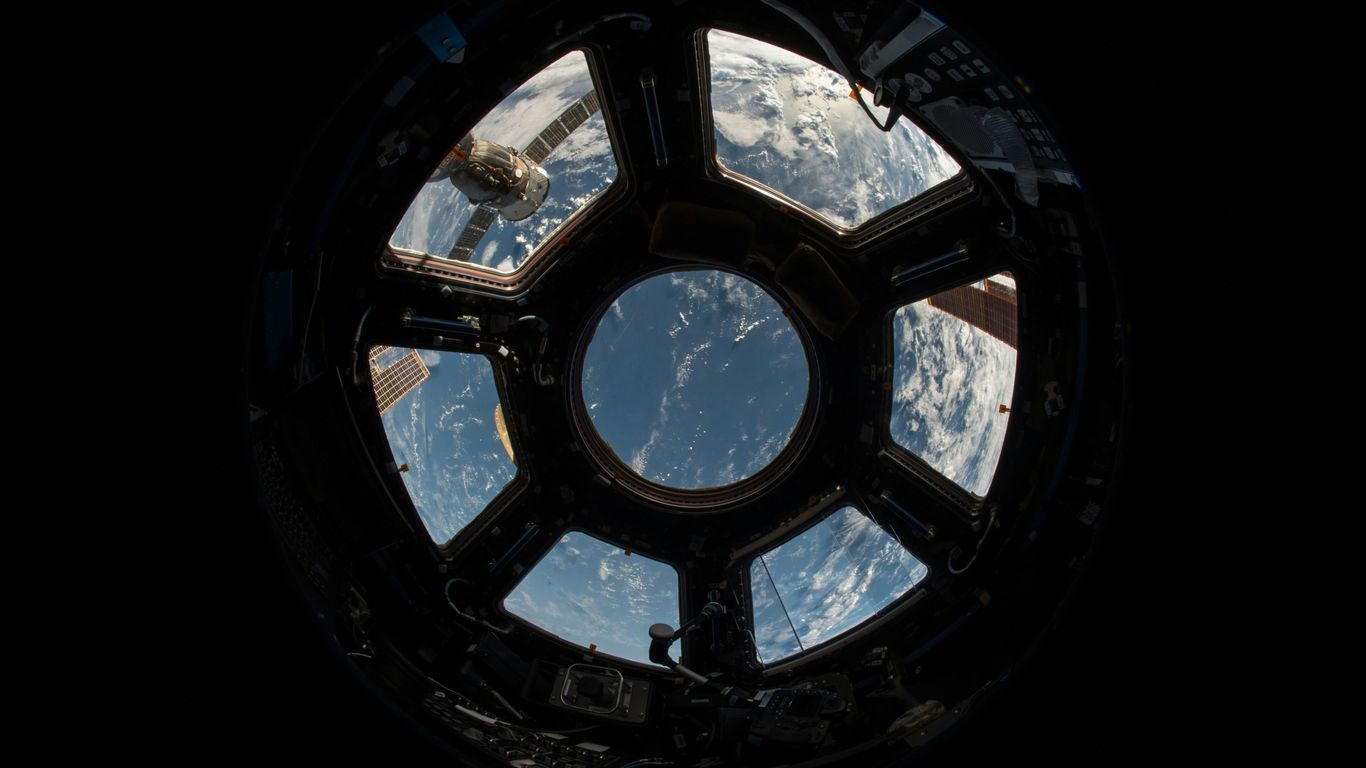
Looking down at Earth from the International Space Station offers some pretty unique perspectives. Astronaut Nichole Ayers recently captured a striking image of lightning over Milan, Italy, from about 250 miles up. These kinds of observations aren’t just pretty pictures; they help scientists get a better handle on Earth’s upper atmosphere. Understanding these electrical storms from space can tell us more about weather patterns and atmospheric conditions here on the ground.
Night Sky and Aurora Forecasts
For those of us back on Earth, keeping an eye on the sky is always a good idea. NASA and other space agencies provide regular updates that can help you catch some amazing sights.
- Aurora Forecasts: If you’re hoping to see the Northern Lights, checking the latest aurora forecast is your best bet. These forecasts help pinpoint the best times and locations to witness this natural light show.
- Night Sky Events: Beyond the aurora, there’s always something happening in the night sky. From planet viewings to meteor showers, knowing what to look for can make stargazing even more rewarding.
- Live Views: For a constant connection to space, live 4K video feeds from the International Space Station offer breathtaking views of Earth as it orbits. It’s a pretty amazing way to see our planet from a whole new angle.
Wrapping Up Our Space Journey
So, that’s a quick look at what’s been happening over at NASA. From getting ready for big missions like Dragonfly to sending astronauts home from the space station, it’s always something new. They’re even looking at planets way out there with the Pandora satellite and testing out new tech like StarBurst. It’s pretty wild to think about all the work going into exploring space, whether it’s right next door on the Moon with Artemis or light-years away. Keeps you looking up, doesn’t it?