Commercial Spaceflight Advances and Challenges
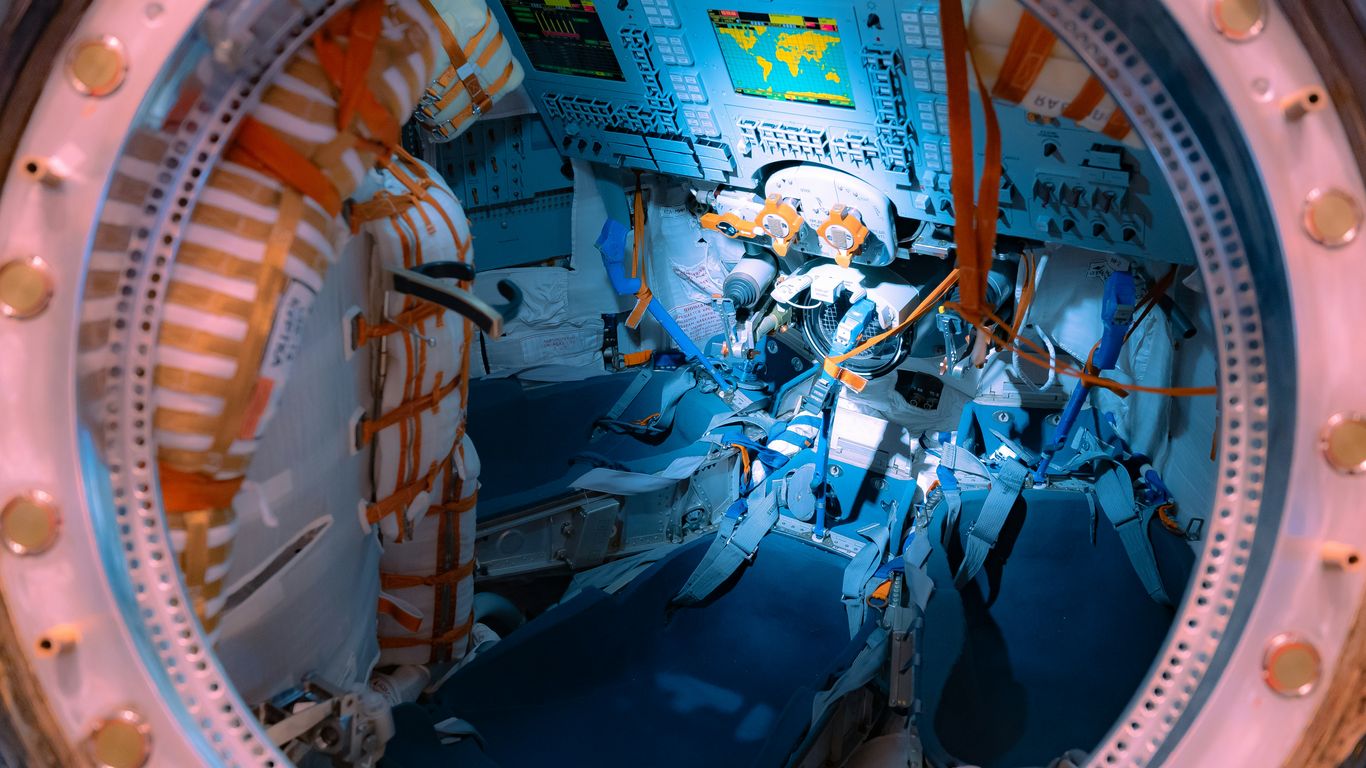
It feels like every week there’s some new development in the world of private space companies trying to get us to orbit and beyond. It’s exciting, for sure, but also a bit of a bumpy ride. We’ve seen some big steps forward, but there are definitely still some hurdles to clear.
Boeing’s Starliner: An Important Milestone for Commercial Spaceflight
Boeing’s Starliner capsule has had a really long and complicated journey. After years of delays and technical issues, it finally managed to get astronauts to the International Space Station. This was a pretty big deal, showing that another company besides SpaceX can ferry people to orbit. However, the mission wasn’t without its own drama. Issues cropped up that meant the astronauts had to stay longer than planned, and the capsule eventually returned without them aboard. This whole situation brings up questions about reliability and what happens when things don’t go exactly as planned.
Accelerating Starship: SpaceX’s Progress and Future Needs
SpaceX’s Starship is a whole different beast. They’re pushing the limits with this massive rocket, aiming for the Moon, Mars, and beyond. Their test flights are getting more ambitious, going further and faster each time. It’s impressive to watch, but it’s also clear they’re still in a heavy development phase. To make their ambitious goals a reality, they need to keep iterating quickly and figure out how to make this thing work reliably and frequently. It’s a race against time, really.
Framing the Success of the Polaris Dawn Mission
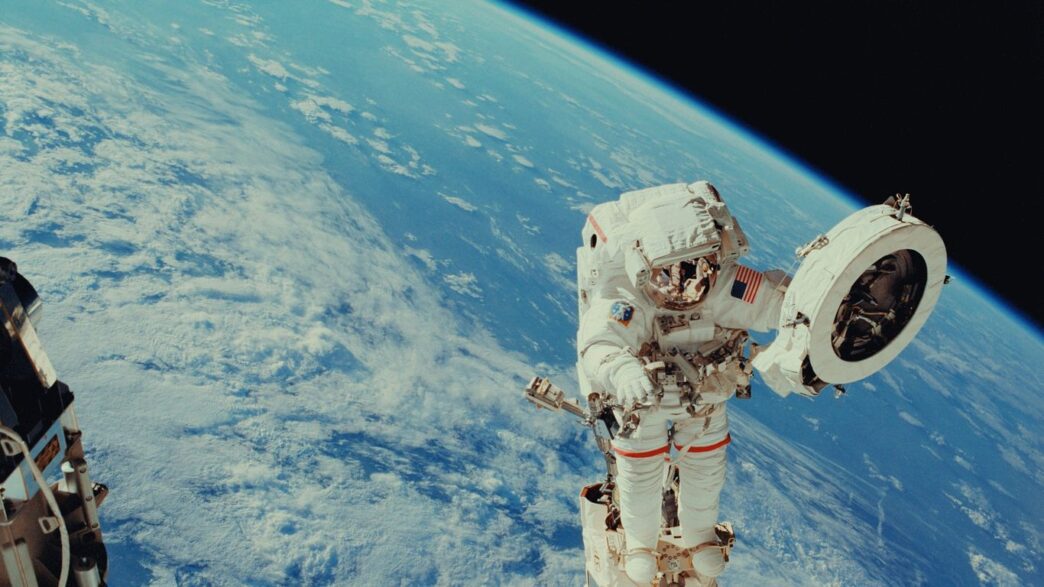
The Polaris Dawn mission was another interesting chapter. It was a private astronaut flight that included the first-ever commercial spacewalk. That’s a pretty significant achievement, showing new capabilities are being developed. The mission also pushed the boundaries on altitude. While it was a success in many ways, it also highlights the growing complexity and the different kinds of missions private companies are now undertaking. It’s a sign of how commercial space is expanding into new areas.
Lunar and Martian Exploration Initiatives
It feels like we’re on the cusp of something big when it comes to heading back to the Moon and setting our sights on Mars. There’s a lot of talk, and more importantly, a lot of action happening.
Space Policy: The Moon and Mars Simultaneously
There’s a growing idea that we shouldn’t have to pick between the Moon and Mars. Some folks argue that exploring the Moon can actually help us get to Mars faster. It’s like a stepping stone, you know? We can test out technologies, learn how to live and work in space for longer periods, and figure out the logistics of deep space missions. Plus, there’s the whole idea of building up infrastructure on the Moon that could support future Mars endeavors. It’s a complex debate, with different ideas on how to best use our resources, but the general feeling is that these two destinations aren’t mutually exclusive. In fact, they might be more connected than we think.
Boeing’s Early Lunar Base Concept of 1959
It’s wild to think about how far back some of these ideas go. Back in 1959, Boeing was already sketching out concepts for a lunar base. We’re talking about a time when just getting to space was a monumental achievement. Their early ideas, while basic by today’s standards, show that the dream of living on the Moon has been around for a long time. It wasn’t just about planting a flag; it was about establishing a presence, a place to work and explore from. These early visions, though they didn’t materialize then, laid some of the groundwork for the ambitious plans we see today.
Review: Mars and the Earthlings
So, what happens after we get to Mars? That’s the big question a lot of people are thinking about, especially with projects like SpaceX’s Starship aiming to take people there. There are books and discussions popping up that try to paint a picture of what life on Mars might actually look like. It’s not just about the technical hurdles of getting there, but the human side of things: how would we build settlements, what would daily life be like, and what kind of society would we create? It’s a fascinating look at the future, moving beyond just the journey to considering the destination itself. It makes you wonder about the long-term prospects for humanity beyond our home planet.
European Space Launch Industry Developments
Europe’s Launch Challenge: A Critical Time
Things have been a bit rocky for Europe’s space launch efforts lately. Just recently, a German startup, Isar Aerospace, had their first rocket, Spectrum, crash shortly after takeoff. It’s a tough moment for the continent’s space industry, especially when they’re trying to show governments that they can offer reliable and new ways to get things into orbit. It feels like a make-or-break time for them to prove their worth.
Europe Looks to End Its Launcher Crisis
To shake things up and get more competitive, Europe is really leaning into competition. At a recent European Space Summit, countries agreed to keep supporting the launch vehicles they already have, but they’re also opening the door for new players to step in. Officials and industry folks are looking at how this new competition might help. It’s a big shift from how things used to be done, and everyone’s watching to see if it works.
Preparing for the EU Space Act and Space Traffic Management
Big changes are coming with the European Union’s new space law. It’s expected to include rules about managing space traffic, which is becoming a bigger deal as more stuff gets launched. This new law could really change how countries around the world think about keeping space clean and safe. It’s all about making sure we don’t end up with too much junk floating around up there, which could cause problems for everyone.
Space Debris and Sustainability Concerns
It feels like every week there’s a new rocket launch, which is pretty cool, but it also means more stuff is going up into orbit. And not all of that stuff makes it back down. We’re talking about old satellites, bits of rockets, even tiny flecks of paint – all of it floating around up there. This growing cloud of space junk is becoming a real headache.
The Rising Flood of Space Junk: A Risk to Earth
This isn’t just about clutter. Think of it like a really fast-moving junkyard orbiting our planet. When these pieces of debris collide, they break into even smaller pieces, creating a cascade effect. The sheer volume of orbital debris poses a significant threat to active satellites, the International Space Station, and future space missions. It makes operating in space much riskier and more expensive. We’ve seen near misses, and eventually, a serious collision seems inevitable if we don’t get a handle on it. It’s a problem that affects everyone who uses space, from scientists to commercial companies.
Starliner Stranding: Commercial Space Partnerships and International Law
Remember when Boeing’s Starliner had those issues and got stuck in orbit for a bit? That situation really highlighted how complex things get when commercial ventures run into trouble far from home. It brings up a lot of questions about who is responsible when things go wrong, especially when international partners are involved. What happens if a piece of commercial debris hits a satellite belonging to another country? International law in space is still pretty fuzzy on a lot of these points. We need clearer rules and agreements to manage these situations, making sure that commercial activities don’t create diplomatic incidents or leave taxpayers footing the bill for private company mishaps. It’s a balancing act between encouraging innovation and maintaining order in the final frontier.
Historical Perspectives in Space Travel
Sometimes, looking back at how we got here really puts things in perspective. It wasn’t always smooth sailing, you know? We’ve had some real nail-biters and some ideas that, well, let’s just say they were ahead of their time, or maybe just a bit out there.
Anything But Expendable: A History of the EELV Secondary Payload Adapter
Remember the Evolved Expendable Launch Vehicle, or EELV? It was a big deal back in the day for getting heavy stuff into orbit. But what’s really interesting is how they figured out how to hitch a ride for smaller, secondary payloads. This whole ESPA (EELV Secondary Payload Adapter) thing wasn’t just a random idea; it grew out of a need to make launches more efficient. Think of it like adding extra seats to a plane that’s already flying – why waste the space? This adapter became a standard way to pack more science or smaller satellites onto a single rocket. It’s a good example of how practical engineering problems lead to clever solutions that stick around.
The Difficult Early Life of the Centaur Upper Stage
The Centaur upper stage has been around for a long time, powering a lot of important missions. But its beginnings were, to put it mildly, rocky. Early on, there were some serious concerns about its fuel – liquid hydrogen and liquid oxygen. This stuff is super cold and tricky to handle, and there were fears it might explode. Seriously, there was a time when people thought it was too dangerous to even try launching. It took a lot of work and some close calls, like an incident at Vandenberg Air Force Base in 1959 that almost ended in disaster, to iron out the kinks. It’s a reminder that even the most reliable tech often has a messy start.
Fate Is in the Stars: The PARCAE Ocean Surveillance Satellites
Back in the 1970s, the U.S. military was launching a series of satellites called PARCAE. Their job was pretty specific: keep an eye on the oceans. This wasn’t about looking for ships in the way you might think; it was more about tracking submarines and understanding oceanographic data. These satellites were part of a larger effort to use space for military intelligence during a tense time. They were a bit of a mystery to the public, operating quietly in orbit. Thinking about these specialized, older programs shows how space has always been used for a variety of purposes, not just the flashy exploration missions we hear about today.
New Frontiers in Space Science and Observation
The Best Space Telescope You Never Heard Of Just Shut Down
So, the European Space Agency (ESA) recently called it quits on the Gaia space telescope. It was out there, chilling at the Earth-Sun L2 point, doing its thing. Now, I know what you’re thinking, ‘Gaia? Never heard of it.’ And honestly, that’s kind of the point. This observatory was a bit of an unsung hero, quietly mapping our galaxy with incredible detail. Even though its main mission is over, the science isn’t stopping anytime soon. Think of it like finishing a really good book – the story might be over, but you’re still thinking about it for ages.
Review: Alien Earths
People are always talking about finding life out there, right? And a lot of that talk centers on planets that might be like Earth. There’s this book out that takes a look at those ‘alien Earths,’ trying to give a realistic picture of what it would actually take for us to find them, or even, you know, go there. It’s not all sunshine and rainbows; the author digs into the real challenges. It makes you wonder if we’re looking for the right things, or if our expectations are a bit too sci-fi.
Prospects for Orbital Data Centers
This one’s a bit out there, but imagine data centers, but in space. Seriously. The idea is that with more and more satellites up there, we’re generating a ton of data. Sending all that data back to Earth, processing it, and sending it back up again takes time and uses up bandwidth. So, why not put some of the computing power right where the data is being collected? It sounds complicated, and it probably is, but the thinking is that it could make things way faster for certain space-based operations. It’s like having a local server farm, but instead of being down the street, it’s orbiting the planet.
Human Spaceflight Programs and Astronauts
India Unveils Its First Set of Gaganyaan Astronauts
India recently revealed the four pilots selected for its Gaganyaan human spaceflight program. These individuals have been training for this moment, marking a significant step for India’s ambitions in space. The Gaganyaan mission aims to send humans into orbit, showcasing the country’s growing capabilities in space exploration. The selection process was rigorous, focusing on pilots with extensive experience and the right temperament for the challenges of space travel.
A Final Twist in the Starliner Saga
Boeing’s Starliner spacecraft has had a bit of a bumpy ride, to say the least. After a long mission, the decision was made to bring the astronauts back to Earth, but not with them on board. This meant the crew had to stay longer on the International Space Station. It’s a situation that raises questions about commercial partnerships and how we handle unexpected issues when people are so far from home. The implications for future commercial crewed missions are significant, highlighting the need for robust contingency plans.
NASA and Safety: More Is Better
When it comes to sending people into space, safety is always the top priority. NASA’s recent decisions regarding the Starliner mission show a clear commitment to this principle. Bringing the spacecraft back without the crew, while inconvenient, was seen as the safest option given the circumstances. This approach suggests a cautious, safety-first mindset that will likely guide future human spaceflight endeavors. It’s a reminder that even with advanced technology, human lives come first.
Looking Ahead: The Ever-Expanding Frontier
So, what’s next for us out there among the stars? It’s a big question, and honestly, the answers are still being written. We’ve seen rockets get better, new ideas for living on the Moon and Mars popping up, and even some interesting discussions about how we manage all the stuff we’re putting into orbit. It feels like we’re at a point where a lot of different paths are opening up, from private companies doing their own thing to countries working together, and sometimes, not working together. One thing’s for sure: space isn’t just for governments anymore. It’s getting busier, and figuring out how to share it safely and productively is going to be a major focus. The journey is far from over; in many ways, it feels like it’s just getting started.