Hey everyone, welcome back to the blog! It’s that time again where we look at what’s new and exciting in the world of power plants. 2026 is shaping up to be a pretty interesting year, with a lot of changes happening fast. We’re seeing new tech pop up everywhere, and the way we get and use electricity is definitely getting an upgrade. Let’s check out some of the latest power plant news and see what’s making waves.
Key Takeaways
- AI is getting smarter at managing the power grid, helping to keep things running smoothly and predicting problems before they happen. This means fewer blackouts and a more reliable electricity supply.
- Energy storage is getting a big boost, with more batteries and other systems coming online. These help balance out the grid, especially when we have a lot of solar and wind power coming in.
- Renewable energy sources like solar and wind are becoming a bigger part of the mix. While this is great for the environment, it also makes the grid more complicated to manage.
- The grid is becoming more digital and automated. Think less old-school equipment and more smart technology that can react quickly to issues and keep power flowing.
- We’re seeing more focus on making the grid tough against bad weather and other disruptions. This includes better ways to find and fix problems fast, so outages don’t last as long.
Advancements in Power Plant Technology
The way we generate and manage electricity is changing fast, and it’s pretty exciting. Power plants aren’t just big, static structures anymore; they’re becoming smarter and more adaptable. This shift is all about making the grid more reliable, efficient, and ready for whatever comes next.
AI Integration for Grid Optimization
Think of Artificial Intelligence, or AI, as the new brain for our power grids. It’s not just about crunching numbers; it’s about making real-time decisions that keep everything running smoothly. AI can look at weather patterns, predict how much power people will need at different times, and even forecast how much energy renewable sources like solar and wind will produce. This helps balance the grid, preventing those annoying outages. For instance, some renewable forecasting systems have seen improvements of around 20% in how much value they get from power generation, which is a pretty big deal.
Energy Storage Systems Reach New Heights
Batteries are no longer just for your phone. Large-scale energy storage systems are becoming a huge part of the power landscape. In 2025, we saw a record amount of energy storage deployed globally, with deployments jumping by 23% compared to the year before. These systems are like giant shock absorbers for the grid. They can store excess energy when it’s cheap or plentiful (like during sunny, windy days) and release it when demand is high or when renewables aren’t producing. This helps manage peak demand, makes integrating renewables easier, and generally makes the grid more flexible.
Modular and Scalable Distribution Infrastructure
Another big trend is the move towards modular and scalable infrastructure. Instead of building massive, one-size-fits-all systems, we’re seeing more flexible, adaptable components. This means power distribution systems can be built in smaller, manageable pieces that can be easily expanded or reconfigured as needed. The market for these modular power supplies is expected to grow significantly, reaching billions of dollars by 2030. This approach allows for quicker deployment and better customization to meet specific local needs, making the overall system more responsive.
The Rise of Renewable Energy Integration
It’s pretty wild how much renewable energy is becoming a bigger deal. Seriously, it feels like every other day there’s news about solar farms or wind turbines getting bigger and better. For the first time in decades, clean electricity sources like renewables and nuclear actually provided more than 40% of the world’s power in 2024. That’s a huge jump! Renewables alone chipped in almost a third of that. Think about it, solar PV is now responsible for about 7% of global electricity, and wind power is right there with it, making up around 8%. Hydropower is still holding its own too, contributing a solid 14%.
This massive growth isn’t just happening by accident. A big reason is that, in most new projects, renewables are just plain cheaper than fossil fuels. We’re talking utility-scale solar being 41% cheaper and onshore wind coming in 53% cheaper. Plus, with so many countries aiming for net-zero emissions, getting these new renewable projects hooked up to the grid is happening faster than ever.
Accelerating Grid Complexity with Renewables
But, and there’s always a ‘but’, all these new renewable sources are making the grid a lot more complicated. It’s like trying to juggle a dozen different things at once. We’ve got energy coming from all over the place, and it’s not always predictable like a traditional power plant. This means we really need smarter ways to manage everything.
- Forecasting Improvements: Companies are using AI to get better at predicting how much power solar and wind will generate. This can add up to 20% more value from that generation.
- Grid Balancing Act: Integrating all these different sources requires sophisticated software. Tools are being developed that can run hundreds of grid simulations per second to figure out the best way to keep everything stable.
- Infrastructure Demands: The rapid increase in renewables, combined with more things being powered by electricity, puts a big strain on our existing infrastructure. We need to find ways to support this growth efficiently.
Solar PV and Wind Power’s Growing Share
As mentioned, solar and wind are really leading the charge. They’ve moved beyond just being experimental options and are now a major part of our energy mix. This shift is driven by falling costs and a global push for cleaner energy. It’s exciting to see, but it also means we have to get better at managing these variable sources.
Hydropower’s Continued Contribution
While solar and wind get a lot of the spotlight, we can’t forget about hydropower. It’s been a reliable source of clean energy for a long time and continues to provide a significant chunk of our electricity. It offers a steady baseline of power that complements the more variable nature of solar and wind, playing a key role in the overall renewable energy picture.
Enhancing Grid Stability and Resilience
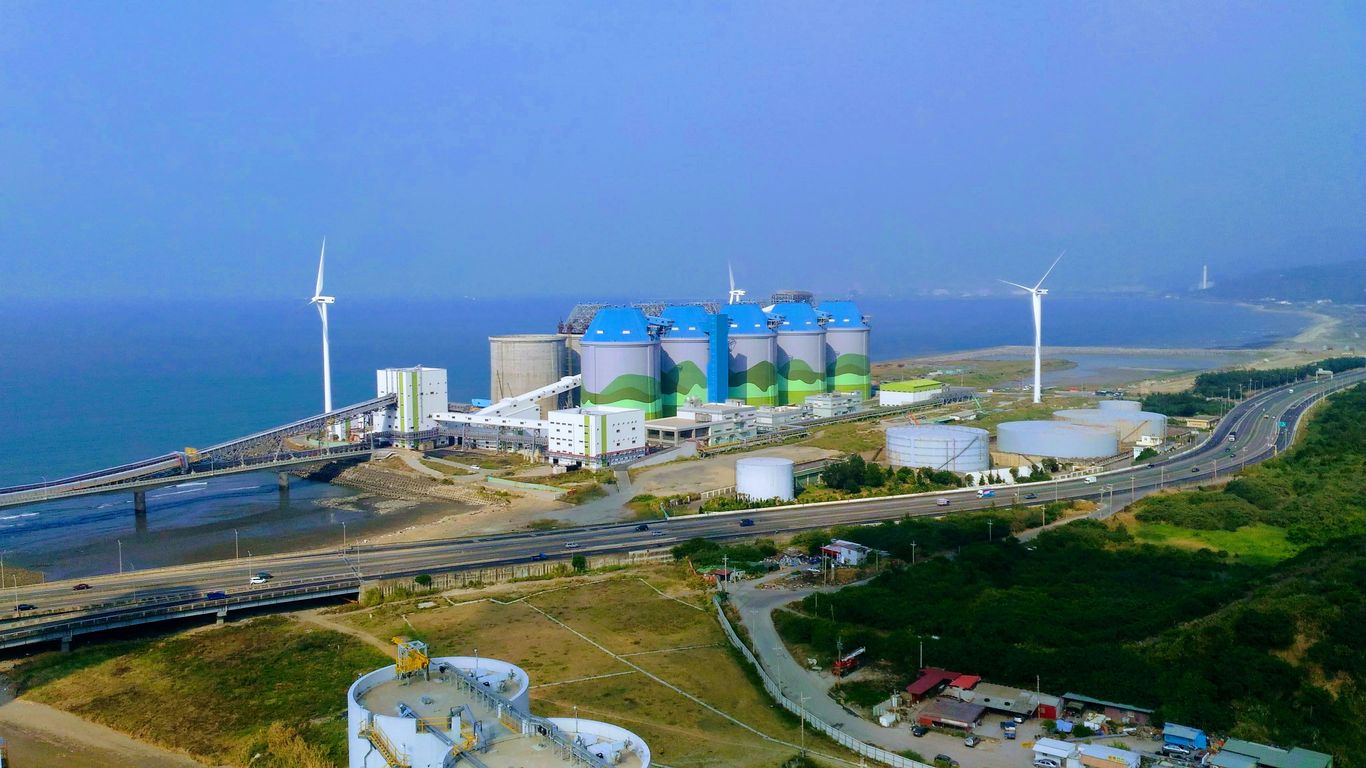
The power grid is facing some serious challenges these days. Extreme weather events are becoming more common, and they’re causing a lot of power outages. Last year, for instance, bad storms were responsible for 80% of outages in the US, leaving people in the dark for about 9 hours on average – the longest stretch in a decade. On top of that, the push for more renewable energy, while great, is also making the grid more complicated and sometimes leading to congestion. It’s a tricky balance to strike.
Addressing Outages Caused by Extreme Weather
Utilities are really stepping up their game to deal with weather-related blackouts. There’s a big focus on making the infrastructure tougher and smarter. Think of it like fortifying a house against a storm, but for electricity. This includes things like burying more power lines in vulnerable areas and upgrading equipment to withstand high winds and flooding. The US Department of Energy has put billions into programs like GRIP to help co-ops and utilities make these kinds of improvements. It’s all about minimizing downtime when nature throws a curveball.
Investments in Fault Isolation and Automation
When a problem does happen, the goal is to fix it fast and keep it from spreading. This is where ‘self-healing’ grids come in. These systems use AI and advanced automation to quickly detect where a fault is, isolate that specific section, and then re-route power to as many customers as possible. It’s a huge leap from how things used to be done, where it might take a crew hours to find and fix an issue. These smart systems can make those decisions in minutes, or even seconds. They adapt to changing conditions, unlike older systems that relied on fixed plans. This means shorter outages and less disruption for everyone.
Climate Hardening of Power Infrastructure
Beyond just fixing problems after they happen, there’s a major push to build infrastructure that can handle the changing climate from the start. This involves a few key strategies:
- Upgrading Equipment: Replacing older, less robust components with newer ones designed to handle extreme temperatures, heavy ice loads, or high winds.
- Strategic Vegetation Management: Clearing trees and brush around power lines more effectively to prevent them from falling during storms.
- Cybersecurity Measures: Protecting the grid’s control systems from cyber threats is also a big part of resilience. A secure grid is a stable grid. This means segmenting networks, using encryption, and making sure only authorized devices can connect.
These efforts are all part of a larger picture to make sure the lights stay on, no matter what the weather or other challenges bring.
Digitalization and Automation Transforming Operations
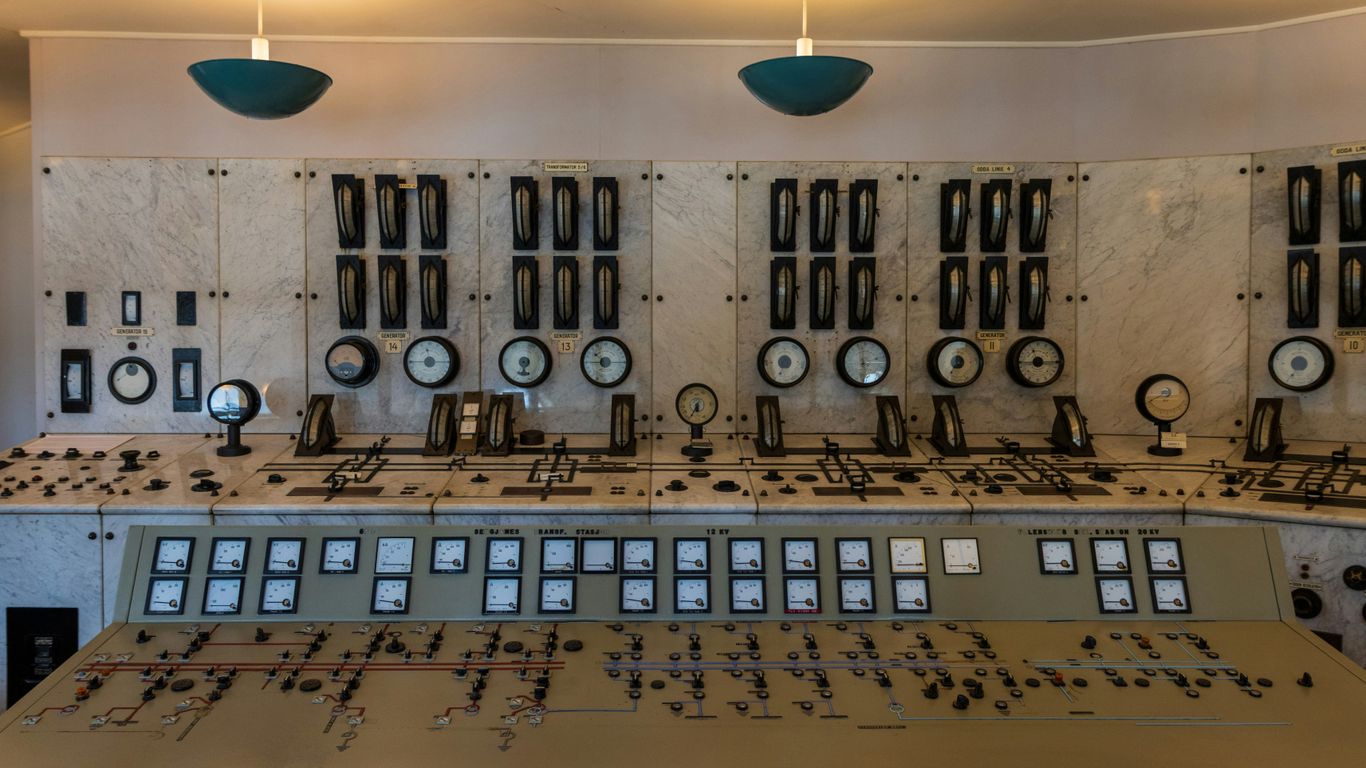
It feels like just yesterday we were talking about basic automation, and now? We’re seeing a complete overhaul of how power plants and grids operate, all thanks to digitalization. Think of it as moving from a clunky old flip phone to the latest smartphone – everything is faster, smarter, and way more connected.
From Analog to Intelligent Digital Grids
For ages, power grids ran on analog stuff. We’re talking about old-school transformers and protection relays that were, well, pretty basic. But that’s changing, fast. The shift is towards digital tech with super-fast communication. This move from analog to digital is the bedrock for building truly smart grids. It means we can handle all sorts of new challenges, like managing power from solar panels and wind turbines that aren’t always predictable.
IoT Integration for Enhanced Efficiency
Remember when the "Internet of Things" was just a buzzword? Now, it’s a real game-changer for power. We’re seeing sensors and devices all over the place, talking to each other constantly. This constant stream of data helps operators see exactly what’s happening in real-time. It’s like having a million eyes and ears across the entire system, spotting potential issues before they become big problems. This helps keep things running smoothly and efficiently.
Substation Automation and Intelligent Protection
Substations used to be just places to change voltage levels. Now, they’re becoming smart hubs. Protection, control, and monitoring are all integrated into one digital system. This means decisions can be made much quicker. The old way involved miles of wires; the new way uses digital messages over networks, making things way more flexible. If you need to change something or test equipment, you can often do it remotely, without even being there. This is a big deal, especially with more renewable energy sources coming online and needing quick adjustments to power flows.
Emerging Trends in Power Distribution
The way we get electricity to our homes and businesses is changing, and fast. It’s not just about power plants sending electricity out anymore. We’re seeing a big shift towards a more dynamic, two-way street for power flow. Think of it like this: instead of just a one-way highway, we’re building a network with lots of on-ramps and off-ramps, allowing power to move in multiple directions.
Bidirectional Orchestration of Power Flows
This is a pretty big deal. Utilities are increasingly using smart technology to manage power moving both ways on the grid. This means electricity can flow from traditional sources, but also from things like rooftop solar panels or battery storage systems back into the grid. AI plays a huge role here, helping to predict when and where power will be needed, and how much is coming from different sources. It’s all about balancing the grid in real-time, which is getting more complicated with all the new ways we generate and store power. This helps prevent those annoying outages and makes the whole system work better.
The Role of Microgrids in Future Power
Microgrids are like mini-power grids that can operate independently or connect to the main grid. They’re becoming more common, especially in areas prone to outages or for critical facilities. Imagine a neighborhood or a hospital that can keep its lights on even if the main power lines go down. This is thanks to microgrids, which often use local renewable sources like solar. They add a layer of reliability that’s really important as we face more extreme weather events. They’re not just a backup anymore; they’re becoming a smart part of the overall power puzzle.
Energy Trading and Grid Balancing
With more distributed energy sources, like solar panels on homes, the grid is becoming more complex. This complexity opens the door for new ways to trade energy. Utilities and even consumers can participate in energy markets, buying and selling power. This helps balance the grid – think of it as a constant negotiation to make sure there’s enough power where it’s needed, when it’s needed. It’s a bit like a stock market, but for electricity. This trading helps manage the variability of renewable energy sources and can even lead to cost savings for everyone involved.
Innovation in Energy Efficiency and Conservation
It feels like every year, we hear more about saving energy, and 2026 is no different. We’re seeing some really practical ideas move from just concepts to actual things being used. It’s not just about turning off lights anymore; it’s about smarter systems all around.
Smart Meters Driving Energy Savings
Remember when smart meters first started showing up? Well, they’re really starting to pay off now. These devices do more than just let the power company read your meter remotely. They give us a much clearer picture of exactly when and how we’re using electricity. This kind of detailed information helps folks make better choices about their usage, and for utilities, it means less wasted power. We’re seeing electricity loss rates drop by about 4% on average, and some companies are doing even better, cutting losses by 5-7%. That might not sound like a lot, but when you’re talking about the sheer amount of power flowing through the grid, it adds up to real savings and more reliable power for everyone.
Analytics-Driven Voltage Optimization
This one’s a bit more technical, but it’s pretty neat. Utilities are getting much better at managing the voltage on the power lines. Think of it like keeping the water pressure just right in your pipes – too high or too low, and things don’t work right. By using advanced analytics, power companies can fine-tune the voltage across different parts of the grid. This means equipment runs more smoothly, and we avoid wasting energy that gets lost when voltage is too high. It’s a behind-the-scenes fix that makes a big difference in how much power we actually get to use versus what gets lost along the way.
Reducing Electricity Loss Through Technology
Beyond smart meters and voltage control, there’s a whole host of other tech making sure power doesn’t just disappear into thin air. We’re talking about things like more efficient transformers, which are the workhorses of the distribution system. Older transformers can be pretty wasteful, but newer models are much better. Plus, there are new ways to manage the flow of electricity, especially with more renewable energy sources coming online. These systems help balance everything out, so power isn’t just sitting around or getting lost in transit. It’s all about making the grid work smarter, not harder, and that means less wasted energy and a more stable power supply for all of us.
Wrapping It Up
So, looking back at 2026, it’s clear the power plant world isn’t standing still. We’ve seen a big push towards smarter grids, with AI and IoT playing larger roles in keeping things running smoothly. Things like energy storage and microgrids are becoming more common, helping us deal with the ups and downs of renewable energy. It’s a lot to take in, but all these changes point to a more reliable and flexible energy future. It’s going to be interesting to see how these trends continue to develop and shape how we get our power in the years ahead.