SpaceX Starlink Constellation Expansion
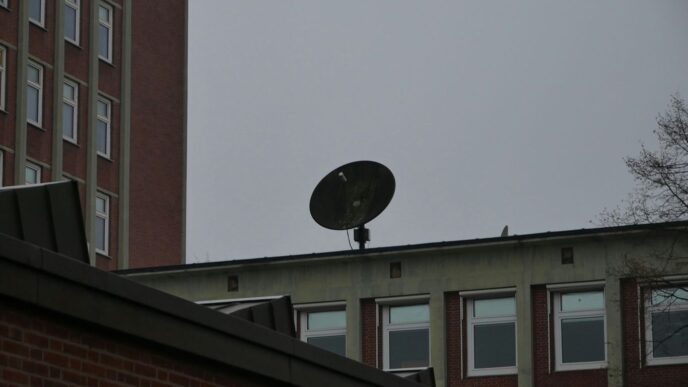
It’s pretty wild to think about, but SpaceX has officially crossed the 10,000-satellite mark for its Starlink internet constellation. We’re talking over 10,000 of those little internet dishes now whizzing around Earth in low orbit. This milestone comes less than seven years after they started putting these things up there, which is just a crazy pace.
Starlink Reaches 10,000 Active Satellites Milestone
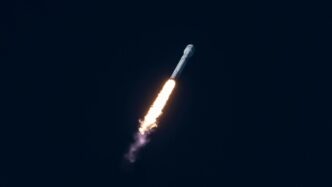
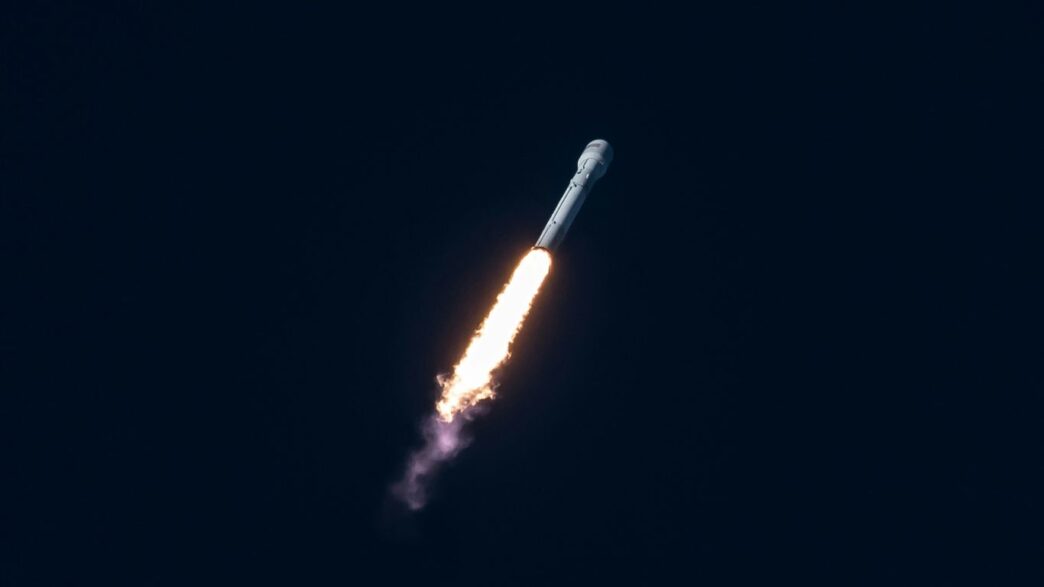
Just this past Tuesday, March 17th, SpaceX sent up two more batches of Starlink satellites. One launch from Vandenberg Space Force Base in California carried 25 satellites, and the other, from Cape Canaveral Space Force Station in Florida, added another 29. That second launch actually put the 10,000th active satellite into orbit. According to satellite trackers, out of the roughly 10,049 Starlink satellites launched so far, only about 10 are not working. That’s a pretty good track record for such a massive project. A lot more have been launched since 2019, but they’ve already burned up on re-entry, which is part of the plan for older satellites.
Recent Starlink Launches Bolster Low Earth Orbit Network
These recent launches are just business as usual for SpaceX, keeping the Starlink network growing. The mission from Vandenberg, Starlink 17-24, lifted off early Tuesday morning. The rocket’s first stage, Booster 1088, did its job for the 14th time, landing back on a drone ship out in the Pacific. Then, just hours later, another Falcon 9 rocket launched from Florida carrying 29 satellites for the Starlink 10-46 mission. That booster, number 1090, also made its return, landing on a drone ship in the Atlantic. This was SpaceX’s 34th Falcon 9 flight this year alone, and the 378th mission dedicated to Starlink.
SpaceX Continues Rapid Deployment of Broadband Satellites
It’s clear SpaceX isn’t slowing down with Starlink. They’re constantly adding to this massive network, aiming to provide internet access pretty much everywhere. The speed at which they’re deploying these satellites is really something else. It makes you wonder what the next big milestone will be and how quickly they’ll get there. It’s a huge undertaking, and seeing it grow so fast is pretty impressive, even if you’re not super into space stuff.
Lunar Lander Safety Concerns
Starlink Reaches 10,000 Active Satellites Milestone
It’s pretty wild to think about, but SpaceX has now got over 10,000 active satellites up there in orbit for their Starlink internet service. That’s a huge number, and it happened less than seven years after they started sending them up. They launched a couple of batches of satellites recently, adding 54 more to the sky. The 10,000th one was part of a launch from California, and then another 29 went up from Florida. So, out of all the Starlink satellites ever launched, about 10,049 are still working, which is pretty good, I guess. A lot of the older ones have burned up coming back through the atmosphere, which is just how space stuff works.
Recent Starlink Launches Bolster Low Earth Orbit Network
SpaceX has been busy launching Starlink satellites pretty much non-stop. Just recently, they sent up another 25 satellites from Vandenberg Space Force Base in California. That was part of their Starlink 17-31 mission. Then, they had another launch from Cape Canaveral Space Force Station in Florida, sending up 29 more satellites for the Starlink 10-48 mission. It feels like every week there’s another rocket heading up with more of these internet dishes. They’re really filling up that low Earth orbit.
SpaceX Continues Rapid Deployment of Broadband Satellites
It’s amazing how fast SpaceX is putting up these Starlink satellites. They’ve had a bunch of launches recently. For example, the Starlink 17-18 mission added 25 satellites, and the Starlink 10-46 mission sent up another 29. They’re really pushing to get their global internet service up and running. It’s a massive undertaking, and they seem to be doing it at a pace nobody else can match right now.
NASA Inspector General Highlights Gaps in Lunar Lander Safety
So, it turns out NASA’s own watchdog, the Office of Inspector General, has pointed out some issues with how we’re thinking about safety for lunar landers. They’re saying that while NASA is trying to figure out how to keep things safe and avoid problems on the Moon, there are still some holes in their plan. This includes how they’re testing things and what they’re considering if something goes wrong, even if it’s not a total disaster. It’s a bit concerning when you think about sending people back to the Moon.
SpaceX and Blue Origin Landers Under Scrutiny
Because of those safety concerns, the landers being built by companies like SpaceX and Blue Origin are getting a closer look. NASA’s Inspector General mentioned these companies specifically. They’re worried about what could happen if a lander has a serious problem, but the astronauts can still survive. It’s not just about preventing crashes, but also about what happens after a bad event. This is pretty important stuff when you’re planning missions to another world.
Addressing Hazards for Future Moon Missions
Getting humans back to the Moon safely means we really need to think through all the potential dangers. This includes everything from the launch itself to landing on the lunar surface and then getting back home. NASA and the companies involved need to make sure they’ve covered all their bases. Here are a few things that seem important:
- Thorough Testing: Making sure the landers can handle the harsh lunar environment and unexpected issues.
- Contingency Planning: Having solid plans for what to do if something breaks or goes wrong during the mission.
- Crew Survival Analysis: Really digging into what happens to the astronauts in different emergency scenarios.
It’s a complex puzzle, and getting it right is key for the success of future lunar exploration.
Vulcan Rocket’s Centaur Upper Stage Performance
United Launch Alliance’s Vulcan rocket has been doing pretty well, especially its Centaur upper stage. It’s apparently performed successfully on the first four flights of the rocket since it started flying in 2024. That’s good news for reliability. The Centaur 5 is also slated to be used on the Artemis 4 mission, which is a pretty big deal for NASA’s return-to-the-Moon program.
Centaur 5 Set for Artemis 4 Mission
Speaking of the Centaur 5, it’s going to be a key part of the Artemis 4 mission. This will be the first time the Centaur 5 is used as part of a Space Launch System rocket. Given its good performance so far, it seems like a solid choice for such an important mission in the Artemis program.
Artemis 2 Readiness Review Successful
Good news for the Artemis program: the readiness review for Artemis 2 just wrapped up, and all the teams gave the thumbs up. This means they’re ready to move forward with getting the spacecraft ready for its trip around the Moon. Of course, there are still a few things to finish up before it’s actually on the launch pad, but it sounds like they’re in a good spot.
Path Forward for Lunar Exploration Missions
With Artemis 2 looking good, NASA is clearly focused on the next steps for exploring the Moon. The successful readiness review is a big sign that they’re making progress. It shows that the planning and hard work are paying off, and they’re getting closer to sending astronauts back to the lunar surface for longer stays and more in-depth exploration.
PLD Space Secures Series C Funding
There’s some interesting news in the space funding world. PLD Space, a company working on rockets, just got a significant boost. They’ve secured their Series C funding, and a big chunk of that came from Mitsubishi Electric Corporation, which put in about $58 million. All in all, PLD Space has now raised over $400 million. That’s a lot of money, and it shows there’s still a lot of investor interest in the space industry.
Mitsubishi Electric Leads Investment Round
As mentioned, Mitsubishi Electric was a major player in PLD Space’s latest funding round. They led the investment, contributing a substantial amount. This kind of backing from established companies is often a good sign for newer space ventures, suggesting confidence in their technology and future prospects.
EchoStar 25 Satellite Launched by SpaceX
SpaceX had another successful launch recently, sending the EchoStar 25 satellite into orbit. This was actually their first launch this year that was headed for a geosynchronous transfer orbit. It took off from Cape Canaveral Space Force Station in Florida early in the morning. It’s always cool to see these big satellites heading off to their destinations.
Starlink Missions from Vandenberg and Cape Canaveral
We’ve seen a lot of Starlink launches lately, and they’re coming from different places. SpaceX launched a batch of Starlink satellites from Vandenberg Space Force Base in California, and then another group went up from Cape Canaveral Space Force Station in Florida. It shows how they’re using multiple launch sites to keep up with the demand for expanding their satellite internet constellation.
United Launch Alliance Updates
United Launch Alliance (ULA) has been making some solid progress with its Vulcan rocket program. The Centaur V upper stage, a key component for getting payloads to their final destinations, has been performing well on the Vulcan’s initial flights. We’ve seen it do its job successfully on the first four launches since 2024, which is pretty good news for reliability.
Looking ahead, the Centaur 5 is slated for a significant role in NASA’s Artemis program. It’s set to fly on the Artemis 4 mission, marking its first use as part of a Space Launch System rocket. This integration is a big step for ULA as it continues to support deep space exploration efforts.
Here’s a quick look at the Centaur V’s performance:
- Successful Upper Stage Operations: Demonstrated reliable performance across multiple Vulcan launches.
- Future Missions: Slated for critical roles in upcoming space endeavors, including the Artemis program.
- Artemis 4 Integration: Will fly as part of the Space Launch System for the first time on this mission.
This ongoing development shows ULA is working to keep its launch vehicles ready for the demanding missions ahead, especially as we aim to return humans to the Moon and beyond.
Artemis Program Progress
Artemis 2 Readiness Review Successful
NASA’s Artemis 2 mission is one step closer to launching astronauts around the Moon. Recently, all the teams involved in the mission gave a ‘go’ for the flight readiness review. This means they’re ready to move forward, pending the completion of a few final tasks before the rocket heads to the launch pad. Lori Glaze, who heads up Exploration Systems Development at NASA Headquarters, confirmed this positive step. This mission is a big deal because it’s the first crewed flight of the Artemis program, aiming to send humans back to the lunar vicinity.
Path Forward for Lunar Exploration Missions
The Artemis program is all about getting humans back to the Moon and eventually to Mars. After Artemis 2, which will fly around the Moon with a crew, the program has more ambitious goals. These include landing astronauts on the lunar surface and setting up a long-term presence there. The success of Artemis 2 will pave the way for future missions, like Artemis 3, which aims to land the first woman and first person of color on the Moon.
Here’s a look at what’s next:
- Artemis 3: Planned to land astronauts near the lunar south pole.
- Lunar Gateway: A small space station that will orbit the Moon, serving as a staging point for lunar surface missions.
- Sustained Lunar Presence: Establishing habitats and research facilities on the Moon.
The successful completion of the Artemis 2 readiness review is a significant indicator of progress towards these long-term lunar exploration goals.
Space Technology Funding and Investment
PLD Space Secures Series C Funding
Things are really heating up in the space industry, and it’s not just about rockets launching. A lot of money is flowing into companies that are building the future of spaceflight. Take PLD Space, for example. They just wrapped up a big Series C funding round, bringing in a significant amount of cash to keep their projects moving.
Mitsubishi Electric Corporation led the charge, putting in €50 million, which is about $58 million. This investment brings PLD Space’s total raised to over €350 million (around $407 million). It shows that big players are really betting on companies like PLD Space to make strides in space access. It’s pretty wild to think about how much capital is being poured into this sector right now.
Mitsubishi Electric Leads Investment Round
As mentioned, Mitsubishi Electric’s involvement is a pretty big deal. Their investment isn’t just a drop in the bucket; it’s a substantial commitment. This kind of backing from established corporations often signals confidence in the technology and the business plan. For PLD Space, it means they can continue developing their launch vehicles and services without as much worry about day-to-day finances. It’s a good sign for the broader European space market too, showing that there’s serious interest and financial backing for new launch providers.
Here’s a quick look at the funding:
| Investor | Investment Amount | Round |
|---|---|---|
| Mitsubishi Electric Corp. | €50 million | Series C |
Total Raised by PLD Space:
- Over €350 million
- Approximately $407 million
This kind of financial muscle is what companies need to push the boundaries and bring new capabilities to space. It’s exciting to see where this funding will take PLD Space and what new launch options might become available.
Key Satellite Launch Details
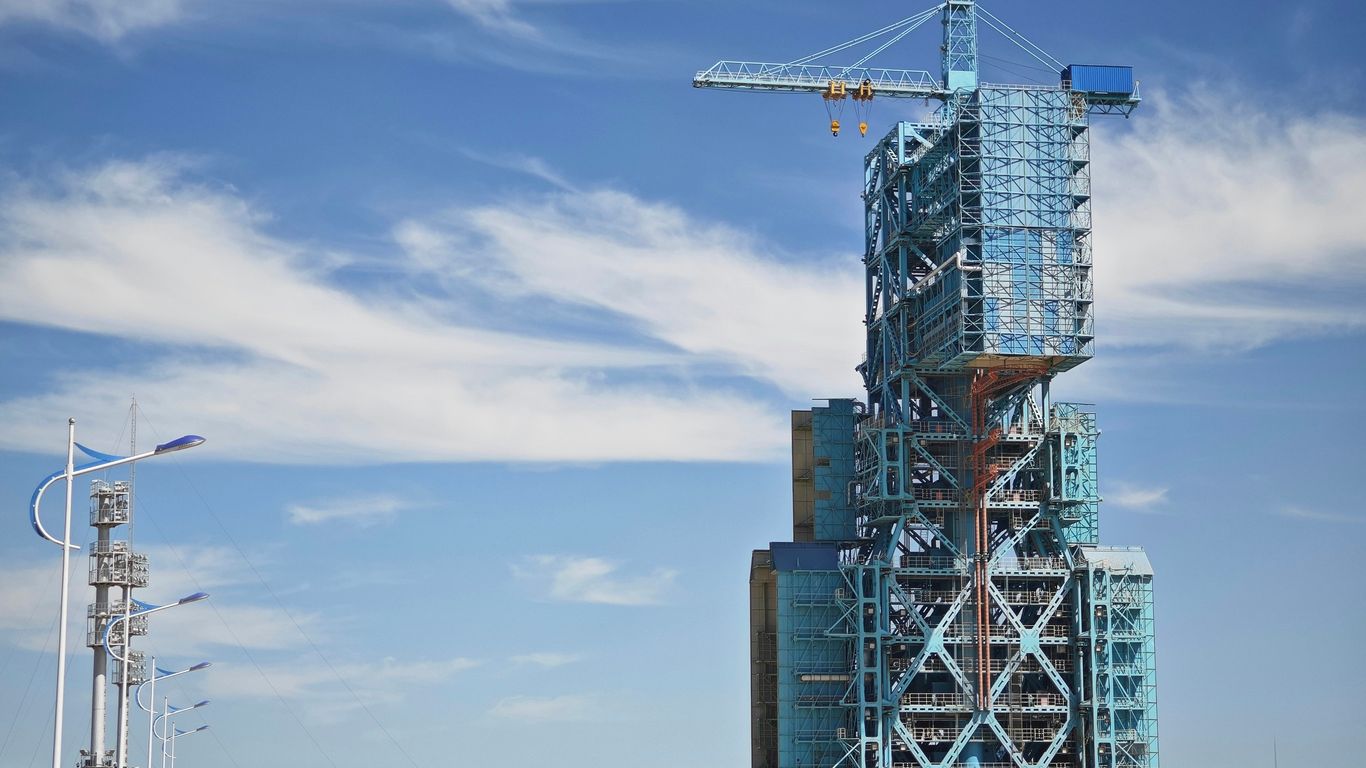
SpaceX has been busy lately, sending up more satellites for its Starlink internet service. It’s pretty wild how many they’ve launched.
EchoStar 25 Satellite Launched by SpaceX
SpaceX recently launched the EchoStar 25 satellite. This was their first trip to a geosynchronous transfer orbit this year. The launch happened early on March 17th, 2026, from Cape Canaveral Space Force Station. It lifted off just after midnight, local time. This kind of orbit is different from the usual low Earth orbit where Starlink satellites go, so it’s a bit of a special mission.
Starlink Missions from Vandenberg and Cape Canaveral
SpaceX continues to add to its Starlink constellation at a rapid pace. On March 17th, 2026, they had launches from two different locations:
- Vandenberg Space Force Base, California: A Falcon 9 rocket took off carrying 25 Starlink satellites. This launch was part of the Starlink 17-31 mission. The rocket lifted off in the morning, Pacific time.
- Cape Canaveral Space Force Station, Florida: On the same day, another Falcon 9 launched 29 Starlink satellites. This was the Starlink 10-46 mission, also launching in the morning, Eastern time.
These launches are part of SpaceX’s ongoing effort to build out its global broadband internet network. It’s impressive how they manage multiple launches from different sites so close together. The company is really pushing the boundaries of how many satellites can be deployed.
Wrapping Up the Latest Space News
So, that’s a look at what’s been happening lately in the world of space. We saw SpaceX sending up more Starlink satellites, adding to that big internet constellation. There was also news about the United Launch Alliance’s Vulcan rocket doing well and some updates on NASA’s Artemis program. Plus, a company called PLD Space got some new funding. It’s a busy time for space tech, with lots of launches and developments happening all the time. It’s pretty cool to see how much is going on.