Hey everyone, let’s catch up on the latest semiconductor update. Things have been moving pretty fast in the chip world lately, with some big sales numbers and important people making moves. It’s a complex industry, for sure, but I’ll break down what you need to know this week so you’re in the loop.
Key Takeaways
- Third-quarter sales for semiconductors showed strong growth, with August numbers beating expectations and July seeing a big jump compared to last year.
- Dr. Lisa Su from AMD is now the Chair of the SIA, and John Neuffer, the long-time CEO, is planning to retire.
- The industry is talking a lot about how AI and semiconductors depend on each other, and some university research is getting recognized for new ideas.
- There’s a focus on supply chain security, with support for initiatives like Pax Silica and calls for fixing environmental permitting processes.
- Looking ahead, sales are projected to hit a massive $1 trillion by 2026, with November sales already reaching record highs.
Global Semiconductor Market Trends
Third Quarter Sales Show Strong Growth
The third quarter of 2025 wrapped up with some really solid numbers for the semiconductor market. Global sales hit $208.4 billion, which is a pretty nice jump of 15.8% compared to the second quarter. It looks like things are really picking up steam.
August Sales Exceed Expectations
August was a good month, too. Worldwide chip sales reached $64.9 billion. That’s a 21.7% increase from August of last year, and it’s also 4.4% higher than what we saw in July. So, the upward trend is definitely continuing.
July Sees Significant Year-Over-Year Increase
Looking back at July, the numbers were also quite strong. Global sales for that month were $62.1 billion. This represents a 20.6% increase when you compare it to July 2024. It’s clear that the demand for semiconductors has been growing steadily over the past year.
Key Industry Leadership and Policy
This week, we’re seeing some significant shifts in the leadership and policy landscape of the semiconductor industry. It’s always interesting to see who’s stepping up and what directions the industry associations are taking.
Dr. Lisa Su Elected SIA Chair
Big news from the Semiconductor Industry Association (SIA) this week: Dr. Lisa Su, the current Chair and CEO of AMD, has been elected as the new Chair of the SIA Board of Directors. This is a pretty big deal. The SIA represents a huge chunk of the global semiconductor market, so having someone like Dr. Su at the helm is definitely noteworthy. She’s known for her work in driving innovation and growth at AMD, and many are looking to her to bring that same energy to the SIA. Her leadership comes at a time when the industry is facing both incredible opportunities and complex challenges.
John Neuffer Announces Retirement
On the flip side, we also have news that John Neuffer, who has been the President and CEO of the SIA for over a decade, is planning to retire mid-2026. Neuffer has been a steady hand at the wheel, guiding the SIA through many important policy discussions and achievements. His tenure has seen significant policy wins that have really helped strengthen the industry. It’s always a bit sad to see a long-serving leader move on, but after 11 years, it’s understandable.
SIA Welcomes U.S. Trade Deals
The SIA has also put out a statement welcoming new U.S. trade agreements with several countries in Southeast Asia. This region has become increasingly important for semiconductor supply chains, so these deals are seen as a positive step. It highlights the growing role of Southeast Asia in the global chip-making picture. The association is hopeful these agreements will help smooth out some of the complexities in international trade for the industry.
Advancements in Semiconductor Technology
AI and Semiconductor Interdependence Highlighted
It’s pretty clear that artificial intelligence and the chips that power it are kind of a package deal these days. You can’t really have one without the other, right? AI needs these super-powerful processors to crunch all the data, and in turn, the demand for AI is pushing chipmakers to create even better, faster, and more efficient silicon. We’re seeing a lot of focus on specialized chips designed specifically for AI tasks, which is a big change from just a few years ago when general-purpose processors did most of the heavy lifting. This whole relationship is driving a lot of innovation.
The American AI Exports Program is a key initiative looking to strengthen U.S. leadership in this area. It’s all about making sure that the technology developed here can be used globally, while also keeping American companies competitive. It’s a complex balancing act, for sure.
University Research Awards Recognize Innovation
Speaking of innovation, it’s great to see universities getting some well-deserved recognition for their work in semiconductor research. The SIA, along with the Semiconductor Research Corporation, recently handed out some awards to professors from Cornell University and the University of Michigan. These folks are doing some really important work that could shape the future of chips. Think about things like new materials, advanced designs, and ways to make chips more powerful and use less energy. It’s these kinds of breakthroughs happening in labs that eventually make their way into the devices we use every day. It’s a reminder that a lot of the cutting-edge stuff starts with dedicated research.
Here’s a look at some of the areas these awards often highlight:
- New materials for more efficient transistors.
- Advanced packaging techniques to fit more power into smaller spaces.
- Innovative chip architectures for specific applications like AI and quantum computing.
- Methods to improve chip reliability and reduce power consumption.
Supply Chain and Geopolitical Considerations
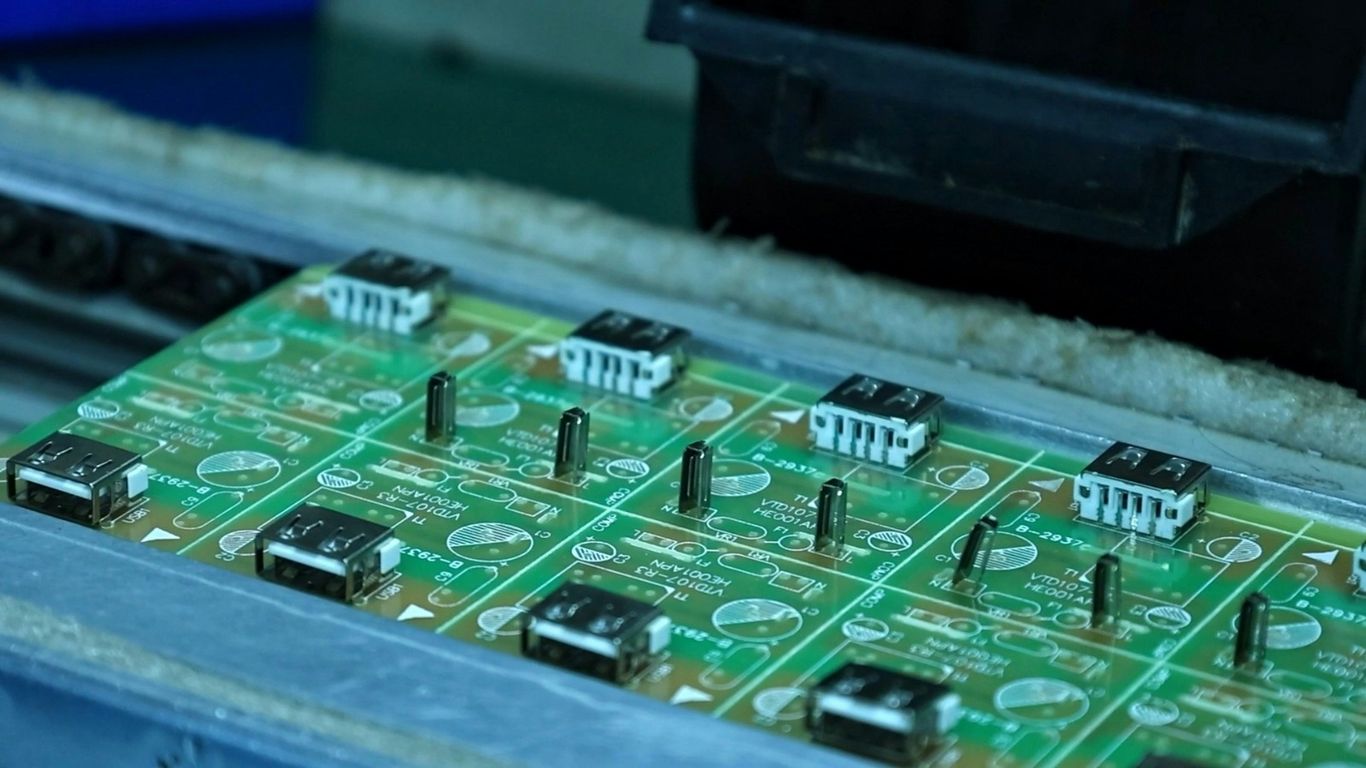
It’s no secret that the semiconductor world is a bit of a tangled web these days. Things are constantly shifting, and keeping track of where everything comes from and where it’s going can feel like a full-time job. The global landscape is changing, and that definitely impacts how chips get made and distributed.
One big thing is the growing role of Southeast Asia. Countries in this region are becoming more and more important for the whole semiconductor process. The U.S. has been making some new trade deals with these nations, which is a good sign for keeping things moving smoothly. It’s all about building stronger connections and making sure we have reliable places to get our chips from. You can see how these trade deals are shaping up here.
Then there’s the whole environmental side of things. Building new chip factories and expanding existing ones takes time, and sometimes the rules around environmental reviews can slow things down. There’s a push to make these processes a bit quicker and more efficient, without losing sight of protecting the environment, of course. The goal is to speed up projects that are important for the economy.
And let’s not forget about initiatives like Pax Silica. This is a U.S. State Department effort focused on AI and making sure our supply chains are secure. It’s a sign that governments are really paying attention to these issues and trying to get ahead of potential problems. It’s all part of a bigger picture to keep the industry stable and growing.
Future Outlook for the Semiconductor Industry
November Sales Reach Record Highs
Looks like the chip makers had a fantastic November. Global sales hit a new peak, reaching $75.3 billion. That’s a pretty big jump, almost 30% higher than last November. Plus, sales were up 3.5% from October, which is also good news. It seems like things are really picking up speed.
October Sales Show Month-to-Month Gains
October was another strong month for chip sales, bringing in $72.7 billion. This was a nice 4.7% increase compared to September. It’s great to see this kind of steady growth happening.
Projected $1 Trillion in Sales by 2026
Looking ahead, the numbers are pretty impressive. Experts are now predicting the global semiconductor market could hit $1 trillion in sales by 2026. This growth is being fueled by a few key areas:
- Artificial Intelligence (AI): AI is a huge driver, needing more and more powerful chips.
- Electric Vehicles (EVs): Cars are becoming more like computers on wheels, requiring a lot of semiconductor tech.
- 5G/6G Infrastructure: The next generation of wireless communication needs advanced chips to work.
Of course, there are still some bumps in the road, like global politics and making sure we have enough chips to go around, but the overall picture looks really bright for the industry.
Wrapping It Up
So, that’s the scoop on what’s happening in the semiconductor world this week. We saw some pretty solid sales numbers, showing the industry is still growing strong. Plus, there’s a lot of talk about trade deals and how they might help things run smoother. It’s clear that chips are a big deal for everything from AI to our phones, and folks are working on making sure the supply chain stays steady. Keep an eye on this space, because things are always changing.
Frequently Asked Questions
How did chip sales do in the last few months?
Chip sales have been doing really well! In September, sales went up a lot compared to last year. August also saw a big jump compared to the year before, and July showed a nice increase over the previous year too. It looks like October and November were even better, with sales hitting new highs and showing steady growth month after month.
Who is leading the Semiconductor Industry Association (SIA) now?
Dr. Lisa Su, who is the head of AMD, has been chosen to lead the SIA’s board. This is a big deal! Also, the current leader, John Neuffer, is planning to retire soon. The SIA is also happy about new trade agreements with countries in Southeast Asia.
What’s new with chip technology?
There’s a lot of focus on how artificial intelligence (AI) and computer chips work together. They really depend on each other. Also, some smart university researchers are getting awards for their cool new ideas in chip technology.
Are there any big plans for chip making and where they come from?
Yes, there are! The U.S. government has a plan called ‘Pax Silica’ to help with AI and making sure we have enough chips. They also want to make it easier and faster to get permits for building new chip factories. Southeast Asia is becoming a really important place for making chips.
What’s the future looking like for chips?
The future looks very bright! Experts predict that the chip market could reach a massive $1 trillion in sales by 2026. This is because more and more things, like AI, electric cars, and super-fast internet, need these tiny, powerful chips.
Why are trade deals with Southeast Asia important for chips?
Southeast Asian countries are becoming super important for making and supplying computer chips. When the U.S. makes trade deals with these countries, it helps ensure that we can get the chips we need smoothly and reliably. It’s all about making sure the path for chips from where they are made to where they are used is strong and steady.