Thinking about making your home a bit more ‘smart’? It’s a big topic these days, and honestly, figuring out which smart home companies in the USA are actually worth your time and money can feel like a puzzle. There are so many gadgets and brands out there, it’s enough to make your head spin. But don’t worry, we’ve looked into what’s happening in 2025 to help you get a handle on the top players and what they’re bringing to the table. Whether you’re after better security, simpler automation, or just some cool new tech, this guide is here to break it down.
Key Takeaways
- Google, Amazon, and Apple are big names in smart home tech, each with their own way of doing things.
- For home security, companies like Ring, SimpliSafe, and Arlo are making waves with their cameras and alarm systems.
- Automation and control are getting easier with brands like Honeywell for thermostats and Philips Hue for lighting.
- Keep an eye on newer companies like Sonos for audio and eufy for a range of devices.
- When picking devices, check if they work together and how easy they are to use.
Top Smart Home Companies Shaping the Future
It feels like just yesterday we were talking about smart speakers as a novelty, and now, look at us. The smart home world is exploding, and a few big players are really leading the charge, making our homes more connected and, let’s be honest, a bit more futuristic. These companies aren’t just selling gadgets; they’re building entire ecosystems that talk to each other, making everyday tasks simpler and our lives a little easier. It’s about creating a home that works for you, not the other way around.
Google’s Expanding Smart Home Ecosystem
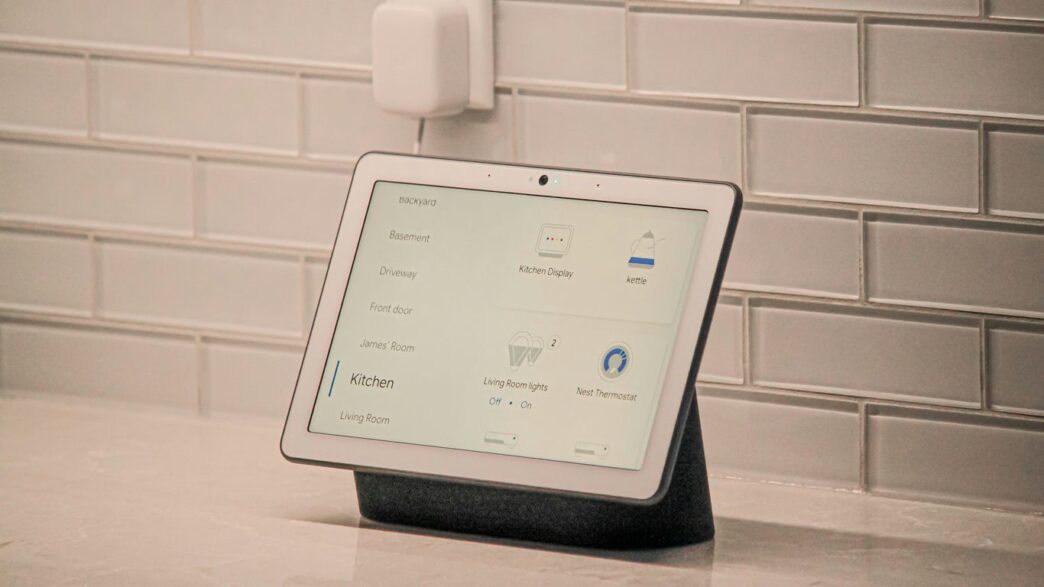
Google has been quietly building a pretty impressive smart home setup. Their Google Home app is the central hub for a lot of devices, and with the Google Assistant, you can control a ton of things just by talking. They’ve got smart speakers like the Nest Audio, smart displays that show you information at a glance, and they’re constantly adding more compatible devices. It’s all about making information and control accessible. Think about asking your speaker for the weather while your smart display shows you a recipe, or telling your lights to dim for movie night – Google’s ecosystem aims to make that happen smoothly.
Amazon’s Dominance in Smart Home Technology
When you think smart home, chances are Amazon comes to mind pretty quickly, right? They’ve really cornered the market, especially with their Alexa voice assistant and Echo devices. It’s hard to ignore how many people use Alexa to control their lights, play music, or even order groceries. Amazon’s strategy seems to be about making smart home tech accessible and affordable, with a huge range of their own products and a massive number of third-party devices that work with Alexa. They’ve got everything from smart plugs to security cameras, all designed to integrate into that familiar Alexa interface.
Apple’s Integrated Smart Home Approach
Apple takes a slightly different route. Their focus is on creating a tightly integrated experience for those already in the Apple ecosystem. With the Home app and HomeKit, Apple devices work together really well. If you’ve got an iPhone or an iPad, setting up and controlling HomeKit-compatible devices feels pretty straightforward. They emphasize privacy and security, which is a big deal for a lot of people. While maybe not as broad as Amazon or Google in terms of sheer device numbers, Apple’s strength lies in how well its own products and compatible accessories play together, offering a polished and secure smart home experience.
Leading Smart Home Companies in USA for Security
When it comes to keeping your home and loved ones safe, the right smart security system makes all the difference. It’s not just about alarms anymore; it’s about smart cameras, sensors, and systems that work together. These companies are at the forefront of making home security smarter and more accessible.
Ring: Revolutionizing Home Security
Ring has become a household name, largely thanks to its video doorbells. But the Ring Alarm system offers a lot more. It’s a pretty straightforward setup, often something you can do yourself without needing a professional installer. You get contact sensors for doors and windows, motion detectors, and a keypad. What’s cool is how it integrates with Alexa, so you can arm or disarm the system with your voice. They also have a range of cameras, both indoor and outdoor, that give you eyes on what’s happening around your property. It’s a solid choice if you want a system that’s easy to use and expands with your needs.
SimpliSafe: Reliable DIY Security Solutions
SimpliSafe is another big player in the DIY security space. They focus on providing robust protection without the hassle of long-term contracts. Their systems are known for being reliable and easy to set up. You can pick and choose the components you need, from entry sensors and motion detectors to glass break sensors and even environmental sensors for smoke and carbon monoxide. A big plus is their professional monitoring option, which is available without a contract, giving you peace of mind that someone is watching out for you 24/7. Many homeowners find their top home security systems are a great balance of cost and effectiveness.
Arlo: Advanced Smart Camera Systems
While many companies offer cameras, Arlo really shines in this area. They are known for their high-quality, often wire-free, security cameras that can be placed almost anywhere. Arlo cameras offer sharp video resolution, good night vision, and smart detection features that can tell the difference between people, packages, animals, and vehicles. This helps cut down on false alarms. They also have video doorbells and some integrated security system components, but their cameras are the main draw. If crystal-clear video footage and advanced camera features are your priority, Arlo is definitely worth a look.
Innovators in Smart Home Automation and Control
Making your home work for you is the whole point of a smart home, right? It’s not just about having cool gadgets; it’s about them actually making life easier. That’s where automation and control come in. Think about it: instead of fiddling with apps or switches all day, your home can handle things on its own. This section looks at some companies really pushing the boundaries in making that happen.
Honeywell: Smart Thermostats and Beyond
When you think of home comfort, Honeywell is probably one of the first names that comes to mind. They’ve been in the thermostat game forever, and their smart thermostats are a big reason why. These aren’t just fancy temperature controllers; they learn your habits and adjust the heating and cooling automatically. This means you save energy without even trying, and you always come home to a comfortable house. But Honeywell isn’t stopping there. They’re expanding their smart home line to include other devices that can work together, aiming to give you more control over your home environment.
Wyze: Affordable Smart Home Essentials
Wyze has made a name for itself by offering smart home tech that doesn’t break the bank. You can get a lot of bang for your buck with their products. They started with affordable cameras and have since branched out into smart bulbs, plugs, and even vacuums. The cool part is how they try to keep things simple. You can often control multiple Wyze devices from a single app, which cuts down on the usual app-juggling act. They’re a great option if you’re just starting out or want to add smart features without spending a fortune.
Philips Hue: Intelligent Lighting Solutions
Lighting is a huge part of setting the mood in your home, and Philips Hue really gets that. Their smart bulbs and fixtures let you do more than just turn lights on and off. You can change colors, adjust brightness, and even set lights to sync with music or movies. Imagine your living room lights dimming automatically when you start a movie, or waking up to a gradually brightening light that mimics the sunrise. Philips Hue makes these kinds of automated lighting scenes easy to set up and enjoy, turning ordinary rooms into dynamic spaces.
Emerging Smart Home Companies to Watch
While the big names like Google and Amazon get a lot of the spotlight, there are some really interesting companies out there doing cool things in the smart home space. These are the ones to keep an eye on, the ones that might just surprise you with their innovation and value. It’s not just about the giants anymore; smaller, focused companies are making a real impact.
Sonos: Premium Smart Audio Integration
Sonos has been a player in the audio world for a while, but they’ve really leaned into smart home integration. They make it easy to get great sound throughout your house, all controlled from your phone or voice assistant. Their systems are designed to work together, creating a whole-home audio experience that’s pretty hard to beat. If you care about sound quality and want it to be smart, Sonos is definitely worth a look. They’ve got speakers for every room, and setting them up is usually pretty straightforward.
LIFX: Vibrant Smart Lighting Options
When it comes to smart lighting, LIFX stands out. They offer a huge range of colors and effects, letting you really customize the mood in your home. Forget those basic white bulbs; LIFX bulbs can do it all. They connect directly to your Wi-Fi, so you don’t always need a separate hub, which is a nice bonus. Whether you want to set a relaxing evening vibe or a bright, energetic morning scene, LIFX has you covered. You can find a lot of information on different smart home products on leading smart home companies.
eufy: Comprehensive Smart Home Devices
eufy is another brand that’s been quietly building a solid reputation. They offer a wide variety of smart home gadgets, from security cameras and video doorbells to robot vacuums and smart scales. What’s cool about eufy is that they often focus on providing good value without sacrificing quality. Many of their devices are designed to work together, making it easier to build out your smart home system piece by piece. They’re a good option if you’re looking for reliable tech that won’t break the bank.
Understanding Smart Home Connectivity and Platforms
So, you’ve got a few smart gadgets lying around, maybe a smart speaker and a smart light bulb. That’s cool, but how do they all talk to each other? And more importantly, how do they talk to you? That’s where connectivity and platforms come into play. It’s not just about having cool tech; it’s about making sure it all works together without a hitch.
The Role of Smart Home Hubs
Think of a smart home hub as the central brain for all your connected devices. Instead of each gadget trying to connect directly to your Wi-Fi or your phone, they all talk to the hub. This can make things simpler, especially if you have a lot of different brands. The hub can translate between different communication languages that devices use, like Zigbee or Z-Wave, and your home’s Wi-Fi network. Some hubs are standalone devices, while others are built into smart speakers. It’s a good idea to check if a hub supports the types of devices you already own or plan to buy. This helps avoid those frustrating moments when a new gadget just won’t connect.
Voice Assistant Compatibility
Voice assistants like Amazon Alexa, Google Assistant, and Apple’s Siri are pretty much the face of smart homes for a lot of people. You can tell them to turn on lights, adjust the thermostat, or even play music. But for this to work, your smart devices need to be compatible with your chosen voice assistant. Most major brands make sure their products work with at least one, if not all, of the big assistants. It’s worth looking at the packaging or product description to see which voice assistants are supported. This compatibility is key to getting that "hands-free" smart home experience.
The Impact of Matter on Smart Home Companies
There’s a new standard called Matter that’s trying to make things a lot easier for everyone. Basically, it’s a way for smart home devices from different companies to work together more reliably. Before Matter, you might have had to worry if your Philips Hue lights would work with your Google Nest thermostat. Matter aims to fix that by creating a common language for devices to speak. Companies are starting to build Matter support into their new products, and older devices might get updates. This is a big deal because it means you’ll have more freedom to mix and match brands without worrying about compatibility issues. The Connectivity Standards Alliance is working hard to get more platforms certified for Matter, which should make things much smoother for consumers.
Here’s a quick look at how some common connection types stack up:
- Wi-Fi: The most common, good for speed, but can use more power.
- Bluetooth: Great for short-range, like connecting headphones, but not ideal for whole-home systems.
- Zigbee & Z-Wave: Low-power options designed for smart home devices, often used by hubs.
- Cellular Backup: Important for security systems in case your internet goes down.
Choosing the Right Smart Home Companies for Your Needs
So, you’re ready to jump into the smart home world, huh? It’s exciting, but also, let’s be honest, a little overwhelming. With so many companies out there making everything from smart bulbs to security cameras, figuring out who to trust with your home can feel like a big decision. It’s not just about buying gadgets; it’s about building a system that works for you, day in and day out. The key is to pick companies that fit your lifestyle and your tech comfort level.
Assessing Device Compatibility
This is probably the most important thing to think about first. You don’t want to end up with a bunch of cool smart devices that can’t talk to each other. It’s like having a bunch of people at a party who all speak different languages – nobody’s having a good time.
- Check the Ecosystem: Are you already invested in, say, Google’s products? Or maybe you’re an Apple person through and through? Sticking within a familiar ecosystem often makes things much smoother. Google Home devices generally play well with Android, and Apple’s HomeKit is built for its devices.
- Look for "Works With" Labels: Many products will clearly state if they work with Amazon Alexa, Google Assistant, or Apple HomeKit. This is your quick cheat sheet.
- Consider Matter: This is a newer standard that aims to make devices from different brands work together more easily. While it’s still growing, devices that support Matter are a good bet for future-proofing your setup.
Prioritizing User Experience
What’s the point of a smart home if it’s complicated to use? You want things to be simple, intuitive, and maybe even a little fun. Think about who will be using these devices. If it’s just you, maybe you’re okay with a slightly more technical setup. But if kids or less tech-savvy relatives will be involved, simplicity is king.
- App Design: How does the company’s app look and feel? Is it easy to find what you need? Can you control everything from one place, or do you need a dozen different apps?
- Setup Process: Was it a breeze to get the device connected, or did it involve a lot of troubleshooting and calling customer support? Companies like Wyze often get praise for making setup really straightforward.
- Voice Control: If you plan on using voice commands, how well does the voice assistant understand you? Does it respond quickly? Amazon Alexa and Google Assistant are generally top-notch here.
Considering Long-Term Value
Smart home tech isn’t exactly cheap, so you want to make sure your investment pays off over time. This means thinking about more than just the initial price tag.
- Durability and Reliability: Will this device last? Is the company known for making solid products that don’t break after a year? Reading reviews from actual users can give you a good idea.
- Software Updates: Companies that regularly update their software keep their devices secure and often add new features. This shows they’re committed to their products long after you buy them.
- Customer Support: If something does go wrong, how easy is it to get help? Good customer support can save you a lot of headaches. Companies like SimpliSafe often get good marks for their support.
Ultimately, the "best" smart home companies are the ones that best match your personal needs and preferences. Take your time, do a little research, and you’ll build a smart home that actually makes your life easier.
Wrapping It Up
So, there you have it. Getting your home set up with smart tech in 2025 doesn’t have to be a huge headache. We’ve looked at some of the top companies making things like smart lights, speakers, and security systems that actually work well. Remember, you don’t need to go all-in at once. Start with one or two things that make your life easier, and build from there. The goal is to make your home work for you, not the other way around. Happy smartening!
Frequently Asked Questions
Are smart home gadgets really worth the money?
Smart home devices can make your life much easier and more convenient. Imagine being able to turn off lights you forgot about from your phone, or adding to your shopping list just by talking to a speaker. Some devices, like smart thermostats, can even help you save money on energy bills by learning your habits and adjusting the temperature automatically. Plus, smart lights and plugs can be scheduled to save power when you’re not home.
How do I connect all my smart devices together?
Setting up most smart devices, like plugs or light bulbs, is usually pretty straightforward. Even things that seem more complicated, like smart thermostats, are often easy to install yourself. If you’re unsure, it’s always a good idea to get a professional to help. For controlling everything, popular choices like Amazon Alexa and Google Assistant work with thousands of different devices, making it easier to find ones that play nicely together.
What are the biggest companies making smart home stuff?
Big names like Google, Amazon, and Apple are well-known for their smart speakers and control centers. But there are many other great companies too. Sonos makes awesome smart speakers, and Wyze offers affordable smart plugs and lights. Companies like Honeywell are known for their smart thermostats, and many reliable smart locks come from brands that have been making locks for a long time.
What is ‘Matter’ and why does it matter for smart homes?
Matter is a new project designed to make it easier for smart home devices from different companies to work together. Think of it like a common language that all your smart gadgets can speak. While it’s still developing, many major smart home companies are supporting it, which should lead to more seamless connections between your devices in the future.
Where should I start if I want to build a smart home?
A great place to begin is with a smart speaker or smart display. These act as the main control center for your smart home, allowing you to use voice commands. Many affordable options are available, and sometimes you can even get them for free through special deals. Once you have a speaker, you can gradually add other devices like smart lights or plugs as you go.
What kind of smart home devices are popular right now?
Smart lighting is really popular; you can change colors, set schedules, and even sync them with your phone. Smart security cameras are also a big hit, with many people checking their feeds daily. Smart thermostats are great for saving energy, and smart plugs let you control older appliances. Basically, there’s a smart version of almost any device you can think of now, from doorbells to air quality monitors.