

Leads Biolabs is making waves in the life sciences world, especially when it comes to figuring out new ways to help people with autoimmune diseases. They’ve got this one drug candidate, LBL-047, that seems pretty promising. It’s all about targeting specific parts of the immune system that go haywire in these conditions. The company itself was started by some experienced folks who really seem to know their stuff, and they’re focused on creating treatments that are not only effective but also easier for patients to use. It’s clear they’re trying to fill some big gaps in what’s currently available for treatment.
Key Takeaways
- Leads Biolabs is developing LBL-047, a new bispecific antibody for autoimmune diseases that targets B cells and pDCs.
- LBL-047 works by trapping BAFF and APRIL to control B cell activity and inhibiting interferon release from pDCs.
- The company was founded by experienced U.S.-trained scientists and has a broad pipeline of over twenty drug candidates.
- Leads Biolabs presented its findings on LBL-047 at the EULAR Congress, highlighting its potential for safer and more effective treatments.
- The company’s strategy focuses on creating treatments that improve patient compliance and address unmet medical needs in autoimmune conditions.
Leads Biolabs: Advancing Autoimmune Disease Therapies
Leads Biolabs is really pushing the envelope when it comes to finding new ways to treat autoimmune diseases. It’s a complex area, and they’re tackling it head-on with some pretty innovative science. Their main focus right now is on a new drug candidate called LBL-047, and it’s showing some serious promise.
LBL-047: A Novel Bispecific Antibody Candidate
So, LBL-047 is a bit different from your typical treatments. It’s what they call a bispecific antibody fusion protein, which basically means it’s designed to do two jobs at once. It targets two key players involved in autoimmune flare-ups: TACI and BDCA2. This dual-action approach is what makes LBL-047 stand out. It’s built to be long-acting too, which could mean fewer doses for patients, a big win for convenience.
Mechanism of Action for LBL-047
How does it actually work? Well, autoimmune diseases often involve the immune system mistakenly attacking the body. Two types of cells, B cells and plasmacytoid dendritic cells (pDCs), are often central to this problem. LBL-047 has a couple of tricks up its sleeve.
- It traps cytokines BAFF and APRIL: These are like signals that tell B cells and plasma cells to keep going, which is bad news in an autoimmune situation. By trapping them, LBL-047 helps shut down those signals.
- It suppresses interferon release: pDCs are known for releasing interferons, which can ramp up the immune attack. LBL-047 has a component that specifically targets pDCs and tells them to calm down.
- It can eliminate pDCs: The antibody part can actually mark pDCs for destruction by other immune cells, further reducing their harmful activity. A special modification makes this cell-killing action stronger and also helps the drug stick around longer in the body.
Preclinical Efficacy and Pharmacokinetic Profile
Before any drug can be used in people, it has to go through a lot of testing in the lab and in animals. LBL-047 has been put through its paces in these preclinical studies, and the results look good. It’s shown a strong ability to reduce the harmful signals and cells involved in autoimmune responses. In animal models that mimic conditions like multiple sclerosis, it helped ease symptoms. Plus, studies in monkeys showed that the drug stayed in their system for a good while – up to six weeks – and significantly lowered certain antibody levels. This suggests it could be a really effective option for a range of autoimmune conditions, potentially offering a more convenient treatment schedule.
The Innovation Engine at Leads Biolabs
Founding and Vision of Leads Biolabs
Leads Biolabs got its start back in 2014, founded in Nanjing by a group of scientists who had trained extensively in the U.S. Their main goal from the beginning was pretty clear: to discover and develop new kinds of antibody drugs. It wasn’t just about making drugs, though. The company is really focused on creating treatments that are not only effective but also safe, accessible, and affordable for people who need them. They saw a lot of unmet medical needs out there and wanted to do something about it.
Diverse R&D Pipeline
What’s really interesting about Leads Biolabs is the sheer variety of their research. They’ve got more than twenty different molecules in the works. These aren’t all for the same thing, either. Their pipeline covers a few big areas: tumor immunotherapy, which is about using the body’s own defenses to fight cancer; autoimmunity, the focus of much of their current work; and antibody-drug conjugates, or ADCs, which are a clever way to deliver potent drugs directly to cancer cells. This broad approach shows they’re not putting all their eggs in one basket and are exploring multiple avenues to tackle tough diseases.
Commitment to Patient Needs
Everything Leads Biolabs does seems to circle back to the patient. You see it in their founding vision and in the way they talk about their research. They’re not just chasing scientific breakthroughs for their own sake. They’re driven by the desire to make a real difference in people’s lives, especially for those with conditions that don’t have good treatment options right now. This patient-first mentality is probably what keeps their research team motivated and focused on finding those next-generation therapies.
Global Reach and Scientific Collaboration
Presentation at EULAR Congress
Leads Biolabs recently had the chance to present their work at the EULAR Congress, a pretty big deal in the autoimmune disease world. Think over 18,000 experts and researchers from all over the globe, all gathered to talk about the latest science. Huang Xiao, who heads up Discovery Research at Leads Biolabs, was there and talked about their own drug candidate, LBL-047. He mentioned that this bispecific antibody was developed entirely in-house, showing off the company’s knack for understanding these complex diseases. It’s a big step for them, and presenting at a conference like EULAR is a good way to get their findings out there and connect with other scientists.
International Partnerships and Development
Getting new treatments to people who need them often means working with others. Leads Biolabs seems to get that. They’re not just working in their own lab; they’re looking to team up with others to move their research forward. The goal is to make treatments that are not only effective but also safer and easier for patients to use. This kind of collaboration is key, especially when you’re dealing with diseases that affect so many people worldwide. It helps speed things up and brings different ideas to the table, which is always a good thing in science. They’re aiming to build a network that can help get their innovative therapies to patients faster, which is the ultimate aim, right?
Understanding Autoimmune Disease Pathogenesis
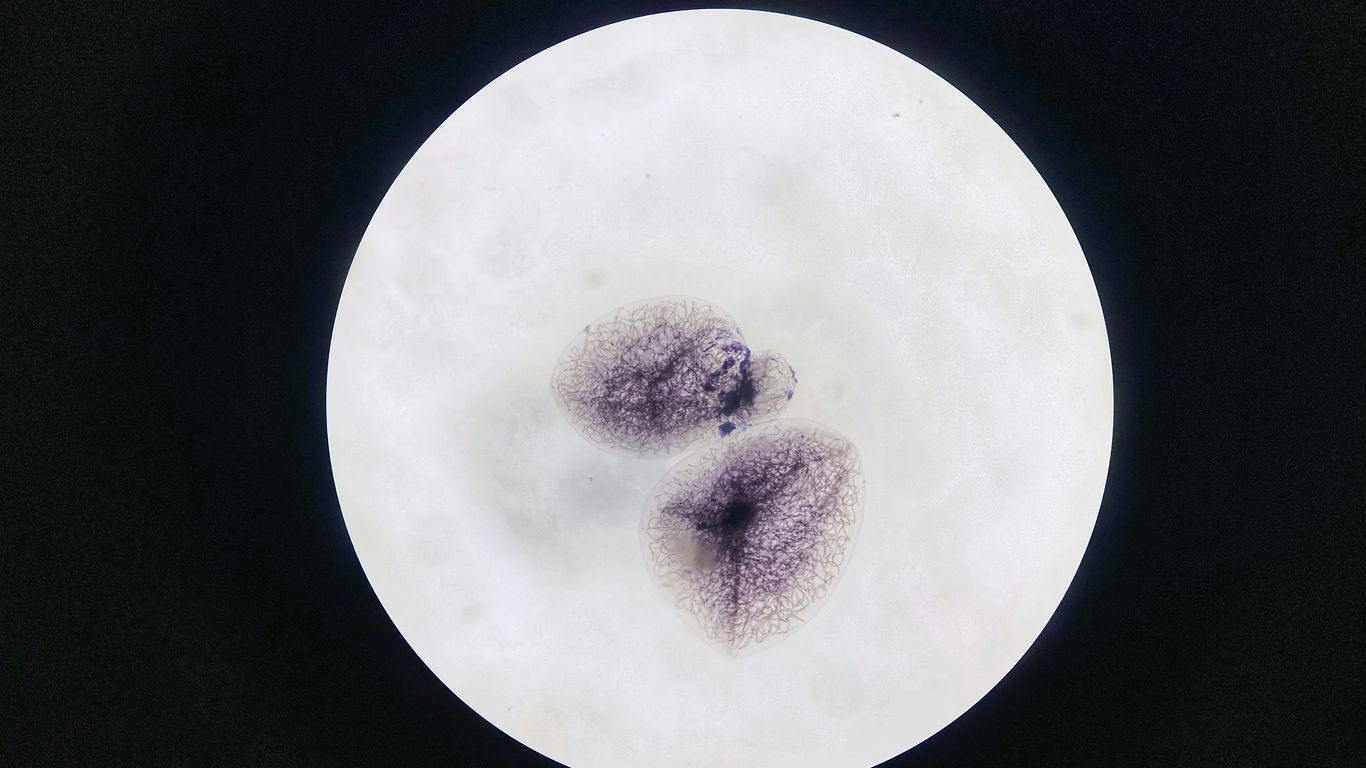
Autoimmune diseases are tricky. They happen when your body’s own defense system, which is supposed to fight off germs and other bad stuff, gets confused and starts attacking healthy cells instead. It’s like a soldier mistaking a friendly flag for an enemy’s. This confusion can lead to a whole host of problems, depending on which parts of the body are being targeted.
Role of B Cells and pDCs
Two key players in this mistaken identity are B cells and plasmacytoid dendritic cells (pDCs). B cells are famous for making antibodies, those little Y-shaped proteins that tag invaders for destruction. But in autoimmune diseases, they can start making antibodies that attack your own tissues. PDCs, on the other hand, are a type of dendritic cell that’s really good at producing interferons, especially interferon-alpha. Interferons are like alarm signals in your immune system, and while they’re great for fighting viruses, too much of them can really stir up trouble and inflammation in autoimmune conditions.
Targeting Cytokines BAFF and APRIL
Now, there are certain proteins, called cytokines, that B cells really like. Two of these are BAFF and APRIL. These cytokines act like a constant pep talk for B cells, telling them to stick around and keep working. In autoimmune diseases, levels of BAFF and APRIL can be too high, which helps those rogue B cells survive and thrive. So, a smart way to fight back is to find a way to trap or block BAFF and APRIL. This can help reduce the number of B cells and plasma cells that are causing problems.
Inhibiting Interferon Release
Since pDCs are major interferon producers, figuring out how to quiet them down is also a big deal. Interferons, particularly interferon-alpha, are known to fuel the fire in many autoimmune diseases, making inflammation worse and contributing to tissue damage. By finding ways to specifically stop pDCs from releasing these interferons, scientists hope to dial down the overall immune system overreaction. This can be done by targeting specific markers on the pDCs themselves, effectively telling them to stand down and stop sending out those inflammatory signals.
Leads Biolabs’ Therapeutic Strategy
Leads Biolabs is really focused on making treatments that are not only effective but also easier for people to use and safer overall. They’re looking at autoimmune diseases, which can be really tough to manage, and trying to find new ways to help.
Developing Safer Treatment Options
One of the main goals is to create therapies that have fewer side effects. Think about LBL-047, their bispecific antibody candidate. It’s designed to target specific parts of the immune system that go haywire in autoimmune conditions. By hitting these targets precisely, the idea is to reduce the collateral damage to healthy cells and tissues. This approach aims to make treatments more tolerable for patients.
Enhancing Patient Compliance
Another big piece of the puzzle is making it easier for patients to stick with their treatment plans. Long-acting medications can be a game-changer here. For instance, LBL-047 has a special mutation that extends its time in the body. This could mean less frequent injections or infusions, which is a huge relief for many people dealing with chronic illnesses. Less hassle usually means people are more likely to keep up with their medication.
Addressing Unmet Medical Needs
Leads Biolabs is also keen on tackling diseases where current treatments just aren’t cutting it. They’re looking at conditions like lupus and Sjogren’s syndrome, where there’s a real need for better options. Their strategy involves:
- Targeting key immune cells: Focusing on B cells and plasmacytoid dendritic cells (pDCs) that are known to drive autoimmune responses.
- Neutralizing harmful signals: Blocking cytokines like BAFF and APRIL that keep problematic B cells alive and active.
- Reducing inflammation: Inhibiting the release of interferons, which play a big role in the inflammation seen in many autoimmune diseases.
By taking this multi-pronged approach, Leads Biolabs hopes to bring forward therapies that can make a real difference for patients who haven’t found relief with existing options.
Looking Ahead
Leads Biolabs is definitely making waves in the life sciences world. With their focus on new treatments for autoimmune diseases, like the LBL-047 candidate they’ve been developing, it seems like they’re really trying to help people who need better options. They started back in 2014 with a goal to create drugs that are not only good but also easy for patients to get and afford. It’s clear they’re committed to pushing forward, and it will be interesting to see what they come up with next in their work on cancer and other health issues.