
In today’s business world, things can change fast. Keeping your company running smoothly when unexpected stuff happens is super important. That’s where using the right tech solutions comes in. We’re talking about smart ways to use technology to make sure your business can handle whatever comes its way, stay competitive, and keep customers happy. Let’s look at how secure tech solutions can make a real difference.
Key Takeaways
- Using secure tech solutions helps businesses stay operational during disruptions and adapt quickly to changes.
- Cloud computing, AI, big data, and IoT are key technologies that boost a company’s ability to bounce back.
- Strong cybersecurity, including zero trust models and supply chain checks, is vital for protecting operations.
- Updating old IT systems and using safe development methods makes businesses ready for the future.
- Smart tech adoption leads to better efficiency, happier customers, and smarter spending.
Embracing Secure Tech Solutions for Business Continuity
Understanding Resilience and Agility in the Digital Era
Business resilience, at its heart, means staying in the game when things go wrong. Agility is about changing with the times, not getting stuck while everything else moves forward. With so many unexpected events lately—everything from cyber-attacks to supply chain hiccups—it’s no surprise companies are putting their faith in strong IT solutions.
- Quick recovery beats long downtime.
- Being nimble stops minor problems from turning into big disasters.
- IT solutions often bridge the gap between what a business can do now, and what it needs for tomorrow.
| Challenge | How Tech Helps |
|---|---|
| System outages | Redundant backups |
| Data breaches | Encryption, monitoring |
| Shifting regulations | Automated compliance |
Sometimes, it only takes one well-planned tech upgrade to turn chaos into something manageable—think of it as insurance for your ability to keep serving customers, no matter what surprises land at your door.
The Role of IT in Navigating Uncertainty
IT isn’t just helpful when things are running smoothly—it’s often the difference between a wobble and a full-blown shutdown. In unpredictable times, having the right platforms in place means less guesswork, and more clear-headed reactions. The best setups ensure that:
- Staff know their roles and what to do when trouble strikes.
- Assets and data are protected from both internal mix-ups and outside attacks.
- Operations can continue—even during power cuts or system failures.
Developing a focused business continuity plan (BCP) is the groundwork: it identifies risks, highlights vital assets, and gives everyone a clear idea of their responsibilities if something goes wrong.
Leveraging Secure Tech Solutions for Competitive Advantage
Here’s the thing—not all tech fixes are just about surviving. Secure systems can make you stand out. If your company keeps running through storms while competitors falter, you become the go-to provider. Secure IT means customers can trust you with their data. It also gives peace of mind to partners, suppliers, and even shareholders.
- Security becomes a selling point, not just a safety net.
- Modern tech platforms let you increase your speed without taking on more risk.
- A robust, security-first mindset links directly to long-term growth.
It might not always look glamorous, but every upgrade adds one more line of defence, one more edge over those who play it too safe—or not safe enough.
Key Technologies Driving Enhanced Resilience
Right then, let’s talk about the tech that’s really making a difference when it comes to keeping businesses on their feet. It’s not just about having a website anymore; it’s about building systems that can bend without breaking, and bounce back fast when things go wrong. We’re seeing some pretty clever tools come into play that are changing the game.
Cloud Computing for Scalability and Accessibility
Think of cloud computing as your business’s adaptable headquarters. Instead of being tied to a physical office that might be inaccessible due to, say, a flood or a power cut, your data and applications live in secure data centres. This means you can access them from pretty much anywhere with an internet connection. What’s more, if you suddenly need more computing power – maybe you’ve had a surge in customers or a big project kicks off – the cloud can scale up almost instantly. When things quieten down, it scales back. This flexibility is a massive win for keeping operations running smoothly, no matter what’s happening outside.
- Hybrid Cloud Models: These let you mix and match public cloud services with your own private infrastructure. It’s a bit like having your cake and eating it too, giving you control where you need it and flexibility elsewhere.
- Disaster Recovery: Cloud providers often have built-in ways to back up your data and even spin up a temporary version of your systems elsewhere if your main site goes down. This is a lifesaver.
- Cost Efficiency: You often pay for what you use, which can be much cheaper than buying and maintaining your own expensive hardware that might sit idle most of the time.
The ability to quickly adjust resources up or down based on demand is a core benefit, preventing both under-provisioning during peak times and over-spending during lulls.
Artificial Intelligence and Machine Learning for Predictive Insights
AI and machine learning are like having a crystal ball for your business, but a much more scientific one. These technologies can sift through vast amounts of data to spot patterns that humans might miss. This means you can start to predict what might happen next. For example, AI could flag a potential equipment failure before it happens, allowing you to fix it during scheduled downtime. Or it might spot a shift in customer behaviour, giving you a heads-up to adjust your marketing. This proactive approach is a game-changer for avoiding costly disruptions.
- Predictive Maintenance: Spotting issues before they cause breakdowns.
- Demand Forecasting: Anticipating customer needs and market trends.
- Fraud Detection: Identifying suspicious activity in real-time.
Big Data and Analytics for Real-Time Decision-Making
We’re generating more data than ever before, and if you’re not using it, you’re missing out. Big data and analytics tools help you make sense of all that information. Imagine being able to see exactly how your sales are performing across different regions, right now. Or understanding which marketing campaigns are actually bringing in customers. This kind of real-time insight means you can make smart decisions quickly, rather than waiting for weekly or monthly reports. When you need to react fast to a changing market or an unexpected event, having this data at your fingertips is invaluable.
| Data Source | Information Gained | Action Taken |
|---|---|---|
| Sales Transactions | Real-time sales figures by product and region | Adjust stock levels, reallocate marketing spend |
| Website Traffic | Visitor sources, popular pages, bounce rates | Optimise content, improve user journey |
| Social Media | Customer sentiment, trending topics, competitor activity | Refine messaging, identify new opportunities |
Internet of Things for Smart Operations
The Internet of Things, or IoT, is all about connecting everyday objects to the internet. Think sensors on machinery, smart meters in a building, or GPS trackers on delivery vehicles. These connected devices collect data about their environment and performance. This data can then be used to automate processes, monitor resources efficiently, and improve visibility across your operations. For instance, IoT sensors can monitor temperature in a warehouse, alerting you if it goes out of the safe range, preventing spoilage. It’s about making your physical operations more intelligent and responsive.
- Asset Tracking: Knowing where your equipment or inventory is at all times.
- Environmental Monitoring: Keeping tabs on conditions like temperature, humidity, or air quality.
- Process Automation: Using sensor data to trigger actions automatically, like adjusting machinery settings.
Fortifying Operations with Advanced Cybersecurity
Implementing Zero Trust Architectures
This approach is all about assuming that no user or device, whether inside or outside your network, can be trusted by default. It’s a shift from the old ‘castle and moat’ idea where everything inside was safe. Instead, Zero Trust demands verification for every access request. Think of it like needing to show your ID every time you want to enter a different room in a building, not just at the main entrance.
- Verify explicitly: Always authenticate and authorise based on all available data points, including user identity, location, device health, and service or workload.
- Use least privilege access: Grant users only the access they need to perform their job, and for the shortest time necessary.
- Assume breach: Minimise the blast radius for breaches and prevent lateral movement by segmenting access by network, user, devices, and application.
The core idea is that security isn’t a one-time check; it’s a continuous process of validation. This makes it much harder for attackers to move around your systems if they manage to get in.
Enhancing Supply Chain Transparency and Security
Your business doesn’t operate in a vacuum. You rely on suppliers for everything from raw materials to software. Knowing who your suppliers are, what security measures they have in place, and how they handle data is vital. A weak link in your supply chain can be a major security risk.
- Maintain a clear inventory: Keep a detailed list of all your suppliers and understand their security setup. This helps you know where potential risks lie.
- Use Software Bills of Materials (SBOMs): For software, an SBOM lists all the components used. This is like an ingredients list for your software, making it easier to spot vulnerabilities.
- Collaborate with suppliers: Work together on sharing information about threats and fixing any security issues that pop up.
Integrating Endpoint Detection and AI Monitoring
Your endpoints – laptops, servers, mobile devices – are the frontline. Traditional antivirus isn’t always enough against modern threats. We need smarter ways to detect and respond to suspicious activity.
Endpoint Detection and Response (EDR) tools, combined with Artificial Intelligence (AI) and Machine Learning (ML), can spot unusual patterns that might indicate an attack. This technology can analyse vast amounts of data from your devices in real-time, identifying anomalies that human analysts might miss. It’s about being proactive, not just reactive, to threats that are becoming increasingly sophisticated.
Modernising IT Infrastructure for Future-Proofing
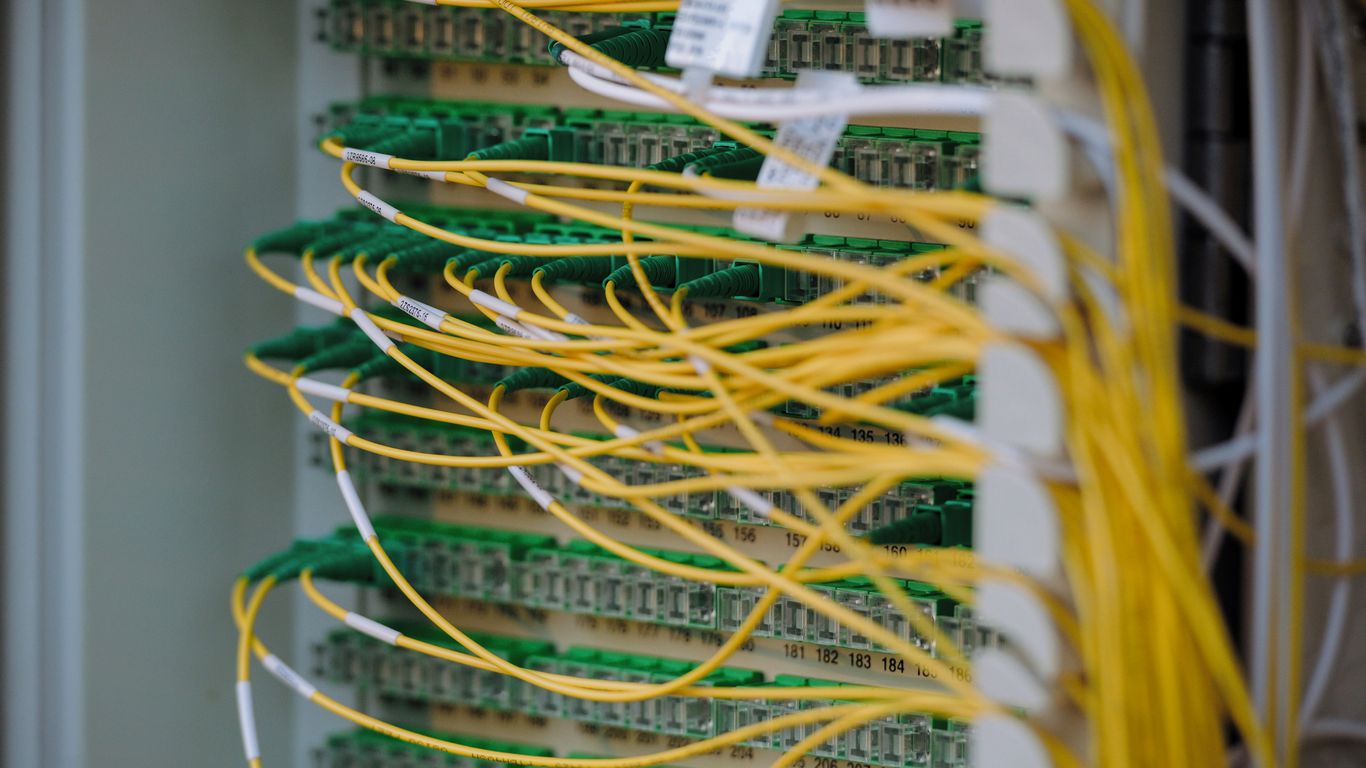
Right then, let’s talk about getting your IT systems shipshape for whatever the future throws at you. It’s not just about having the latest gadgets; it’s about making sure your core systems can keep up, adapt, and generally not fall over when things get a bit hectic. Think of it like upgrading an old house – you don’t just slap on a new coat of paint; you check the foundations, rewire the electrics, and maybe even add an extension. That’s what we’re doing with IT infrastructure.
Migrating Legacy Systems to Cloud-Enabled Platforms
So, you’ve got those old systems, haven’t you? The ones that have been chugging along for years, maybe built on tech that’s practically ancient history now. They might still work, but they’re often slow, a nightmare to update, and frankly, a bit of a security risk. Moving these to cloud-based platforms is a bit like trading in a rusty old van for a modern electric car. You get better performance, it’s easier to maintain, and you can scale up or down as needed without buying a whole new fleet. It means your business can actually respond to changes instead of being held back by clunky old software.
Adopting Secure Software Development Lifecycles
When you’re building new software or updating existing applications, how you go about it really matters. A ‘secure software development lifecycle’ (SSDLC) means security isn’t an afterthought; it’s baked in from the very start. This involves things like regular security checks, code reviews, and testing at every stage. It’s about catching potential problems early, before they become big, expensive headaches. This proactive approach significantly reduces the chances of security breaches and ensures your applications are robust and reliable.
Ensuring Robust Asset and Supplier Inventory Management
Honestly, you can’t protect what you don’t know you have. Having a clear, up-to-date list of all your IT assets – from laptops and servers to software licenses – is surprisingly important. It helps you keep track of what needs updating, what’s nearing the end of its life, and where your vulnerabilities might be. The same goes for your suppliers. Knowing who you’re working with, what data they have access to, and what their own security measures are, is key to managing your overall risk. It’s a bit like keeping a detailed inventory of your house contents for insurance purposes, but for your digital world.
Keeping your IT infrastructure modern and secure isn’t a one-off job. It’s an ongoing process of assessment, updating, and vigilance. By moving away from outdated systems and embedding security into how you develop and manage your technology, you’re building a foundation that can support your business for years to come, allowing you to adapt and grow without constant worry.
Strategic Benefits of Secure Tech Solutions

Boosting Operational Efficiency Through Automation
When you get the right tech in place, a lot of the day-to-day grind just melts away. Think about all those repetitive tasks that eat up valuable time – things like data entry, scheduling, or even basic customer queries. Automating these means your team can actually get on with the more important stuff, the bits that require actual human thought and creativity. It’s not about replacing people, it’s about freeing them up to do more impactful work. This shift can really speed things up, cutting down on delays and making your whole operation run a lot smoother.
Elevating Customer Experiences with Personalisation
Customers today expect more than just a product or service; they want to feel understood. Secure technology, especially when it involves things like AI and good data handling, lets you tailor interactions. Instead of a one-size-fits-all approach, you can offer personalised recommendations, support, and even marketing. This makes customers feel valued and can lead to them sticking around longer. It’s about building relationships, not just making sales.
Building genuine customer loyalty often comes down to making people feel seen and heard. When technology helps you understand individual needs and preferences, you can respond in ways that truly matter to them, turning a simple transaction into a positive, memorable experience.
Optimising Costs with Cloud and SaaS Models
Moving to cloud-based systems and Software as a Service (SaaS) can make a big difference to your bottom line. Instead of shelling out for expensive hardware and software upfront, you typically pay a subscription. This makes costs more predictable and manageable. Plus, cloud providers handle a lot of the maintenance and updates, which saves you money on IT staff and resources. It’s a smarter way to manage your budget while still getting access to powerful tools.
Here’s a quick look at how costs can change:
| Area of Cost | Traditional IT Model | Cloud/SaaS Model |
|---|---|---|
| Initial Investment | High | Low |
| Ongoing Costs | Variable, High | Predictable, Lower |
| Maintenance | In-house, Expensive | Managed by Provider |
| Scalability Costs | Significant | Pay-as-you-go |
Building a Resilient Digital Ecosystem
Coordinated Planning and Preparedness Strategies
Getting your digital house in order means thinking ahead. It’s not just about having the latest tech; it’s about having a plan for when things go wrong. This involves mapping out potential disruptions, from cyberattacks to hardware failures, and having clear steps for how your business will keep running. Think of it like having a fire escape plan for your IT systems. This means regular drills, clear communication channels, and backup systems that are actually tested.
- Identify critical digital assets: Know what absolutely needs to stay online.
- Develop incident response plans: What do you do when the internet goes down or a server crashes?
- Regularly test backup and recovery procedures: Don’t wait for a disaster to find out your backups don’t work.
- Establish communication protocols: How will your team and customers be informed during an outage?
A well-prepared digital ecosystem is one that can absorb shocks and bounce back quickly, minimising downtime and protecting your operations.
Strengthening Accountability in Digital Infrastructure
Who’s responsible for what when it comes to your digital setup? It sounds simple, but in complex IT environments, it can get murky. Establishing clear lines of accountability is key. This means knowing who owns which system, who is responsible for its security, and who needs to be informed if something goes awry. It’s about making sure that every part of your digital infrastructure has a guardian, so nothing falls through the cracks. This also extends to third-party suppliers; you need to know they’re holding up their end of the bargain regarding security and reliability.
Developing Industry Supply Chain Integrity Certification
Your business doesn’t operate in a vacuum. It’s part of a larger supply chain, and the security and reliability of your partners directly impact your own resilience. Ensuring the integrity of your supply chain means verifying that your suppliers have robust security practices and contingency plans in place. This could involve setting clear standards for your partners or looking for industry-recognised certifications that demonstrate their commitment to resilience. It’s about building trust and transparency across the entire network, so a weak link doesn’t bring everyone down.
Wrapping Up
So, looking ahead to 2025, it’s pretty clear that businesses need to get smart about staying on their feet. Things change fast, and just hoping for the best isn’t really a plan. Using the right tech tools, like the ones we’ve talked about, can make a huge difference. It’s not just about having fancy gadgets; it’s about building systems that can handle whatever comes their way and still keep things running smoothly. Partnering with folks who know their stuff in the tech world can really help make this happen, turning what might seem like a big challenge into something manageable. It’s about being ready, being flexible, and ultimately, being able to keep doing business, no matter what.
Frequently Asked Questions
What does it mean for a business to be ‘resilient’ and ‘agile’?
Being ‘resilient’ means a business can bounce back quickly if something bad happens, like a computer problem or a big storm. Being ‘agile’ means it can change direction easily and adapt when things change, like a new trend or a new competitor. Both are super important for staying in business today.
How can technology help businesses stay strong when things get tough?
Technology is like a superpower for businesses. Things like cloud computing let you access your work from anywhere, and smart computer programs (AI) can help predict problems before they happen. This means businesses can keep running smoothly and even find new opportunities, even when things are uncertain.
What is ‘Zero Trust Architecture’ and why is it important for security?
Imagine you don’t automatically trust anyone or anything, even if they’re already inside your business’s computer network. That’s ‘Zero Trust’. It means every single attempt to access information or systems needs to be checked and approved. This makes it much harder for bad actors to sneak in and steal data.
Why is it important to keep an up-to-date list of all the software and suppliers a business uses?
Knowing exactly what software you have and who supplies it is like having a good map of your business’s digital world. If a problem pops up with a specific piece of software or a supplier, you can act fast to fix it, tell others who might be affected, and stop the issue from spreading.
How can using cloud services help a business save money?
Instead of buying lots of expensive computer equipment upfront, cloud services let you rent what you need. You only pay for what you use, and it can often be cheaper than managing your own systems. Plus, you don’t have to worry as much about repairs or upgrades.
What is a ‘Supply Chain Integrity Certification’?
This is like a special badge that shows a business’s supply chain – all the companies and processes involved in making and delivering a product – is safe and reliable. Getting this certification can give customers confidence and make the business stand out from competitors.