Remember 2011? It feels like ages ago, but it was a pretty wild year for tech. Things we take for granted now were just starting to pop up. From phones getting way faster to screens showing up everywhere, 2011 technology really set the stage for what we use today. Let’s take a quick look back at some of the biggest shifts that year.
Key Takeaways
- The tablet, led by Apple’s iPad, really found its footing, making a new category of devices popular.
- Faster 4G LTE networks meant we could do more on our phones, like streaming video and using apps on the go.
- Cloud computing started becoming a big deal, with companies offering ways to store and access data from anywhere.
- Social media went from a place to connect to a space where people shared more of their daily lives online.
- Connected TVs became more common, bringing internet features right into our living rooms.
1. The Year Of The Tablet
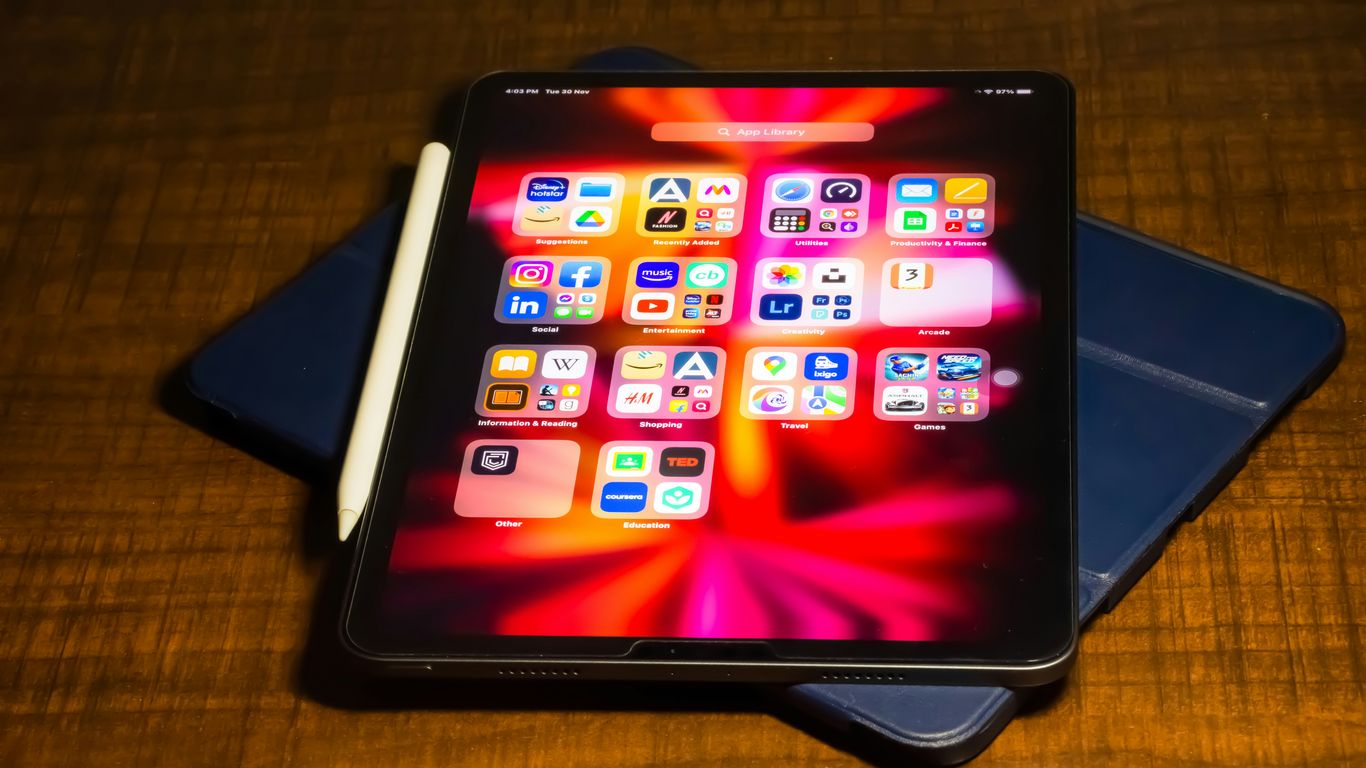
Okay, so 2011. Remember when everyone was talking about tablets? It really felt like a whole new category of gadget exploded onto the scene. Before this, we had smartphones, sure, and laptops, but tablets kind of fit in this weird middle ground. Apple’s iPad was definitely the big player, but it wasn’t just Apple anymore.
Samsung jumped in with their Galaxy Tab, and then later in the year, Amazon really shook things up with the Kindle Fire. It was way cheaper than the iPad, which made a lot of people sit up and take notice. Suddenly, tablets weren’t just for early adopters with deep pockets; they were becoming something more accessible.
It wasn’t just about the big names, either. Lots of other companies tried their hand, releasing tablets of all different sizes and with all sorts of specs. Some were great, some… well, not so much. HP even had a tablet called the TouchPad, but they pulled it pretty quickly. It was a bit of a wild west for tablets, honestly.
People started using them for all sorts of things:
- Browsing the web without being stuck at a desk.
- Watching videos and playing games on a bigger screen than a phone.
- Reading books and magazines, which felt more natural than on a phone.
- Even for schoolwork or basic work tasks, especially with the iPad 2 coming out and making things a bit smoother.
It was clear that this device was here to stay, even if the market was a little messy at first. It really changed how we thought about personal computing.
2. 4G LTE Put The World In Our Pocket
Remember when loading a webpage on your phone felt like waiting for a pot of water to boil? Yeah, me too. Back in 2011, that all started to change in a big way with the rollout of 4G LTE. It wasn’t just a little faster; it was a massive leap. Suddenly, things like streaming video, downloading podcasts, and even just browsing the web felt… well, instant. It was like the difference between dial-up internet and broadband, but for your phone.
This speed boost wasn’t just about convenience. It opened up a whole new world of what our phones could do. Think about it:
- Mobile streaming became actually watchable. No more constant buffering.
- Hotspot tethering went from a pain to practical. Sharing your internet connection with laptops or other devices became smooth.
- Real-time apps, like the early versions of ride-sharing services, became viable. They needed that quick data connection to work properly.
The HTC Thunderbolt, one of the first widely available LTE phones in the US, really showed what was possible. It felt like the smartphone experience we’d always dreamed of. This shift meant our phones weren’t just for calls and texts anymore; they were becoming the central hub for pretty much everything we did. It set the stage for how we’d rely on our mobile devices for the rest of the decade and beyond.
3. Cloud Computing
Remember when all your files and software lived on your computer’s hard drive? Yeah, me neither, not really. Back in 2011, things were really starting to shift. We were moving away from storing everything locally on our own machines or on clunky on-site servers. The internet was getting faster, and suddenly, keeping our data and programs somewhere else, accessible from anywhere, just made more sense.
This whole idea of cloud computing really took off. Companies started offering services where you could store your photos, documents, and even run business software without needing a massive server room. It was like renting computing power and storage instead of buying it all yourself. This shift meant businesses could be more flexible and scale up or down their needs easily.
Think about it:
- Software as a Service (SaaS): Instead of buying CDs, we started subscribing to software online. Updates happened automatically, and you could use it from your laptop or tablet.
- Platform as a Service (PaaS): Developers got a place to build and run their applications without worrying about the underlying hardware.
- Infrastructure as a Service (IaaS): Companies could rent virtual servers, storage, and networking, which was way cheaper than buying physical equipment.
It wasn’t just businesses, either. Services like Apple’s iCloud and Amazon’s Kindle Fire started showing up, making it easier for regular folks to keep their stuff synced across devices. It was a big change, and it really laid the groundwork for a lot of the tech we use every single day now. This move to cloud computing was a game-changer for how we store and access information.
4. Augmented Reality Changes Your World
Remember when your phone could just show you the world as it is? Well, 2011 started to change that. Augmented reality, or AR, began to blend digital information with what you were actually seeing. Think about pointing your phone at a sign in another language and seeing it instantly translated on your screen. That was the magic of apps like Word Lens, which really showed us what was possible.
It wasn’t just about fun games, though those were definitely a part of it. AR was starting to hint at more practical uses. Imagine walking down the street and having information pop up about the buildings around you, or getting directions overlaid right onto your view of the road. It felt like we were on the cusp of something big, where our devices could add a whole new layer to our everyday experiences.
Here’s a quick look at what AR was starting to offer:
- Real-time translation: Apps could translate text on the fly, making travel and understanding foreign content much easier.
- Interactive information: Pointing your device at objects could bring up details, from product information to historical facts.
- Gaming and entertainment: Games started to incorporate the real world, making characters appear in your living room or backyard.
This technology was all about making the digital world more present in our physical one. While it was still early days, the potential for AR to change how we learn, work, and play was becoming clear. It was a glimpse into a future where our screens wouldn’t just show us things, but would actively add to our perception of reality. We were just starting to see how AR could be integrated into educational settings to make learning more engaging.
5. Social Media Brought Our Lives Online
Man, 2011 was a wild year for social media. It really felt like things went from being a place where you’d maybe post a few photos after a trip to something that was happening right now. Suddenly, everyone was sharing their lunch, their commute, their cat doing something silly – you name it. It wasn’t just us regular folks, either. Companies, news outlets, even governments started using these platforms to get information out super fast. It was like a constant stream of updates, and honestly, it sucked up a lot of our attention.
Think about it: back in 2011, people were spending maybe 32 minutes a day on their phones for social stuff. By 2019, that jumped to over two hours! That’s a huge shift.
Here’s a quick look at how things changed:
- From Past to Present: Social media transformed from a digital scrapbook of past events into a live broadcast of daily life.
- Information Hubs: Platforms became go-to spots for news, updates, and connecting with others, all in one place.
- Advertising Goldmine: Businesses noticed how much time we were spending online and started pouring money into ads on these sites, eventually spending more on digital ads than on TV or radio.
It’s pretty wild to think that in 2010, there were just under a billion people using social media worldwide. By 2020, that number had exploded to nearly 3 billion. It really changed how we shared information and spent our time.
6. Connected TVs Everywhere
Remember when your TV was just for watching broadcast channels or maybe a DVD? Yeah, me neither. 2011 was the year that the television really started to get smart, or at least, connected. Suddenly, your TV wasn’t just a screen; it was a gateway.
If your TV wasn’t already hooked up to the internet, you probably felt like you were falling behind. This wasn’t just about having a fancy new gadget; it was about changing how we consumed media. We started seeing a lot more devices that could bring the internet to our living rooms. Think about it:
- Smart TVs: Manufacturers began building internet connectivity right into the television sets themselves.
- Streaming Devices: Little boxes like Apple TV, Roku, and Google TV became popular, turning any older TV into a smart one.
- Gaming Consoles: Even your Xbox or PlayStation could now stream movies and shows.
- Blu-ray Players: High-definition disc players also started coming with built-in internet capabilities.
This shift meant we were no longer limited to scheduled programming; we could access a whole world of content on demand. It was the beginning of the streaming revolution, really, paving the way for services like Netflix and Hulu to become household names. The living room was transforming, and the TV was at the center of it all.
7. F-Commerce
Remember when buying stuff directly from Facebook felt like the future? That was F-commerce, or Facebook commerce, and 2011 was definitely a big year for it. It was all about trying to make shopping happen right there on the social network, cutting out extra steps.
Big names like JCPenney and ASOS jumped in, putting their whole product catalogs onto Facebook. Lots of other stores started linking their online shops to their Facebook pages too. The idea was to make it super easy for people to see something they liked in their feed and just click to buy. It was a pretty interesting experiment in blending social interaction with shopping.
The goal was to turn casual scrolling into actual sales. While it didn’t completely take over online retail, it was a significant step in how businesses thought about reaching customers where they were already spending a lot of time. It showed that social platforms could be more than just for chatting; they could be places to do business. This trend really highlighted how businesses were starting to explore new ways to connect with consumers online, especially through platforms like Facebook commerce.
Here’s a look at some of the ways F-commerce was shaping up:
- Direct Sales: Retailers tried to sell products directly within Facebook’s interface.
- Catalog Integration: Entire product lines were made available for browsing on Facebook pages.
- Social Shopping Features: Encouraging likes, shares, and comments to influence purchasing decisions.
- Targeted Advertising: Using Facebook’s data to show specific products to interested users.
8. 3D Goes Mainstream
Remember when 3D movies were suddenly everywhere? 2011 was definitely the year that happened. It felt like every other film released was pushing the whole ‘pop out at you’ experience.
Beyond the big screen, the tech trickled down to our homes and even our pockets. Nintendo finally launched the 3DS, a handheld console that let you play games in 3D without needing those clunky glasses. Plus, a couple of smartphones jumped on the bandwagon, trying to bring that 3D magic to your phone.
It wasn’t perfect, though. Those early glasses-free screens had a pretty small ‘sweet spot’ where the 3D actually looked good and didn’t make your eyes hurt. But companies like Sony and Vizio were already working on making 3D TVs cheaper for everyone to buy. It was a big push, trying to make 3D a normal part of how we watch and play.
9. More Video Chat
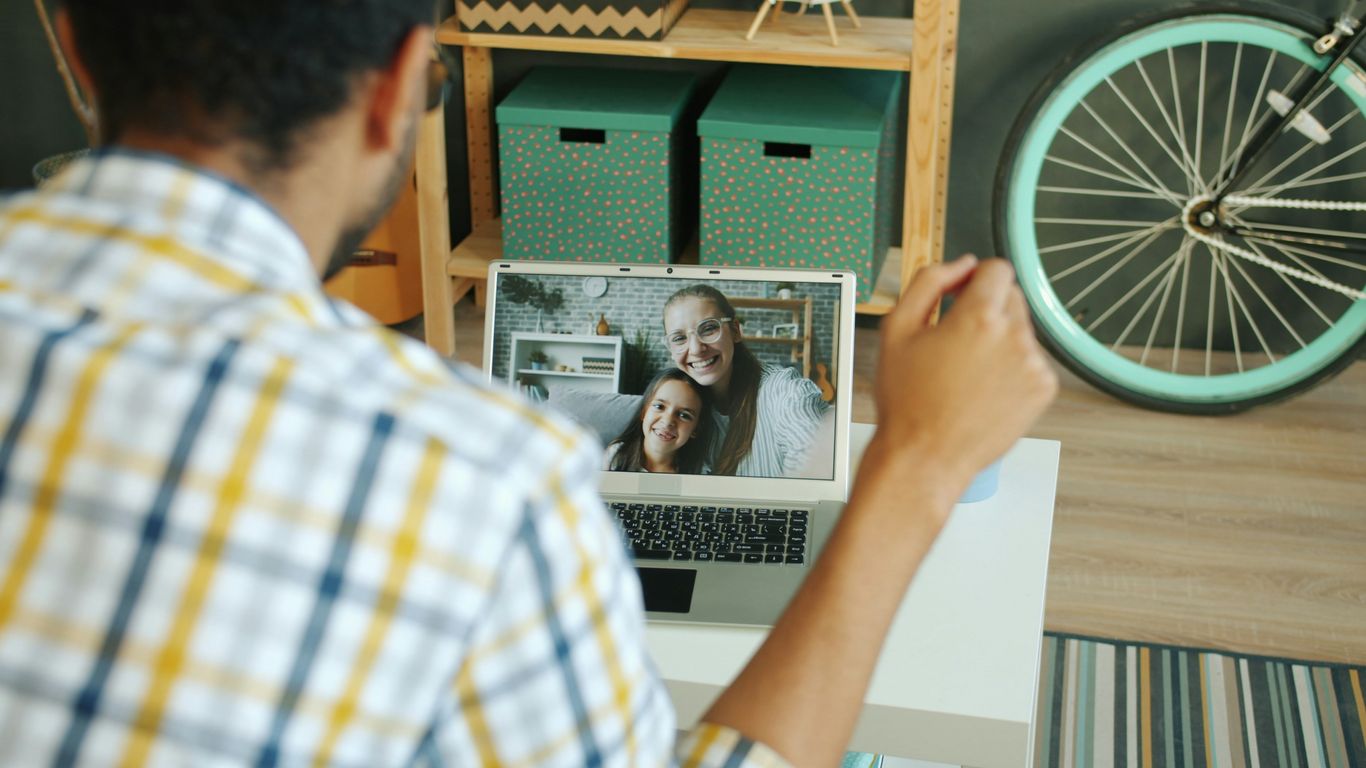
Remember when video calls felt like a futuristic thing? Yeah, 2011 was kind of the year that started to change for real. Before then, it was mostly clunky setups or services that just didn’t work that well. But suddenly, more and more devices started showing up with cameras built right in – not just on computers, but on phones and even game consoles. This made hopping on a video call way easier.
Think about it: if your phone or tablet didn’t have a camera facing you, it felt like it was missing something important. Services like Skype and Apple’s FaceTime really started to take off. It wasn’t just for catching up with distant family anymore; people were using it to connect with friends, see what was going on, and just generally feel more present with each other, even when miles apart. It was the beginning of video chat becoming a normal part of how we stay in touch, moving from a novelty to something genuinely useful for everyday connections.
10. Early Steps In Near Field Communication
Remember when tapping your phone to pay for stuff felt like something out of a sci-fi movie? That was pretty much the vibe in 2011 with Near Field Communication, or NFC. It’s this tech that lets devices talk to each other when they’re super close, like, just a couple of centimeters apart. The big idea was that you could ditch your wallet and just use your phone to pay for things.
Think about it: you’d just hold your phone near a payment terminal, and boom, transaction done. It sounded pretty slick, right? And because the range is so short, it was seen as more secure than other wireless ways of sending info. Some phones started showing up with NFC chips in them around 2010, like Google’s Nexus S. But actually using it for real-world stuff, like buying a coffee? That was still mostly in the future for 2011. We were seeing the first glimpses, but it wasn’t quite ready for everyone to jump on board yet. It was more of a "wait and see" situation for most people.
Here’s a quick rundown of what was happening:
- The Hardware Arrived: Phones started getting the necessary NFC chips built-in.
- The Potential Was Clear: People could see how useful it would be for payments and quick data sharing.
- Real-World Use Was Limited: Actually paying for things or using it for everyday tasks was still rare.
So, while NFC wasn’t exactly everywhere in 2011, it was definitely laying the groundwork for the contactless payments and quick connections we take for granted today. It was one of those technologies that you knew was coming, even if it took a little longer to get here.
Looking Back and Moving Forward
So, thinking back to 2011, it’s pretty wild to see how much has changed. Things like augmented reality and cloud computing, which felt pretty new then, are now just part of our everyday lives. We saw tablets really take off, and phones got way faster, changing how we connect and what we do on the go. Some predictions hit the mark, others maybe not so much, but it’s clear that the tech world moves fast. It makes you wonder what we’ll be talking about in ten years from now, looking back at today. It’s a constant cycle of new ideas becoming the norm, and then something even newer comes along to shake things up again.