Luminar Lidar Technology Integration
Luminar’s lidar technology is finding its way into some pretty advanced automotive systems. It’s not just about adding a sensor; it’s about how it all fits together to make cars smarter and safer. Think of it as the eyes of the car, but with a brain that can process what it sees really fast.
Automotive Applications of Luminar Lidar
Luminar’s lidar is being designed for a few key areas in cars. The big one is for advanced driver assistance systems (ADAS). These are the systems that help with things like keeping you in your lane or warning you if you’re about to hit something. But it’s also being looked at for full self-driving capabilities. The goal is to give cars a 360-degree view, day or night, in all sorts of weather. This kind of detailed perception is what’s needed to make autonomous driving a reality.
FPGA Integration in Luminar Systems
Now, how does all that data get processed? That’s where Field-Programmable Gate Arrays, or FPGAs, come in. Luminar uses FPGAs in its systems. These aren’t your typical computer chips; they’re super flexible. You can reprogram them to do specific tasks very quickly. For lidar, this means FPGAs can handle the massive amount of data coming from the sensor, doing things like filtering out noise or identifying objects in real-time. It’s like having a custom-built processor for the lidar’s specific needs, which is way faster than a general-purpose chip for certain jobs.
Sensor Fusion for Autonomous Driving
Lidar doesn’t work alone. To really understand the world around a car, you need to combine information from different sensors. This is called sensor fusion. Luminar’s lidar data is meant to be combined with information from cameras, radar, and other sensors. FPGAs play a role here too, helping to merge all this data. Imagine trying to figure out if that’s a plastic bag or a small animal crossing the road – lidar might see it, but a camera can give it color and shape, and radar can tell you its speed. Putting all that together gives the car a much clearer picture. This combined data is what autonomous systems use to make decisions, like when to brake or steer.
Here’s a simplified look at how sensor fusion might work:
- Data Collection: Lidar, cameras, radar gather information about the environment.
- Data Preprocessing: FPGAs and other processors clean up and format the data from each sensor.
- Data Merging: Algorithms combine the processed data, looking for overlaps and confirmations.
- Object Recognition & Tracking: The fused data is used to identify and track objects (cars, pedestrians, etc.).
- Decision Making: The final output guides the vehicle’s actions.
Challenges in the Luminar Lidar Supply Chain
When you’re building something as complex as Lidar for self-driving cars, you can’t just snap your fingers and get all the parts. Luminar, like everyone else in this space, is dealing with some serious supply chain headaches. It’s not just about having a great design; it’s about actually getting the stuff made and delivered.
Global Semiconductor Concentration
The world of semiconductors is pretty small, with a few key players and countries dominating different parts of the manufacturing process. This concentration means that if one of these big players has a problem, or decides to change their priorities, it can ripple through the entire industry. Think about it: if the only place that can make a specific chip is in one region, and something happens there – a natural disaster, a political issue, or even just a factory upgrade – it can halt production for everyone. This reliance on a few sources is a big risk for companies like Luminar. It’s like having all your eggs in one very fragile basket.
Lagging-Edge Chip Manufacturing
It might seem like all the focus is on the newest, fastest chips, but a lot of the components needed for systems like Lidar actually use older, more established manufacturing processes. These are often called "lagging-edge" nodes. While they’ve been around for a while and have lots of production capacity spread across different places, they still have their own set of problems. For instance, the specialized machines needed to make these chips are also made by a limited number of companies. If those machine makers face issues, or if there are new rules about who can buy what equipment, it can still mess with getting those older, but still necessary, chips.
Cost and Availability Risks
Putting all these supply chain issues together, you end up with two main kinds of problems: the "can’t make" and the "won’t sell" risks. The "can’t make" happens when there just isn’t enough factory space or raw materials to produce the chips needed. This could be because a supplier went out of business, or a factory is running at full capacity for other, more profitable products. Then there’s the "won’t sell" risk. This is when the chips could be made, but the companies making them decide not to sell them to certain markets or customers. This might be because of government regulations, or simply because they can make more money selling elsewhere. Both of these scenarios can lead to:
- Higher prices: When demand is high and supply is tight, costs go up.
- Longer lead times: Waiting for parts can take months, delaying production schedules.
- Production delays: If a key component isn’t available, the whole assembly line can stop.
These aren’t just theoretical problems; they’re real-world issues that can seriously impact a company’s ability to get its products out the door.
Security Considerations for Luminar Lidar
When we talk about self-driving cars, safety is obviously the big one. But there’s another layer to that: security. Luminar’s lidar systems, like any complex tech, aren’t immune to potential threats. It’s not just about making sure the sensors work perfectly, but also about making sure no one can mess with them.
Hardware and Software Vulnerabilities
Think of it like this: the lidar unit itself, the chips inside it, and the code that makes it all run – these are all potential entry points. A determined attacker could try to tamper with the physical hardware during manufacturing or assembly. This is called a hardware supply chain attack. It’s like someone secretly putting a faulty part into a car engine before it even leaves the factory. This kind of tampering could set the stage for later problems, like letting someone access or mess with the data the lidar collects.
Then there’s the software side. The code that tells the lidar what to do, and how to process the information it gathers, can also have weaknesses. We’ve seen this with other computer systems, like those big processor flaws called Spectre and Meltdown a few years back. While those were design issues, they showed how even seemingly small problems can create huge security holes, letting bad actors get at sensitive data. If similar vulnerabilities were somehow introduced into the FPGAs (those programmable chips Luminar uses) through their design software, it could put the car’s entire operation at risk.
Trust in Corporate Governance
Beyond the technical stuff, how do we know the companies involved in making these lidar systems are playing fair? This is where corporate governance comes in. It’s about trusting that the companies have good internal processes and ethical standards. For Luminar and its suppliers, this means having solid checks and balances throughout their operations. It’s not just about having good engineers; it’s about having a company culture that prioritizes security and integrity. Auditing these companies can be a big undertaking, and it costs money, but it’s part of building confidence in the final product. Ultimately, trust in the technology relies on trust in the people and processes behind it.
Mitigating Supply Chain Attacks
So, what’s being done to stop these kinds of attacks? It’s a multi-pronged approach.
- Technical Fixes: This involves building security right into the hardware and software from the start. Think of it like putting strong locks on all the doors and windows of a house. Organizations like NIST (the National Institute of Standards and Technology) are developing guidelines for this, but these security measures can add to the cost.
- Supplier Vetting: Companies need to be really careful about who they work with. This means looking closely at their suppliers’ security practices and making sure they meet high standards. It’s like checking the background of anyone you hire to work on your house.
- Government Oversight: Regulations and policies play a role too. Governments are increasingly looking at how to secure critical technologies, especially those with national security implications or those that could impact public safety. This can include rules about where components can be sourced from and how they are manufactured.
It’s a complex problem, and it requires constant attention from everyone involved, from the chip designers to the car manufacturers and even regulators. The goal is to make sure that the advanced technology helping us drive safer isn’t itself a security risk.
The Role of FPGAs in Automotive Systems
Field-Programmable Gate Arrays (FPGAs) are seriously the unsung heroes in cars these days. They don’t get much attention, but they help run everything from safety features to fancy dashboards, and even the way battery power is managed in electric vehicles (EVs). Here’s how they fit into the picture:
Advanced Driver Assistance Systems
If you’ve used adaptive cruise control or noticed your car warning you about a possible collision, FPGAs were probably part of that system. These chips can quickly process signals from cameras, radar, and sensors to make real-time decisions. This is what powers features like:
- Lane departure warnings and lane keeping assist
- Automatic emergency braking
- Traffic sign recognition
FPGAs’ flexibility means automakers can update software and even add new features over time, making cars safer down the line.
Key Benefits Table
| Feature | How FPGAs Help |
|---|---|
| Fast signal processing | Low response times |
| Sensor data integration | Real-time decisions |
| Easy updates | Add new features |
In-Vehicle Entertainment and Control
It turns out, FPGAs don’t just keep you safe—they keep you entertained, too. Modern infotainment systems rely on these chips for:
- Processing high-quality video and graphics for touchscreens
- Managing audio streams, including noise cancellation
- Controlling networking between all the displays and seats inside the car
The reprogrammable nature of FPGAs lets car companies tweak user interfaces or fix bugs after the car has left the factory. That’s why those over-the-air updates actually work.
Electric Vehicle Power Management
EVs need brains as much as they need batteries. FPGAs help oversee the battery health, charging speeds, and even how much power goes to things like AC or seat warmers. Some of the things they handle include:
- Optimizing battery use for longer range
- Managing power distribution to the motor and accessories
- Enabling advanced charging algorithms that keep batteries healthy
With software tweaks, FPGAs offer a way to improve energy efficiency without swapping out hardware—pretty clever. And when the next generation of charging or battery tech arrives, FPGAs can usually be reprogrammed to make use of it, rather than needing a total redesign.
FPGAs are quietly keeping our cars safer, smarter, and more adaptable, all without most drivers ever knowing they’re there.
Luminar’s Strategic Position in the Market
Partnerships and Production
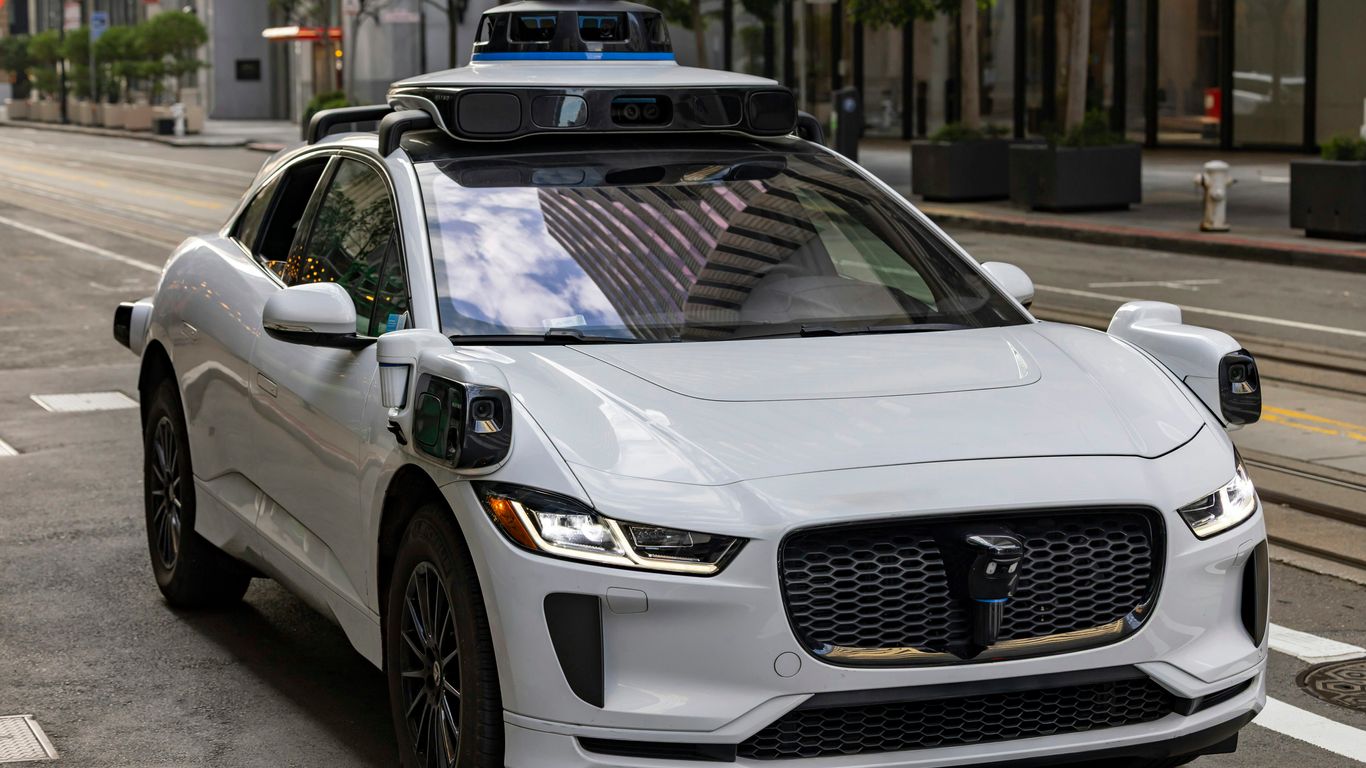
If you look at the last few years, Luminar has moved from being just another sensor company to landing some pretty impressive production deals. Teaming up with car makers like Volvo and Mercedes-Benz has pushed Luminar’s lidar technology into real vehicles, not just test cars. In 2024, Volvo started using Luminar’s Iris lidar sensor in its EX90 electric SUV, and those cars are rolling out from the North Carolina plant. That’s a milestone for Luminar—they aren’t just doing pilots anymore. Here’s a quick look at some recent Luminar partnerships:
| Partner | Application | Status |
|---|---|---|
| Volvo | EX90 SUV lidar integration | In production |
| Mercedes-Benz | Advanced safety systems | Development |
| SAIC Motor | Autonomous driving rollout (China) | Testing phase |
These deals give Luminar steady revenue and also a chance to scale up manufacturing.
Competitive Landscape
The lidar field feels crowded at first, but most companies are still in the prototype or small-run stage. Luminar stands out because:
- They’ve shipped production-grade sensors—not just demo units or research devices.
- Their lidar technology works at longer ranges, important for highway driving.
- Big automakers trust their technology enough to include it in new model launches, not just concept vehicles.
Competitors like Velodyne, Ouster, and Innoviz are still trying to catch up in terms of carmaker adoption and large-scale supply.
Future Growth Prospects
Looking forward, Luminar’s market future is about more than selling sensors. The way things are shaping up, they’ll need to:
- Expand into new automaker partnerships, especially in Europe and Asia.
- Focus on lowering sensor costs, since car makers love to negotiate on price—nobody wants expensive parts driving up EV sticker prices.
- Keep investing in their software platform, because raw sensor data is only half the battle—automakers need easy integration.
It’s a tough market, and technology alone won’t save them—execution and supply chain reliability are just as important as the next breakthrough in hardware. As demand for ADAS and full autonomy grows, Luminar’s position as a production-tested supplier puts them in a pretty solid place, but they can’t slow down. These next couple of years will show whether their current momentum can turn into real long-term dominance, or if newer players will chip away at their lead.
Technical Aspects of Luminar’s Lidar
Let’s talk about what makes Luminar’s lidar tick. It’s not just about pointing a laser and seeing what bounces back; there’s some pretty clever engineering involved.
Lidar Sensor Design
Luminar’s approach focuses on a specific type of lidar called "forward-facing" lidar, meaning it’s designed to see what’s directly ahead of the vehicle. They use a 1550nm wavelength laser. Why is that important? Well, it’s less affected by sunlight compared to other wavelengths, which is a big deal when you’re trying to get a clear picture of the road. Plus, it’s generally considered safer for human eyes. The system is built to be compact and integrate easily into car designs, often placed behind the windshield or in the roofline. The core idea is to get high-resolution 3D data without breaking the bank or looking out of place.
Data Processing Capabilities
Getting the raw data from the lidar is just the first step. Luminar’s systems are designed to process this massive amount of information quickly. This involves:
- Point Cloud Generation: Turning laser returns into a 3D map of the surroundings.
- Object Detection: Identifying cars, pedestrians, cyclists, and other obstacles.
- Tracking: Following the movement of detected objects over time.
- Classification: Figuring out what type of object each detected point belongs to.
This processing often happens in specialized hardware, sometimes using FPGAs (Field-Programmable Gate Arrays), which are like custom chips that can be programmed for specific tasks. This allows for real-time analysis, which is absolutely necessary for autonomous driving.
Performance Metrics
When we talk about how well a lidar system performs, we look at a few key things. Luminar often highlights:
- Range: How far away can the sensor reliably detect objects? For Luminar, this is often cited as being able to see objects several hundred meters away, even dark-colored ones.
- Resolution: How detailed is the 3D map? Higher resolution means the system can distinguish smaller objects and finer details.
- Field of View (FOV): How wide an area can the sensor see? Luminar’s forward-facing design has a specific horizontal and vertical FOV.
- Accuracy: How precise are the measurements of distance and position?
These metrics are important because they directly impact the safety and capability of the autonomous driving system that relies on the lidar data.
Wrapping It Up
So, where does that leave Luminar and its lidar tech? It’s clear the road ahead isn’t exactly smooth sailing. The whole semiconductor world, especially with things like FPGAs, is super complicated and has its own set of problems, from making sure there are enough chips to keeping them secure. Luminar is trying to push forward with its advanced sensors, which are definitely important for things like self-driving cars and other tech. But they’ve got to deal with these bigger industry issues. It’s a tough spot, balancing innovation with the reality of supply chains and global tech challenges. We’ll have to keep an eye on how they manage it all.