

Getting ready for a teaching interview can feel like a big deal. You want to show them you’re the right person for the job, but sometimes it’s hard to know what to say. This guide is here to help you think through some common interview question and answers for teachers. We’ll cover why you want to teach, how you approach your lessons, and how you handle the classroom. Plus, we’ll look at how you grow as a professional and what questions you should ask them. Think of it as a way to get your thoughts organized so you can feel more confident when you sit down with them.
Key Takeaways
- Be ready to talk about why you chose teaching. Share what you love about it and what makes you want to be in this career.
- Explain your teaching style. How do you plan lessons and make sure all students, no matter their learning style, can understand and participate?
- Show how you manage a classroom. Talk about how you create a good learning space and handle any behavior issues that come up.
- Discuss how you use tools and check on student learning. This includes technology and how you know if students are grasping the material.
- Prepare questions to ask the interviewer. This shows your interest and helps you learn more about the school and the role.
Understanding Your Motivation For Teaching
So, you’re thinking about a career in teaching, huh? It’s a big decision, and interviewers definitely want to know why you’re drawn to this path. It’s not just about liking kids or having summers off, though those might be perks. They’re looking for a genuine passion and a clear understanding of what teaching really entails.
Why Did You Choose Teaching As A Career?
This question gets to the heart of your "why." Think about what sparked your interest. Was it a teacher who made a big difference in your life? Do you enjoy explaining complex ideas in simple terms? Or perhaps you’re driven by the idea of helping young people grow and discover their potential. It’s about more than just a job; it’s about a calling. Sharing a personal anecdote about an influential teacher or a moment when you realized you wanted to guide others can be very effective here. It shows self-awareness and a connection to the profession’s core values.
What Do You Love About Teaching?
This is your chance to really let your enthusiasm shine. What aspects of teaching bring you the most joy? Is it the "aha!" moments when a student finally grasps a difficult concept? Is it the creativity involved in designing lessons? Or maybe it’s the opportunity to build relationships and contribute to a student’s overall development. Think about the variety, the challenges, and the sheer satisfaction of making a difference. It’s about showing that you’re not just looking for a paycheck, but for a deeply rewarding experience.
What Motivates You To Leave Your Current Role?
If you’re currently employed, this question is about your professional growth and aspirations. It’s not about bad-mouthing your previous or current job. Instead, focus on what you’re seeking in a new opportunity. Perhaps you’re looking for a school with a different educational philosophy, more opportunities for collaboration, or a chance to work with a specific age group or subject matter. You might be seeking a role where you can have a greater impact or contribute to a school community that aligns more closely with your own values. Frame it positively, focusing on what you hope to gain and contribute in a new teaching position.
Articulating Your Pedagogical Approach
This section is all about showing the interviewer how you think about teaching and learning. It’s not just about what you know, but how you help others learn it. They want to see that you have a plan and that it’s a good one.
What Is Your Teaching Philosophy?
Your teaching philosophy is basically your core beliefs about education. Why do you teach? What’s the point of your subject? How do you think students learn best? Think about why your subject matters to the world and what your role is in helping students understand that. It’s good to have this thought out beforehand, maybe even written down. It shows you’ve put serious thought into your career.
- Purpose of Education: What do you believe students should get out of school?
- Role of the Teacher: Are you a guide, a facilitator, a mentor?
- Student Learning: How do you believe students acquire knowledge and skills?
How Do You Accommodate Different Learning Styles?
Kids learn in all sorts of ways, right? Some are visual learners, some learn by listening, and others need to do things to get it. Your job is to figure out how to reach all of them. This means planning lessons that aren’t just one-size-fits-all. You might use different kinds of activities, like group work, individual projects, or hands-on tasks. It’s about making sure everyone has a chance to succeed, no matter how they learn best. You can check out resources on differentiated instruction to get ideas.
How Do You Approach Lesson Planning?
Lesson planning is where your philosophy and your understanding of student needs come together. It’s about mapping out what you want students to learn and how you’ll get them there. This involves setting clear goals for each lesson, thinking about what materials you’ll need, and deciding on activities that will keep students interested and help them grasp the material. You also need to think about how you’ll check if they’re actually learning it, both during the lesson and afterward. A good plan is flexible, too, so you can adjust if something isn’t working as expected.
Navigating Classroom Dynamics
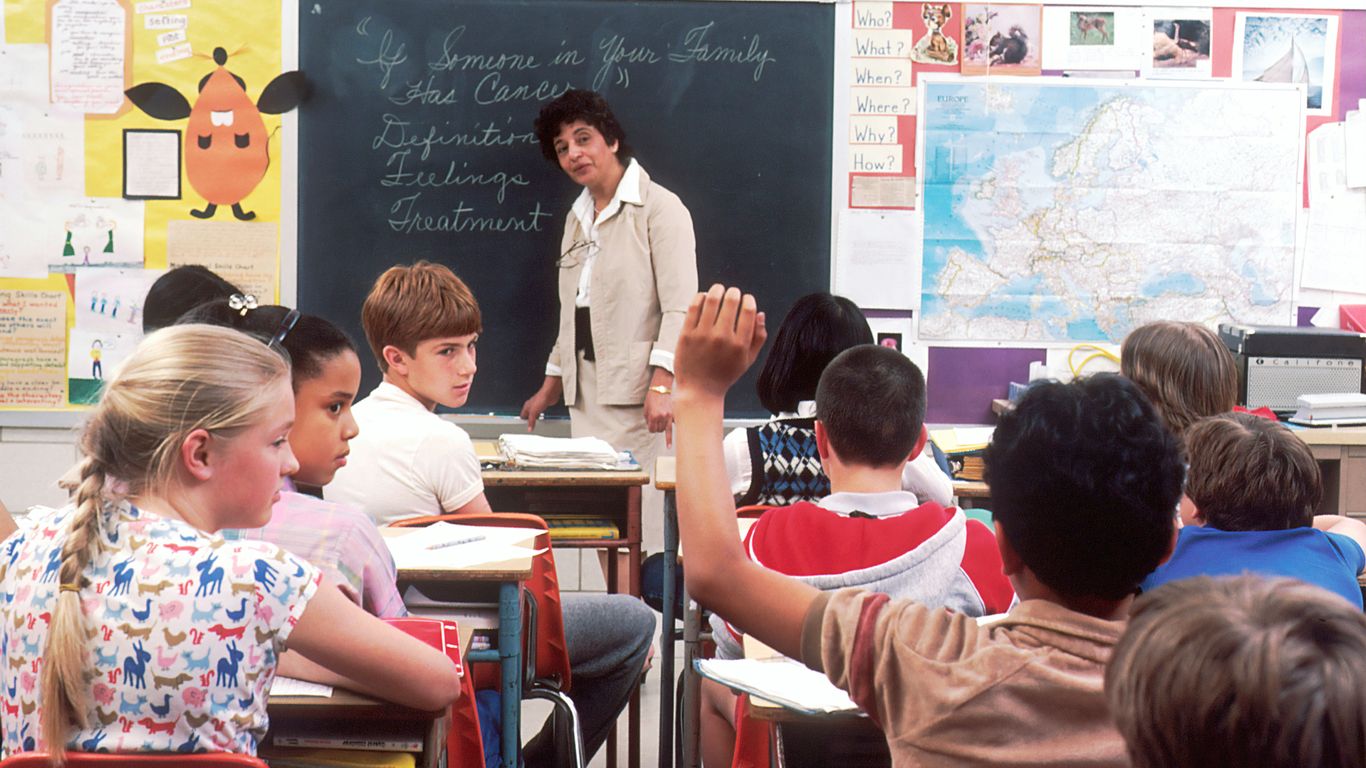
So, you’ve got your lesson plans ready, your materials prepped, and you’re feeling good about the academic side of things. But what about the actual humans in the room? Managing a classroom is more than just teaching; it’s about creating an environment where everyone feels safe, respected, and ready to learn. It’s a big part of the job, and interviewers definitely want to hear how you handle it.
How Do You Manage A Classroom With Diverse Learning Abilities?
This is where you show you understand that not every student learns at the same pace or in the same way. It’s not about having a one-size-fits-all approach. Instead, it’s about being flexible and observant. You might start by talking about how you get to know your students early on. What are their strengths? Where do they need a little extra help? Then, you can explain how you adapt your lessons. This could mean offering different ways to show understanding – maybe some students write an essay, while others create a presentation or build a model. Using a mix of teaching methods, like visual aids, hands-on activities, and group work, can really help reach more students. It’s about making sure everyone has a chance to succeed, not just the ones who pick things up instantly. You can also mention how you use formative assessments to check in with students regularly, so you can adjust your teaching on the fly if you see someone struggling.
How Do You Handle Classroom Discipline Or Behavioral Issues?
When things get tough, how do you respond? This question is less about punishment and more about your approach to guiding student behavior. The goal is to create a positive and productive space, not just to enforce rules. It starts with clear expectations. What are the classroom rules, and how were they established? Did you involve the students in creating them? That can make a big difference in buy-in. When a behavior issue does pop up, it’s important to address it calmly and consistently. Think about strategies that focus on teaching the right behavior rather than just punishing the wrong one. This might involve talking with the student privately, helping them understand the impact of their actions, and working together on a solution. It’s also about building relationships; when students feel connected to you, they’re more likely to respect your guidance. Sometimes, it’s helpful to have a tiered approach, starting with a gentle reminder and escalating only if necessary, always keeping the student’s dignity in mind.
What Adjectives Describe Your Classroom Presence?
This is your chance to paint a picture of what it feels like to be in your classroom. Think about the atmosphere you want to create. Are you energetic and enthusiastic, making learning exciting? Are you calm and patient, providing a steady presence for students who might be feeling overwhelmed? Perhaps you’re organized and structured, which helps students feel secure and know what to expect. You might also be approachable and supportive, making students feel comfortable asking questions or admitting when they don’t understand something. It’s a good idea to have a few key words ready. For example, you could say your classroom presence is
Leveraging Educational Tools and Strategies

It’s really important to think about how you’re going to use different tools and methods in your classroom. This isn’t just about having the latest gadgets; it’s about making sure students are actually learning and staying interested. You want to be able to show that you can adapt and use what’s available to help everyone succeed.
How Do You Integrate Technology Into Your Lessons?
Technology can be a big help in making lessons more interesting and reaching more students. I like to use it in ways that make sense for the topic. For example, instead of just talking about a historical event, we might watch a short documentary clip or explore a virtual museum. For math, there are some great apps that let students practice problems at their own pace, which is super helpful for those who need a bit more time or those who want to get ahead. I also use online platforms to share assignments and collect work, which keeps things organized for everyone. The goal is to use technology to make learning more active and accessible, not just as a substitute for traditional methods.
How Do You Measure Student Progress?
Figuring out if students are getting it involves more than just big tests. I use a mix of things to see where everyone is at. Little checks during class, like asking questions or having them do a quick write-up at the end of a lesson (sometimes called exit tickets), tell me right away if something isn’t clear. I also look at projects and assignments where students have to show what they know in different ways, like building something or giving a presentation. Sometimes, I have students put together a portfolio of their work over time. This shows their growth and lets them reflect on their own learning journey. It’s about getting a full picture, not just a single score.
How Did You Ensure Engagement During Remote Learning?
Remote learning was a challenge for sure, but it also pushed me to find new ways to keep students involved. One thing that worked well was breaking down lessons into smaller, more manageable chunks. We used video calls for direct instruction, but also incorporated more independent work time with clear instructions and resources available online. I made sure to use interactive tools, like online whiteboards for group problem-solving or quick polls to check understanding. Regular check-ins, both one-on-one and in small groups, were also key to making sure students felt connected and supported. Building a sense of community, even when we were apart, was really important for keeping everyone engaged.
Demonstrating Professional Growth and Collaboration
It’s not just about what you know, but how you keep learning and working with others. Schools want teachers who are always looking to get better and can be a good team member. This section helps you show that you’re someone who grows from experiences and contributes positively to the school community.
Tell Me About A Time You Helped Someone Become More Successful.
This question is really about showing you can support others. Think about a time you shared your knowledge or helped a colleague or even a student figure something out. It doesn’t have to be a huge thing. Maybe you showed a new teacher how to use the school’s grading system, or helped a student understand a tough concept that finally clicked for them. The key is to explain what you did and what the positive outcome was. For instance, "Last year, a new teacher was really struggling with our online grade book. I spent about an hour after school showing her the shortcuts and how to input grades efficiently. A few weeks later, she told me how much easier it made her week, and she felt much more confident using it."
Would You Consider Becoming A Teaching Mentor?
This is your chance to show you’re willing to guide and support newer teachers. It’s a big responsibility, but also a great way to share your experience. You can say something like, "Absolutely. I believe that sharing what I’ve learned, both the successes and the challenges, can really help someone starting out. I’d be happy to offer guidance and support to a new colleague if the opportunity arose."
How Do You Handle Challenges In The Teaching Profession?
Every job has its tough days, and teaching is no different. This question lets you show you’re resilient and can think through problems. Instead of just listing problems, focus on how you approach them. It’s good to have a few strategies ready. Here are some common challenges and how you might think about them:
- Student Behavior: When a student is acting out, I try to figure out why. Is something going on at home? Are they struggling with the material? I’ll talk to the student privately, and if needed, reach out to parents or the school counselor. It’s about finding the root cause, not just stopping the behavior.
- Workload: The amount of work can be overwhelming sometimes. I’ve learned to prioritize tasks and not try to do everything perfectly all at once. Breaking down big projects, like planning a unit, into smaller steps makes it much more manageable. I also find that collaborating with colleagues on lesson ideas can save a lot of time.
- Parent Communication: Sometimes parents are concerned or upset. I always try to listen carefully to their concerns first. Then, I explain my perspective and what I’m doing in the classroom. Open and honest communication, even when it’s difficult, usually leads to a better understanding and a solution.
Ultimately, facing challenges head-on and learning from them is how we grow as educators.
Engaging With The Wider Educational Community
What Do You Think Is The Larger Community’s Role In Education?
I think the community plays a pretty big part in how well schools do. It’s not just about what happens inside the classroom walls. When parents, local businesses, and community groups are involved, it really makes a difference for the students. Schools can’t operate in a bubble; they need to be connected to the world around them. This connection helps bring real-world experiences into the classroom and shows students how what they’re learning applies to their lives outside of school. It’s a two-way street, too – schools can offer resources and support back to the community.
How Would You Help Students See Their Part In Their Community?
Getting students to see their role in the community is all about making learning relevant and showing them they can make a difference. I’d try a few things:
- Service Learning Projects: We could identify a local need, like helping out at a food bank or organizing a park cleanup, and then connect it to our studies. For example, a history lesson on civic duty could lead to a project where students research local government and then present their findings or ideas to a community council.
- Guest Speakers: Inviting people from different community roles – like firefighters, artists, small business owners, or local politicians – to talk about their work and how they contribute. This shows students the variety of ways people are involved.
- Community Mapping: Students could research and map out local resources, historical sites, or businesses. This helps them understand the structure and assets of their own neighborhood.
- Local Issue Debates: We could discuss current local issues and have students research different perspectives and propose solutions, perhaps even presenting them to local leaders or community forums.
How Does The School Relate To The Community?
Ideally, a school should be a hub for the community. This means more than just holding parent-teacher nights. It involves:
- Partnerships: Collaborating with local organizations for field trips, internships, or joint projects. For instance, a science class might partner with a local nature center for ecological studies, or a business class could work with a local entrepreneur on a project.
- Resource Sharing: The school could open its facilities for community events after hours, or community members could offer workshops on skills like financial literacy or basic car maintenance for students and even parents.
- Communication: Regularly sharing school news and achievements through local media, community newsletters, or social media platforms. This keeps the community informed and invested.
- Cultural Exchange: Hosting events that celebrate the diverse cultures within the school and the wider community, like cultural fairs or international food festivals. This builds understanding and appreciation.
Asking Insightful Questions For The Interviewer
So, you’ve made it to the end of the interview. They ask, "Do you have any questions for us?" This isn’t just a formality, you know. It’s your chance to really show you’ve been paying attention and that you’re serious about this role. Asking good questions tells them you’re thinking critically about the position and the school itself. It’s like you’re interviewing them just as much as they’re interviewing you.
What Qualities Make Someone Successful Here?
This question gets right to the heart of what they value. You want to know what kind of person thrives in their environment. It’s not just about skills; it’s about personality and how people fit in. Understanding these qualities can help you see if you’d be a good match. You might hear things like "collaboration," "initiative," or "a passion for student growth." It’s a great way to gauge the school’s culture.
What Are The Challenges You Expect This Position To Face?
Every job has its hurdles, right? Asking about challenges shows you’re realistic and prepared. You’re not expecting a walk in the park. You want to know what the tough parts are so you can think about how you’d handle them. Maybe it’s a specific student demographic, a new curriculum rollout, or limited resources. Knowing this helps you prepare your own examples of how you’ve overcome similar obstacles in the past. It also gives you a heads-up on what to expect if you get the job.
What Drew You To This School?
This question is a bit of a two-way street. You’re asking them about their personal connection to the school, which can reveal a lot about the school’s atmosphere and values. You might hear about a strong sense of community, innovative programs, or a supportive administration. It’s a nice way to build rapport and show you’re interested in the people who work there, not just the job description. Plus, hearing their personal stories can give you a real feel for the place. You can also use this opportunity to mention something specific you learned about the school during your research, like a particular student program or an upcoming event.
Wrapping It Up
So, you’ve gone through the common questions, thought about how to answer them, and maybe even practiced a bit. That’s a great start! Remember, interviews are a two-way street. You’re not just trying to impress them; you’re also figuring out if the school is the right fit for you. Asking your own thoughtful questions shows you’ve done your homework and are genuinely interested. Go in there prepared, be yourself, and show them the amazing educator you are. You’ve got this!
Frequently Asked Questions
Why did you decide to become a teacher?
I chose teaching because I love helping kids learn and grow. Seeing a student finally understand something they were struggling with is incredibly rewarding. I want to be someone who inspires young minds and helps them discover their potential.
What do you enjoy most about teaching?
What I love most is making learning exciting and relevant for students. It’s amazing to see their curiosity spark when they connect what they’re learning to the real world. Plus, building positive relationships with students and creating a supportive classroom environment is something I really value.
What’s your approach to planning lessons?
I like to plan lessons that are engaging and cater to different ways students learn. I usually start by thinking about what I want students to achieve and then figure out fun activities and resources to help them get there. I also make sure to check in with students to see how they’re doing and adjust my plans if needed.
How do you handle a classroom with students who learn differently?
I believe every student can learn, but they might need different ways to do it. I use a mix of teaching methods, like group work, hands-on activities, and visual aids. I also pay attention to how each student learns best and try to give them the support they need to succeed.
How do you keep students focused and well-behaved in class?
My goal is to create a classroom where everyone feels respected and safe. I set clear expectations from the start and focus on positive reinforcement. When issues come up, I address them calmly and fairly, focusing on helping students understand why their behavior matters and how to make better choices.
What questions do you have for us?
I’m curious about the school’s approach to professional development for teachers. Also, what are the biggest strengths of the student body here, and how does the school community support its teachers and students?