Right, so you’re trying to get your head around social media, yeah? It can feel a bit like a whirlwind sometimes, can’t it? One minute you’re posting, the next you’re wondering if anyone even saw it. That’s where a good social media strategy template comes in handy. It’s not about making things complicated; it’s about having a clear plan so you’re not just chucking stuff out there and hoping for the best. We’ll look at how these templates can sort out your online presence.
Key Takeaways
- A social media strategy template is basically a pre-made plan to help you with different social media jobs, like making posts or planning for the future. Using one means you don’t have to start from scratch every time, saving you time.
- Having a written-down strategy is important because it keeps your message clear and consistent. It helps make sure what you’re doing on social media actually helps your business reach its goals.
- You need to know who you’re talking to and where they hang out online. Different platforms like Facebook, LinkedIn, and YouTube work best for different things and different people.
- Templates can really help you manage your social media better. Things like calendars and post templates make it easier to plan and create content, and tracking your time shows where your effort is going.
- Don’t just set and forget. You need to check how your social media is doing by looking at numbers and asking your audience what they think. Then, you can tweak your plan to make it even better.
Understanding Your Social Media Strategy Template
What Constitutes a Social Media Strategy Template?
Right then, let’s talk about what exactly a social media strategy template is. Think of it as a pre-made blueprint, a bit like a recipe for your online efforts. Instead of staring at a blank page and wondering where to start, a template gives you a structure. It’s a document, often a spreadsheet or a set of prompts, that guides you through the important bits of planning your social media. It covers things like who you’re trying to talk to, what you want to achieve, and what kind of stuff you’ll actually post. The main idea is to stop you from reinventing the wheel every single time you need to plan something.
The Importance of a Documented Strategy
Honestly, just winging it on social media rarely works out long-term. Having a written-down strategy is like having a map for a road trip. Without it, you might end up somewhere, but it’s probably not where you intended to go. A documented strategy means everyone on the team is on the same page. It helps keep your messages consistent, your branding looking sharp, and your overall presence more effective over time. It’s not just for the social media team, either; it helps explain what you’re doing to other parts of the business.
When you’re already juggling a million things, having a clear plan saves you from wasting time on random posts that don’t really go anywhere. It gives you direction.
Aligning Social Efforts with Business Objectives
This is a big one. Your social media shouldn’t just be a separate thing that happens in a corner. It needs to actually help the business achieve its bigger goals. Are you trying to sell more products? Get more people to sign up for something? Build a stronger brand reputation? Your social media plan needs to clearly show how it’s going to contribute to those outcomes. A good template will prompt you to think about this connection, making sure your tweets, posts, and videos aren’t just noise, but are actually working towards something meaningful for the company.
Developing Your Core Social Media Strategy
Right then, let’s get down to brass tacks. Building a solid social media strategy isn’t just about chucking out a few posts here and there and hoping for the best. It’s about having a proper plan, a roadmap if you will, that actually helps your business move forward. Without one, you’re basically just shouting into the digital wind, and honestly, who has the time for that?
Defining Clear, Achievable Goals
First things first, what are we actually trying to achieve? Posting without a clear objective is like trying to bake a cake without a recipe – you might end up with something edible, but it’s unlikely to be what you intended. We need to set goals that are specific, measurable, and actually make sense for your business. Think about what you want social media to do for you. Is it to get more people to visit your website? To get more people to sign up for your newsletter? Or maybe to just get your brand name out there a bit more?
Here are a few ideas to get you started:
- Increase website traffic from social media by 15% in the next quarter.
- Generate 50 new leads per month through LinkedIn.
- Boost brand mentions on X (formerly Twitter) by 20% over six months.
It’s vital that these goals tie back to what your business actually needs to achieve. If your main business goal is to sell more widgets, your social media goals should reflect that, not just aim for a million likes.
Identifying Target Audiences and Platforms
So, you know what you want to achieve, but who are you trying to reach? You can’t just talk to everyone; it’s not efficient. You need to figure out who your ideal customer is. What are they interested in? Where do they hang out online? Are they scrolling through Instagram looking for inspiration, or are they on LinkedIn networking for work?
Once you have a good idea of your audience, you can pick the right platforms. Don’t feel like you need to be everywhere. It’s much better to do a great job on one or two platforms where your audience actually is, rather than spreading yourself too thin across five or six.
| Platform | Primary Audience | Content Focus |
|---|---|---|
| Broad demographic, families, local communities | Community building, promotions, customer service | |
| Younger adults, visually-driven consumers | Lifestyle, product showcases, behind-the-scenes | |
| Professionals, B2B clients | Industry insights, company news, thought leadership | |
| X (formerly Twitter) | News followers, engaged communities | Real-time updates, customer service, quick interactions |
Crafting a Content and Engagement Plan
Now for the fun part: what are you actually going to post? This is where you think about the types of content that will grab your audience’s attention and get them talking. It’s not all about selling, though. A good mix is usually best. Think about content that educates, entertains, and inspires, alongside the occasional promotional post.
A good rule of thumb is the 80/20 rule: 80% of your content should be valuable and engaging for your audience, and only 20% should be directly promotional. This helps build trust and keeps people coming back for more.
And it’s not just about posting; it’s about interacting. You need to be ready to reply to comments, answer questions, and join conversations. This is how you build relationships and turn followers into loyal customers. Planning this out in advance, perhaps using a content calendar, means you won’t be scrambling for ideas at the last minute and can keep your posting consistent.
Leveraging Platform-Specific Strategy Templates
Right, so you’ve got your overall social media plan sorted. That’s a good start. But let’s be honest, just having a general idea isn’t quite enough when you’re trying to make a real impact on platforms like Facebook, LinkedIn, or YouTube. Each one is its own little world, with its own quirks and its own audience. Trying to use the same approach everywhere is a bit like trying to fit a square peg into a round hole – it just doesn’t work very well.
That’s where platform-specific templates come in. Think of them as specialised toolkits, designed to help you get the most out of each individual social network. They stop you from having to reinvent the wheel every time you switch from posting on Facebook to updating your LinkedIn profile.
Optimising Your Facebook Marketing Approach
Facebook is still a giant, isn’t it? Billions of people use it every month. If you’re not making the most of it, you’re missing out. A Facebook marketing strategy template can really help you get back on track. It guides you through:
- Setting clear goals for your Facebook presence.
- Figuring out who your ideal customers are on the platform.
- Looking at what your competitors are up to.
- Planning out your advertising campaigns.
- Putting together a solid plan for rolling out your strategy.
It’s about making sure your efforts on Facebook are sharp and focused.
Enhancing Your LinkedIn Presence
LinkedIn isn’t just for job hunting anymore. It’s a serious business tool. Whether you’re looking for new clients, trying to become known as an expert in your field, or wanting to attract good people to work for you, a strong LinkedIn strategy is key. A template for LinkedIn can help you:
- Assess what’s working and what’s not with your current LinkedIn activity.
- Identify opportunities to improve your company’s profile.
- Develop recommendations that actually fit your business goals and where you are right now.
This means you can make smart changes that have a real effect.
Maximising YouTube Video Strategy
Video is huge, and YouTube is its home. But making videos isn’t just about hitting record. There’s a lot to think about: finding the right people to feature, the actual filming and editing, and making sure it all looks like your brand. Success on YouTube, which is basically the second biggest search engine out there, needs organisation. A YouTube strategy template can give you:
- A way to look at your current channel and see what’s good and what needs work.
- A clearer idea of who you’re trying to reach with your videos.
- A plan for how to get your videos seen by the right people.
Using these specialised templates means you’re not just guessing. You’re building a plan based on what works for each platform, saving you time and making your social media efforts much more effective. It’s about working smarter, not just harder.
These templates are designed to be practical, helping you move from a general idea to a concrete action plan for each platform you use.
Streamlining Social Media Management with Templates
Right, so you’ve got your strategy down, but how do you actually make it happen without losing your mind? This is where templates really come into their own. Think of them as your trusty sidekicks, ready to help you get things done faster and, honestly, a bit better.
Utilising Social Media Calendar Templates
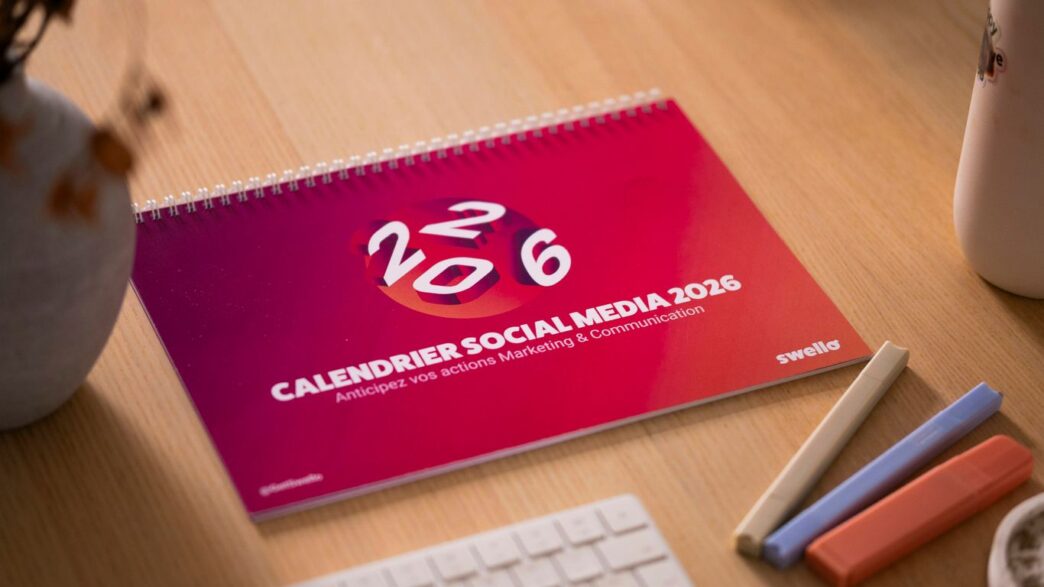
Your social media calendar is basically the heartbeat of your online activity. It’s where all those brilliant ideas and planned campaigns actually take shape. Trying to build one from scratch every time is a massive time sink. A good calendar template, though? It gives you a clear structure. You can map out your posts, see how everything fits together, and make sure you’re not posting the same thing on every platform. It’s about having that bird’s-eye view so you can spot opportunities and avoid clashes. Remember, no two businesses are exactly alike, so pick a template that lets you tweak things to fit your specific needs, whether that’s tracking campaign associations or getting content approved smoothly. Having this organised view can really help align your team and keep everyone on the same page.
Implementing Social Media Post Templates
Let’s be honest, staring at a blank screen trying to come up with the next great post is a drag. Post templates are your secret weapon here. They’re not about being unoriginal; they’re about giving you a starting point. You can create a set of go-to formats for different types of content – maybe one for a quick update, another for a customer spotlight, or a third for a promotional offer. This saves you from reinventing the wheel every single time. You can get your content out there quicker and spend more time on the actual strategy and engaging with your audience. It’s a smart way to keep your output consistent without sacrificing quality. You can find a great social media plan template to get started.
Tracking Time for Enhanced Productivity
Social media management can easily eat up more time than you have in a day. If you’re finding yourself constantly swamped, it might be time to track where all those hours are going. A time tracker template is surprisingly useful. It helps you see exactly how long tasks take, from drafting posts to analysing results. This data isn’t just for your own sanity; it’s powerful evidence if you need to make a case for more resources or better tools. You might discover that certain tasks are taking way too long, or that you simply don’t have the bandwidth for new initiatives. Understanding your time usage is key to making smarter decisions about your workflow and workload.
When you’re already stretched thin, every minute counts. Using templates for common tasks, like content creation or scheduling, frees up valuable time that can be redirected towards more strategic activities, such as audience engagement or performance analysis. It’s about working smarter, not just harder.
Here’s a quick look at how templates can save you time:
- Content Creation: Reduces time spent on formatting and initial drafting.
- Scheduling: Streamlines the process of planning and publishing posts.
- Reporting: Provides a structured format for analysing performance data.
- Engagement: Allows more time for responding to comments and messages.
Measuring Success and Iterating Your Strategy
Right, so you’ve put all this effort into your social media plan, but how do you actually know if it’s working? It’s easy to just keep posting and hope for the best, but that’s not really a strategy, is it? We need to look at the numbers and see what’s actually happening.
Conducting a Comprehensive Social Media Audit
Think of a social media audit like a health check-up for your online presence. You’re not just looking at follower counts – that’s a bit like checking your weight without considering your diet or exercise. We need to dig a bit deeper. What posts got the most likes or comments? Which ones fell flat? Are you even on the right platforms for the people you want to reach? It’s about taking a good, honest look at everything you’ve been doing.
Mapping Key Social Media Metrics
This is where we get down to the nitty-gritty. Forget ‘vanity metrics’ like just having loads of followers if they don’t actually do anything for your business. We’re talking about things that actually matter. For example:
- Click-Through Rate (CTR): How many people clicked on a link in your post? This tells you if your content is interesting enough to make someone want to learn more.
- Conversion Rate: Did those clicks actually lead to something? Like signing up for a newsletter or buying a product? This is a big one for showing real business impact.
- Engagement Rate: This isn’t just about likes. It’s comments, shares, saves – anything that shows people are interacting with your content.
- Reach and Impressions: How many unique people saw your post (reach), and how many times was it displayed in total (impressions)? This helps you understand how widely your message is spreading.
It’s helpful to keep track of these in a simple table, so you can see trends over time. Something like this:
| Metric | Q1 2026 | Q2 2026 | Q3 2026 |
|---|---|---|---|
| Click-Through Rate | 2.5% | 3.1% | 2.9% |
| Engagement Rate | 4.2% | 4.8% | 4.5% |
| Conversions | 50 | 65 | 60 |
Looking at these numbers isn’t just about ticking boxes. It’s about understanding what’s working and what’s not, so you can make smarter decisions about where to spend your time and effort. If a certain type of post consistently gets a high CTR but low conversions, maybe the landing page needs a rethink, or perhaps the audience isn’t quite right for that offer.
Gathering Audience Feedback for Improvement
Numbers only tell part of the story, though. What are people actually saying? Are they asking questions in the comments? Are they sending you direct messages? Sometimes, the best feedback comes straight from the horse’s mouth. You can actively ask for it too – run polls, ask questions in your posts, or even send out a quick survey. People generally like to feel heard, and their input can give you ideas you might never have thought of on your own. It’s all about making your social media a two-way street, not just a broadcast channel.
Building a Collaborative Social Media Framework
Getting everyone on the same page with social media can feel like herding cats sometimes, can’t it? But it’s super important. When your whole organisation understands and supports your social media efforts, things just run smoother. It’s not just about the marketing team anymore; it’s about how everyone contributes to the brand’s online voice.
Creating a Social Media Strategy Deck for Leadership
Think of this as your social media ‘show and tell’ for the higher-ups. You need to explain what you’re doing, why it matters, and how it actually helps the business make money or grow. It’s not enough to just post pretty pictures; you’ve got to connect it to the bottom line. A good deck breaks down your goals, who you’re trying to reach, and what results you’re seeing, all in a way that makes sense to people who might not live and breathe social media all day.
- What’s the big picture? Briefly explain your main social media aims.
- Who are we talking to? Describe your target groups.
- What are we doing? Outline your key activities and platforms.
- What’s the payoff? Show how this links to business goals like sales or brand awareness.
Presenting your social media strategy to leadership requires clarity and a focus on business outcomes. Avoid getting lost in the weeds of daily tactics; instead, highlight the strategic impact and return on investment.
Developing Employee Advocacy Programmes
Your employees are often your biggest fans, and they can be fantastic advocates online. Getting them involved means more eyes on your content and a more authentic voice. But you can’t just tell them to ‘post more’. You need a plan.
- Identify potential advocates: Who are the enthusiastic employees?
- Provide clear guidelines: What can and can’t they share?
- Offer easy-to-share content: Make it simple for them to spread the word.
- Recognise their efforts: A little appreciation goes a long way.
Establishing Social Media Policies for Brand Safety
This is all about protecting your brand. You need clear rules so everyone knows how to behave online when representing the company. It covers everything from what kind of content is okay to share, to how to handle customer complaints, and what to do if something goes wrong. It’s a bit like a rulebook to keep things safe and consistent.
- Tone of voice: How should we sound online?
- Content guidelines: What topics are off-limits?
- Privacy and data: How do we handle sensitive information?
- Crisis management: What’s the plan if there’s a public issue?
- Legal considerations: What do we need to be mindful of legally?
So, What’s Next?
Right, so we’ve gone through all this stuff about making a social media plan. It’s not exactly rocket science, is it? You’ve got your goals, you know who you’re talking to, and you’ve got a rough idea of what you’re going to say. The main thing is, don’t just wing it. Use these templates, get organised, and actually check if it’s working. Social media changes all the time, so your plan needs to change too. It’s not a ‘set it and forget it’ kind of deal. Keep an eye on things, tweak what needs tweaking, and you’ll be miles ahead of everyone just posting random stuff. Good luck out there!
Frequently Asked Questions
What exactly is a social media strategy template?
Think of a social media strategy template as a ready-made plan or guide for your social media activities. It’s like a fill-in-the-blanks sheet that helps you organise your posts, figure out what to say, and know who you’re talking to, saving you loads of time and effort.
Why is having a written-down strategy so important?
Having your strategy written down makes it super clear what you’re trying to achieve. It stops you from just posting random stuff and helps make sure everything you do on social media actually helps your business grow. It’s like having a map to guide you.
How do I know which social media platforms are best for me?
You need to think about who you want to reach. Where do they hang out online? For example, if you’re trying to reach professionals, LinkedIn might be a good bet. If you’re aiming for a younger audience, TikTok or Instagram could be better. The template helps you figure this out.
What’s the point of using a social media calendar?
A social media calendar is like your weekly or monthly planner for posts. It helps you see everything in one place, plan ahead, and make sure you’re posting consistently. This way, you don’t forget to post and can keep your audience engaged.
How can templates help me save time?
Templates are brilliant for saving time because you don’t have to start from scratch. Whether it’s planning posts, creating graphics, or tracking what works, templates give you a head start. This means you can spend more time actually doing the important stuff, like talking to your followers.
How do I know if my social media efforts are actually working?
You need to keep an eye on certain numbers, like how many people see your posts, how many click on your links, and how many people comment or share. By tracking these key figures, you can see what’s popular and what’s not, and then tweak your strategy to do even better.