
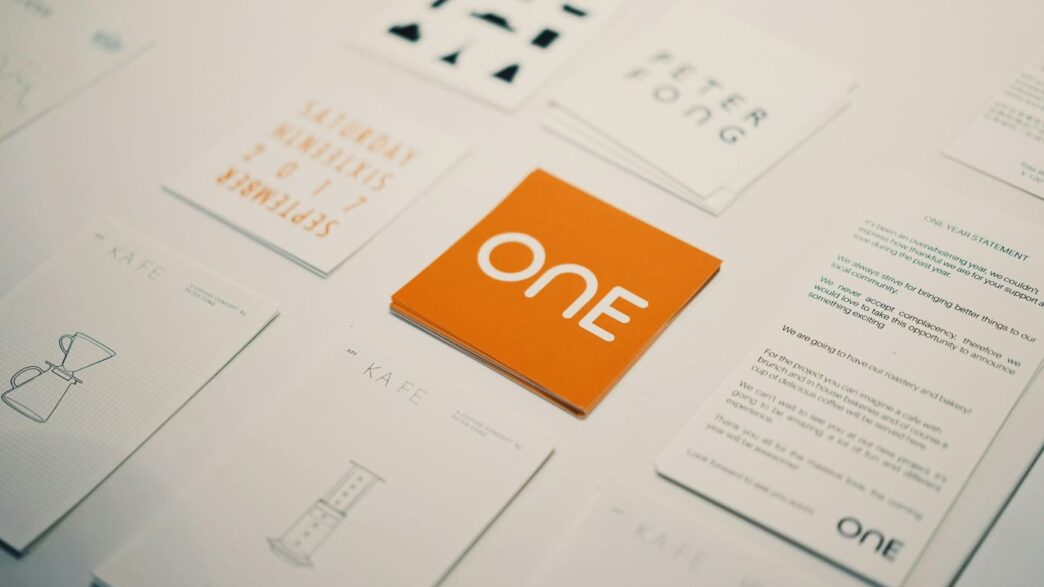
Making your business stand out is tough these days. It feels like everyone is shouting for attention. But here’s the thing, good branding for a business isn’t just about having a nice logo or a catchy slogan. It’s about telling a clear story that connects with people. This guide is here to help you figure out how to build a brand that people remember and trust, without all the confusing buzzwords. We’ll break down the steps to make your business shine.
Key Takeaways
- Figure out who you’re actually trying to reach. Knowing your audience helps you talk to them in a way that makes sense.
- Your brand needs a clear identity. This means knowing your mission, what you stand for, and what makes you special.
- Make sure your brand looks and sounds the same everywhere. Consistency is super important for building trust.
- Your visual stuff, like your logo and colors, needs to work well together and show who you are.
- Keep an eye on how your branding is doing and be ready to make changes if needed. It’s not a one-time thing.
Defining Your Brand’s Core Identity
Before you even think about logos or taglines, you need to get clear on what your business is all about. This isn’t just some fluffy marketing exercise; it’s the bedrock of everything you’ll do. Knowing your core identity is what makes your business unique and memorable. Without this foundation, your branding efforts will likely fall flat.
Understanding Your Target Audience
Who are you actually trying to reach? It sounds simple, but really digging into this is key. You can’t be everything to everyone, and trying to be will just dilute your message. Think about who benefits most from what you offer. What are their problems? What do they care about? What are their daily lives like?
- Demographics: Age, location, income, education level. This gives you the basic picture.
- Psychographics: Their interests, hobbies, values, attitudes, and lifestyle choices. This is where you find the real connection points.
- Pain Points: What challenges are they facing that your business can solve? What keeps them up at night?
Gathering this information can be done through simple surveys, talking to existing customers, or even just observing online communities where your potential customers hang out. The more you know, the better you can speak their language.
Developing Your Mission, Vision, and Values
These three things are like your business’s compass. They guide your decisions and tell people what you stand for.
- Mission Statement: This is your purpose. What do you do, who do you do it for, and why does it matter? It should be clear and action-oriented. For example, "To provide busy parents with healthy, convenient meal solutions."
- Vision Statement: This is where you’re headed. What’s the big picture, the future you’re trying to create? It should be inspiring. Think, "A world where no family has to sacrifice health for convenience at mealtimes."
- Values: These are the guiding principles that dictate your behavior and actions. What’s non-negotiable for your business? Examples might include integrity, innovation, customer focus, or sustainability. Pick a few that truly represent your company culture.
Crafting a Unique Value Proposition
This is a short statement that explains what makes you different and why customers should choose you over the competition. It’s not just a list of features; it’s about the benefit the customer receives. What problem do you solve better than anyone else? What unique advantage do you offer?
Think about it like this:
| Feature/Aspect | Benefit to Customer |
|---|---|
| Locally Sourced Ingredients | Fresher, higher quality meals that support local farmers. |
| 15-Minute Prep Time | Saves busy parents valuable time during hectic evenings. |
| Customizable Meal Plans | Caters to specific dietary needs and preferences, ensuring satisfaction. |
Your unique value proposition should be clear, concise, and directly address the needs and desires of your target audience. It’s the promise you make to your customers.
Building a Cohesive Visual Identity
Building your business’s visual identity is one of those things that sounds easy, but when you actually do it, you’ll find out there’s more to it than just slapping a logo on everything. Getting your visual identity right makes your brand instantly recognizable and helps your audience remember you, even in a crowded market. Let’s break down the main components that matter most when it comes to making your brand stand out visually.
Designing a Memorable and Visually Appealing Logo
Choosing or creating your logo is probably the part everyone thinks of first. But don’t fall into the trap of overcomplicating things. A great logo is:
- Simple enough to be clear at any size—from social icons to billboards
- Adaptable, so it looks good in color or black and white
- Reflective of your brand’s core attitude or vibe (serious, playful, modern, classic—you get it)
Your logo is the symbol people associate with you right off the bat. If you’re not sure where to start, there’s a lot of advice out there on how successful brands approach logo design.
Selecting a Strategic Color Palette
Colors really influence how people feel when they interact with your brand. Don’t just pick your favorites—think about what the colors communicate.
- Choose 3 to 5 colors max to keep things from looking all over the place
- Make sure your main color pops while the others support it
- Consider what different colors say (for example: blue can feel reliable, yellow feels energetic, green can give off a fresh vibe)
Here’s a quick way to compare what some popular brand colors are often used for:
| Color | Typical Use | Feelings/Energy |
|---|---|---|
| Blue | Banks, Tech, Health | Trust, Calm, Professional |
| Red | Food, Retail | Energy, Excitement |
| Green | Wellness, Food, Eco | Nature, Growth |
| Yellow | Travel, Entertainment | Cheerful, Attention |
| Black | Fashion, Luxury | Bold, Sophisticated |
Choosing Complementary Typography
Fonts are easy to overlook, but they make a big difference. Pick fonts that:
- Are easy to read (especially on phones and small screens)
- Pair well with your logo and colors
- Have styles for headlines, body text, and maybe something special for highlights
A strong font combo sets the tone—whether that’s friendly, straightforward, or high-end. Don’t use more than three types of fonts, or things get messy quickly.
The big picture here is that your visual identity needs to work everywhere—your website, marketing stuff, even packaging if you’re selling physical products. By focusing on a strong logo, intentional color choices, and clear typography, your business will look professional and, more importantly, be easy for people to remember.
Establishing Your Brand’s Voice and Messaging
So, you’ve got your logo, your colors, maybe even a catchy slogan. That’s great! But how does your brand actually sound? That’s where your brand’s voice and messaging come in. It’s not just about what you say, but how you say it. Think of it as the personality your business shows to the world through words.
Defining Your Brand’s Tone of Voice
Your brand’s tone is basically its personality. Is it super formal and professional, like a seasoned expert? Or is it more laid-back and friendly, like chatting with a buddy? Maybe it’s witty and a little cheeky, or perhaps it’s warm and comforting. Whatever it is, it needs to feel right for your business and, more importantly, for the people you’re trying to reach. This consistent tone helps people recognize and connect with your brand, no matter where they encounter it.
Here are a few ways to figure out your tone:
- Think about your core values: If your business is all about trust and reliability, your tone should probably reflect that. If you’re about innovation and excitement, maybe a more energetic voice fits.
- Consider your audience: What kind of language do they use? What kind of communication style do they respond to? You don’t want to sound like you’re speaking a different language.
- Look at your competitors: What are they doing? This isn’t to copy them, but to see what’s out there and how you can stand out. Maybe everyone else is super serious, and a bit of humor could make you memorable.
Crafting a Memorable Tagline or Slogan
Your tagline or slogan is like a mini-summary of your brand. It’s a short phrase that sticks in people’s minds and tells them what you’re all about. It should be catchy, easy to remember, and ideally, hint at the benefit you provide. Think about famous ones like Nike’s "Just Do It" or McDonald’s "I’m Lovin’ It." They’re short, sweet, and instantly recognizable.
Developing Core Messaging Pillars
These are the main ideas or themes that you’ll talk about consistently. They’re the building blocks for all your communications. Instead of just talking about your product or service randomly, you’ll have a few key messages that you keep coming back to. This helps reinforce what your brand stands for and what makes it special.
For example, if you sell eco-friendly cleaning supplies, your core messaging pillars might be:
- Environmental Responsibility: How your products help the planet.
- Health and Safety: How they’re safe for families and pets.
- Effectiveness: That being green doesn’t mean sacrificing cleaning power.
Having these pillars makes it easier to create content, whether it’s a social media post, a blog article, or even a customer service response. It keeps everything focused and on-brand. You can find more about brand voice guidelines to help solidify these concepts.
Ensuring Brand Consistency Across All Platforms
So, you’ve figured out what makes your brand tick, right? You’ve got your logo, your colors, your whole vibe. That’s awesome. But here’s the thing: if you don’t keep that same look and feel everywhere, it’s like showing up to a party in a tuxedo and then showing up to the next one in sweatpants. People get confused. Consistency is what makes your brand stick in people’s minds. It’s how they learn to recognize you, trust you, and eventually, maybe even love you.
Implementing Brand Guidelines for Uniformity
Think of brand guidelines as your brand’s rulebook. It’s not meant to be a creative straitjacket, but more like a helpful map. This document lays out exactly how your logo should be used (like, how much space it needs around it, what colors it can be), what fonts you’re sticking with, and the general tone of voice you should be using. It’s super important for anyone creating content for your business, whether that’s an employee, a freelancer, or even an agency you’ve hired. Having this guide means everyone’s on the same page, and your brand doesn’t end up looking like a patchwork quilt.
Here’s what you’ll typically find in a good set of guidelines:
- Logo Usage: Specific rules on size, spacing, and acceptable variations.
- Color Palette: Defined primary and secondary colors with their exact codes (like HEX or CMYK).
- Typography: Approved fonts for headings, body text, and other uses.
- Tone of Voice: Examples of how your brand should sound – friendly, professional, witty, etc.
- Imagery Style: Guidance on the types of photos or graphics that fit your brand.
Maintaining Consistency Across Digital Channels
Your website is probably your brand’s home base online. Make sure it looks and feels like you. Then, when someone hops over to your Instagram, Facebook, or LinkedIn, it should feel like they’re still in the same neighborhood. This means using the same logo, colors, and fonts on your social media profiles and in your posts. It also applies to your email newsletters – keep those headers and footers consistent! Even your online ads should have that familiar look. When all these digital pieces fit together, it makes your brand feel solid and reliable.
Aligning Offline and Online Brand Experiences
Don’t forget about the real world! If your brand is consistent online, it needs to be offline too. This means your business cards, brochures, packaging, and even how your staff interacts with customers should all reflect your brand’s identity. Imagine seeing a super sleek, modern ad online, but then walking into the store and it feels cluttered and old-fashioned. That disconnect can really throw people off. The goal is to create a unified experience, so whether someone is scrolling through your feed or visiting your physical location, they get the same clear message about who you are and what you stand for.
Strategic Approaches to Branding for Your Business

So, you’ve got your brand’s core identity sorted and a look that people recognize. That’s great! But how do you actually make your brand work for you in the real world? It’s not just about having a nice logo; it’s about being smart with how you present yourself. Think of it like this: you wouldn’t wear a tuxedo to a picnic, right? Your branding needs to fit the situation.
Analyzing Competitors and Market Positioning
First off, let’s talk about the other players in your field. You know, your competition. It’s really important to see what they’re up to. What are they doing that seems to be working? Where are they falling short? This isn’t about copying them, but about finding your own unique spot. Maybe they’re all shouting about price, but you could focus on quality or a special kind of service. It helps you figure out where you fit in and how to stand out.
Here’s a quick way to look at it:
| Competitor | Their Main Message | What They Do Well | Where They Could Improve |
|---|---|---|---|
| Company A | "Lowest Prices Guaranteed" | Price competitiveness | Customer service speed |
| Company B | "Premium Quality Products" | Product durability | Limited product range |
| Company C | "Fastest Delivery in Town" | Logistics efficiency | Lack of personalized support |
Looking at this, you might see an opening to offer great quality and good service, something neither A nor B is fully nailing.
Exploring Potential Marketing Channels
Now that you know where you stand, where do you actually show up? You can’t be everywhere, so you need to pick the right places. Think about where your ideal customers hang out. Are they scrolling through Instagram? Reading industry blogs? Listening to podcasts? Maybe they’re attending local events. Each place has its own vibe, and your brand needs to feel at home there.
- Digital Ads: Good for reaching specific groups of people quickly.
- Content Marketing: Like blog posts or videos that help people and show you know your stuff.
- Social Media: Great for talking directly with customers and building a community.
- Email Newsletters: Keeps your existing customers in the loop and encourages repeat business.
- Partnerships: Working with other businesses that reach a similar audience.
Don’t just pick one and stick with it forever. Try a few, see what brings in the best results, and adjust. It’s all about being smart with your time and money.
Leveraging Brand Storytelling for Connection
People don’t just buy products; they buy into stories. What’s the story behind your business? Why did you start it? What problems are you trying to solve? Sharing this can make a huge difference. It’s about showing the human side of your brand, the passion, and the journey. Think about the challenges you’ve overcome or the ‘aha!’ moment that led to your business idea. When customers connect with your story on an emotional level, they’re more likely to stick with you. It turns a simple transaction into a relationship. Authenticity is key here; people can spot a fake story a mile away.
Measuring and Evolving Your Branding Efforts
So, you’ve put in the work, built a killer brand identity, and you’re feeling pretty good about it. That’s awesome! But here’s the thing: branding isn’t a ‘set it and forget it’ kind of deal. It’s more like tending a garden. You gotta keep an eye on it, see what’s growing well, and pull out the weeds. Regularly checking how your brand is doing is super important for making sure it stays strong and relevant.
Tracking Key Performance Indicators for Branding
How do you actually know if your branding is working? You look at the numbers, of course. These are your Key Performance Indicators, or KPIs. They’re like the vital signs for your brand’s health.
Here are some things to keep an eye on:
- Brand Awareness: Are more people hearing about you? You can check this by looking at things like how many people visit your website directly (not from an ad), how many people are searching for your brand name online, and how much buzz you’re getting on social media or in the news.
- Customer Engagement: How are people interacting with what you put out there? Think about likes, shares, comments on social posts, how long people stick around on your website pages, and if they’re clicking on your links.
- Customer Loyalty: Are people sticking with you? Look at how often customers come back to buy from you again, what they’re saying in reviews, and if they’re recommending you to their friends.
- Conversion Rates: Is your branding actually leading to people taking action, like signing up for a newsletter or making a purchase? This shows if your brand message is convincing.
Utilizing Brand Tracking Tools
Manually tracking all that can be a headache. Luckily, there are tools that can help. Think of them as your brand’s personal assistants.
- Google Analytics: This is a must-have for website traffic, user behavior, and conversion tracking. It’s free and gives you a ton of data.
- Social Media Analytics: Most platforms (Facebook, Instagram, Twitter, LinkedIn) have built-in analytics that show you reach, engagement, and follower growth.
- Brand Monitoring Software: Tools like Brandwatch or Mention can scan the internet for mentions of your brand, helping you understand sentiment (are people saying good or bad things?) and track conversations.
- Customer Surveys: Sometimes, the best way to know what people think is to just ask them! Tools like SurveyMonkey or even simple email surveys can gather direct feedback on brand perception and satisfaction.
Understanding When to Rebrand
Brands aren’t meant to be static. Sometimes, things change – your business goals shift, the market evolves, or maybe your audience’s tastes change. When this happens, it might be time to think about a rebrand.
What are the signs?
- Your brand feels old-fashioned: If your logo, colors, or messaging look like they’re from a different decade and don’t fit with current trends or your audience’s style.
- Your business has changed direction: Maybe you’ve expanded into new services, merged with another company, or completely changed your focus. Your brand needs to reflect that.
- Customers are confused: If people don’t understand what you do, or if your message is all over the place and inconsistent.
- You’re not standing out: If competitors are doing a better job of grabbing attention and you’re getting lost in the noise.
Rebranding isn’t just about a new logo; it’s a strategic move to make sure your brand still aligns with who you are as a business and who you’re trying to reach. It’s about giving your brand a fresh start to connect better with your audience and stay competitive.
Conclusion
Branding isn’t something you do once and forget about. It’s more like a project that keeps going as your business grows and changes. The main thing is to stay true to what your business stands for and keep your message and look consistent everywhere people find you—whether that’s your website, social media, or even your packaging. Don’t be afraid to tweak things as you learn more about your customers and what works for them. Keep an eye on what your competitors are doing, but focus on what makes your business different. At the end of the day, strong branding helps people remember you and trust you. It takes effort, but it’s worth it. Stick with it, keep things simple, and your brand will get stronger over time.