So, you’re selling stuff online, maybe on a few different platforms. That’s great, but are people actually finding your products? It’s like having a shop on a busy street, but nobody knows where your door is. That’s where marketplace SEO comes in. It’s all about making sure your listings show up when people are searching. We’ll go over the basics and some tips to get your products seen more.
Key Takeaways
- Getting your products found online starts with understanding how people search for them. Think about the words customers actually type into search bars.
- Make your product titles and descriptions clear and include the right keywords. This helps both the search engines and potential buyers understand what you’re selling.
- Good pictures and videos make a big difference. People want to see what they’re buying, and clear visuals build trust.
- Pay attention to what customers say in reviews. Responding to them and using feedback to improve your listings shows you care and can help with rankings.
- Keep an eye on how your products are doing in search results and what data the marketplace gives you. Use this info to make your listings even better over time.
Understanding Marketplace SEO Fundamentals
So, you’ve got your products listed on an online marketplace. That’s great, but just being there isn’t enough, right? Think of it like opening a shop on a busy street – if your storefront is hidden or looks uninviting, people will just walk right by. That’s pretty much what happens online without good marketplace SEO. It’s all about making sure potential buyers can actually find what you’re selling when they search.
Defining Marketplace SEO
Marketplace SEO is basically the process of making your product listings and your seller profile more visible within the marketplace’s own search results and sometimes even on external search engines like Google. Unlike optimizing a standalone website, here you’re dealing with a platform that has its own rules and algorithms. You’re not just optimizing one page; you’re optimizing individual product pages, category pages, and your seller profile to rank higher. The goal is simple: get your products in front of the right eyes at the right time.
Why Marketplace SEO Matters for Visibility
Let’s face it, most shoppers don’t scroll past the first page of search results. If your products aren’t showing up there, they might as well not exist. Good marketplace SEO means:
- More Eyes on Your Products: When your listings rank higher, more people see them. It’s that straightforward.
- Increased Traffic: Higher visibility naturally leads to more clicks and visits to your product pages.
- More Sales: Ultimately, more traffic and better visibility translate directly into more sales. People can’t buy what they can’t find.
- Building Trust: Appearing consistently in top search results can make your brand seem more established and trustworthy to shoppers.
Key Components of Marketplace Optimization
Getting your marketplace listings to perform well involves a few key areas. It’s not just one thing; it’s a combination of efforts:
- Keyword Research: Figuring out the exact words and phrases customers type into the search bar when looking for products like yours. This is the bedrock of everything else.
- Listing Optimization: This is where you craft your product titles, descriptions, and bullet points. You want them to be informative for customers and appealing to the marketplace’s search algorithm.
- Visuals: High-quality images and videos are super important. They grab attention and help customers make a decision.
- Reviews and Reputation: What other customers say about your product and your service really matters. Good reviews can boost your ranking.
- Technical Aspects: Making sure your listings load fast and are easy for the marketplace’s system to understand.
Mastering Keyword Research for Marketplaces

Okay, so you’ve got your products listed, but are people actually finding them? That’s where keyword research comes in. Think of it like this: your customers aren’t using marketing speak when they search; they’re using everyday words. If someone wants a backpack for hiking, they might type in "small hiking bag" or "waterproof pack," not necessarily "lightweight, durable, water-resistant outdoor rucksack." Your job is to figure out all those different ways people search.
Identifying Customer Search Terms
This is all about getting inside your customer’s head. What words would they use? A good starting point is to look at what terms are already sending shoppers to your competitors’ listings. Many tools can show you what keywords your rivals are ranking for. Also, pay attention to the auto-suggest features on marketplaces like Amazon or Etsy. When you start typing something, the suggestions that pop up are often popular search phrases. Don’t forget to check what search terms bring people to your own website if you have one; this can reveal high-intent phrases that work everywhere.
For example, if you sell fancy dog beds, your main keyword might be "orthopedic dog bed." But your research should also uncover terms like "large dog joint support," "washable pet cushion," and "senior dog comfort mat." Using these naturally in your listings is smart.
Leveraging Long-Tail Keywords
Long-tail keywords are those longer, more specific phrases. They might not get as many searches as broad terms, but the people searching for them usually know exactly what they want. This means they’re often more likely to buy. So, instead of just "dog bed," a long-tail keyword might be "extra large orthopedic dog bed for senior labs." These specific phrases can be goldmines for conversions.
Here’s a quick look at how broad vs. long-tail keywords differ:
| Keyword Type | Example |
|---|---|
| Broad | "Dog Bed" |
| Specific | "Orthopedic Dog Bed" |
| Long-Tail | "Extra Large Orthopedic Dog Bed for Labs" |
Structuring Keywords for Impact
Once you have your list of keywords, you need to know where to put them. On marketplaces, the location really matters. Think of it like prime real estate for your keywords:
- Product Title: This is the most important spot. Put your main keyword and other key terms here. Instead of "Great Blender," try "High-Speed Smoothie Blender – 1200W, 64oz Jar, BPA-Free – Perfect for Shakes and Soups." See how much more information that packs in?
- Product Description: Use your keywords naturally throughout the description. Explain the benefits and features using the language your customers use.
- Backend Keywords/Search Terms: Many marketplaces have a specific section for backend keywords. Use this space to include variations and related terms that didn’t fit naturally into your title or description.
Optimizing Product Listings for Search
Alright, so you’ve done your keyword homework, which is awesome. But just knowing the right words isn’t enough, right? You’ve got to actually use them where people will see them. That’s where your product listing comes in. Think of it as your digital storefront – it needs to be welcoming, informative, and, most importantly, findable.
Crafting Compelling Listing Titles
This is prime real estate, folks. Your title is often the first thing a shopper sees, and it’s a huge signal to the marketplace’s search algorithm. You can’t just slap your brand name on there and call it a day. You need to pack it with relevant keywords that people are actually typing into the search bar. But here’s the trick: don’t just stuff keywords in there like you’re trying to win a stuffing contest. It needs to make sense. A title that looks like a robot wrote it might rank, but it’s not going to get clicks. Aim for clarity and include your main keyword, maybe a secondary one, and a key differentiator.
For example, instead of "Cool Gadget", try something like "Smart Wi-Fi Enabled Coffee Maker – 12 Cup Capacity, Stainless Steel Finish, Programmable Timer". See the difference? It tells you what it is, what it does, and what it looks like, all while hitting those important search terms.
Writing Descriptions That Convert
Okay, so the title got them to click. Now what? Your description is where you seal the deal. This isn’t just a place to list specs; it’s your chance to tell a story and connect with the customer. Forget those dry, generic descriptions you see everywhere. You need to talk to your potential buyer like a real person.
- Address their needs: What problem does your product solve? Start by talking about that. If you’re selling a comfy dog bed, don’t just say "dog bed." Talk about how it helps anxious dogs relax or gives older dogs relief from achy joints.
- Focus on benefits, not just features: Instead of saying "waterproof material," say "Keeps your belongings dry even in a downpour, so you don’t have to worry about soggy sandwiches on your hike."
- Use natural language: Weave in those longer, more specific keywords you found during your research. If you sell ergonomic chairs, you might naturally mention "improving posture for long workdays" or "reducing lower back strain."
A good description makes the customer feel something and clearly see how your product fits into their life.
Showcasing Product Benefits and Features
This ties right into the description, but it’s worth breaking out. Think about the top 3-5 things that make your product awesome. These are the selling points that will make someone choose you over the competition. You can list these out using bullet points, which are super easy to scan. Make sure each bullet point highlights a clear benefit. Instead of "Durable construction," try "Built to last through years of daily use, saving you money on replacements."
Here’s a quick way to think about it:
| Feature | Benefit |
|---|---|
| 100% Cotton Fabric | Soft and breathable for all-day comfort, even in warm weather. |
| Reinforced Stitching | Extra strong seams mean it won’t fall apart after a few washes. |
| Easy-Care Material | Machine washable and wrinkle-resistant, saving you time on laundry day. |
Remember, people are looking for solutions to their problems or ways to improve their lives. Your listing needs to show them how your product does exactly that.
Enhancing Visual Appeal and Trust
Okay, so you’ve got your keywords sorted and your titles looking sharp. Now, let’s talk about what really grabs people’s attention and makes them feel good about buying from you. It’s all about how things look and whether people trust you.
The Importance of High-Quality Images
Think about when you’re scrolling through products. What stops you? Usually, it’s a really good picture. Your main product image is like the handshake – it’s the first impression. It needs to be super clear, professional, and follow whatever rules the marketplace has (like a plain white background). But don’t stop there. You need a bunch of images, maybe 5 to 7, showing the product from different angles.
- Show it in action: If you’re selling a chair, show someone sitting in it. If it’s a jacket, show someone wearing it. People need to picture themselves using it.
- Give them the details: Use images to show dimensions, what’s included, or even a simple graphic highlighting the top three things that make your product great.
- Context is key: Lifestyle shots help customers see how the product fits into their own lives. It makes it feel more real and desirable.
Utilizing Product Videos Effectively
If images are good, videos are often even better. They give a much more dynamic look at your product. While not every marketplace allows videos, if yours does, it’s a smart move. A short video can show off features in a way pictures can’t, like how a gadget works or the texture of a fabric. It can really help answer questions before they’re even asked, which can cut down on returns. Plus, it just makes your listing feel more complete and professional.
Encouraging and Responding to Reviews
This is where trust really gets built. People want to know what other shoppers think. You should definitely encourage customers to leave reviews. Make it easy for them. But don’t just let them sit there. Responding to reviews, both good and bad, shows you care. If someone had a great experience, thank them. If they had a problem, address it politely and offer a solution. This interaction makes you look like a real person who stands behind their products, and that goes a long way in making new customers feel comfortable buying from you.
Technical Marketplace SEO Essentials
So, you’ve got your listings looking sharp and your keywords dialed in. That’s awesome. But there’s a whole other layer to making sure your marketplace is a well-oiled machine, and that’s the technical side of things. Think of it like making sure the engine in your car is running smoothly – people won’t see how pretty the paint job is if the car won’t even start.
Optimizing Platform Speed and Mobile Experience
Nobody likes waiting around for a page to load, right? Especially not when they’re trying to buy something. Slow loading times are a major turn-off for shoppers and search engines alike. You want your marketplace to feel snappy and responsive, no matter what device someone is using.
- Image Optimization: Big, uncompressed images are often the biggest culprits for slow load times. Make sure your images are sized correctly and compressed without losing too much quality.
- Browser Caching: This is like giving your browser a cheat sheet so it doesn’t have to re-download everything every time someone visits. It speeds things up for repeat visitors.
- Mobile-First: More and more people are shopping on their phones. If your marketplace looks clunky or is hard to use on a small screen, you’re losing a huge chunk of potential customers. Make sure your site works perfectly on mobile devices.
Implementing Structured Data Markup
This might sound a bit techy, but it’s pretty straightforward once you get the hang of it. Structured data, or schema markup, is basically a way to give search engines more information about your products. Instead of just seeing a bunch of text, search engines can understand that a certain number is a price, another is a review rating, and so on.
Why bother? Because when search engines understand your content better, they can show it off in more interesting ways in the search results. Think of those little star ratings or price displays you sometimes see right on the search page – that’s often thanks to structured data. It makes your listing stand out and can really encourage people to click.
Ensuring Clean URLs and Site Accessibility
Your URLs, those web addresses you see at the top of your browser, should be easy for both people and search engines to read. Long, jumbled strings of characters are confusing. Aim for URLs that are short, descriptive, and include relevant keywords if possible. For example, yourmarketplace.com/products/blue-widget-model-x is much better than yourmarketplace.com/prod?id=12345&cat=678.
Accessibility is also super important. This means making sure your marketplace can be used by everyone, including people with disabilities. Things like proper heading structures, alt text for images, and keyboard navigation all play a part. It’s not just the right thing to do; it also makes your site more user-friendly overall, which search engines tend to like.
Tracking and Analyzing Marketplace Performance
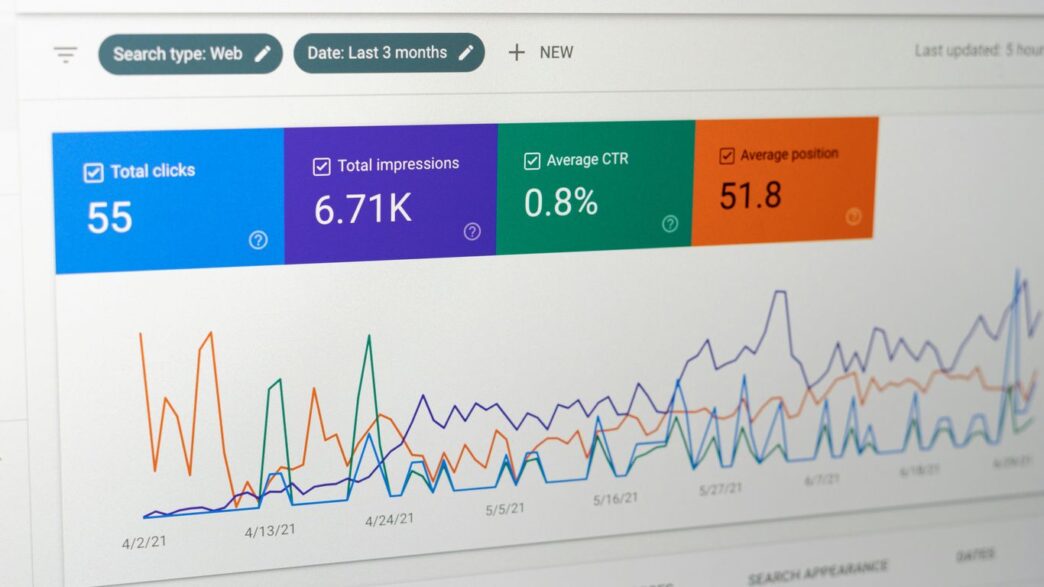
So, you’ve put in the work, optimized your listings, and now you’re waiting for the sales to roll in. But how do you actually know if all that effort is paying off? That’s where tracking and analyzing your marketplace performance comes in. It’s not just about looking at your sales numbers; it’s about digging deeper to see what’s working and what’s not.
Leveraging Marketplace Data for Insights
Marketplaces give you a ton of information about how shoppers are interacting with your products. You just have to know where to look. Think about search term reports. These tell you exactly what people are typing into the search bar to find products like yours. If a certain phrase is bringing in lots of views but no sales, maybe your product images or price aren’t quite hitting the mark. On the flip side, if a term is leading to sales, you’ll want to make sure that keyword is front and center in your titles and descriptions.
Conversion rate is another big one. You could be number one for a search term, but if nobody’s actually buying, what’s the point? This metric shows if your product and its presentation are meeting customer expectations. Low conversion rates often mean you need to tweak your images, pricing, or how you describe the product’s benefits.
Don’t forget about returns and reviews. Happy customers mean better visibility. Regularly check your negative reviews for common complaints. Is your product consistently described as
Wrapping It Up
So, getting your products seen on online marketplaces isn’t just about listing them and hoping for the best. It’s a whole process, right? We’ve talked about how important it is to pick the right words people actually search for, make your product pages look good, and keep an eye on how your listings are doing. Remember, this stuff changes, so you’ve got to keep tweaking and improving. By putting in the work now, you’ll make it way easier for shoppers to find you, and that’s how you get more sales. It’s not rocket science, but it does take some effort.
Frequently Asked Questions
What exactly is marketplace SEO?
Marketplace SEO is like making your online store super easy for shoppers to find on big shopping websites like Amazon or Etsy. It’s about making sure your products pop up when people search for them, so more customers see and buy what you’re selling.
Why is it important to use good keywords?
Keywords are the words people type into search bars. Using the right keywords in your product titles and descriptions is super important because it tells the search engine what your product is. If you use words customers are actually searching for, they’re more likely to find you!
How do pictures help sell more stuff online?
Great pictures are like a salesperson for your product! When shoppers can see clear, attractive photos of your item from different angles, and maybe even see it being used, they feel more confident about buying it. Good photos make your listing look more real and trustworthy.
Should I care about customer reviews?
Absolutely! Reviews are like opinions from other shoppers. Good reviews show new customers that your product is great and that you’re a reliable seller. It’s also smart to respond to reviews, both good and bad, to show you care about your customers.
What does ‘technical SEO’ mean for a marketplace?
Technical SEO is about making sure the website itself works perfectly. This means making sure your pages load super fast, especially on phones, and that the website is built in a way that search engines can easily understand and list your products. It’s the behind-the-scenes stuff that helps everything run smoothly.
How do I know if my marketplace SEO is working?
You can track how well your products are showing up in search results for the keywords you’re using. Also, look at how many people are clicking on your listings and actually buying your products (that’s called conversion rate). Watching these numbers helps you see what’s working and what you can do better.