
Maxar Space Systems: A Legacy of Innovation
Pioneering Space Exploration Since the Beginning
Maxar Space Systems has a history that stretches back to the very early days of space exploration. Think about it: the US launched its first satellite in 1958. Just two years later, the company that would eventually become Maxar built the world’s first active repeater satellite. That’s a pretty big deal. It means Maxar has been involved in space stuff for a really long time, right from the start.
Evolution Through Acquisitions and Strategic Shifts
Over the years, the company has changed quite a bit. It became Maxar Technologies in 2017, but then in 2023, private investors bought it. This led to a split. Now, there’s Maxar Intelligence, which handles mapping and data, and Maxar Space Systems. This new setup lets Maxar Space Systems really focus on building space technology and manufacturing. It’s like they’re streamlining things to be more effective.
A New Era: Focus on Space Technology and Manufacturing
Today, Maxar Space Systems is all about looking forward. They’re not just resting on their past achievements. CEO Chris Johnson talks about how their existing tech and experience are perfect for new space projects, whether for national security, government agencies, or commercial companies. The goal is to use their 60 years of experience to find the right partners and customers for future growth. They’re building things like the power and propulsion system for NASA’s Lunar Gateway, which is a big step towards getting back to the Moon and beyond. It’s a clear sign they’re serious about pushing the boundaries of what’s possible in space.
Navigating the Evolving Space Market
Adapting to New Competitors and Market Dynamics
The space industry is really changing, isn’t it? It used to be that a few big players pretty much dominated everything. But now, with companies like SpaceX and Blue Origin making waves, things are different. This shift actually creates some interesting chances for Maxar Space Systems. Because we have a wider range of platforms, we can do things like remote sensing more affordably and check in on Earth more often. And if the usual spots get too crowded, there are other orbits where our tech can really shine.
Leveraging a Diverse Platform for Cost-Effective Solutions
We’ve got a lot of different tools in our toolbox, and that’s a good thing. It means we can offer solutions that make sense financially. Think about it: instead of one giant, expensive satellite, we can use a mix of our capabilities to get the job done without breaking the bank. This flexibility is key in today’s market where budgets are always a consideration.
Opportunities in National Security, Civil, and Commercial Sectors
Maxar Space Systems isn’t just focused on one area. We’re involved in some pretty exciting projects.
- National Security: We’re supporting programs that are vital for keeping things secure.
- Civil Space: We’re part of NASA’s Artemis program, which is all about going back to the Moon and eventually to Mars. We’re building the power and propulsion part for the Lunar Gateway, which is a big deal.
- Commercial Sector: We’re also looking at new opportunities in the commercial space, helping businesses with their satellite needs.
This broad approach means we’re not putting all our eggs in one basket. It helps us stay adaptable and ready for whatever comes next in space.
Driving Future Space Missions
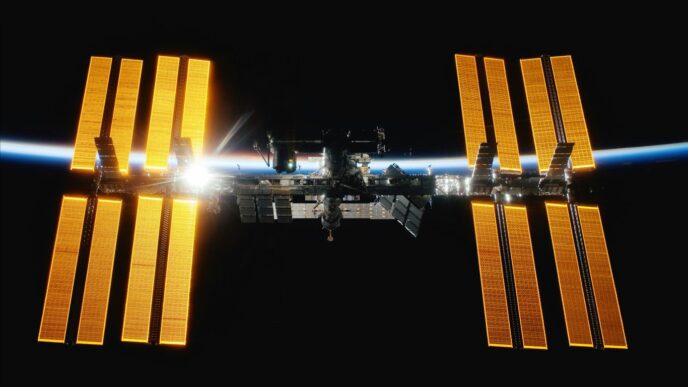
Maxar Space Systems is really getting involved in some big projects that are shaping what space exploration looks like. It’s not just about sending things up anymore; it’s about building the infrastructure for what comes next. Think about NASA’s Artemis program – the whole idea is to get humans back to the Moon and eventually to Mars. Maxar is a key player here, building the power and propulsion part for the Lunar Gateway. This is like a space station that will orbit the Moon, acting as a stepping stone for those deeper space journeys. It’s pretty cool to think that the tech they’re developing for this could also help with future space stations, whether they’re for commercial use around Earth or for missions further out.
It’s kind of like how people moved across the country a long time ago. They needed places to stop and refuel along the way. Space is going to work in a similar fashion, with these orbital waypoints making longer trips possible. Maxar’s work on propulsion systems is also important for sending probes and equipment to explore more distant parts of space. They’re not just building one-off parts; they’re creating systems that enable more ambitious missions.
Contributing to NASA’s Artemis Program and Lunar Gateway
Maxar is a big part of NASA’s plan to return to the Moon. They’re building the Power and Propulsion Element (PPE) for the Lunar Gateway. This is a critical piece of hardware that will provide electricity and help keep the Gateway in its orbit around the Moon. It’s a complex system, and getting it right is key for the whole Artemis mission.
Enabling Deeper Space Exploration with Advanced Propulsion
Beyond the Moon, Maxar’s work on advanced propulsion systems is what makes exploring further out into space a real possibility. These systems are more efficient and powerful, meaning we can send more sophisticated equipment and potentially even people to places we’ve only dreamed of reaching before. It’s about making those long-distance space trips more feasible.
Supporting the Development of Future Space Stations
The technology Maxar is developing for the Lunar Gateway isn’t just a one-trick pony. It’s designed to be adaptable. This means the same kind of systems could be used for other space stations, whether they’re privately funded and orbiting Earth, or part of a larger network supporting exploration deeper into the solar system. They’re building foundational technology for the future of living and working in space.
The Maxar Space Systems Advantage: Agility and Collaboration
The Strength of a Scaled-Down Large Manufacturer
Maxar Space Systems has this interesting position. They’ve got the know-how and experience you’d expect from a big player in defense, like building satellites for decades. But here’s the twist: they’re not a giant corporation with thousands upon thousands of employees. Think of it like having the experience of a seasoned chef, but working in a smaller, more nimble kitchen. This means they can actually react pretty fast when things change in the space world, which, let me tell you, happens a lot. It’s like they have the heritage of a big company but operate with the speed of a startup. This size allows their leadership to talk directly with their partners, cutting through a lot of the usual corporate red tape. If there’s a new idea or a chance to team up, decisions can be made quickly without going through endless layers of management.
Rapid Response to Market Needs and Technological Trends
Because they’re not bogged down by massive organizational structures, Maxar Space Systems can pivot surprisingly fast. Take, for example, when they decided to invest in their Maxar 300™ series spacecraft, a platform designed for low Earth orbit. This strategic shift, aimed at serving needs like those of the Space Development Agency, happened over weeks, not months or years. It shows they’re not just building things; they’re actively adapting to what customers need and what new technologies are emerging. This quick thinking is a big deal in space, where opportunities can appear and disappear before you know it.
Direct Engagement with Supply Chain Partners
Collaboration isn’t just a buzzword for Maxar Space Systems; it’s how they get things done. A significant chunk of their contract work involves their supply chain partners, so keeping those relationships strong is key. They work closely with these partners, not just to build current projects, but to align their future plans. It’s about looking ahead together, figuring out what new technologies will be needed, and then going after those opportunities as a team. They’re also always on the lookout for new suppliers who are doing innovative work. This keeps their options open and helps them avoid getting stuck with just one way of doing things, especially when there’s a chance to push technology forward in new directions.
Commitment to Quality and Customer Needs
Deep Industry Understanding for Cost and Schedule Efficiency
Maxar Space Systems really gets that building spacecraft isn’t just about fancy tech; it’s about making sure things work right, on time, and without breaking the bank. They’ve been around the block a few times, and that experience means they know what it takes to get a project from the drawing board to orbit without a lot of fuss. It’s like knowing all the shortcuts and potential pitfalls when you’re planning a big road trip. They bring that practical knowledge to the table, which helps keep costs down and schedules on track. This isn’t just guesswork; it’s built on years of hands-on work and seeing what actually flies.
Rapid Strategic Shifts, Such as the Maxar 300™ Series
Things move fast in space, and Maxar knows it. They’re not afraid to change direction when needed. Take their Maxar 300™ series, for example. This shows they can adapt quickly. Instead of sticking to one plan forever, they’re ready to pivot and create new solutions that fit what customers need now. It’s about being nimble, not stuck in old ways. This ability to adjust means they can respond to new ideas or changing market demands pretty effectively.
Ensuring Reliability Through Extensive On-Orbit Heritage
When you’re sending something into space, you want to be sure it’s going to keep working. Maxar has a long history of spacecraft that have performed well up there. This "on-orbit heritage" is a big deal. It means their designs and components have been tested by the harsh environment of space for years, sometimes decades. Think of it like buying a car that’s been on the road for a million miles without major issues – you have a lot of confidence in it. This track record gives customers peace of mind that Maxar’s systems are built to last and perform reliably, mission after mission.
Global Reach and Impact
Maxar Space Systems isn’t just building satellites; they’re connecting the world. It’s pretty wild to think about how much of our daily lives relies on what happens way up there. From keeping global communications flowing to supporting critical national security operations, Maxar’s work touches a lot of bases.
Serving Customers Across 70 Countries
It’s not just a few big clients, either. Maxar’s technology is out there helping folks in over 70 different countries. This wide reach means their systems are designed to work in all sorts of environments and meet a huge variety of needs. Think about the complexity of that – different regulations, different climates, different goals, all needing reliable space tech.
Powering Global Communications with Satellite Networks
When you stream a video or make a call, there’s a good chance a Maxar satellite is involved somewhere along the line. They build and operate networks that keep information moving across the planet, even to places where ground-based internet is tricky. This constant flow of data is the backbone of modern business and personal connections. It’s easy to take for granted, but it takes a lot of engineering to make it happen reliably.
Extensive Experience with Over 300 Spacecraft Launches
With more than 300 spacecraft launches under their belt, Maxar has seen a thing or two. This isn’t just a number; it’s a testament to their experience in getting things into orbit and keeping them there. Each launch is a complex operation, and doing it hundreds of times means they’ve learned a lot about what works and what doesn’t. This history means they’re not guessing; they’re building on a solid foundation of real-world success.
Strategic Partnerships and Supply Chain Integration
The Critical Role of Supply Chain Partners
Building a satellite isn’t a solo act. Maxar Space Systems knows this well. A big chunk of their contract work, about half, actually, goes through their supply chain partners. That means keeping these relationships solid is super important. It’s not just about having people to do the work; it’s about working together to figure out what new tech is coming down the line and how they can both get ahead of it. When Maxar is looking at new projects, they’re not just thinking about what they can do themselves. They’re actively looking for suppliers who are on the cutting edge or can meet specific mission needs. This keeps them from getting stuck with just one way of doing things and opens up possibilities for advancing technology in new directions.
Aligning Roadmaps for Future Technological Advancements
It’s like planning a road trip with friends. You don’t just show up at the starting point; you talk about where you want to go, what sights you want to see, and how you’re going to get there. Maxar does this with its partners. They get together to talk about what the future of space tech looks like. This means discussing new materials, new ways to build things, and what kind of capabilities will be needed for missions five, ten, or even twenty years from now. By sharing these plans, everyone involved can start preparing. Suppliers can invest in new equipment or training, and Maxar can make sure its own designs will work with the latest and greatest components available. This kind of forward-thinking collaboration helps make sure that when a new opportunity pops up, everyone is ready to jump on it.
Seeking Innovative Suppliers to Enhance Capabilities
Maxar isn’t afraid to look outside its usual circle. They’re always on the lookout for companies that are doing something new or different. Maybe it’s a small startup with a groundbreaking sensor, or a company that has figured out a more efficient way to build a specific part. Bringing these new players into the fold can really shake things up. It means Maxar can tap into fresh ideas and technologies that they might not have developed on their own. This helps them stay competitive and offer customers the most advanced solutions possible. It’s all about building a network of the best talent and technology available, making sure Maxar Space Systems can tackle any challenge the space industry throws its way.
Looking Ahead
So, what’s next for Maxar Space Systems? It’s clear they’re not just resting on their decades of experience. With a focus on working closely with partners and adapting quickly to what customers need, they seem ready for whatever the space industry throws their way. Whether it’s helping NASA get back to the Moon with the Artemis program or finding new ways to provide Earth data, Maxar is positioning itself to be a key player. It’s like they’ve got the experience of a big company but the speed of a smaller one, which is a pretty neat trick in this fast-moving field. They’re definitely one to watch as space continues to open up.