Introducing Vantor: A New Era of Spatial Intelligence
From Digital Photos to AI-Powered Insights
So, Maxar Intelligence is now Vantor. It’s a pretty big shift, moving beyond just taking pictures from space. Think of it like this: instead of just selling you a photo album, Vantor wants to give you the whole interactive map, complete with all the details and the ability to see how things change in real-time. They’re really pushing into using artificial intelligence and machine learning. The idea is to take all that raw data from satellites and turn it into something actually useful, something customers can directly use for making decisions. It’s not just about seeing what’s there anymore; it’s about understanding what it means and what might happen next.
Tensorglobe: The Digital Twin of Earth
This is where Tensorglobe comes in. It’s Vantor’s new platform, and it’s basically a living, breathing digital copy of our planet. It pulls together information from all sorts of places – satellites, planes, even ground sensors – and puts it all into one place. This makes it easier to see the big picture. For example, the U.S. Army is using it for their One World Terrain program, which helps soldiers get a better sense of the ground they’re operating on. It’s a pretty neat way to visualize complex data, making it more accessible. Vantor aims to connect every sensor, from orbit to the ground, giving decision-makers a true, real-time awareness of what’s happening.
Key Partnerships for Next-Generation Systems
To make all this happen, Vantor is teaming up with some other companies. They’re working with folks like Anduril and Saab, and even a company in Taiwan called AIDC. The goal is to get Vantor’s technology into new military systems. This includes things like the U.S. Army’s Soldier Borne Mission Command Architecture. It shows they’re not just building a platform; they’re actively integrating it into the tools that people will use in the field. It’s all about making sure this new spatial intelligence is practical and can be used effectively in real-world situations.
Lanteris Space Systems: Redefining Space Defense and Infrastructure
National Security and Defense Technology
Lanteris is stepping up to provide some serious tech for national security. Think about constellations of satellites designed for tracking missiles – that’s a big deal for defense. They’re also working on secure communication networks, which are pretty vital these days. It’s all about making sure our defenses are solid and communication lines are safe, especially when things get tense.
Advancing Space Infrastructure and Energy
Beyond just defense, Lanteris is looking at the bigger picture of space infrastructure. They’re developing smarter ways to handle propulsion and power for satellites. This isn’t just about keeping satellites running; it’s about enabling new applications, like orbital defense systems and even space-based energy solutions. It feels like they’re building the foundational pieces for a more active presence in space.
Connectivity for Lunar and Deep-Space Exploration
And then there’s the exploration side of things. Lanteris is building satellites and the necessary infrastructure to support missions that go way beyond Earth’s orbit. We’re talking about connecting with missions heading to the Moon, Mars, and even further out into deep space. This work is key to humanity’s continued push into the cosmos. It’s about making sure those far-flung missions have the communication links they need to succeed.
The Strategic Evolution of Maxar Space Systems
So, Maxar Technologies, a name many in the space world knew pretty well, has officially hung up its hat. It’s not just a simple name change, though. This is a pretty big shift, splitting the company into two distinct parts, each with its own new identity. Think of it like a company deciding to focus on just one thing instead of trying to do everything.
From Maxar Technologies to Specialized Entities
For years, Maxar was this big player, known for everything from taking super-detailed pictures of Earth from space to actually building the satellites that do the job. It was formed back in 2017 when a Canadian company, MDA, bought DigitalGlobe, which was already a giant in Earth imaging. Then, they brought in SSL, a big name in making satellites. It was a move to combine all this expertise under one roof, offering a full package deal for anyone needing space stuff.
But, as things often do, the market changes, and companies have to adapt. The big move happened when a private equity firm, Advent International, bought Maxar in 2023. This wasn’t just about a new owner; it was about a new direction. The plan was to take the company private and then split it up, letting each part really focus on what it does best. It’s like taking a multi-tool and breaking it down into a screwdriver, a wrench, and pliers, so each tool can be used more effectively.
Advent International’s Role in the Transformation
Advent International is the driving force behind this whole split. They saw Maxar not as one big company, but as two potentially stronger, more focused businesses. They took Maxar private, which means it’s no longer traded on the stock market, giving them more freedom to make these kinds of structural changes without the constant pressure of quarterly earnings reports. Their goal seems to be to let these two new companies, Vantor and Lanteris, really grow into their own specialized areas.
It’s a strategy you see quite a bit with private equity firms. They identify a company with strong assets but maybe a complex structure, and they simplify it. By separating the Earth imaging and data analysis side (now Vantor) from the satellite manufacturing and space systems side (now Lanteris), Advent is betting that each can become a leader in its own right. They’re essentially investing in two specialized futures rather than one broad present.
Charting Distinct Paths in the Space Economy
So, what does this mean for the future? Well, Maxar Technologies as we knew it is gone. In its place, we have:
- Vantor: This is the part that focuses on Earth observation data, intelligence products, and advanced analytics. Think of them as the ones turning raw satellite images into useful information, using AI to make sense of it all. They’re building platforms like Tensorglobe, which aims to create a 3D digital version of Earth.
- Lanteris Space Systems: This is the company that builds the actual satellites and spacecraft. They’re involved in everything from commercial and military satellites to supporting bigger space infrastructure projects. They’re drawing on the legacy of building complex systems for national security and commercial clients.
This split allows each company to really hone its message and its technology. Vantor can push the boundaries of AI-driven spatial intelligence, while Lanteris can focus on building the next generation of spacecraft and supporting ambitious space missions. It’s a clear move to carve out specific niches in the rapidly growing space economy, with each company aiming to be a leader in its defined field.
Lanteris: Building Resilient On-Orbit Capabilities
Focus on Commercial and Military Satellites
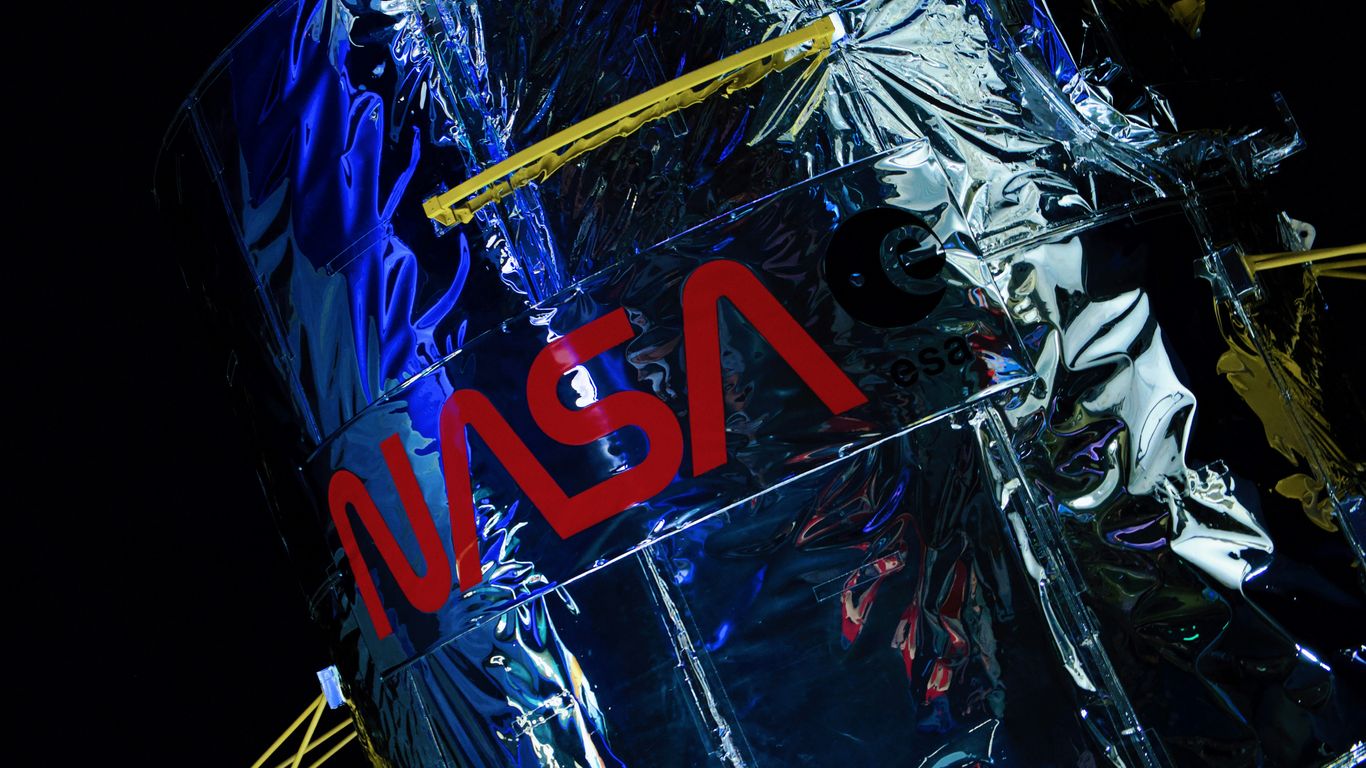
Lanteris is really leaning into building satellites, both for regular businesses and for the military. It’s pretty much a 50/50 split these days, which shows how much their work has spread out. They’re not just making the same old satellites either; they’re working on things like constellations for tracking missiles and making sure communications stay secure. It feels like they’re trying to create a whole network of these things up there.
Reviving Interest in Geosynchronous Orbit
Remember those big, old satellites that used to hang out in geosynchronous orbit (GEO)? Well, Lanteris is looking to bring those back. With bigger rockets now available, they think there’s still a good reason to put larger spacecraft up there. These could be used for all sorts of things, from communication and sensing to building bigger stuff in space.
Supporting Large-Scale Space Infrastructure
Beyond just satellites, Lanteris is also thinking about the bigger picture of space infrastructure. This could mean building the components needed for new space stations or even setting up long-term bases on the Moon. They’re aiming to provide the foundational pieces that will allow for more ambitious projects in space. It’s a pretty big vision, moving from just making individual satellites to enabling entire orbital or lunar operations.
Vantor’s Vision: Beyond Traditional Satellite Imagery
Vantor isn’t just about taking pretty pictures from space anymore. They’re really pushing to do more with the data they collect. Think of it like this: instead of just selling you a photo album, they’re building a whole interactive map that’s constantly updating itself. The real growth, they say, is in taking all that raw Earth observation data and using smart computer programs to figure out what it all means.
They’ve got this new platform called Tensorglobe. It’s basically a digital twin of Earth, pulling in information from satellites, planes, and even ground sensors. This isn’t just a static 3D model, though. It’s designed to be a living, breathing representation of our planet, ready for AI to crunch the numbers.
What does this mean in practice?
- Smarter Navigation: Tools like their Raptor system can use this detailed terrain data to help drones fly around without needing GPS. That’s a big deal for operations in areas where GPS might be unreliable or jammed.
- Constant Watch: Their Sentry system uses data from different satellite groups to keep a continuous eye on things happening all over the globe. This gives people a much better sense of what’s going on, all the time.
- Building Blocks for Intelligence: The Tensorglobe platform itself is built with a few key parts. There’s Cortex for managing satellite collections, Forge for mixing sensor data in real-time, and Nexus for secure analysis. It’s all about making the intelligence process smoother and faster.
So, Vantor is moving past just selling raw images. They’re aiming to provide actual intelligence products, making the data useful for decision-makers right away. It’s a shift from just seeing to truly understanding what’s happening on Earth.
The Significance of the Vantor and Lanteris Rebrands
Alleviating Industry Confusion
Okay, so let’s talk about these name changes. Maxar was a big name, right? Everyone knew it. But then they split into two companies, Vantor and Lanteris. It’s like having two kids go off to college – they’re still family, but they’re doing their own thing. The problem was, people were still calling them "Maxar" for both, which, honestly, must have been a headache for everyone involved. It’s like going to a restaurant and ordering "the usual," but then the waiter asks, "Which of our two locations?" It just gets confusing. These new names, Vantor and Lanteris, are a clear signal that these are now separate entities with their own goals. It cuts down on the "wait, who are you again?" moments and makes it easier for customers and partners to know exactly who they’re dealing with.
Reflecting Individual Company Missions
Beyond just clearing up confusion, the rebrands are a smart move to show what each company is all about now. Vantor is really leaning into the whole "spatial intelligence" thing. Think less about just taking pictures from space and more about using AI to make sense of all that data, creating that "digital twin" of Earth with their Tensorglobe platform. It’s about providing insights, not just images. Lanteris, on the other hand, is focusing on the hardware side of things – building satellites, defense tech, and the infrastructure needed for space exploration. It’s like Vantor is the brain analyzing everything, and Lanteris is building the body that operates in space. These names help tell that story.
Setting the Stage for Future Market Opportunities
By splitting and rebranding, Vantor and Lanteris are basically saying, "We’re specialists now." This allows them to really zero in on their respective markets. Vantor can now go after companies that need advanced AI-driven data analysis, and Lanteris can focus on the big projects in satellite manufacturing and space infrastructure. It also makes them more attractive to investors looking for specific types of companies. You know, if you’re looking to invest in AI and data, you go to Vantor. If you’re interested in building satellites, you look at Lanteris. It simplifies things and opens up new avenues for growth that might have been harder to pursue when they were one big, blended company. It’s a strategic move to carve out their own space, pun intended, in the industry.
A New Chapter Begins
So, that’s the big news: Maxar is no more, split into two new companies, Vantor and Lanteris. It feels like the end of an era, for sure, but also kind of exciting. Vantor is going all-in on smart software and using AI to make sense of all that satellite data, aiming to be more than just a picture-taker. Lanteris, on the other hand, is sticking to building the actual satellites and spacecraft, focusing on defense and big space projects. It’s a big shift, and honestly, it’s still a bit early to tell exactly how it’ll all play out. But one thing’s for sure, these two new names are definitely trying to make their mark in the space world.