Medical technology is changing fast, and it’s pretty exciting to see. From the way doctors figure out what’s wrong to how we get treated at home, new tools are popping up all the time. This article looks at some of the latest stuff happening in medtech, including how smart computers, tiny sensors, and even 3D printers are making a difference. We’ll also touch on how all this tech affects careers and what rules need to be followed.
Key Takeaways
- New medtech is making patient care more personal, using things like AI to create treatment plans just for you.
- Wearable devices are becoming more common, letting us keep an eye on our health all the time, not just at the doctor’s office.
- 3D printing is helping create custom medical parts and tools that fit people perfectly.
- Digital tools and telehealth are making it easier to see a doctor and manage health from home.
- There are new jobs opening up in medtech, but people need training to use all this new equipment.
Revolutionizing Patient Care Through MedTech Dive Innovations
It feels like every day there’s something new popping up in medical technology, and honestly, it’s changing how we all get treated. We’re moving away from one-size-fits-all approaches and getting into stuff that’s made just for you. It’s pretty wild when you think about it.
Personalized Treatment Plans Driven by AI
Remember when doctors just kind of guessed based on general guidelines? Well, that’s changing fast. Artificial intelligence is starting to look at all sorts of data – your medical history, your genes, even how you’re living day-to-day – to figure out the best way to treat you. It’s not just about picking a drug; it’s about figuring out the exact dose, the best timing, and what other treatments might work best together. For example, in cancer care, AI can sift through mountains of research and patient data to suggest treatment paths that might be more effective for a specific person than what a doctor might find on their own. It’s like having a super-smart assistant for your doctor, looking at all the angles.
Empowering Healthcare Professionals with Advanced Tools
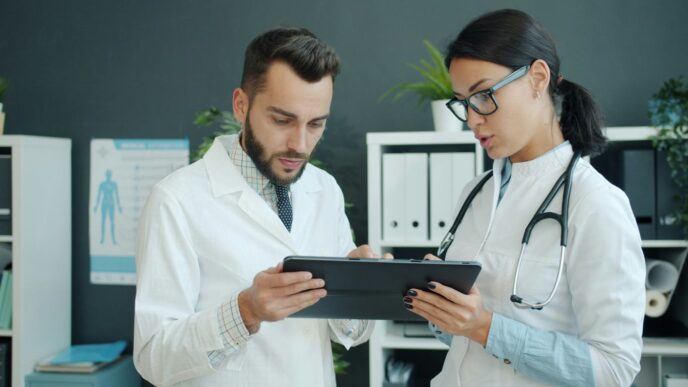
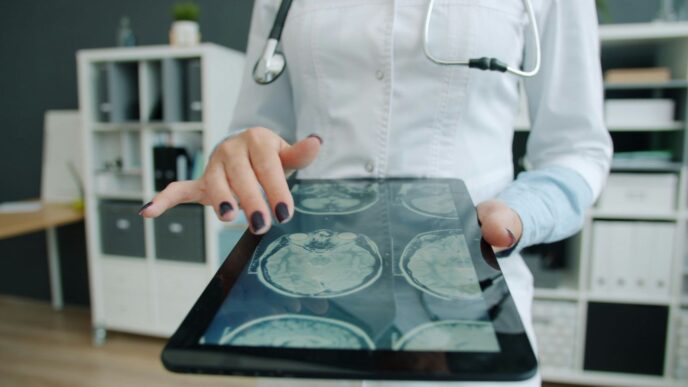
It’s not just patients who are benefiting. Doctors and nurses are getting some seriously cool new tools too. Think about medical imaging – it’s gotten so much better. New scanners and software can show things in incredible detail, helping doctors spot problems earlier and more accurately. This means fewer mistakes and quicker treatment. We’re also seeing smarter devices that can help with procedures, making them less invasive and helping patients recover faster. It’s about giving the people taking care of us the best possible equipment so they can do their jobs even better.
Community and Home-Based Care Advancements
And what about care outside the hospital? That’s a huge area for innovation too. We’re seeing more and more technology that lets people stay in their homes longer, or get care in community settings, without sacrificing quality. Wearable devices can keep an eye on vital signs and alert someone if something’s wrong, which is a big deal for older adults or people with chronic conditions. There are also systems that help manage medications or track if someone is moving around as they should. This kind of tech can really reduce the need for hospital visits and make life easier for both patients and their caregivers. It’s about making healthcare more accessible and less disruptive to everyday life.
Cutting-Edge Technologies Shaping the MedTech Dive Landscape
Artificial Intelligence in Diagnostics and Treatment
Artificial intelligence, or AI, is really changing how we figure out what’s wrong with people and how we treat them. It’s not just about fancy algorithms anymore; it’s about practical tools that help doctors make better decisions, faster. Think about medical images, like X-rays or MRIs. AI can look at these images and spot things that might be hard for the human eye to catch, or at least catch them much quicker. For example, studies have shown AI can be really good at finding signs of diseases like cancer or diabetic retinopathy. This means earlier detection, which usually leads to better results for patients. It’s also being used to help figure out the best treatment plan for someone, looking at all their health data to suggest what might work best. This ability to process vast amounts of data quickly is what makes AI such a powerful tool in modern medicine.
Wearable Devices for Continuous Monitoring
Remember when you just wore a watch to tell time? Now, wearable tech is so much more. Devices like smartwatches and fitness trackers are becoming sophisticated health monitors. They can keep an eye on your heart rate, track your sleep patterns, and even measure your blood oxygen levels. For people with chronic conditions, this is a big deal. Imagine someone with a heart condition. A wearable device can alert them and their doctor if something seems off, potentially preventing a serious event. It’s like having a personal health assistant with you all the time, gathering information that can help manage your health day-to-day. The data collected can paint a clearer picture of your health over time than a quick doctor’s visit ever could.
3D Printing for Customized Medical Solutions
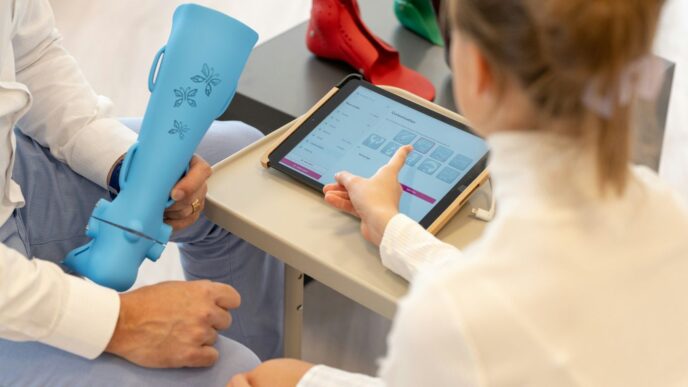
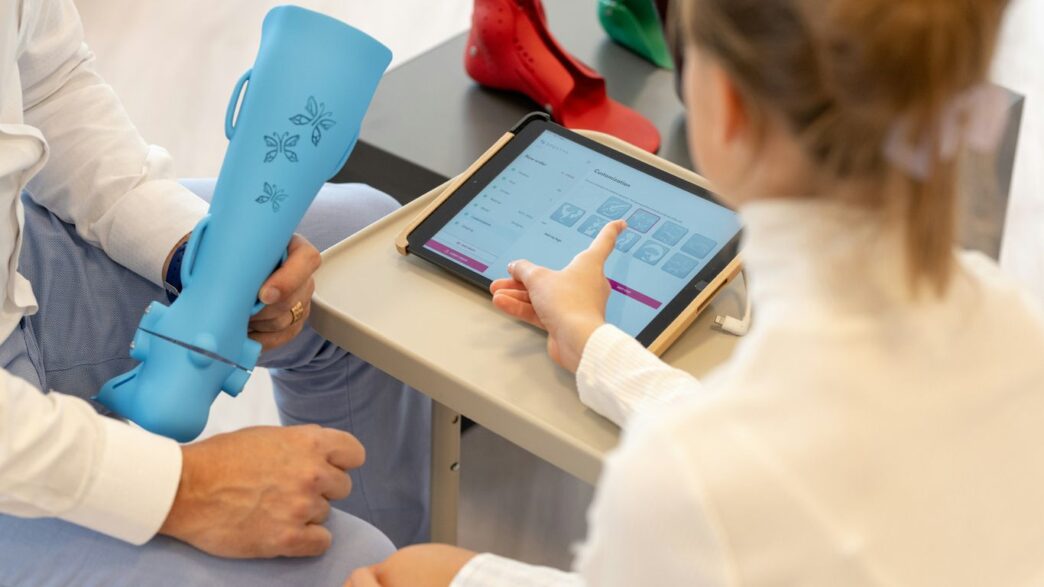
One of the really cool advancements is 3D printing in medicine. It’s moving beyond just making trinkets. Now, doctors and engineers are using 3D printing to create custom medical devices. This is especially useful for things like prosthetics, implants, or even surgical guides. Instead of using generic parts that might not fit perfectly, 3D printing allows for highly personalized solutions. A surgeon can get a model of a patient’s bone printed to practice a complex surgery beforehand, or create an implant that’s shaped exactly for that person’s anatomy. This level of customization can lead to better fitting devices, quicker recovery times, and improved patient comfort. It’s a way to make medical care much more tailored to the individual.
The Rise of Digital Platforms in MedTech Dive
It feels like everywhere you look these days, there’s a new app or online service promising to make healthcare easier. And honestly, a lot of them are actually doing it. Digital platforms are really changing how we get and manage our health. Think about telehealth – you can now see a doctor without leaving your couch. It’s a big deal, especially for folks who have trouble getting to appointments or live far from a clinic. A lot of healthcare providers are jumping on board with this. In fact, a good chunk of them, around 70% in Europe, are now using these digital tools in their patient care plans. It’s not just about convenience, though. These platforms are also helping patients stay on top of things. For example, remote patient monitoring lets doctors keep an eye on folks with long-term conditions from their homes. This means fewer emergency room visits and a better quality of life for patients. It’s pretty neat how technology is making healthcare more accessible and manageable for everyone.
Telehealth and Remote Patient Monitoring
Telehealth has gone from a niche service to a mainstream option. It’s basically healthcare delivered through technology, like video calls or secure messaging. This means you can get advice, a diagnosis, or even a prescription without having to travel. It’s particularly helpful for follow-up appointments or for people in rural areas. Remote patient monitoring (RPM) goes hand-in-hand with this. Devices like smart blood pressure cuffs or glucose meters send data straight to your doctor. This constant stream of information helps doctors catch problems early, sometimes before you even notice them. It’s like having a safety net that’s always active. Studies show that when hospitals start using these kinds of platforms, things like surgery times can get shorter, and fewer people have issues after their operations. It’s a win-win: better care for patients and a more efficient system.
Digital Health Services for Patient Management
Beyond just appointments, digital platforms are making it simpler to manage your overall health. Think about online portals where you can see your test results, schedule appointments, or even refill prescriptions. It puts a lot of information right at your fingertips. For managing ongoing conditions, these services are a game-changer. Patients can track their symptoms, get reminders for medication, and access educational materials tailored to their specific needs. This kind of active involvement can lead to better adherence to treatment plans. The goal is to make patients more informed and in control of their health journey. It’s a shift from just being a passive recipient of care to being an active participant. This approach not only improves individual health outcomes but also helps reduce the strain on healthcare systems by preventing complications and hospitalizations.
Expert Insights on Digital Health Transformation
People who really know their stuff in the medical tech world are pretty excited about where digital platforms are taking us. They see how AI can help spot diseases earlier and more accurately, sometimes reducing diagnostic errors significantly. It’s not just about the tech itself, but how it’s being used to make real differences in people’s lives. Experts point out that the investment in digital health has grown a lot, showing that companies and investors believe in its future. They talk about how these tools can help tailor treatments to individuals, which is a huge step forward. The general feeling is that we’re moving towards a future where technology is deeply woven into healthcare, making it more personal, accessible, and effective for everyone.
Pioneering Applications in Medical Imaging and Devices
Medical imaging and devices are seeing some really cool changes lately. It’s not just about seeing inside the body anymore; it’s about doing it better, faster, and with more detail than ever before. Think about how this impacts everything from routine check-ups to complex surgeries.
Innovations in Surgical Visualization
Surgeons are getting some serious upgrades in how they see what they’re doing. Platforms like Stryker’s 1688 AIM 4K are changing the game. These systems provide super clear, high-definition views during operations. This improved visibility can lead to shorter surgery times and fewer problems afterward. For example, hospitals using these advanced 4K platforms have reported a noticeable drop in complications following procedures. It’s like giving surgeons a high-definition map for their work.
Advancements in Portable Diagnostic Devices
Getting a diagnosis used to mean a trip to the clinic, but that’s changing. Portable diagnostic tools are making it possible to check on people’s health right where they are, even in places that don’t have many medical facilities. Take portable ultrasound devices, for instance. They’re small enough to carry around and can give doctors quick insights into what’s going on. This means faster answers for patients and the ability to help more people, no matter their location.
Smart Medical Devices Beyond Basic Monitoring
We’re moving past simple step counters. Medical devices are getting much smarter. We’re seeing things like continuous glucose monitors that keep a constant eye on blood sugar levels, which is a huge help for people with diabetes. These devices don’t just collect data; they can alert patients and doctors to potential issues before they become serious. It’s about having a more proactive approach to health management, with devices working in the background to keep tabs on important health markers.
Career Opportunities and Training in MedTech Dive
Expanding Horizons in MedTech Professions
The medical technology field is really taking off, and with it, the need for skilled people. It’s not just about building the next big gadget; it’s about improving how we care for people every single day. Think about it: jobs in this area are expected to grow by about 10% each year for the next decade. That’s a lot of new roles opening up, from folks who design the tech to those who help patients use it. It’s a dynamic space, constantly changing, which means there are always new challenges and chances to learn.
Essential Tech Training for Future Innovators
Getting into med tech means you’ll need some specific skills. It’s not enough to just know how things work; you need to know how they work now, and how they’ll work tomorrow. Many places now offer training programs that get you hands-on with the latest medical devices and digital health tools. These programs are designed to give you practical experience, so you’re ready to jump right in. Some common areas you might focus on include:
- Data analysis: Understanding the information gathered from devices.
- Software development: Creating the programs that run medical tech.
- Biomedical engineering: Designing and maintaining medical equipment.
- Clinical support: Helping healthcare workers use new technologies effectively.
From Lab Work to High-Tech Patient Care Roles
The jobs in med tech are super varied. You could be working behind the scenes in a lab, developing new materials or testing devices. Or, you might be out in the field, working directly with doctors and nurses, showing them how to use new imaging systems or robotic surgery tools. There’s also a growing need for people who can manage the digital side of healthcare, like setting up remote monitoring systems for patients at home. It’s a field that really connects scientific minds with the goal of making patient lives better. The demand for professionals who can bridge the gap between technology and healthcare is only going to increase.
Navigating Regulatory Challenges in MedTech Dive
So, you’ve got this amazing new medical device, right? It’s going to change lives. But before it can actually help anyone, it has to get past a whole bunch of rules and regulations. It’s like trying to get through a maze, and honestly, it can be pretty overwhelming.
The Impact of European Medical Device Regulation
Europe’s Medical Device Regulation, or MDR, is a big one. It’s meant to make sure devices are safe and work as they should, which is obviously good. But, it’s also made things way more complicated and expensive for companies. Think about it: some reports suggest it could cost companies billions extra and even delay when patients get access to new tech. For smaller companies, it can be a real struggle to keep up with all the new paperwork and testing.
Balancing Innovation with Patient Safety
This is the core of the whole thing, isn’t it? We want new gadgets and treatments that push the boundaries, but nobody wants a device that’s not safe. It’s a constant balancing act. Regulators are trying to keep up with how fast technology is moving, especially with things like AI and software becoming medical devices themselves. Finding that sweet spot where innovation can flourish without putting patients at risk is the ultimate goal. It means a lot of careful review and testing.
Adapting to Evolving Regulatory Frameworks
Regulations aren’t static; they change. As new technologies emerge, like advanced AI diagnostics or sophisticated wearables, the rules have to adapt. Companies need to be ready for this. It’s not just about meeting today’s standards but anticipating what’s coming next. This means:
- Keeping a close eye on global regulatory bodies like the FDA and EMA.
- Investing in systems that can handle changing data requirements.
- Building teams that understand both the technology and the regulatory landscape.
It’s a continuous learning process for everyone involved, from the engineers designing the devices to the folks in regulatory affairs making sure everything is above board.
Looking Ahead
So, what does all this mean for the future? It’s pretty clear that medical technology isn’t slowing down. We’re seeing devices get smarter, treatments get more personal, and healthcare become more accessible, even from our own homes. From AI helping doctors spot problems earlier to wearables keeping tabs on our health 24/7, the focus is really on making things better for patients. It’s an exciting time, and while there are always new hurdles to jump, like figuring out the rules for all this new tech, the drive to improve lives through innovation is stronger than ever. We’re on the path to a healthcare system that’s more connected and responsive to our individual needs.