Mercedes-Benz Leads The Way In Autonomous Car Technology
Self-driving cars aren’t just a futuristic dream anymore; they’re showing up on our streets and changing how we think about driving. Mercedes-Benz is really at the forefront of this, pushing the envelope with technology that aims to make our journeys safer and a lot less stressful. It’s a big shift from the old days of just having cruise control. Now, cars can help with steering, braking, and keeping you in your lane, moving us closer to a future where the car handles more of the driving task.
The Evolution of Self-Driving Capabilities
Think about how far car tech has come. We’ve gone from basic driver aids to systems that can actually take over driving under certain conditions. This progress is often talked about using the SAE levels, which range from zero automation (that’s like your old car) all the way up to Level 5, where the car can handle everything, everywhere, no human needed. Most cars today have Level 1 or 2 features, like adaptive cruise control that adjusts your speed. But Mercedes-Benz is pushing into Level 3 and even Level 4 with systems like DRIVE PILOT and INTELLIGENT PARK PILOT, which are designed for specific situations.
Understanding SAE Levels of Automation
It’s helpful to know what these SAE levels mean:
- Level 0: No driving assistance. You do all the work.
- Level 1: Driver assistance. Features like cruise control or lane keeping assist work one at a time.
- Level 2: Partial automation. The car can control steering and speed at the same time, like in traffic jams. You still need to watch the road.
- Level 3: Conditional automation. The car can drive itself under specific conditions, and you can take your eyes off the road, but you must be ready to take over when asked.
- Level 4: High automation. The car can drive itself in most situations within a defined area, and it won’t need you to take over unless it’s outside that area.
- Level 5: Full automation. The car drives itself everywhere, in all conditions, with no human input needed.
Mercedes-Benz’s Commitment to Innovation
Mercedes-Benz has always been known for safety, and their work in autonomous driving builds on that. They’re not just adding tech for tech’s sake; it’s about making driving easier and safer. Their goal is to reduce driver workload in complex situations while keeping safety and legal rules front and center. This means drivers still have a role, especially in taking control when the system needs them to. It’s a careful, step-by-step approach to integrating these advanced systems into our daily lives.
Introducing DRIVE PILOT: Level 3 Autonomy
So, what’s the big deal with Level 3 autonomy? It’s a pretty significant step up from what most cars offer today. Mercedes-Benz is really pushing the envelope with its DRIVE PILOT system, and it’s the first in the US to get this Level 3 certification from the SAE. This means the car can actually handle the driving for you, under specific conditions, letting you take your hands off the wheel and your eyes off the road. It’s not quite full self-driving, but it’s a huge leap forward.
How DRIVE PILOT Redefines Conditional Automation
Think of it this way: Level 2 systems, which are more common, help you out with things like keeping you in your lane or maintaining speed, but you, the driver, are still fully responsible for everything. With DRIVE PILOT, it’s different. When the system is active, it takes over the driving tasks. This allows you to do other things, like check your messages or even watch a video on the central display. However, it’s crucial to remember that you still need to be ready to take back control when the car asks you to. It’s conditional automation, meaning it works within a set of rules and conditions.
Here’s a breakdown of when you can expect DRIVE PILOT to work:
- Traffic Jams: It’s designed for heavy traffic on approved freeways, specifically when you’re going 40 mph or less.
- Good Weather: You’ll need clear daytime conditions. Inclement weather, like heavy rain or snow, means the system won’t be available.
- No Construction Zones: Areas with road work are also a no-go for DRIVE PILOT.
- Approved Freeways: It only operates on specific freeway networks that Mercedes-Benz has mapped and approved.
The Technology Behind DRIVE PILOT
This isn’t just some fancy cruise control. DRIVE PILOT is packed with advanced tech. It uses a combination of sensors – radar, LiDAR, and cameras – to get a really good picture of what’s happening around the car. It also relies on highly detailed 3D maps and information from its own sensors to figure out where it is and what the road ahead looks like. Plus, there are redundant systems in place, meaning if one sensor or system has an issue, another can take over to keep things safe. It’s all about building a reliable picture of the driving environment.
Benefits of DRIVE PILOT for Drivers
So, what does this mean for you, the driver? Well, for starters, it can make those frustrating traffic jams a lot less stressful. Instead of just sitting there, you can use that time productively or just relax a bit. It reduces the mental load of constantly monitoring traffic. It’s about making your commute or long drives more comfortable and less demanding. The goal is to give you back some time and peace of mind when the driving conditions allow. It’s a glimpse into a future where driving is less of a chore and more of an experience.
The Advanced Sensor Suite of Mercedes-Benz Autonomous Cars
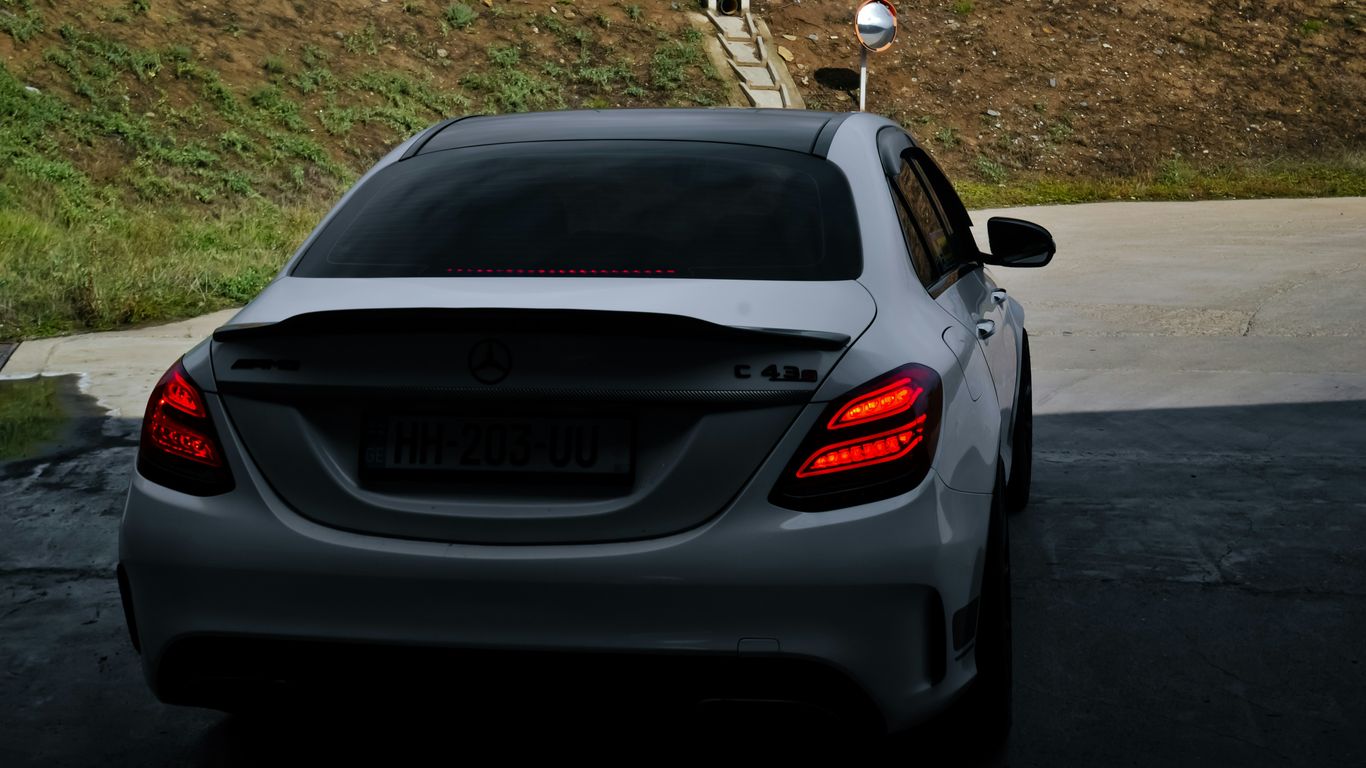
So, how does a Mercedes-Benz actually ‘see’ the road and its surroundings to drive itself? It’s not just one thing, but a whole bunch of tech working together. Think of it like your own senses, but way more powerful and precise. Mercedes-Benz uses a combination of sensors, high-definition maps, and backup systems to make sure its autonomous features are as safe and reliable as possible.
LiDAR, Radar, and Camera Integration
These cars are packed with sensors. You’ve got LiDAR, which uses lasers to measure distances and create a 3D picture of what’s around the car. Then there’s radar, great for detecting objects and their speed, even in bad weather. Cameras are also key, reading road signs, lane markings, and other vehicles. It’s this mix of different sensor types that gives the car a really complete view of its environment. They don’t just rely on one type of sensor; they use all of them together to get the full story.
Utilizing High-Definition 3D Maps
Beyond the sensors, Mercedes-Benz uses really detailed 3D maps. These aren’t your average GPS maps. They show precise details about the road, like lane layouts, speed limits, and even things like curbs and traffic light locations. The car uses these maps to know where it is and what to expect on certain approved routes. It’s like having a super-accurate blueprint of the road ahead.
Redundant Systems for Enhanced Safety
What happens if something goes wrong? That’s where redundant systems come in. Mercedes-Benz builds in backups for critical functions like steering, braking, and power. If one system has an issue, another one is ready to take over. This layered approach to safety is a big part of why these systems are designed to be so dependable. It’s all about having multiple layers of protection.
INTELLIGENT PARK PILOT: Automated Valet Parking
The Functionality of Automated Valet Parking
Okay, so imagine this: you pull up to a busy shopping mall or a packed office building. Instead of circling for ages or trying to squeeze into a spot that looks a little too tight, you just drive into the designated area, hop out, and your car takes care of the rest. That’s the basic idea behind automated valet parking, and Mercedes-Benz is making it a reality with its INTELLIGENT PARK PILOT system. It’s designed to take the stress out of parking, letting the car find its own way to a spot and park itself. This isn’t just about convenience; it’s about reclaiming your time and avoiding those frustrating parking lot moments.
How INTELLIGENT PARK PILOT Works
So, how does this magic happen? Well, it’s a pretty neat piece of engineering. First off, you need a compatible parking garage – one that’s been set up with the right sensors and communication tech. When you arrive, you use a smartphone app to tell your Mercedes you’re ready to park. The car then uses its own sensors, along with information from the garage’s infrastructure, to find a pre-booked space. It can then drive itself into that spot, maneuvering carefully around other vehicles and obstacles. When you’re ready to leave, you just use the app again, and your car will drive itself back to a designated pickup zone. It’s pretty wild to watch, honestly.
Here’s a quick rundown of what’s involved:
- Pre-booking a space: You’ll typically reserve your parking spot ahead of time using a connected app.
- Vehicle communication: The car talks to the parking garage’s system to get information about available spots and navigate.
- Sensor fusion: A combination of the car’s cameras, radar, and other sensors work with the garage’s setup to guide it safely.
- App control: You manage the whole process – sending the car to park or calling it back – right from your phone.
Convenience and Stress Reduction in Parking
Let’s be real, parking can be a major headache. Whether it’s a tight parallel park on a busy street or just finding a spot in a crowded lot, it often adds a layer of stress to your day. INTELLIGENT PARK PILOT aims to eliminate that. Think about arriving at the airport or a concert venue – instead of worrying about where you’ll leave your car, you can simply drop it off and head straight to your destination. When you return, your car is waiting for you. It’s a small thing, but it makes a big difference in the overall experience of using your vehicle. Plus, it helps avoid those accidental bumps and scrapes that can happen when you’re trying to maneuver in a tight space.
The Future Vision: Towards Level 5 Autonomy
So, we’ve talked about what’s here now, like DRIVE PILOT and INTELLIGENT PARK PILOT. But what’s next? Mercedes-Benz is definitely looking way down the road, aiming for what they call Level 5 autonomy. Think of it as the ultimate goal: a car that can handle pretty much any driving situation, anywhere, without you needing to lift a finger. It’s not just about better sensors, though that’s a big part of it. It’s a whole package deal.
What Level 5 Autonomy Entails
Imagine this: you’re on a road trip, and the car drives itself from your driveway all the way to your destination, no matter the weather or traffic. That’s the dream of Level 5. It means the car can drive itself in all conditions, just like a person could. No need to be ready to take over, no specific zones or times. It’s full, complete self-driving.
Mercedes-Benz’s Investment in Future Technologies
To get there, Mercedes-Benz is putting a lot of effort into a few key areas. They’re really digging into artificial intelligence and machine learning. This is what helps the car understand what’s happening around it in real-time, making smart decisions. They’re also big on connectivity, like 5G and vehicle-to-everything (V2X) communication. This lets cars talk to each other, to traffic lights, and to the cloud, sharing information that makes driving safer and smoother. Plus, they’re building these advanced systems on electric and hybrid platforms, which are perfect for all the complex software needed for self-driving.
The Role of AI and Connectivity
It’s not just about the car itself. The future of autonomous driving relies heavily on how well cars can communicate and learn. AI is the brain, processing all the data from sensors and making driving decisions. Connectivity is the nervous system, allowing the car to get information from the outside world and share its own. This combination of smart AI and constant communication is what will make true Level 5 autonomy a reality. They’re also working closely with governments and safety groups to make sure this technology is rolled out responsibly. It’s a complex puzzle, but they seem pretty committed to putting all the pieces together.
Experiencing Autonomous Driving Today
Self-driving cars aren’t just a futuristic dream anymore; they’re showing up on our streets and changing how we think about getting around. Mercedes-Benz is really pushing the envelope here, making travel potentially safer and definitely less of a hassle, especially when you’re stuck in traffic or trying to find a parking spot in a crowded area. It’s pretty wild to think about how far we’ve come from basic cruise control.
Models Featuring Advanced Autonomous Features
Right now, you can actually experience some of this cutting-edge tech in select Mercedes-Benz models. The S-Class and the EQS Sedan are leading the charge. These cars are equipped with systems that can handle some driving tasks for you under specific conditions. It’s not quite full autonomy yet, but it’s a significant step. The real game-changer is the DRIVE PILOT system, which allows for Level 3 conditional automation. This means, under the right circumstances, you can actually take your hands off the wheel and your eyes off the road for a bit. Imagine being able to relax or catch up on something while your car handles a traffic jam on the highway. It’s designed to work in situations where the traffic is slow and you’re on a suitable road, like a highway with a clear lane marking. The system will let you know when it’s active and, importantly, when you need to take back control.
How to Learn More About Mercedes-Benz Self-Driving Systems
Getting a handle on all this new technology can feel a bit overwhelming, I get it. Mercedes-Benz has put a lot of effort into making information accessible. They have resources that explain the different levels of automation, from the driver assistance features you might already be familiar with, like adaptive cruise control, all the way up to the more advanced systems like DRIVE PILOT and INTELLIGENT PARK PILOT. They break down how the sensors work – things like LiDAR, radar, and cameras – and how the car uses high-definition maps to understand its surroundings. It’s all about building trust and making sure drivers understand what the car can and can’t do, and when they need to be ready to step in. They also emphasize the safety aspects, like having backup systems in place.
Scheduling a Test Drive of Autonomous Capabilities
Reading about it is one thing, but actually experiencing it is another. If you’re curious about what it feels like to have your car handle some of the driving, the best way to find out is to get behind the wheel. You can schedule a test drive at a Mercedes-Benz dealership. This is your chance to see firsthand how systems like DRIVE PILOT operate in real-world conditions. You’ll get to understand the prompts the car gives you and feel the transition between the car driving and you taking over. It’s a great opportunity to ask dealership staff any questions you might have and get a feel for the future of driving, today.
Looking Ahead
So, where does all this leave us? Mercedes-Benz is clearly putting a lot of effort into making cars that can drive themselves, and it’s not just some far-off dream anymore. Features like DRIVE PILOT and INTELLIGENT PARK PILOT are already here, changing how we think about driving, especially in traffic or when parking. While we’re not quite at the point where cars can handle absolutely everything on their own, the progress is undeniable. Mercedes-Benz is betting big on AI, better connections, and smart design to get there. It’s exciting to see how these technologies will continue to develop and eventually become a normal part of our daily lives on the road.