
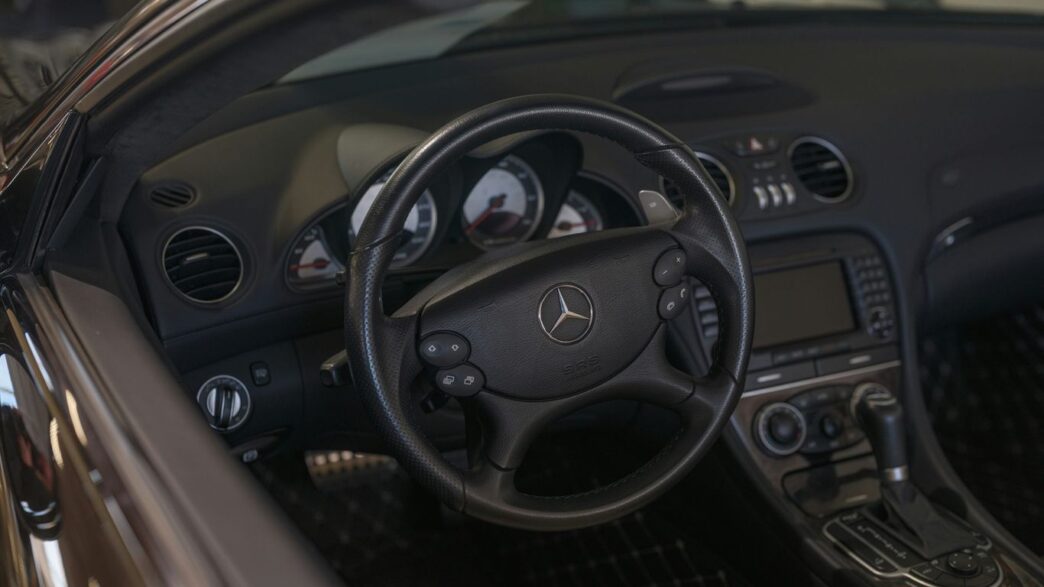
Understanding Mercedes Drive Pilot Pricing
So, you’re curious about how much Mercedes’ fancy Drive Pilot self-driving tech is going to set you back. It’s a bit of a different setup than you might expect. First off, you can’t just add Drive Pilot to any old Mercedes. It’s only available on specific high-end models, like the S-Class sedan and the EQS sedan. And even then, the car itself doesn’t cost more just because it can have Drive Pilot. That’s kind of neat, right? They’re not tacking on a huge upfront fee for the hardware itself.
But here’s the kicker: to actually use the self-driving features, you’re looking at a subscription. For the first year, expect to pay around $2,500. After that, it’s an annual fee, so it keeps adding up. It’s not a one-time purchase.
Annual Subscription Cost for Drive Pilot
This is where the main cost comes in. That $2,500 annual fee is what gets you access to the Level 3 autonomous driving capabilities. It’s a yearly commitment, so you’ll need to factor that into your budget if you plan on using it long-term. It’s not a cheap thrill, but then again, this is cutting-edge tech.
Drive Pilot vs. Competitor Pricing Models
How does this stack up against others? Well, it’s definitely more than some. For instance, GM’s Super Cruise and Ford’s BlueCruise are often priced monthly, like $25 or $75 a month, which can add up but feels more manageable day-to-day. Tesla’s Full Self-Driving option, on the other hand, is a hefty one-time purchase, sometimes costing upwards of $12,000. So, Mercedes’ annual fee sits somewhere in the middle, leaning towards the pricier side if you plan to keep the subscription for many years, but less of a shock upfront than Tesla’s.
Initial Vehicle Purchase Considerations
When you’re buying the car itself, the Drive Pilot-ready S-Class or EQS sedan will have some extra hardware and sensors to make the system work. Think redundant braking systems, extra control units, and that fancy LIDAR scanner. But, as mentioned, Mercedes isn’t charging extra for these components on the sticker price of the car. The cost is tied to the subscription service for using the feature, not for the hardware installed in the vehicle. So, while the car might have a higher base price due to its luxury status, the self-driving capability itself is a separate, recurring expense.
Features Included with Drive Pilot
So, what exactly are you getting when you pay for Mercedes’ Drive Pilot? It’s not just some magic button that makes the car drive itself. There’s some pretty sophisticated tech packed in there.
Advanced Sensor Suite for Enhanced Awareness
Think of this as the car’s eyes and ears, but way more advanced than ours. Drive Pilot uses a bunch of sensors to get a really good picture of what’s going on around the vehicle. This includes:
- LIDAR Scanner: This is a big one, usually found in the front of the car. It creates a 3D map of everything ahead, helping the car understand distances and shapes of objects.
- High-Quality GPS Module: This isn’t your phone’s GPS. It’s super precise, giving the car location data down to the centimeter. This is key for knowing exactly where it is on the road.
- Front Fender Sensor: This one is interesting. It can detect moisture on the road, which is a pretty good indicator of weather conditions that might affect driving.
- Cameras: These are used for all sorts of things, like reading lane markings and keeping an eye on the driver to make sure they’re ready to take over if needed.
Redundant Systems for Safety Assurance
Mercedes really emphasizes safety, and that’s where redundant systems come in. Basically, it means there are backups for critical functions. If one system has a hiccup, another one can step in. This is super important for a system that’s supposed to handle driving. It’s all about making sure the car can still operate safely even if something unexpected happens with one of its components.
High-Definition Mapping for Navigation
This is another piece of the puzzle that makes Drive Pilot work. The car relies on detailed, high-definition maps. These aren’t just regular maps; they include 3D information about the road’s shape, lane layouts, traffic signs, and even special events that might be happening. This detailed mapping is what allows Drive Pilot to know precisely where it is and how to behave on specific stretches of road. It’s like giving the car a super-detailed blueprint of its environment.
Operational Limitations of Drive Pilot
Even though Mercedes’ Drive Pilot sounds pretty futuristic, it’s not like you can just switch it on and forget about driving entirely. There are some pretty specific rules and conditions it needs to work. Think of it less like a robot chauffeur and more like a super-advanced cruise control that needs a lot of help from the environment and you.
Speed Restrictions in Traffic Conditions
Drive Pilot really shines when traffic slows down. It’s designed to kick in when you’re stuck in moderate to heavy traffic, but only up to a certain speed. We’re talking about speeds of 40 miles per hour or less. If traffic picks up and you start going faster than that, the system will tell you it’s time to take back the wheel. It’s not meant for highway cruising at full speed; it’s for those frustrating stop-and-go moments.
Weather and Lighting Dependencies
This system is pretty sensitive to what’s going on outside. You won’t be able to use Drive Pilot if the weather is bad. We’re talking heavy rain, snow, fog, or even just really poor visibility. It also needs decent lighting, so nighttime driving is generally out, and it relies on clear lane markings. If the lines on the road are faded or covered up, Drive Pilot might not be able to figure out where it is.
Geographical Availability and Road Types
Don’t expect Drive Pilot to work everywhere. Right now, its availability is pretty limited. It’s mainly certified for use on specific, approved freeways in certain states, like California and parts of Nevada. It needs a very detailed, high-definition map to function, and these maps aren’t available for every road. Plus, it’s strictly for freeways, not city streets or country lanes. You also need to watch out for construction zones; the system typically won’t engage if it detects one.
The Value Proposition of Drive Pilot
So, what’s the big deal with Mercedes’ Drive Pilot? It’s all about giving you back some time and reducing the stress of driving, especially when you’re stuck in traffic. Imagine being able to catch up on emails or just relax while your car handles the stop-and-go grind. That’s the core idea here.
Benefits for Congested Commutes
Let’s be real, nobody enjoys sitting in bumper-to-bumper traffic. Drive Pilot is designed to make those frustrating commutes a bit more bearable. When the system is active, you can take your hands off the wheel and your feet off the pedals. This means you can use the central display to do things like browse the internet, watch videos, or even play games. It’s like having a little personal bubble where you can reclaim some of your day.
Here’s a quick look at how it stacks up against other systems when it comes to cost:
| Feature | Mercedes Drive Pilot (Annual) | Tesla FSD (One-time) | GM Super Cruise (Monthly) | Ford BlueCruise (Monthly) |
|---|---|---|---|---|
| Subscription Cost | $2,500 | $12,000 | $25 | $75 |
Keep in mind, the Drive Pilot system has its limits – it only works at speeds up to 40 mph and requires specific road conditions. But for those daily slogs on the freeway, it could be a game-changer.
Potential for Future Enhancements
This is just the beginning for Drive Pilot. Mercedes-Benz is constantly working on improving the technology. We can expect software updates that might expand its capabilities, perhaps allowing it to handle more complex driving scenarios or operate in a wider range of conditions. Think of it as a platform that will likely get smarter and more useful over time. The hardware, like the advanced sensors and LIDAR, is already in place, ready for whatever software upgrades come next.
Target Audience for Early Adopters
Who is this really for? Well, right now, it’s aimed at folks who are willing to pay a premium for cutting-edge technology and who frequently find themselves in the exact situations Drive Pilot excels in. This includes:
- Daily commuters who spend a significant amount of time in slow-moving traffic on major highways.
- Tech enthusiasts who want to be among the first to experience the next wave of automotive innovation.
- Drivers in specific regions like California and Nevada, where the system is currently certified and operational on mapped freeways.
It’s not for everyone, especially given the current limitations and cost, but for the right person, it offers a unique glimpse into the future of driving.
Drive Pilot Technology Integration
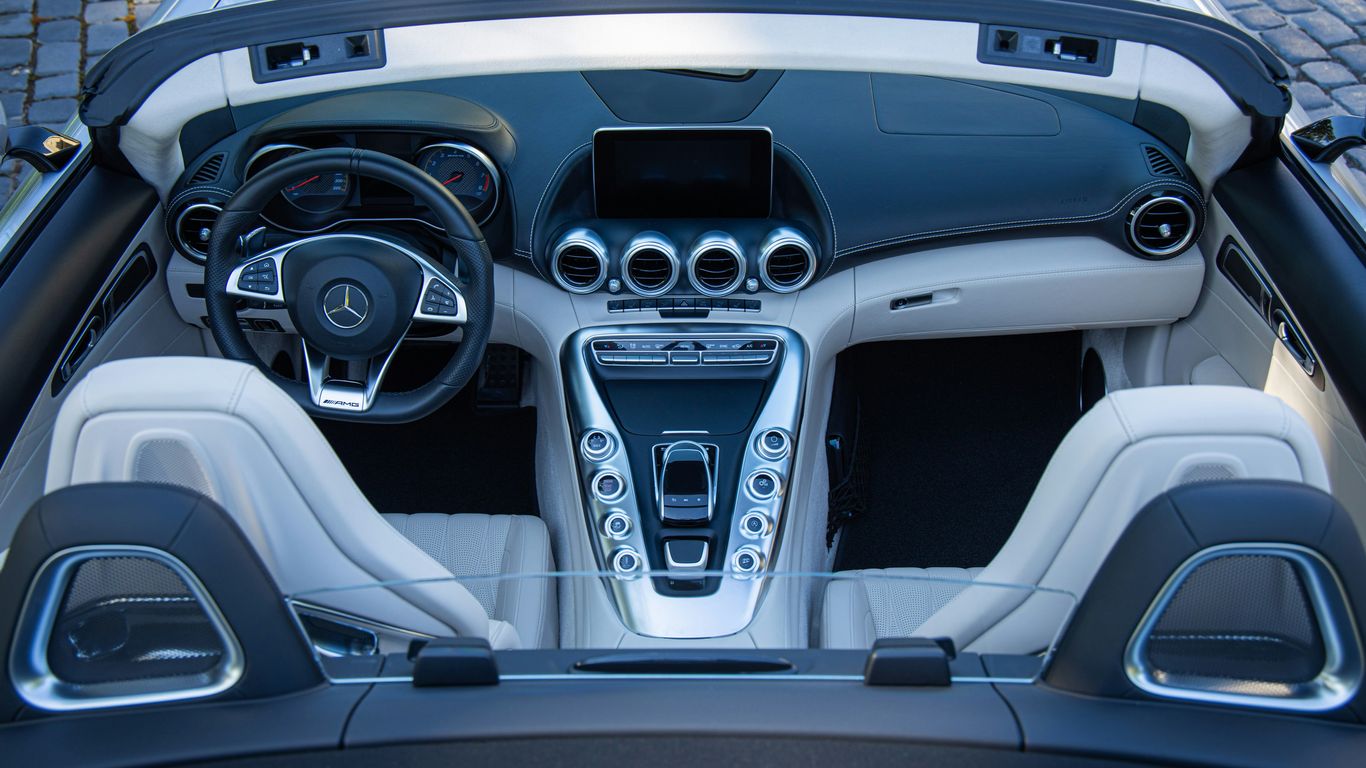
So, you’re curious about how this whole Drive Pilot thing actually gets into the car and what makes it tick, right? It’s not like you can just pop down to the auto parts store and pick up a Drive Pilot upgrade kit. This is some pretty specialized stuff.
Exclusive Vehicle Models Offering Drive Pilot
First off, you can’t just get Drive Pilot on any old Mercedes. Right now, this advanced tech is pretty much reserved for the top-tier models. We’re talking about the S-Class sedan and the EQS Sedan. It’s not something you can add to your C-Class or even a GLE. Mercedes is keeping this feature exclusive to these specific vehicles, likely because they have the most advanced underlying architecture to support it. Think of it as a premium feature for their premium cars.
Hardware Requirements Beyond Standard Features
Beyond the fancy screens and comfortable seats, the car needs some serious hardware under the hood – or rather, all around it. Drive Pilot isn’t just software; it relies on a whole bunch of extra sensors. We’re talking about things like advanced radar, cameras, and lidar systems that are constantly scanning the environment. These aren’t your typical parking sensors; they’re designed for high-speed, real-time analysis of everything happening around the car. Plus, there are redundant systems built in, meaning there are backups for critical components. This is all about making sure the car can still operate safely even if one part has an issue. It’s a complex setup that goes way beyond what a standard car has.
Software Updates and Feature Expansion
Just like your smartphone, Drive Pilot isn’t a set-it-and-forget-it kind of deal. Mercedes plans to keep improving it over time through software updates. These updates can add new features, refine existing ones, and even expand the areas where Drive Pilot can be used. It’s kind of a living technology. You’ll likely get these updates wirelessly, similar to how your phone gets new versions of its operating system. This means that even if you buy a Drive Pilot-equipped car today, it could potentially get better and do more things in the future without you needing to visit a dealership. It’s a way for Mercedes to keep the technology fresh and keep adding value for owners.
So, Is Drive Pilot Worth It?
Alright, so we’ve talked a lot about Mercedes’ Drive Pilot, and what it costs to get your hands on this fancy tech. It’s definitely a big step forward in self-driving, letting the car handle things in certain situations. But, you’ve got to remember it’s not a free-for-all. There are limits on speed, weather, and where you can use it. Plus, that $2,500 yearly fee is something to consider. For some folks, especially those stuck in heavy traffic daily, it might just make sense. For others, it might be a bit much right now. It’s early days for this kind of system, and things will likely change and get better. But if you’re eager to be on the cutting edge and want to experience the next phase of driving, Drive Pilot is certainly something to look at.