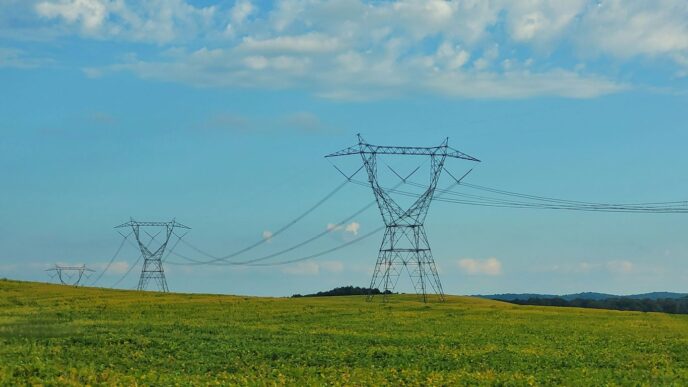
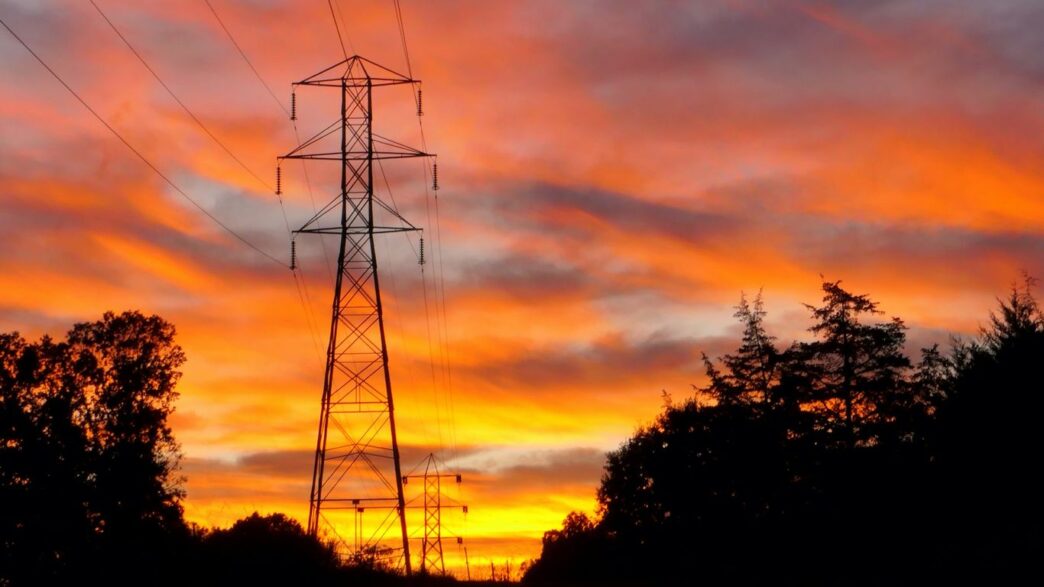
So, MISO Tranche 2.1 is a pretty big deal for how we get our electricity around the Midwest. It’s basically a plan to build a bunch of new, super-high-voltage power lines. Think of it like upgrading the highways for electricity. This whole thing aims to make sure we have enough power, keep costs down, and make the grid more reliable, especially with all the changes happening in how we generate energy. It’s a huge project, and it’s going to take a while to get it all done.
Key Takeaways
- MISO Tranche 2.1 is a major plan to build new, high-voltage transmission lines across the Midwest to improve the electric grid.
- The project aims to boost reliability, handle more renewable energy, and potentially save customers money.
- It’s a significant investment, with expected benefits that MISO believes outweigh the costs.
- The process involves input from many different groups and will go through regulatory reviews before construction.
- These new lines are expected to be built and operational between 2032 and 2034.
Understanding MISO Tranche 2.1
So, what exactly is MISO Tranche 2.1? Think of it as the next big step in planning for the electricity grid’s future. MISO, which is basically the traffic cop for electricity across a huge chunk of the Midwest and parts of Canada, is always looking ahead. They need to make sure the lights stay on, even as we use more power and our energy sources change.
The Foundation of Long-Range Transmission Planning
Long-Range Transmission Planning, or LRTP, is MISO’s way of thinking decades down the road. It’s not just about fixing what’s broken today; it’s about building what we’ll need tomorrow. Tranche 2.1 is a specific part of this bigger LRTP effort. It builds on earlier work, like Tranche 1, which already put some new transmission lines in place. The goal here is to create a more robust and reliable grid that can handle new energy sources and changing demand.
Key Objectives of Tranche 2.1
This particular phase, Tranche 2.1, has a few main goals:
- Improve Reliability: Make sure the grid can handle disruptions, like extreme weather or unexpected outages, without widespread blackouts.
- Support Future Energy: Get ready for more renewable energy sources (like wind and solar) and the new ways we’ll be using electricity.
- Economic Benefits: Plan projects that not only keep the lights on but also save money for customers and create jobs.
The whole point is to make sure the electricity system works well now and for many years to come.
The Role of MISO Tranche 2.1 in Grid Modernization
Modernizing the grid isn’t just about slapping on new tech; it’s about rethinking how electricity flows. Tranche 2.1 is a big part of that. It involves planning for larger, higher-voltage transmission lines, like the 765 kV lines mentioned, which can move more power more efficiently. This is key to integrating new energy sources that might be located far from where people live and work. It’s about building the highways for electricity that our current system just can’t handle anymore.
The Strategic Importance of MISO Tranche 2.1
So, why is this whole MISO Tranche 2.1 thing such a big deal? It’s not just about building more power lines; it’s about making sure our electricity grid can handle what’s coming.
Addressing the Reliability Imperative
Let’s be real, keeping the lights on is pretty important. We’re seeing more extreme weather events these days, and the way we generate electricity is changing fast with more renewables coming online. This puts a lot of stress on the existing grid. Tranche 2.1 is MISO’s way of tackling this head-on. It’s about making sure the grid is strong enough to handle these shifts and keep power flowing, even when things get tough.
- Handling more renewable energy: New lines help connect wind and solar farms to where people need the power.
- Weather resilience: Upgraded infrastructure is better equipped to withstand storms and heatwaves.
- Meeting demand: As more people use electricity, especially with things like electric vehicles, the grid needs to keep up.
Enabling Future Energy Needs
Think of Tranche 2.1 as building the highway for tomorrow’s energy. The plan is designed to support a massive amount of new clean energy sources, like wind and solar. We’re talking about potentially 116 Gigawatts of new generation capacity. That’s a huge number, and without the right transmission, all that clean energy just sits there, unable to reach homes and businesses. This plan is a big step towards a cleaner energy future.
Economic Benefits and Job Creation
Beyond just keeping the lights on and supporting clean energy, these projects are expected to give the economy a good boost. Building all these new transmission lines means jobs – lots of them. We’re looking at tens of thousands of jobs, many in construction, but also in manufacturing and other related fields. Plus, the projected benefits in terms of cost savings for customers are significant, potentially in the tens of billions of dollars over the next couple of decades. It’s an investment that’s supposed to pay off for a long time.
Navigating the MISO Tranche 2.1 Process
So, how does MISO actually decide which big transmission projects get the green light for Tranche 2.1? It’s not just a quick decision; there’s a whole process involved, and getting it right means a lot for everyone who uses electricity.
Stakeholder Engagement and Feedback
Think of MISO as a big meeting place for lots of different folks – utilities, state regulators, consumer advocates, and even environmental groups. They all have a say, and MISO really tries to listen. This isn’t just a quick chat; it involves workshops, advisory committees, and feedback tools where people can share their thoughts. The goal is to make sure the plan works for as many people as possible, not just a select few. They’ve held hundreds of meetings to get this right, gathering input to shape the final project list. It’s a way to build consensus and make sure the projects chosen actually meet the needs of the region.
Analytical Framework for Project Selection
Once all the feedback is in, MISO uses some pretty serious number-crunching to figure out which projects make the cut. They look at a bunch of different things, like how reliable the grid will be, if the projects can handle future energy demands (especially with more renewables coming online), and what the economic upsides are. They use sophisticated models, like PROMOD, to simulate how the grid will perform with and without these new lines. It’s all about building a solid business case for each project, showing that the benefits really do outweigh the costs. This analytical part is pretty detailed, looking at things like power flow and system stability.
Cost Allocation Considerations
Okay, so these transmission projects cost a ton of money – we’re talking billions. A big part of the process is figuring out who pays for what. MISO has to decide how to spread these costs across the different utilities and, ultimately, the customers in the region. This involves looking at how each area benefits from the new lines. They have specific rules and working groups, like the Regional Expansion Criteria and Benefits (RECB) group, that help guide these decisions. It’s a complex puzzle, trying to be fair and make sure the costs are allocated in a way that reflects the benefits received by different parts of the MISO footprint.
Future Scenarios and MISO Tranche 2.1
So, MISO’s Tranche 2.1 isn’t just about building more power lines; it’s really about looking ahead. They’ve been working with these "future scenarios" to try and guess what the grid will need down the road. Think of it like planning for a road trip – you don’t just pack for today, you think about where you’re going, what the weather might be like, and what you’ll need for the whole journey.
Focus on Refreshed Future Scenarios
MISO has been updating its "Future 2" scenario, calling it "Future 2A." This isn’t just a minor tweak; it’s a more detailed look at what might happen with energy generation and demand. They’re trying to get a clearer picture of things like:
- How much renewable energy (like wind and solar) will be added to the grid?
- What will the overall demand for electricity look like in the coming years?
- How will new technologies and policies affect how we use power?
This refreshed scenario helps MISO make sure the transmission projects they’re approving now will actually be useful for decades to come. It’s all about building a grid that can handle whatever the future throws at it.
Integrating Policy Impacts
Policies play a big part in all of this. Laws and regulations, like the Inflation Reduction Act (IRA) or the Climate and Equitable Jobs Act (CEJA), can really change the game for energy. MISO is trying to figure out how these policies might speed up or slow down the shift to cleaner energy. They’re looking at:
- Incentives for renewable energy development.
- Goals for reducing carbon emissions.
- Requirements for grid reliability and modernization.
It’s a complex puzzle, trying to line up transmission plans with what governments are pushing for. They want to make sure the new lines can support the energy sources that policies encourage.
Long-Term Grid Planning
Ultimately, Tranche 2.1 is a piece of a much bigger puzzle. It’s about planning for the long haul, not just the next few years. MISO is trying to build a transmission system that’s flexible and can adapt. This means thinking about:
- Connecting new energy sources, especially renewables, which are often located far from where people live.
- Making sure power can flow reliably even when there are big changes in how much electricity is being generated or used.
- Planning for potential future needs that we might not even fully understand yet.
It’s a pretty ambitious undertaking, trying to build infrastructure that will serve us well into the future.
Impact and Timeline of MISO Tranche 2.1
So, MISO Tranche 2.1 is officially approved. What does that actually mean for us, and when can we expect to see these new transmission lines popping up?
Projected Benefits and Cost Savings
This whole Tranche 2.1 plan is a pretty big deal, with an estimated price tag of around $21.8 billion. But the folks at MISO say the benefits are way bigger than the costs. They’re talking about potential savings for customers that could reach up to $118 billion. This massive investment is expected to create jobs and make the grid more reliable. It’s all part of what they call the "Reliability Imperative," which is basically everyone’s job – states, utilities, members, and MISO itself – to keep the lights on, especially with things like changing weather and a shifting energy landscape.
Regional and State-Specific Implications
While it’s a big regional plan, some areas are getting more attention than others. For example, Minnesota is looking at a significant chunk of this, with about $4.3 billion worth of projects planned. They’re expecting this to create over 4,300 jobs directly and bring in about $4.8 billion in economic activity. These lines are supposed to help bring more renewable energy online and make the grid tougher against bad weather and high fuel costs. It’s not just about moving power; it’s about making sure it gets where it’s needed without a hitch and at a decent price.
Regulatory Review and Construction Schedules
Okay, so MISO gave the green light, but that’s just the first step. Now, individual utilities and transmission owners have to go through their own regulatory processes. In places like Minnesota, the Public Utilities Commission will look at each project to see if it’s really needed and where it should go. This part involves public input and agency reviews, so it could take a while. After all the approvals are in place, construction can start. MISO is looking at these projects coming online sometime between 2032 and 2034. So, yeah, it’s a long road from approval to actual wires in the sky.
Data and Resources for MISO Tranche 2.1
So, you want to dig into the details of MISO Tranche 2.1? That’s great! It can feel like a lot, but thankfully, MISO provides a bunch of information to help everyone get up to speed. Think of it like having a map and a toolkit for understanding this massive transmission plan.
Accessing Project Data
Getting your hands on the actual data for Tranche 2.1 projects is pretty straightforward, though it does require a few steps. MISO has set up a system for this, and it’s mostly handled through their "Sharefile" system. You’ll likely need to request access, and sometimes that involves signing a non-disclosure agreement (NDA), especially if you’re not a direct stakeholder or client. The MISO Help Center is usually the best place to start if you’re unsure about the process or where to find the specific links. They’ve got guides and contact info to help you out.
Understanding Supporting Analyses
Beyond just raw project data, MISO puts out a lot of analysis to back up why these projects are needed. This includes things like power flow studies, which show how electricity moves across the grid, and economic analyses that try to quantify the benefits. They use tools like PROMOD for some of this modeling. You’ll find reports detailing the "business case" for different projects, explaining how they’ll help with reliability and economic goals. It’s a lot of technical stuff, but it’s the backbone of how they decide which projects make the cut.
Previous Planning Efforts
Tranche 2.1 didn’t just appear out of nowhere. It builds on a lot of past work. MISO has been doing this long-range transmission planning for a while now. You’ll want to look at information from "Tranche 1" to see what came before. Also, reports related to "Futures" development, which are MISO’s scenarios for what the grid might look like decades from now, are super important. They also have things like the Renewable Integration Impact Assessment (RIIA) and details on Multi-Value Projects (MVPs) from previous planning cycles. Checking out the MTEP (Midcontinent Transmission Economic Planning) reports, especially MTEP21 and any LRTP Addendums, will give you a solid historical context for how we got to Tranche 2.1.
Wrapping It Up
So, MISO’s Tranche 2.1 is a pretty big deal for how we’ll get electricity in the future. It’s not just about building more power lines; it’s about making sure the grid can handle what’s coming, like more renewable energy and unpredictable weather. While the price tag is hefty, the idea is that the long-term savings and reliability improvements will be worth it. It’s a complex process with a lot of moving parts, and keeping everyone informed and involved is key as these projects move from planning to actual construction. This is definitely a step towards a more robust and modern energy system for the Midwest.