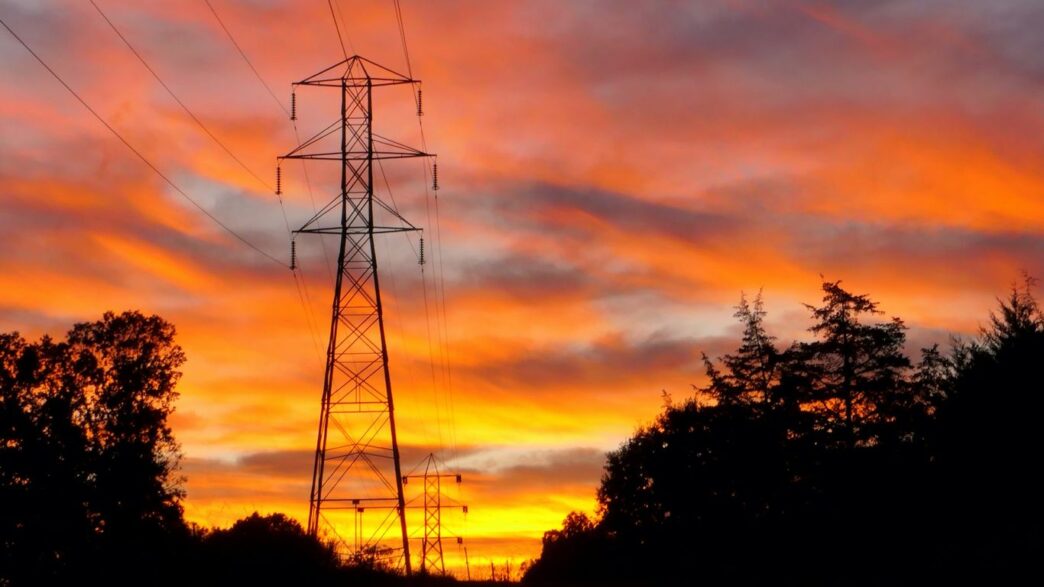
The Midcontinent Independent System Operator (MISO) recently gave the green light to a big transmission project called Tranche 2.1. Think of it as a major upgrade for the power lines across the Midwest. This plan is all about making sure we have enough electricity, keeping costs down for everyone, and creating jobs. It’s a pretty significant step for how we move power around.
Key Takeaways
- MISO Tranche 2.1 involves building 24 new high-voltage transmission lines across the Midwest, building on previous plans.
- The estimated cost is around $21.8 billion, but the expected benefits, including cost savings and reliability improvements, are projected to be much higher.
- This project aims to support the delivery of a large amount of new renewable energy, like wind and solar, to meet future electricity demands.
- Approval of MISO Tranche 2.1 is expected to create thousands of jobs and boost economic activity in the region.
- After MISO’s approval, individual projects will go through state-level regulatory reviews, with construction likely starting after 2032.
Understanding MISO Tranche 2.1
So, MISO recently gave the green light to something called Tranche 2.1. It’s a big deal for how we plan for long-range electricity transmission across the Midwest. Think of it as the next phase in building a more robust power grid for the future.
The Foundation of Long-Range Transmission Planning
Basically, MISO is responsible for making sure electricity gets to all of us reliably and without costing an arm and a leg. This means they have to look ahead, way ahead, to figure out what kind of transmission lines we’ll need. It’s not just about keeping the lights on today, but also about preparing for what’s coming – like more renewable energy and changing weather patterns. This long-range planning, or LRTP as they call it, is MISO’s way of tackling these big challenges head-on. It’s a shared effort, really, involving states, utility companies, and MISO itself.
Key Components of Tranche 2.1
Tranche 2.1 is the follow-up to an earlier plan, Tranche 1, which already approved a bunch of new transmission lines. This new set, Tranche 2.1, includes about 24 more lines. A lot of these are high-voltage lines, like 765 kilovolts. The cool thing about higher voltage lines is they can move more power, which means you might need fewer lines overall to get the job done. It’s all about building a more efficient system.
Here’s a quick look at what Tranche 2.1 is building on:
- Tranche 1: The first set of projects approved, setting the stage.
- Future Scenarios: Planning is based on different ideas about what the energy landscape will look like down the road, with Tranche 2.1 focusing on a refreshed "Future 2" scenario.
- High-Voltage Lines: Many new projects are designed for higher capacities to move more electricity.
Why MISO Approved Tranche 2.1
Okay, so these projects aren’t cheap. Tranche 2.1 is estimated to cost around $21.8 billion. That’s a lot of money, and it’ll be shared by customers across the region. But MISO went ahead and approved it because the expected benefits are supposed to be much bigger than the cost. They figure the improvements in reliability, the economic advantages, and the ability to handle more renewable energy make it a worthwhile investment for the long haul. It’s a bet on a stronger, more capable grid.
Benefits and Impacts of MISO Tranche 2.1
So, MISO went ahead and approved Tranche 2.1, which is a pretty big deal for how we get our electricity. It’s not just about building more power lines; it’s about what those lines actually do for us. The main idea is that the good stuff coming out of these projects is expected to be way more than the cost of building them. Let’s break down what that actually means.
Quantified Economic and Reliability Advantages
This is where the numbers get interesting. MISO figures that Tranche 2.1 could bring in a massive amount of benefits, potentially up to $118 billion over time. That’s a lot of zeroes, and it comes from a couple of key areas. First, reliability. Our grid has to handle more and more, especially with weird weather events becoming more common. These new lines are designed to make the whole system more stable, meaning fewer blackouts and a steadier flow of power. Second, economic savings. By building these high-voltage lines, electricity can be moved more efficiently from where it’s generated to where we need it. This can help lower costs for everyone. Think of it like upgrading a highway system – smoother, faster travel means less wasted time and fuel.
Job Creation and Economic Output
Building something this big naturally means jobs. MISO is estimating that the construction phase alone could create as many as 130,000 jobs across the region. That includes a good chunk of direct construction work, plus all the related jobs that pop up to support such a large undertaking. Beyond just the jobs, there’s the economic activity generated. We’re talking about billions of dollars in economic output, which means money flowing into local communities through wages, materials, and services. For states like Minnesota, where several projects are planned, the local impact is significant, with billions in investment and thousands of jobs expected.
Environmental and Climate Considerations
While the primary focus is often on reliability and cost, Tranche 2.1 also plays a role in our environmental goals. These new transmission lines are designed to help move a lot more clean energy, like wind and solar power, from where it’s produced to where it’s consumed. MISO projects that these lines will help accommodate nearly 116 Gigawatts of new renewable energy capacity. This is important because it makes it easier to bring cleaner power sources online, which is a big part of the energy transition we’re all talking about. By improving the grid’s ability to handle these new energy sources, Tranche 2.1 supports efforts to reduce carbon emissions and meet climate targets.
Navigating the MISO Tranche 2.1 Process
So, how does a massive project like MISO Tranche 2.1 actually come together? It’s not just a few people in a room making decisions. There’s a whole process involved, and getting it right means a lot of different groups need to be heard and understood. It’s all about making sure the plan works for everyone and actually does what it’s supposed to do.
Stakeholder Engagement and Feedback
This is a big one. MISO doesn’t just decide what to build and then tell everyone. They actually hold a bunch of meetings and workshops to get input from all sorts of people – utilities, state regulators, consumer advocates, you name it. They want to hear what folks think about the proposed projects, the potential impacts, and how things are shaping up. It’s a way to make sure the plan is practical and considers different viewpoints before it gets too far down the road. They even have feedback tools and email addresses specifically for this.
- Planning Advisory Committee (PAC) meetings: These are regular sessions where MISO presents updates and stakeholders can ask questions.
- Workshops: Focused sessions on specific topics, like the future energy scenarios or cost allocation.
- Feedback channels: Online forms and direct email contacts to submit comments and concerns.
Analytics and Modeling for Tranche 2.1
Behind all the discussions are a lot of numbers and computer simulations. MISO uses sophisticated tools to figure out what transmission upgrades are actually needed. They look at things like how much power will be needed in the future, where it will come from, and how to get it to where people live and work reliably. This involves creating detailed models of the grid and running different scenarios to see how proposed projects perform. They use software like PROMOD to analyze the power flow and assess the economic and reliability benefits of different transmission solutions.
Data Access and Resources
If you’re involved in this process, whether as a stakeholder, a researcher, or just someone curious, you’ll need access to information. MISO provides various resources to help people understand the plan. This includes details on the models they use, the data behind their analyses, and reports on past projects. Accessing this data is key to understanding the technical basis for Tranche 2.1. They have a help center and specific procedures for getting access to sensitive information, often requiring agreements like NDAs.
The Future Grid Enabled by MISO Tranche 2.1
So, what does all this mean for the grid we rely on every day? MISO’s Tranche 2.1 isn’t just about adding more wires; it’s about building a more capable and dependable system for the years ahead.
Accommodating Future Energy Needs
Think of the grid like a highway system. As more cars (energy) need to get to their destinations, you need bigger, better highways. Tranche 2.1 is designed to handle the increasing amount of energy we’ll need, especially from renewable sources like wind and solar. These new, high-voltage lines are like superhighways, able to move a lot more power efficiently. This helps make sure that when the sun isn’t shining or the wind isn’t blowing, we still have reliable power from other sources. It’s all about making sure the energy we need, when we need it, can actually get to us.
- Facilitates nearly 116 GW of new generation capacity.
- Primarily supports solar, wind, and battery storage projects.
- Aims to provide reliable and cost-effective access to clean energy.
Strengthening Grid Resilience
We’ve all seen how extreme weather can mess with our power. Tranche 2.1 is a big step towards making the grid tougher. By building these new lines, especially in strategic locations, MISO is creating more pathways for electricity to flow. If one line or a part of the system goes down due to a storm or other issue, power can be rerouted more easily. This means fewer widespread outages and a quicker return to service when problems do occur. The goal is a grid that can bounce back faster and keep the lights on, even when things get rough.
The Role of Tranche 2.1 in the Energy Transition
This whole Tranche 2.1 plan is a pretty big deal for the shift towards cleaner energy. It’s not just about meeting today’s needs; it’s about planning for the future. The new transmission infrastructure is key to connecting renewable energy sources, which are often located far from where people live, to the communities that need the power. Without these upgrades, it would be much harder to bring all that clean energy online and rely on it. It’s a foundational piece that helps make the whole energy transition possible and more affordable for everyone.
Cost Allocation and Regulatory Pathways
So, how do we pay for all these big transmission projects, and what’s the deal with getting them approved? It’s not exactly a simple process, and understanding the cost allocation and regulatory side of MISO Tranche 2.1 is pretty important if you’re involved or just curious.
Understanding Cost Allocation for Tranche 2.1
Figuring out who pays for what is a big part of these large-scale transmission plans. MISO has a system for this, and it’s designed to spread the costs based on who benefits. For Tranche 2.1, the costs are generally allocated to the regions that see the advantages from the new lines. This often involves looking at how much each area benefits economically, in terms of reliability, or for meeting public policy goals. It’s not just about where the wires are built, but where the positive impacts are felt.
Here’s a general idea of how it works:
- Benefit-Based Allocation: The core principle is that the costs follow the benefits. If a project significantly improves reliability or opens up economic opportunities in a specific zone or region, that zone or region will likely bear a portion of the cost.
- Multi-Value Projects (MVPs): Tranche 2.1 includes several MVPs. These are projects identified as providing multiple benefits – like improved reliability, lower energy costs, and better integration of renewable energy. The cost allocation for these is carefully considered to reflect all these different advantages.
- MISO Tariff and Working Groups: The specifics are laid out in the MISO Tariff, particularly Attachment FF. Discussions about cost allocation also happen within working groups, like the Regional Expansion Criteria and Benefits (RECB) Working Group, where stakeholders can provide input.
Regulatory Review and Approval Processes
Getting these massive projects from the drawing board to reality involves a lot of regulatory steps. It’s not just MISO saying ‘go ahead.’ Different bodies have to sign off.
- MISO Board Approval: MISO’s own Board of Directors reviews and approves the proposed projects based on the planning studies and analyses. This is a major hurdle.
- State and Federal Commission Review: After MISO approval, projects often need to go through state Public Utility Commissions (PUCs) and potentially federal agencies like the Federal Energy Regulatory Commission (FERC). Each state has its own process for reviewing transmission projects, including cost recovery and siting.
- Public Input: Throughout the process, there are opportunities for public comment and stakeholder engagement. This can happen at MISO meetings or through formal dockets with regulatory bodies.
Timeline for Project Implementation
Once a project gets all the necessary approvals, the actual construction can begin. However, these are not quick builds. Building thousands of miles of high-voltage transmission lines takes time.
- Planning and Design: This phase can take years, involving detailed engineering, environmental reviews, and land acquisition.
- Construction: The actual building of the transmission lines and associated infrastructure is a lengthy process, often spanning several years for large projects.
- In-Service Dates: Projects are brought online incrementally. For example, Tranche 2.1 builds upon Tranche 1, and the timeline for its full implementation will extend over many years, with different projects coming online at different times.
It’s a long road from planning to energizing these lines, and the cost allocation and regulatory approvals are key parts of that journey.
Looking Ahead
So, MISO’s Tranche 2.1 is a pretty big deal for how we’ll get electricity in the future. It’s not just about building more power lines; it’s about making sure the grid can handle what’s coming, like more renewable energy and those wild weather swings. The plan involves a lot of money and a lot of miles of new lines, but the idea is that the benefits, like lower costs and a more reliable power supply, will be worth it. It’s a complex process with lots of moving parts, from planning and getting approvals to figuring out who pays for it all. We’ll have to keep an eye on how these projects unfold over the next decade and what they mean for everyone using electricity in the MISO region.