Navigating Complex Driving Scenarios With Mobileye SuperVision
Driving can get pretty wild out there, right? Think about those moments: a sudden road closure, a busy roundabout that looks like a free-for-all, or trying to make a left turn when traffic is just not letting up. Even just following a slow-moving truck or dealing with construction zones can be a headache. And don’t even get me started on busy pedestrian crossings. These are the kinds of situations we all face, the ones that make you grip the steering wheel a little tighter.
Handling Precarious Situations
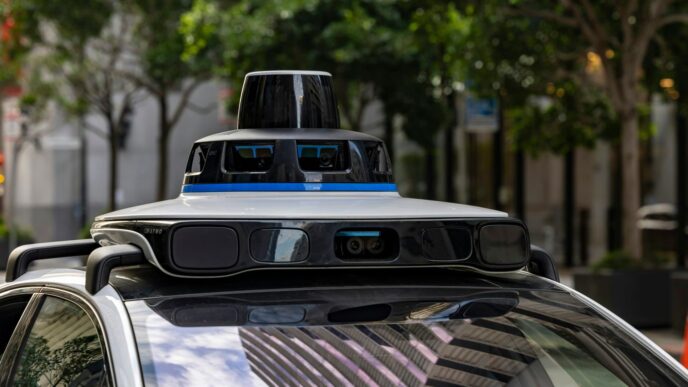
Mobileye SuperVision is designed to take on these tricky spots. It’s like having a co-pilot who’s seen it all. The system uses a bunch of cameras all around the car, giving it a 360-degree view. This means it’s not just looking forward; it sees what’s happening on all sides. This wide view is key for figuring out how to handle things like merging into traffic or avoiding unexpected obstacles. It’s built to react to these kinds of events, so you don’t always have to be the one making split-second decisions.
Real-World Driving Demonstrations
We’ve seen videos showing SuperVision in action, and honestly, it’s pretty impressive. They show the system handling actual driving conditions, not just some test track. You can see it dealing with real traffic, real roads, and those unpredictable moments that happen every day. It’s one thing to talk about what a system can do, but seeing it actually work in situations like busy intersections or construction zones gives you a better idea of its capabilities. It’s all about showing how it performs when the driving gets tough.
Negotiating Challenging Maneuvers
What makes SuperVision stand out is its ability to handle more than just staying in your lane. It can manage things like changing lanes automatically when it’s safe to do so, or even navigating through traffic jams. For drivers, this means less stress during commutes. The system is programmed with a driving policy that helps it make smart decisions, like how to safely pass a slower vehicle or how to keep a safe distance from the car ahead. It’s about making those everyday driving challenges feel a lot less daunting.
The Advanced Technology Behind Mobileye SuperVision
So, what makes Mobileye SuperVision tick? It’s not just one thing, but a whole bunch of smart tech working together. Think of it like a really well-trained team where everyone has a specific job.
360-Degree Surround Camera System
First off, there’s the camera setup. SuperVision uses a bunch of cameras – usually around eight – positioned all around the car. This gives it a full, 360-degree view of everything happening. It’s like having eyes everywhere, spotting cars, bikes, pedestrians, and anything else that might be a problem, no matter where it is. This constant stream of visual information is key to understanding the whole picture.
REM™ Maps and RSS™ Driving Policy
But just seeing isn’t enough, right? That’s where the other bits come in. Mobileye uses something called REM™ maps. These aren’t your average GPS maps; they’re super detailed, crowd-sourced maps that know about things like lane lines, speed limits, and road geometry down to the centimeter. This high-definition map data helps the car know exactly where it is and what the road should look like. Then there’s the RSS™ (Responsibility-Sensitive Safety) driving policy. This is basically a set of rules that tells the car how to behave safely, especially when it comes to interacting with other road users. It’s designed to be defensive and predictable, making sure the car always acts in a way that minimizes risk.
Dual EyeQ™ Systems-on-Chip
All this information from the cameras and maps needs to be processed, and fast. That’s the job of the EyeQ™ chips. SuperVision uses two of these powerful chips working together. They’re basically the brains of the operation, crunching all the data from the cameras and maps to make sense of the driving situation in real-time. These chips are specifically designed for this kind of complex visual processing, making sure the car can react quickly and accurately to whatever is happening around it.
Enabling Eyes-On, Hands-Off Driving
Core ADAS Technology Foundation
Mobileye SuperVision builds on years of work in driver assistance. Think of it like this: basic safety features in cars, like cruise control or lane keeping, are the foundation. SuperVision takes that foundation and adds a whole lot more. It uses specialized computer chips, called EyeQ systems-on-chip, that are really good at understanding what cameras see. These chips process information from multiple cameras to figure out what’s happening around the car – other vehicles, pedestrians, lane lines, traffic lights, you name it. This core technology is what allows the car to ‘see’ and react to its surroundings in real-time. It’s the brainpower behind making driving easier and safer.
Intelligent Perception and Sensor Fusion
What really sets SuperVision apart is how it puts all that sensor information together. It doesn’t just look at one camera; it combines feeds from a 360-degree camera system. This creates a complete picture of the environment. Then, it uses advanced software, powered by artificial intelligence, to make sense of it all. This includes things like:
- Detecting and identifying other road users, even in busy traffic.
- Understanding traffic signals and signs.
- Mapping out the road ahead, including curves and lane markings.
- Predicting the movement of other vehicles and potential hazards.
This process, called sensor fusion, means the system has a really detailed understanding of what’s going on, allowing it to make smarter decisions.
Software-Defined Features and Updates
One of the cool things about SuperVision is that it’s largely software-driven. This means that many of its capabilities, like highway driving assistance or traffic jam control, can be updated and improved over time through software. Think of it like updating the apps on your phone. As Mobileye develops new features or makes existing ones better, they can be sent to the car wirelessly. This also means the system can be customized. Automakers can fine-tune how the system behaves within certain safety limits, and new features can be added down the line. This software-first approach makes the system adaptable and keeps it current, offering a more advanced driving experience that can evolve with technology.
Mobileye SuperVision’s Capabilities in Action
Highway and Traffic-Jam Assistance
Mobileye SuperVision really shines when you’re on the highway or stuck in stop-and-go traffic. It can handle driving with your eyes on the road but hands off the wheel at speeds up to about 80 miles per hour (130 km/h). This means less fatigue on long drives and a much calmer experience when inching along in a jam. The system is designed to keep you centered in your lane, adjust speed based on the car ahead, and generally manage the flow of traffic so you don’t have to constantly micromanage the vehicle.
Autonomous Lane Changes and Collision Avoidance
One of the standout features is its ability to perform automatic lane changes. Need to get around a slower vehicle? SuperVision can assess the situation, check blind spots, and execute the maneuver smoothly. Beyond just changing lanes, it’s constantly monitoring your surroundings for potential hazards. This includes tracking other vehicles and road users, and actively working to avoid collisions. It’s like having a co-pilot who’s always looking out for trouble and knows how to react.
Urban Pilot and Point-to-Point Navigation
While SuperVision is fantastic on highways, its capabilities extend into more complex urban environments. It’s designed to handle point-to-point navigation, meaning it can take you from your starting location to your destination with minimal driver intervention. This includes managing intersections, navigating around obstacles, and dealing with the unpredictable nature of city driving. Think of it as a sophisticated system that can handle a good chunk of your daily commute, making it less of a chore and more of a relaxing journey.
The Growing Presence of Mobileye SuperVision
It’s one thing to talk about advanced driver-assist systems, but it’s another to see them out there on the road. Mobileye SuperVision is making that transition from concept to reality, and it’s happening faster than you might think. This system is already being used in over 100,000 vehicles, primarily through our partnership with Zeekr. That’s a pretty significant number, showing that automakers are really starting to embrace this technology.
But it’s not just about the numbers. We’re seeing SuperVision pop up in more and more places. Automakers like Porsche and Polestar are also on board, planning to integrate it into their upcoming models. This means that whether you’re looking at a luxury sedan or a performance SUV, there’s a good chance you’ll encounter SuperVision soon.
Here’s a quick look at where things stand:
- Current Integrations: Already active in over 100,000 vehicles, mainly with Zeekr.
- Future Collaborations: Partnerships with major brands like Porsche and Polestar are set to expand its reach.
- Consumer Experience: As more cars hit the road with SuperVision, drivers will get more hands-on experience, building confidence in these advanced features.
This growing presence is a clear sign that the industry sees the value in a system that can handle complex driving tasks while keeping the driver engaged. It’s a step towards a future where driving is less of a chore and more of a comfortable experience, all thanks to smart technology working behind the scenes.
Distinguishing Mobileye SuperVision from Other Systems
So, how does Mobileye SuperVision stack up against the rest? It’s a good question, especially with so many driver assistance systems out there. Think of it this way: most automakers used to offer either basic safety stuff for everyday cars or really fancy, expensive systems for luxury models. You know, the kind that might let you take your hands off the wheel for a bit on the highway, but only if you’re in a high-end vehicle.
Mobileye SuperVision really changes that game. It’s designed to be a premium ‘eyes-on, hands-off’ solution that automakers can actually use across a wider range of cars, not just the super-expensive ones. It’s built on a solid foundation of tech that Mobileye has been working on for ages, aiming for more advanced driving down the road.
Here’s a quick look at what sets it apart:
- Advanced Capabilities: Unlike simpler systems, SuperVision can handle more complex driving, like navigating busy intersections, unprotected left turns, and even construction zones. It’s not just about staying in your lane; it’s about actively managing tricky situations.
- Scalable Path to Autonomy: This system is seen as a stepping stone. Automakers can integrate SuperVision now for advanced driver assistance, and it lays the groundwork for future, more automated driving features. It’s a way to get advanced tech into more cars without starting from scratch every time.
- Integrated Technology: It uses a bunch of Mobileye’s own tech working together – like the 360-degree cameras, detailed maps, and smart driving rules – all powered by their special computer chips. This integrated approach means it can do more than just basic alerts; it can actually control the car’s speed and steering in more sophisticated ways.
Basically, SuperVision aims to bridge the gap, offering a taste of advanced driving assistance that feels more capable and is more accessible than what was previously available only in the highest-end vehicles. It’s about bringing smarter driving tech to more people.
The Road Ahead with Mobileye SuperVision
So, what does all this mean for the average driver? Basically, Mobileye SuperVision is making those tricky driving moments, like busy intersections or construction zones, a lot less stressful. It’s like having a really good co-pilot who’s seen it all before. With this tech already in cars from Zeekr and coming to more from brands like Porsche and Polestar, you’ll likely be seeing it on the road soon. It’s a big step towards making driving easier and safer for everyone, letting you relax a bit more, knowing the car is handling the tough stuff.