Mobileye’s Autonomous Driving Technology Takes Center Stage
It feels like just yesterday that advanced driver-assistance systems (ADAS) were the hot new thing in cars, and Mobileye was right there, powering a lot of that tech with their EyeQ chipsets. They’ve been doing this for a while, shipping over 100 million of those chips since the first one came out back in 2004. Initially, it was all about helping cars avoid fender benders and stay in their lanes. But Mobileye has been quietly working on something much bigger.
The Evolution of Mobileye’s EyeQ Chipsets
Mobileye’s journey started with a focus on making driving safer through smart cameras and processing. Their EyeQ chips are the brains behind many of the driver aids we see today. Think of things like automatic emergency braking and lane keeping assist – that’s often Mobileye tech at work. They’ve kept improving these chips, with the latest generation, the EyeQ6L and EyeQ6H, designed for more advanced capabilities. The EyeQ6L is aimed at Level 2 ADAS, with production starting around mid-2023. The more powerful EyeQ6H, coming in 2024, is set to handle more complex driving tasks and even run third-party apps.
From ADAS Supplier to Autonomous Vehicle Operator
For a long time, Mobileye played the role of a key supplier to car manufacturers, providing the technology that makes their cars smarter and safer. But they also had a bigger vision. Around 2018, they started looking beyond just supplying parts and began developing their own autonomous driving systems, even exploring the idea of operating robotaxis. This dual approach might have seemed a bit unusual, but it was all part of a long-term plan.
Mobileye’s Full Self-Driving Stack Explained
Now, those two paths are really coming together. Mobileye isn’t just about the chips anymore; they’ve built a complete system for self-driving cars. This
Key Mobileye Innovations Showcased
Mobileye isn’t just talking about the future of driving; they’re building it with some seriously impressive tech. Let’s look at what they’re putting front and center.
Mobileye Drive™: The Self-Driving System
This is Mobileye’s complete package for making cars drive themselves. It’s not just one piece of hardware or software; it’s the whole setup. Think of it as the brain and senses for a car that can handle driving without a human needing to step in. They’ve been testing this system in various places, working with different partners to get it ready for real-world use. It’s designed to handle complex driving situations, making it a big step towards cars that can truly operate on their own.
SuperVision™ Enhances Driving Automation
SuperVision™ is a step up from what most cars offer today. It allows for "eyes-off" driving on many roads, meaning you don’t have to keep your hands on the wheel all the time. It uses a bunch of cameras and Mobileye’s processing power to keep the car centered in its lane and maintain a safe distance from other vehicles. It’s like having a really attentive co-pilot that can handle the highway driving for you. This system is already being put into production vehicles, showing that advanced automation is here now, not just a concept for the distant future.
EyeQ6L and EyeQ6H: Next-Generation SoCs
At the heart of all this technology are Mobileye’s EyeQ chips. The latest versions, EyeQ6L and EyeQ6H, are the brains behind the operation. The EyeQ6L is built for advanced driver assistance systems (ADAS), the kind that help you park or warn you about lane departures. It’s already in production. The EyeQ6H is a more powerful chip designed for higher levels of automation. It can handle more complex tasks, process video from multiple cameras, and even run other apps on the car’s system. These chips are the foundation for everything from basic safety features to full self-driving capabilities.
Here’s a quick look at what these chips support:
- EyeQ6L: Supports Level 2 ADAS features, focusing on driver assistance.
- EyeQ6H: Capable of supporting ADAS and partial autonomous driving, with advanced processing for multiple cameras and third-party applications.
These chips are key because they pack a lot of computing power into a small, efficient package, which is exactly what you need for automotive applications.
Collaborations Driving Autonomous Mobility Forward
Mobileye isn’t building this future alone. They’re teaming up with some big names to get self-driving cars and services out there.
Volkswagen Group Intensifies Partnership
Volkswagen Group and Mobileye have been working together for a while, and they’re really stepping things up. It’s not just about adding driver assistance features anymore; they’re looking at full autonomous driving. Think about the potential for their brands – from everyday cars to commercial vehicles. This partnership is a big deal for bringing autonomous tech to more people.
Deutsche Bahn and Mobileye Drive™
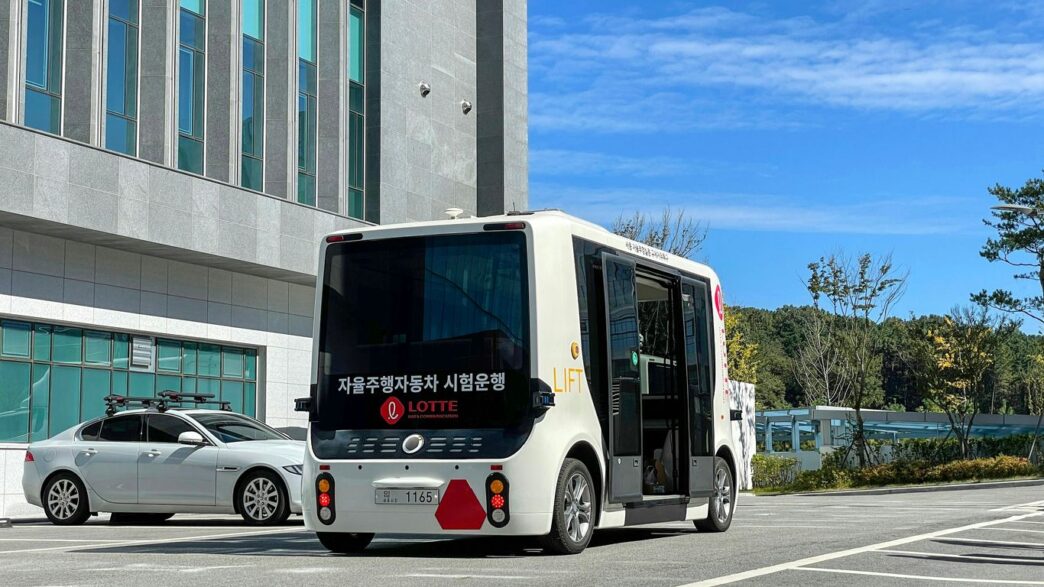
This is pretty interesting. Mobileye is working with Deutsche Bahn, a major German railway company, to put their Mobileye Drive™ system on the road. This collaboration is focused on autonomous mobility solutions, likely for public transport or shuttle services. It shows Mobileye is thinking beyond just passenger cars and looking at how autonomous tech can change how we move around cities and connect with other transport.
Project 3 Mobility and Urban Autonomous Projects
Mobileye has also partnered with Project 3 Mobility. This collaboration is specifically aimed at developing urban autonomous mobility projects. The goal here is to create scalable solutions for self-driving services within cities. It’s about making autonomous vehicles a practical part of city life, maybe for ride-sharing or delivery services that can operate efficiently in busy urban environments.
Mobileye’s Presence in Detroit and Beyond
Level 4 Autonomy Testing in Detroit
Detroit, the heart of the American auto industry, is becoming a key testing ground for Mobileye’s advanced autonomous driving systems. The company is actively conducting real-world tests of its Level 4 autonomous technology right on the city streets. This isn’t just about showing off; it’s about gathering crucial data in a complex urban environment. Think of it like this: they’re putting their self-driving tech through its paces in a place where the driving conditions can be pretty unpredictable, just like many other major cities.
Global Testing and Deployment of AVs
While Detroit is a significant hub, Mobileye’s ambitions stretch far beyond Michigan. They’re involved in testing and deploying autonomous vehicles (AVs) all over the world. This global approach is vital because different regions have unique road layouts, traffic rules, and driving cultures. What works perfectly in one country might need adjustments for another. It’s a massive undertaking, but necessary to make self-driving technology safe and reliable everywhere.
Robotaxi Services and Urban Mobility
Beyond just testing, Mobileye is looking at how its technology can be used in everyday life, particularly through robotaxi services and other urban mobility solutions. They’re partnering with companies to bring these services to life, aiming to change how people get around in cities. Imagine hailing a car that drives itself – that’s the future they’re working towards. It’s all about making transportation more accessible and efficient for everyone living in urban areas.
The Future of Autonomous Driving with Mobileye
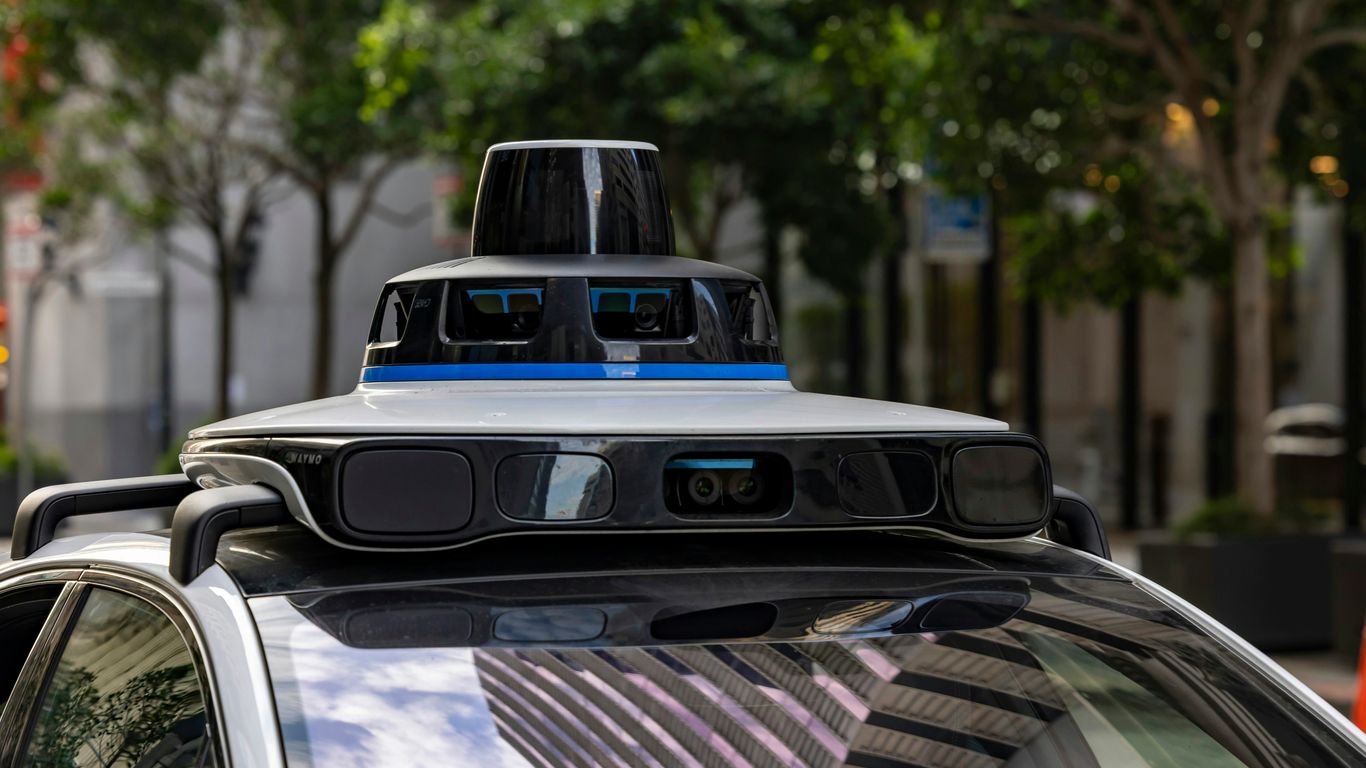
So, what’s next for self-driving cars, and how does Mobileye fit into all of this? Well, it seems like the company is really pushing towards what they call the "end game" for the industry: consumer autonomous vehicles. They’ve been working on their full self-driving system for a while now, which is pretty neat. It uses a bunch of sensors – cameras, radar, lidar – all working together. Plus, they’ve got this REM mapping system that helps the cars know where they are and what’s around them, and a safety approach called RSS. It’s all about making sure these cars can handle themselves.
Consumer AVs: The Industry’s End Game
Mobileye sees fully self-driving cars for everyday people as the ultimate goal. It’s not just about robotaxis or delivery vehicles, though those are important steps. The real prize is when you can just hop in your own car, tell it where to go, and relax. They’ve been building up to this for years, starting with the EyeQ chips that power driver assistance features and now moving towards systems that can handle all the driving.
Mapping the Road Ahead with REM™
Getting a car to drive itself isn’t just about the sensors and the computer brain. It also needs to know the road really, really well. That’s where Mobileye’s REM (Road Experience Management) technology comes in. Think of it like a super-detailed map that’s constantly being updated. Cars on the road collect data, and this system uses it to build and refine these maps. This helps the autonomous system understand things like lane markings, speed limits, and road boundaries, even when they’re not perfectly clear.
Safety Methodologies for Fully Autonomous Driving
Safety is obviously a huge deal when you’re talking about cars that drive themselves. Mobileye has put a lot of thought into this, developing specific safety methods. They’re not just relying on the technology to work perfectly; they have a whole framework. This includes:
- Redundancy: Having backup systems in place so if one part fails, another can take over.
- Responsibility-Sensitive Safety (RSS): A formal way to define safe driving behavior, focusing on how the AV should react to the actions of others.
- Continuous Testing and Validation: Rigorous testing in simulations and real-world conditions to prove the system is safe before it’s widely deployed.
It’s a complex puzzle, but they seem to be putting the pieces together.
The Road Ahead
So, seeing Mobileye’s tech front and center in Detroit really shows where things are headed. They’ve been working on this stuff for a long time, starting with helping cars see better and now moving into full self-driving. It’s not just about fancy chips anymore; it’s about making the whole system work, from the sensors to the maps to the actual driving decisions. With partnerships and real-world tests happening, it feels like we’re getting closer to seeing these autonomous vehicles become a normal part of our lives. It’s a big step, and Detroit seems to be a key place for it all to unfold.