Mobileye’s Detroit Autonomous Driving Expansion
Testing Autonomous Vehicles in Detroit
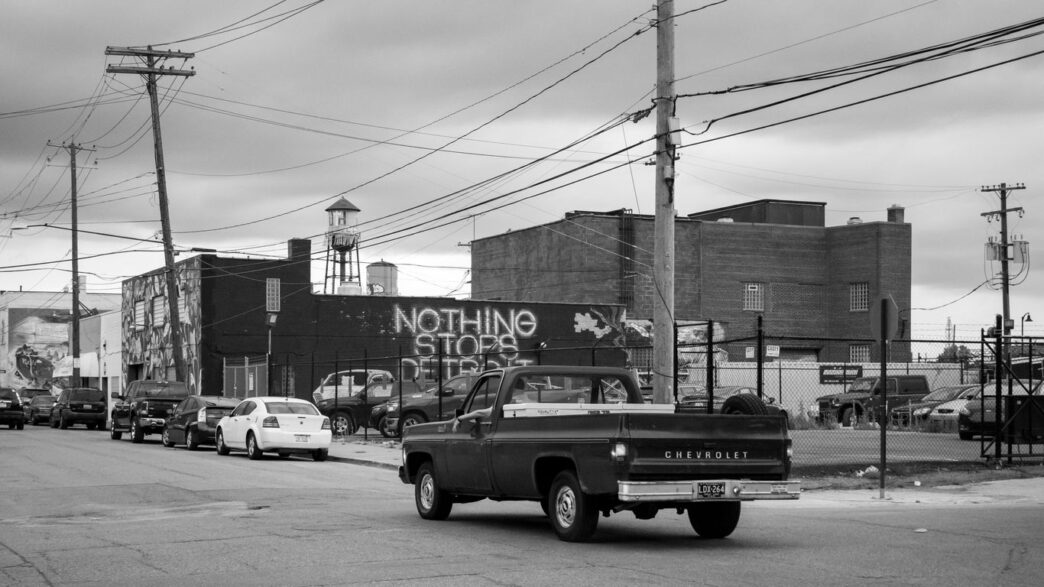
Mobileye is putting its self-driving tech to the test right here in Detroit. It’s not just a quick visit, either; they’re actively running a fleet of autonomous vehicles on the city’s streets. This isn’t some futuristic dream; these cars are out there, driving around with safety operators behind the wheel, gathering real-world data. The goal is to make sure the technology works everywhere, not just on perfect, sunny days. They’ve been doing this in other tough places too, like New York City, which is pretty much the ultimate proving ground.
Mobileye’s Global Testing Strategy
Detroit is just one piece of a much bigger puzzle for Mobileye. They’re not shy about taking their technology global. You’ll find their test vehicles in places like Munich, Tokyo, Shanghai, and even back home in Israel. This wide-ranging approach is all about exposure to different driving styles, road conditions, and unexpected situations. They started this whole testing thing back in 2018 in Jerusalem, and it’s grown from there. The idea is simple: if you want your autonomous system to be truly reliable, it needs to handle pretty much anything.
Detroit as a Key Testing Ground
So, why Detroit specifically? Well, it’s a city with a rich automotive history, sure, but it also presents a unique set of challenges for self-driving cars. You’ve got a mix of urban and suburban roads, varying weather, and a lot of different traffic patterns. By testing here, Mobileye can collect data that’s incredibly useful for refining their systems. They’ve even used Detroit, along with Munich, as a place where they could get their autonomous vehicles up and running quickly, relying on their mapping tech rather than sending in a whole team of engineers beforehand. It shows they see Detroit as a place where they can really push the boundaries of what their technology can do.
Advanced Technology Powers Mobileye’s Detroit Operations
Mobileye’s approach to autonomous driving is pretty unique, and it’s all about using smart tech to make cars see and understand the world around them. They’re not just relying on one type of sensor; it’s more like a whole system working together.
Camera-Only Sensing Systems
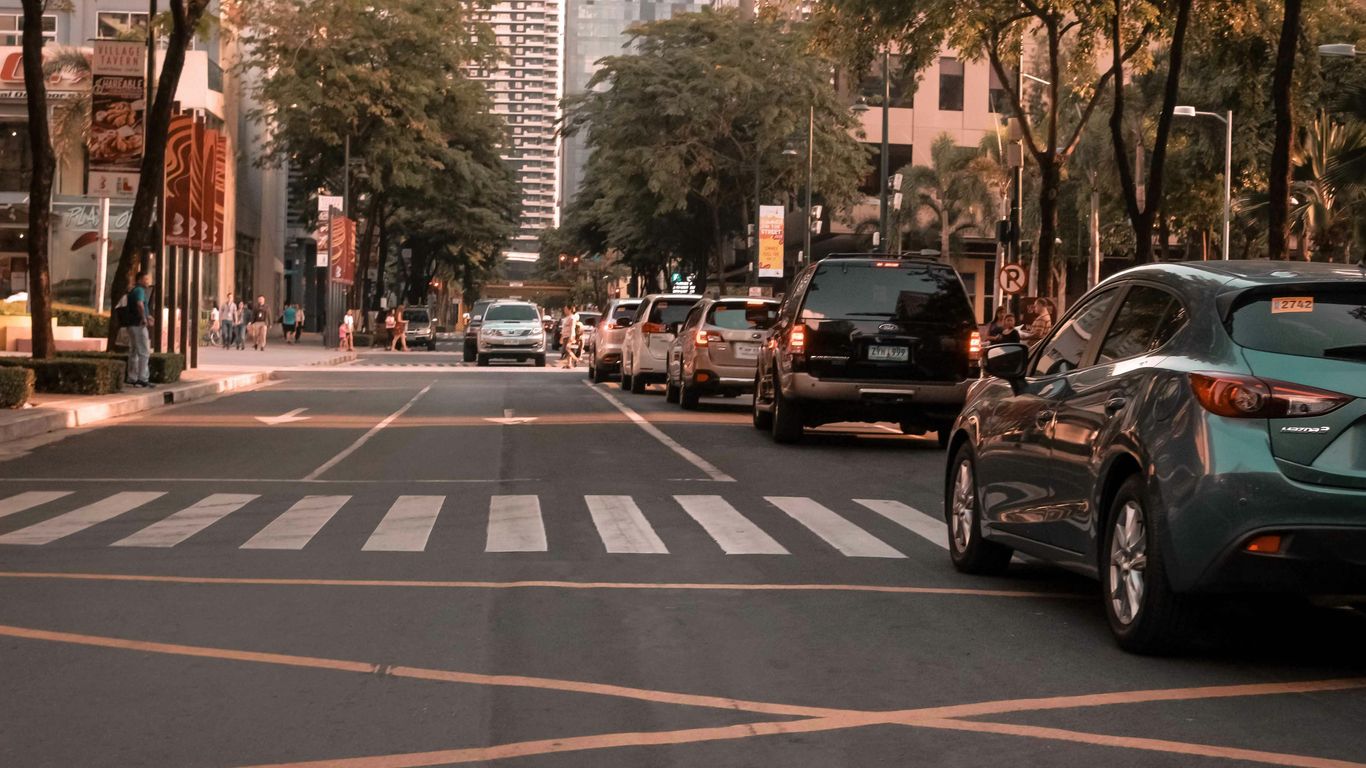
One of the cool things Mobileye is doing is pushing the boundaries with camera-only sensing. Think of it like how we humans primarily use our eyes. They’ve developed sophisticated systems that can interpret visual data with incredible detail. This camera-only approach is being tested right on the streets, even in challenging places like New York City. It’s impressive because it means the car has to figure out everything just from what it sees, which is a big deal for making self-driving tech more accessible.
Radar and Lidar Integration
While cameras are a big part, Mobileye isn’t stopping there. They’re also working on integrating radar and lidar. Radar is great for seeing through bad weather, like fog or heavy rain, and lidar gives a really precise 3D picture of the surroundings. Mobileye is even developing its own lidar system-on-chip, which is a fancy way of saying they’re making the core component for lidar themselves. This means they have more control over how it works and can make it super efficient. They plan to bring these systems together, combining the strengths of cameras, radar, and lidar for a really robust sensing setup.
EyeQ Chip Technology
All this advanced sensing and processing needs a powerful brain, and that’s where Mobileye’s EyeQ chips come in. These are specialized chips designed to handle all the complex calculations needed for autonomous driving. They’re the fourth generation, and they’re already in millions of cars, helping with driver assistance features. The EyeQ chips are the foundation for collecting data from vehicles, which is then used to build those super-detailed maps. It’s this combination of advanced sensors and powerful, custom-designed chips that really makes Mobileye’s technology tick.
Crowdsourced Mapping for Autonomous Driving

Mobileye’s REM Mapping System
So, how does Mobileye actually get its self-driving cars to know where they are and what’s around them? It’s not magic, it’s a clever system called Road Experience Management, or REM for short. Think of it like a super-detailed, constantly updated digital map that’s built by the cars themselves. This crowdsourced approach means the map gets better and more accurate the more cars use the system. It’s all about gathering real-world data from a huge number of vehicles equipped with Mobileye’s tech. They’re not just looking at roads; they’re identifying things like lane lines, road edges, signs, and even traffic lights. This information is then used to create what Mobileye calls the Mobileye Roadbook, which is basically a localized map of drivable paths and visual cues that an autonomous vehicle can understand.
Data Collection from Vehicle Fleets
Mobileye’s mapping system relies heavily on data collected from a massive fleet of vehicles already on the road. We’re talking about nearly a million cars equipped with Mobileye’s advanced driver-assistance systems. These cars are constantly sending back information about their surroundings. It’s a pretty impressive scale, with reports of almost 8 million kilometers being mapped daily and over a billion kilometers completed so far. This continuous stream of data allows the system to build and refine its maps in near real-time. It’s like having millions of tiny scouts out there, all contributing to a bigger picture. This method is quite different from how some other companies might map, as it focuses on the specific details an autonomous car needs to navigate safely and understand its environment.
High-Definition Maps for Detroit
Detroit, with its mix of urban streets and varied road conditions, is a prime location for Mobileye to test and refine its mapping technology. The data gathered from vehicles driving in Detroit feeds directly into the creation of high-definition maps tailored for the city. These maps go way beyond what a standard GPS provides. They include precise details about:
- Lane markings and road boundaries
- The exact location and type of traffic signs
- Positions of traffic lights
- Key visual landmarks that help with localization
This detailed mapping is super important for autonomous vehicles. It helps them understand their exact position on the road, anticipate upcoming turns, and react appropriately to traffic signals and signs. By continuously updating these maps with data from their Detroit test fleet, Mobileye is building a robust foundation for safe and reliable autonomous driving in the city.
Safety and Scalability in Autonomous Systems
Making self-driving cars safe enough for everyone is a huge challenge, right? Mobileye is tackling this head-on with a few key ideas. They’re building systems that are way, way safer than human drivers. This isn’t just about making a car that can drive itself; it’s about making sure it can do so reliably, no matter what.
Responsibility-Sensitive Safety (RSS)
Think of RSS as a set of rules for the car’s decision-making. It’s a mathematical way to make sure the car always drives defensively and avoids causing accidents. It’s not about predicting what other drivers might do, but about making safe choices based on what’s happening right now. This helps the car understand its responsibilities on the road.
True Redundancy in Sensing
Mobileye uses multiple types of sensors, and they’re designed to work independently. This means if one system has a problem, another can take over. They have a camera-only system, and then a separate system using radar and lidar. This "true redundancy" is a big deal because it means the car has backup plans built-in. It’s like having two different sets of eyes and brains working together, but each capable of doing the job alone if needed.
Achieving Safety-Critical Performance
Getting to a point where the car is safe enough for everyday use requires a lot of testing and validation. Mobileye aims for performance that’s at least a thousand times better than a human driver. They achieve this through their unique approach to sensor fusion and their powerful EyeQ chips. This focus on safety from the ground up is what allows them to scale their technology for widespread use, not just for fancy robotaxis but eventually for regular cars too.
The Future of Mobility with Mobileye
So, what’s next for Mobileye and the whole self-driving car thing? It’s pretty interesting, actually. They’re not just thinking about fancy robotaxis, though that’s a big part of it. The real goal, the ultimate prize, is getting autonomous driving into regular passenger cars. You know, the kind you’d buy. Imagine just hopping in your car, telling it where to go, and then kicking back while it handles the driving. Pretty wild, right?
Robotaxi Services in Development
Mobileye is definitely working on robotaxi services. Think of it like Uber or Lyft, but with no driver. This is seen as a stepping stone, a way to really test and refine the technology in a controlled, commercial setting before it hits everyone’s driveway. It makes sense, doesn’t it? Get the kinks worked out with professional drivers (or rather, professional systems) first.
Consumer Autonomous Vehicles by 2025
They’re aiming to have autonomous driving tech ready for regular cars by 2025. This is a pretty ambitious timeline, but they seem pretty confident. The idea is that you’ll be able to buy a car with this capability, and it’ll be an optional feature. You pay a bit extra, and suddenly, your car can drive itself. It’s all about making this advanced tech accessible to more people.
Integration with Mobility-as-a-Service
Beyond just owning a self-driving car, Mobileye is also looking at how these vehicles fit into the bigger picture of how we get around. This is where their acquisition of Moovit comes in. They want to integrate autonomous vehicles into what’s called Mobility-as-a-Service (MaaS). Basically, it’s about creating a connected system where you can easily use different types of transport – maybe a robotaxi to get to the train station, then the train, then another autonomous shuttle. It’s all about making transportation smoother and more efficient for everyone.
Mobileye’s Strategic Partnerships
Collaboration with Automakers
Mobileye has built a solid foundation by working closely with car manufacturers. You know, the companies that actually build the cars we drive every day. They’ve been supplying these automakers with the computer vision tech that powers a lot of the driver assistance features we see now, like lane keeping and automatic braking. It’s a big business for them, and it means their technology is already in millions of cars on the road – we’re talking about 88 million vehicles using their computer vision tech right now. This widespread adoption is pretty significant.
Intel’s Role in Technology Development
Then there’s Intel, the big chip maker. They’ve been a key player behind the scenes, especially with Mobileye’s EyeQ chips. These chips are like the brains of the operation, processing all the visual data. Intel is also bringing its silicon photonics know-how to help develop lidar systems, which are another type of sensor important for self-driving. They’re aiming to have these integrated into AVs starting around 2025. Having Intel’s backing means Mobileye can scale up its technology development and manufacturing in a big way.
Moovit Acquisition for MaaS
And get this, Mobileye bought a company called Moovit. Moovit is all about mobility services, kind of like a super-powered trip planner for public transport and ride-sharing. This acquisition is a big deal because it helps Mobileye build out the software and services needed for what they call Mobility-as-a-Service (MaaS). Think of it as putting all the pieces together so that eventually, you can just use an app to hail an autonomous car or plan a complex trip using different modes of transport, all managed by Mobileye’s tech. It’s about making the whole system work for people, not just the driving part.
Mobileye’s Detroit Drive: A Glimpse into the Future
So, Mobileye is out there, testing its self-driving cars right here in Detroit. It’s pretty wild to think about. They’re using cameras and other tech to map everything out, and it seems to be working pretty well. They’ve been doing this in other cities too, like New York and Tokyo, so Detroit is just the next stop. It’s all part of their plan to make cars drive themselves, not just for robotaxis but for regular cars you might buy. It’s still a ways off, but seeing these cars on the road feels like a real step towards that future.