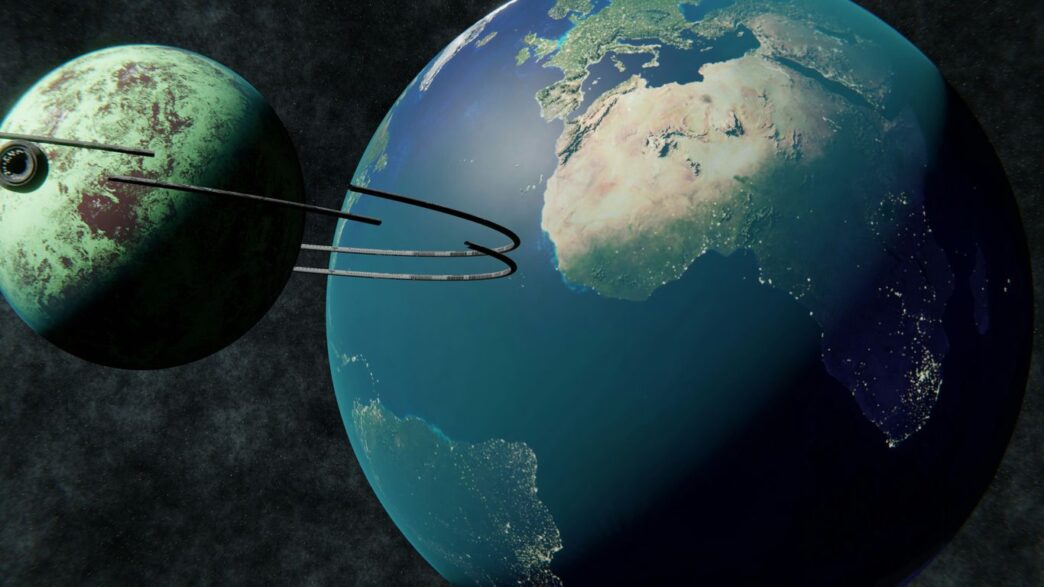
Asteroid Threats to 2040 Earth
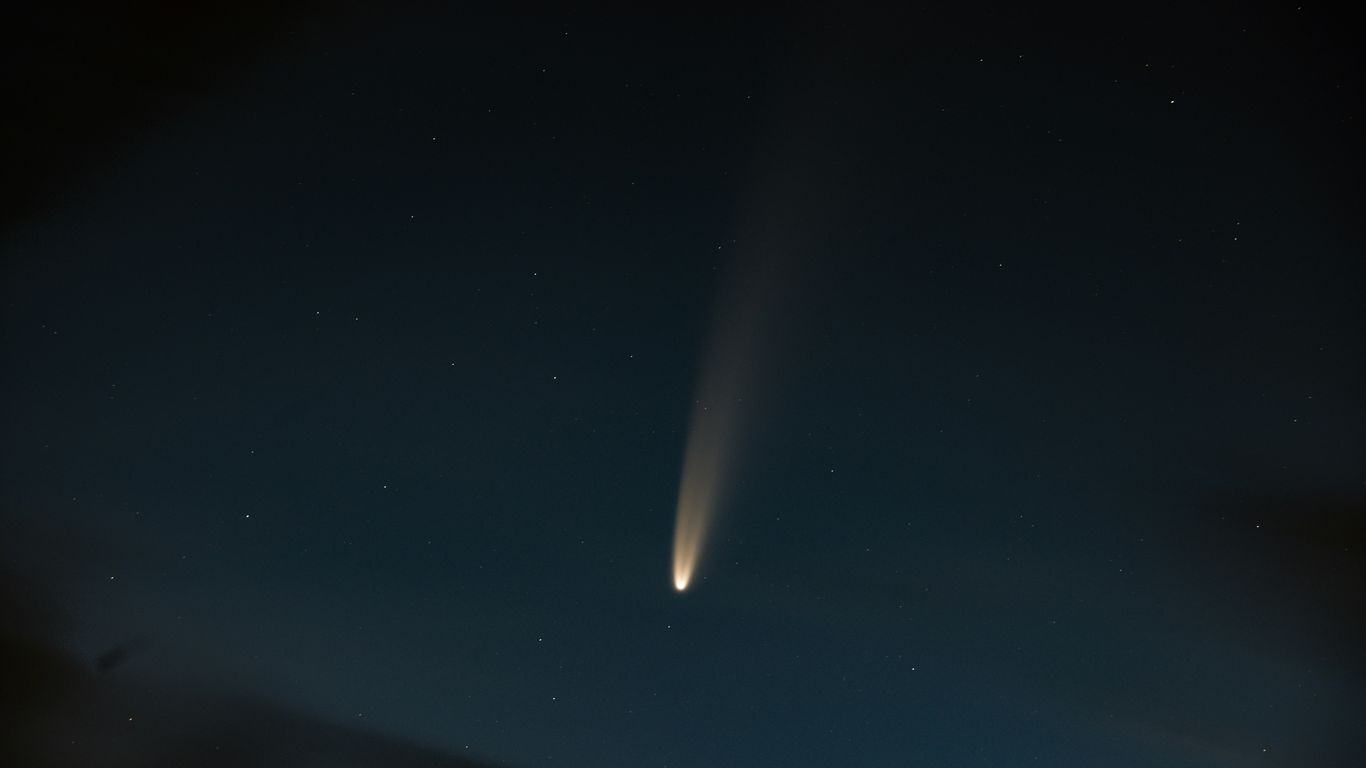
Okay, so let’s talk about space rocks. We’ve all seen the movies, right? Big asteroid heading for Earth, cue the dramatic music. Well, it’s not just Hollywood stuff. Scientists are constantly keeping an eye on things zipping around our planet, and by 2040, there are a few that have definitely caught their attention.
Deflection Missions for Asteroid 2011 AG5
One of the more talked-about objects is asteroid 2011 AG5. Back when it was first spotted, there was a pretty slim chance, like 1 in 500, that it could hit us in 2040. That’s not exactly a sure thing, but it’s enough to make people pay attention. The tricky part with 2011 AG5 is that it’s pretty faint, making it hard to get a good look at until it gets closer. This means figuring out its exact path and how things like the sun’s heat might nudge it around (that’s the Yarkovsky effect, by the way) is tough. Because of this, missions were planned to get a better handle on its orbit, especially before it made a close pass in 2023. The idea was to use that close pass to refine our calculations and, if needed, figure out how to give it a gentle push to steer it clear of Earth. We’re talking about kinetic impactors – basically, hitting it with something to change its speed and direction. The timing of these missions is super important; you want to act well before the actual potential impact date.
Early Detection of Earth-Impacting Asteroids
Spotting these potential cosmic visitors early is, like, the most important thing. If we know something’s coming years or even decades in advance, we have a much better shot at dealing with it. Think of it like getting a heads-up about a storm – the sooner you know, the more time you have to prepare. This early warning system relies on big telescopes and sky surveys constantly scanning the heavens. It’s not just about finding them, though. It’s also about tracking them accurately. Sometimes, an asteroid might have a small chance of hitting us, but then a later close pass could put it on a collision course. These
Mitigation Strategies for Celestial Hazards
Solar Sailing for Asteroid Deflection
Imagine a giant, super-thin sail, miles wide, catching sunlight. That’s the basic idea behind solar sailing for nudging asteroids. It’s a pretty neat concept, using the pressure from sunlight itself to push an asteroid off its collision course. It’s not about brute force, but a gentle, persistent push over a long time. This method is especially good for smaller asteroids or when we have a lot of warning time. The sail would be deployed near the asteroid, and as photons from the sun bounce off it, they transfer a tiny bit of momentum. Over months or years, this adds up. The main challenge is building and deploying such a massive, yet delicate, structure in space.
Kinetic Impactor Missions
This is probably the most straightforward approach we have right now. Think of it like playing cosmic billiards. We send a spacecraft, essentially a heavy projectile, to smash into the asteroid at high speed. The impact transfers momentum, changing the asteroid’s direction. NASA’s DART mission was a real-world test of this, and it worked! It showed we can actually alter an asteroid’s path this way. The effectiveness depends on the asteroid’s size, composition, and how fast the impactor hits. For larger threats, we might need multiple impactors or a bigger one.
Standoff Nuclear Munitions for Defense
This is the more extreme option, reserved for the biggest, most immediate threats. The idea isn’t to blow the asteroid up, which could create a shower of dangerous fragments. Instead, a nuclear device would be detonated at a safe distance from the asteroid. The intense radiation and heat from the explosion would vaporize a portion of the asteroid’s surface. This vaporized material would then expand outwards, acting like a rocket exhaust, pushing the asteroid off course. It’s a powerful method, but it comes with its own set of risks and requires careful planning to avoid unintended consequences. This approach is considered a last resort for truly catastrophic impact scenarios.
The Evolving Landscape of Space Operations
Space Traffic Management Systems
Keeping track of everything buzzing around Earth is getting complicated, fast. We’re not just talking about a few satellites anymore; think thousands, maybe tens of thousands, all whizzing around. This is why robust space traffic management systems are becoming absolutely necessary by 2040. It’s like air traffic control, but way more complex because space is three-dimensional and things move incredibly fast. These systems need to predict where everything is going, avoid collisions, and generally keep the orbital highways clear. Without them, we risk a domino effect of crashes, known as Kessler Syndrome, which could make certain orbits unusable for a very long time. It’s a big job, involving international cooperation and a lot of data sharing.
Debris Removal and Orbital Sustainability
Speaking of Kessler Syndrome, we’ve got a growing problem with space junk. Old satellites, bits of rockets, even tiny flecks of paint – they all add up. By 2040, active debris removal will likely be a standard part of space operations, not just a theoretical concept. This means developing technologies to grab or deorbit defunct satellites and larger pieces of junk. It’s not just about cleaning up; it’s about making sure we can keep using space for future generations. This includes things like mandatory deorbiting protocols for new satellites and maybe even orbital ‘tow trucks’ to haul away the trash. It’s a tough engineering challenge, but one we have to face if we want to keep space accessible.
Responsible Orbital Infrastructure Norms
As we put more and more stuff into orbit, we need clear rules of the road. Think of it as building a city in space – you need zoning laws, building codes, and agreements on how everyone will behave. By 2040, we’ll need established norms for responsible orbital infrastructure. This covers everything from how we deploy new satellites to how we manage power and data. It also means agreeing on what happens when things go wrong. For example, if a satellite breaks down, there needs to be a plan for it, rather than just letting it become more space junk. These norms will be key to preventing conflicts and ensuring that space remains a useful place for science, communication, and exploration for years to come.
Technological Advancements in Space Exploration
Precision Navigation for Asteroid Sample Return
Getting to an asteroid and grabbing a piece of it to bring back is way harder than it sounds. We’re talking about pinpoint accuracy over millions of miles. Think about it: you need to match the speed and trajectory of a rock tumbling through space, often with no atmosphere to help you slow down. New guidance systems are getting really good at this, using advanced sensors and thruster controls. These systems allow spacecraft to get incredibly close to these small bodies, sometimes within meters, to perform delicate maneuvers. It’s not just about getting there; it’s about doing it without crashing or missing your target. This precision is key for missions like OSIRIS-REx and Hayabusa2, which have already shown us what’s possible.
Advanced CCD Imaging for Object Detection
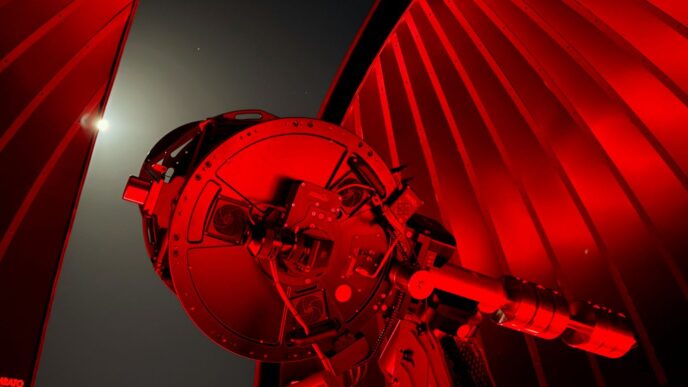
Spotting potential threats, like asteroids, or finding interesting targets in the vastness of space relies heavily on our eyes in the sky – the cameras. Modern Charge-Coupled Device (CCD) imagers are way more sensitive than they used to be. They can pick up fainter objects and distinguish them from the background stars and cosmic dust. This improved vision is vital for:
- Scanning large areas of the sky quickly.
- Identifying small, fast-moving objects.
- Characterizing the surface features of asteroids and other celestial bodies.
These cameras are getting better at handling the harsh conditions of space, too, meaning they can operate reliably for longer missions.
Deep Space Network Communication Coverage
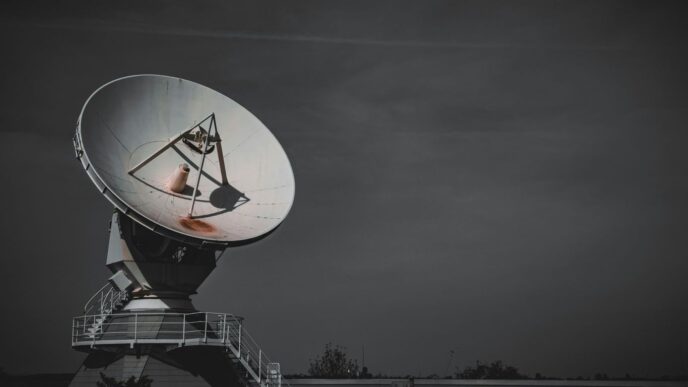
Talking to our probes and telescopes when they’re way out there is a big challenge. The Deep Space Network (DSN) is our lifeline, a global system of giant antennas that keeps the communication lines open. But as we send more missions further out, and as those missions generate more data, we need more bandwidth and better coverage. Efforts are underway to expand the DSN’s reach and capacity. This includes:
- Adding new antenna sites in different parts of the world to reduce communication gaps.
- Developing more efficient communication protocols and technologies.
- Exploring the use of laser communications, which can carry much more data than traditional radio waves.
Having robust communication means we can get the science data back faster and send commands to our spacecraft more reliably, no matter where they are exploring.
The Future of Satellite Swarms

Okay, so we’ve talked a lot about big threats and how we’re dealing with them. But what about the everyday stuff happening up there? That’s where satellite swarms come in, and honestly, it’s pretty wild to think about.
Orbital Compute and Energy-Intensive Tasks
Think about all the data our satellites are collecting. Right now, a lot of that data has to be sent back to Earth for processing. That takes time and uses up valuable bandwidth. What if we could do some of that heavy lifting right in orbit? This is where the idea of an ‘orbital cloud’ really starts to make sense. Instead of sending massive amounts of raw data down, satellites could process it up there, identifying the important bits – the "needles in the haystack," as some folks call it – and only sending that smaller, more useful package back. This could be a game-changer for things like Earth observation, where you might want to spot troop movements or missile launches in near real-time. It also means our satellites can be lighter and use less power because they don’t need to carry as much processing gear.
LEO Mesh Networks and Global Insights
Low Earth Orbit (LEO) is getting pretty crowded, but that also means we have a lot of satellites within reach of each other. Imagine these satellites forming a kind of mesh network, talking to each other. This could allow for incredible global coverage and data sharing. For instance, a swarm of satellites could continuously monitor weather patterns or track environmental changes across vast areas, providing a much more detailed and up-to-date picture than we have now. This constant stream of data, processed efficiently, could give us insights we haven’t even dreamed of yet, from tracking resource extraction in remote areas to understanding complex climate shifts.
The Iterative Growth of Space-Based Systems
What’s cool about swarms is that they don’t have to be built all at once. You can start with a few, test them out, and then add more over time. It’s like building with LEGOs, but in space. This iterative approach means we can learn and adapt as we go, making each new generation of satellites smarter and more capable. It also spreads out the cost, making ambitious projects more achievable. We’re not just talking about a few big, expensive satellites anymore; we’re looking at a future where many smaller, interconnected systems work together, growing and evolving to meet new challenges and explore new frontiers. It’s a more flexible and dynamic way to build our presence in space.
Looking Ahead: A Safer, Smarter Space
So, as we wrap up our look at Earth 2040, it’s clear we’re living in a time of both new challenges and incredible solutions. We’ve seen how close calls with space rocks, once just science fiction, are now a real concern we’re actively preparing for. But it’s not all about dodging bullets. The same ingenuity that helps us watch for asteroids is also building up a whole new world in orbit, with swarms of satellites working together. It’s a bit like learning to drive in a busy city – you need to be aware of everything around you, from the big trucks to the tiny scooters. We’re getting better at managing our space neighborhood, making it safer and more useful for everyone. The future looks busy, but also pretty exciting.