

The Accelerating Pace Of Technological Advancement
It feels like every week there’s some new gadget or software that’s supposed to change everything. And honestly, it’s not just hype anymore. The speed at which new tech is popping up and getting better is pretty wild. We’re not talking about slow, steady improvements; we’re seeing big leaps happen much faster than before.
Convergence Of Disruptive Technologies
Think about how many different kinds of tech exist now. We’ve got AI, advanced materials, super-fast internet, and biotech, just to name a few. What’s really shaking things up is how these different fields are starting to blend together. It’s like putting puzzle pieces together that you didn’t even know belonged in the same picture. For example, AI is making it possible to design new materials that were impossible to even think about a decade ago. This mixing and matching is creating entirely new possibilities that none of these technologies could achieve on their own.
Shrinking Development Cycles
Remember when a new phone model came out every few years? Those days are long gone. Now, companies are iterating and improving products at a breakneck pace. What used to take a decade of research and development can now happen in just a few years, or even months. This means the tech you buy today might feel outdated much sooner than you’re used to. It’s a constant race to get the next big thing out the door.
Global Competition In Innovation
It’s not just about who can invent something first anymore. It’s a global race for who can develop, refine, and implement new technologies the fastest and most effectively. Countries and companies are all vying for the top spot, not just for bragging rights, but for economic and strategic advantages. This intense competition pushes everyone to innovate harder and faster, sometimes leading to breakthroughs but also creating pressure and potential instability.
Artificial Intelligence: Transforming Daily Life
It’s hard to ignore how much artificial intelligence is already changing things, and by 2040, it’s going to be even more woven into the fabric of our everyday lives. We’re talking about AI that doesn’t just help us with tasks, but actually starts to feel like a part of our world.
Enhanced Human Capabilities
Think about it – AI is already getting really good at helping us do things better and faster. In the future, this will only grow. Imagine AI assistants that don’t just schedule your meetings but can also help you brainstorm ideas, draft complex documents, or even learn new skills alongside you. It’s like having a super-smart partner for almost anything you do. This could mean doctors can diagnose illnesses more accurately and quickly, researchers can speed up discoveries, and even artists can find new ways to create. The goal isn’t to replace human thought, but to give us tools that amplify what we’re already capable of.
Economic And Social Redistribution
This is where things get a bit complicated. As AI gets better at doing jobs that used to require a lot of training, some people might find their current roles changing or disappearing. This could lead to a big shift in how we think about work and income. We might see new kinds of jobs emerge that focus on managing and working with AI, but there’s also the possibility of increased inequality if the benefits of AI aren’t shared widely. It’s a tricky balance to strike, and societies will need to figure out how to adapt.
Here’s a look at some potential shifts:
- Job Market Evolution: Some jobs will become automated, while new roles in AI development, maintenance, and ethical oversight will grow.
- Skills Gap: There will be a greater need for skills related to critical thinking, creativity, and emotional intelligence, as these are harder for AI to replicate.
- Income Inequality: Without careful planning, the economic gains from AI could concentrate among a few, widening the gap between the rich and the poor.
Privacy And Security Concerns
As AI becomes more integrated into our lives, it will collect and process a lot of personal information. This raises big questions about privacy. Who owns this data? How is it being used? And how do we protect it from misuse or breaches? We’re already seeing AI used in ways that can track our behavior, and in the future, this could become even more sophisticated. It’s going to be a constant challenge to make sure that AI development respects our privacy and keeps our information safe. We’ll need strong rules and technologies to keep up.
Revolutionizing Industries With Smart Materials
It’s pretty wild to think about how materials science is changing everything. By 2040, we’re looking at a whole new generation of stuff that can do things we only dreamed of. Think about materials that are way stronger but lighter, or ones that can fix themselves if they get damaged. This isn’t just science fiction anymore; it’s becoming reality.
Advanced Material Properties
We’re talking about materials that can adapt to their surroundings. Imagine building components that can change their shape or stiffness based on the temperature or stress they’re under. Self-healing capabilities are also a big deal. Minor cracks or scratches could just disappear on their own, making products last much longer and reducing waste. Then there are materials designed to interact with energy in new ways, like better solar cells or ways to capture waste heat. These aren’t just incremental improvements; they’re fundamental shifts in how we build and use things.
On-Demand Manufacturing
This is where smart materials meet smart factories. Because these new materials can be so precisely controlled, we can start making things exactly when and how we need them. Think 3D printing, but with incredibly advanced materials. This means less inventory sitting around and less waste from overproduction. It also allows for a lot more customization. If you need a specific part with unique properties, you could theoretically have it made quickly without needing a massive factory setup.
Reshaping Supply Chains
All these changes mean the way we get things from point A to point B is going to look different. When you can make things locally, on-demand, and with materials that last longer, the old global supply chains might not make as much sense. We could see more localized production hubs. This could also mean fewer disruptions from international events. Plus, with materials that are lighter and stronger, shipping could become more efficient too.
Here’s a quick look at some potential material advancements:
- Self-healing polymers: Materials that can repair minor damage automatically.
- Shape-memory alloys: Metals that can return to their original shape after being deformed.
- Metamaterials: Engineered materials with properties not found in nature, like manipulating light or sound.
- Graphene-based composites: Extremely strong and lightweight materials with many potential uses.
Biotechnology’s Impact On Health And Environment

Improving Food Security
Biotechnology is really changing how we grow food and raise animals. Think about crops that can handle dry spells better or have more vitamins. We’re seeing crops engineered to need fewer fertilizers and pesticides, which is good for the planet and our wallets. For example, rice and corn are being tweaked to pack more Vitamin A, iron, and zinc. This could make a big difference in stopping things like blindness and anemia caused by not getting enough of these nutrients. It’s not just plants, either. In animal farming and even fish farming, biotech is helping us breed better, healthier animals and fish that grow faster. This means more food on our plates, and hopefully, less strain on natural resources.
Mitigating Climate Change
This is a big one. Biotechnology offers some cool ways to fight climate change. We’re looking at developing biofuels that don’t rely on fossil fuels, which could cut down on greenhouse gas emissions significantly. There’s also work being done on using microbes to clean up pollution and even capture carbon dioxide from the air. Imagine bacteria engineered to eat plastic waste or plants that can grow in salty, degraded soil, helping to restore damaged ecosystems. It’s about finding nature-based solutions, but with a high-tech boost.
Disease Prevention And Treatment
This is where things get really exciting, especially with gene editing tools like CRISPR. We’re getting closer to fixing genetic diseases at their source. Instead of just treating symptoms, we might be able to correct the faulty genes that cause conditions like sickle cell anemia or cystic fibrosis. This isn’t science fiction anymore; it’s being tested and developed right now. Beyond inherited diseases, biotech is also speeding up the development of new vaccines and treatments for all sorts of illnesses, as we saw recently. It’s about making us healthier and living longer, healthier lives.
The Electric And Autonomous Vehicle Era
Get ready, because by 2040, the way we get around is going to look seriously different. We’re talking about a massive shift towards electric vehicles (EVs) and, even more mind-blowing, self-driving cars becoming a regular sight. It’s not just about cleaner air, though that’s a big plus. This change is reshaping everything from how our cities are built to the jobs available.
Sustainable Transportation Solutions
Electric cars are already becoming more common, and that trend is only going to speed up. Think about it: fewer gas stations, quieter streets, and a big dent in pollution. Battery tech keeps getting better and cheaper, making EVs more practical for everyone. Plus, governments are pushing for this change with incentives and better charging infrastructure. It’s a win-win for the planet and our wallets in the long run.
- Reduced Emissions: EVs produce zero tailpipe emissions, directly improving air quality in urban areas.
- Lower Running Costs: Electricity is generally cheaper than gasoline, and EVs have fewer moving parts, meaning less maintenance.
- Quieter Operation: Electric motors are significantly quieter than internal combustion engines, leading to less noise pollution.
Integration With Smart City Infrastructure
Self-driving cars aren’t just a sci-fi dream anymore; they’re becoming a reality, and they need to work with our cities. Imagine cars talking to traffic lights to keep traffic flowing smoothly or coordinating with public transport to make your commute a breeze. Cities will need to adapt, maybe with special lanes or smarter road sensors. It’s all about making travel safer and more efficient for everyone, whether you’re in a car or on foot.
- Optimized Traffic Flow: Autonomous vehicles can communicate with each other and city infrastructure to reduce congestion.
- Enhanced Safety: Advanced sensors and AI aim to significantly reduce accidents caused by human error.
- New Mobility Services: Expect more on-demand ride-sharing and delivery services that are fully automated.
Economic Opportunities In Mobility
This whole EV and autonomous vehicle revolution isn’t just about new cars; it’s creating a whole new economy. We’re talking about jobs in battery manufacturing, building charging stations, developing the software that makes cars drive themselves, and even new kinds of repair services. The market for electric and self-driving tech is projected to be huge, bringing in billions and creating countless new career paths. It’s a big shift, but one that promises a lot of growth and innovation in the coming years.
Navigating A Hyperconnected World
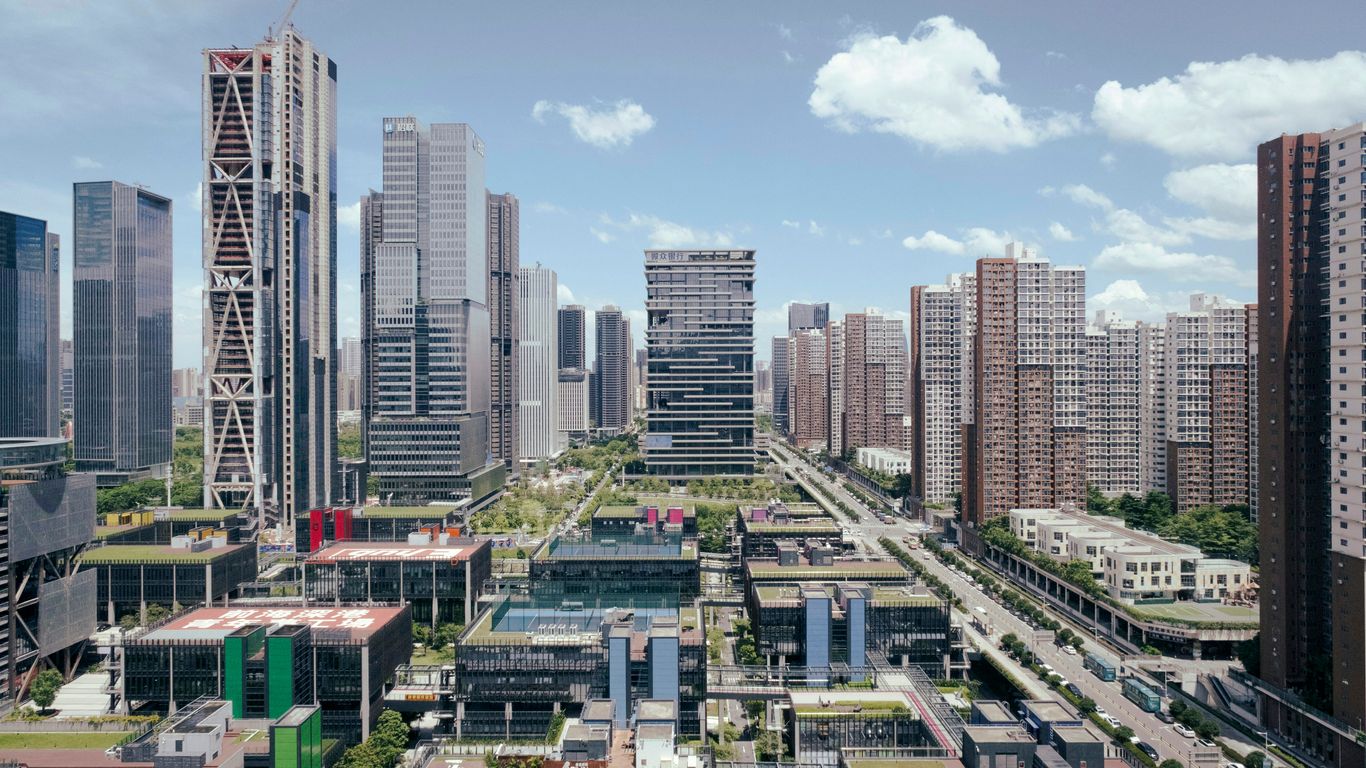
It feels like we’re all plugged in all the time now, doesn’t it? By 2040, this hyperconnectivity is set to go into overdrive. We’re talking about way more devices, way more data, and interactions happening on a scale we can barely imagine today. This isn’t just about having faster internet; it’s about how every part of our lives, across borders and social circles, will be linked.
Governmental Surveillance and Control
This constant connection gives governments new ways to keep tabs on everyone. On one hand, it could mean better services and security for us. Think about how quickly emergency services could respond if they knew exactly where everyone was. But there’s a flip side. This same technology can be used to keep a very close eye on individuals, potentially limiting freedoms. It’s a tricky balance, and figuring out where that line is will be a big challenge.
The Rise of Misinformation
With so much information flowing so fast, it’s getting harder to tell what’s real. Algorithms are already pretty good at showing us what they think we want to see, but by 2040, this could get much more intense. Imagine search results becoming the only "truth" for many people, and bad actors figuring out how to twist those results to spread their own messages. It’s not just about fake news anymore; it’s about shaping beliefs on a massive scale.
Cybersecurity Challenges
More connections mean more chances for things to go wrong. Cyberattacks are already a headache, but when everything is linked globally, the old ways of protecting ourselves based on borders won’t cut it. An attack could come from anywhere, at any time. We’ll need new ways to defend ourselves, and frankly, it’s a bit unnerving to think about how vulnerable we might become.
Here are some of the potential issues we’ll face:
- Data Privacy Erosion: With constant monitoring, personal and professional lives might lose their private spaces, either by choice or by rule.
- Algorithmic Manipulation: Personalized content could become so targeted it influences beliefs and actions, for better or worse.
- Globalized Threats: Cyber threats will no longer be confined by geography, making defense more complex.
- Digital Divide Widening: Not everyone will have equal access to or understanding of these technologies, potentially increasing societal gaps.
Building Sustainable Urban Futures
Cities in 2040 are going to look and feel a lot different, especially when it comes to how we live sustainably. Think less concrete jungle, more green oasis. The focus is shifting towards making urban environments that work with nature, not against it. This means cities will be designed from the ground up with things like green roofs, vertical farms, and parks woven into the fabric of neighborhoods. These aren’t just for looks; they help cool down the city, clean the air, and manage rainwater.
Green Infrastructure and Energy Efficiency
Buildings themselves will be smarter and greener. We’re talking about structures that generate their own power, maybe through solar panels integrated right into the walls or windows. Energy use will be carefully managed, with smart grids distributing power where it’s needed most and cutting down on waste. It’s all about using less and getting more out of what we do use. Expect materials that are not only sustainable but also help insulate buildings better, keeping them cool in the summer and warm in the winter with less energy.
Intelligent Water Management
Water is going to be a big deal. Cities will get much better at managing this precious resource. This involves more than just fixing leaky pipes. We’ll see widespread use of rainwater harvesting systems, and landscapes designed to soak up storm water naturally, reducing flooding and pollution. Think of permeable pavements that let water seep through instead of running off, and constructed wetlands that filter wastewater. These systems will be monitored by sensors, so we know exactly how much water we’re using and where it’s going.
The Role of IoT and AI in Urban Design
All of this smart city stuff relies heavily on technology. The Internet of Things (IoT) will connect everything – traffic lights, waste bins, streetlights, building systems – allowing them to communicate and work together. Artificial intelligence (AI) will be the brain behind it all, analyzing the data from these sensors to make real-time adjustments. For example, AI could optimize traffic flow to reduce congestion and emissions, or adjust building energy use based on occupancy and weather. It’s about creating cities that are not only efficient but also responsive to the needs of their residents and the environment.
Looking Ahead
So, what does all this mean for us as we head towards 2040? It’s clear that technology is going to keep changing things, sometimes in ways we expect and sometimes not. We’re seeing big shifts in how we get around, how we power our lives, and even how we interact with each other. While there’s a lot of exciting potential for making life better, like with AI helping in healthcare or new materials making things more efficient, we also need to be aware of the downsides. Things like privacy concerns with all that data, or the possibility of new technologies widening the gap between people, are real issues we’ll have to deal with. It’s not just about what tech can do, but how we choose to use it and make sure it benefits everyone, not just a few. The future isn’t set in stone; it’s something we’re all building, day by day.