
So, Con Edison is looking to raise prices again in 2026. It seems like every year, we’re talking about higher energy bills, and this time is no different. The utility company has put in a request for rate adjustments that could mean more money out of your pocket for electricity and gas. We’ll break down what’s behind these proposed changes, what it might mean for your monthly bills, and what you can actually do about it.
Key Takeaways
- Con Edison has asked for significant rate increases for both electricity and natural gas, potentially impacting household and business budgets starting in 2026.
- These proposed hikes are largely driven by the costs associated with infrastructure upgrades needed to meet New York’s clean energy targets.
- Beyond supply costs, delivery charges, utility fees, and even property taxes passed on by the utility contribute to the overall increase in energy bills.
- Customers have opportunities to voice their concerns to the Public Service Commission, which reviews all rate change requests.
- While the increases may be hard to avoid, strategies like reducing energy use, exploring time-of-use rates, and investigating energy storage can help manage the financial impact.
Understanding the Con Edison Price Increase
Alright, let’s talk about what’s happening with Con Edison’s prices. It looks like starting in 2026, we’re going to see some changes in our electricity and gas bills. Con Edison has put in a request to raise their rates, and if it gets the green light, it’s going to mean a noticeable jump in what we pay each month.
Proposed Rate Adjustments for Electricity and Gas
So, what exactly are they asking for? Con Edison initially proposed some pretty significant increases. We’re talking about an 11.4% hike for electricity and a 13.3% jump for natural gas. However, after some back-and-forth, they’ve agreed to scale those back. The new plan, which still needs to be approved, suggests a 2.8% increase for electricity and a 2% increase for gas, starting January 1, 2026. This revised plan is meant to balance the immediate cost for customers with the need for Con Edison to invest in keeping the system running smoothly.
Impact on Average Household Bills
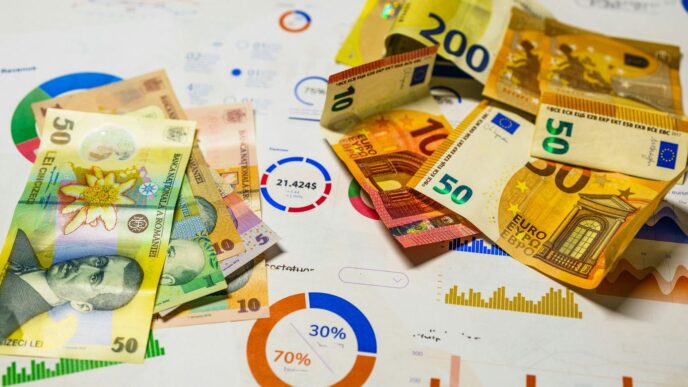
What does this mean for your wallet? Well, even with the reduced proposed increases, bills are expected to go up. For example, a typical household that used about 600 kWh of electricity and 100 therms of natural gas back in 2020 might have paid around $346. With the proposed rates taking effect in 2026, that same usage could push the bill closer to $500. That’s a pretty big jump, and it’s happening at a time when a lot of us are already feeling the pinch from other rising costs.
Key Drivers Behind the ConEd Price Increase
Why the increase? Con Edison points to a few main reasons. A big one is the investment needed to meet New York’s clean energy goals, like those in the Climate Leadership and Community Protection Act. This means upgrading infrastructure to handle more renewable energy sources. On top of that, there are delivery charges, utility fees, and even property taxes that Con Edison pays and then passes on to customers. These costs, often hidden in the details of your bill, add up and contribute to the higher prices we’re seeing proposed.
Navigating the Regulatory Landscape
So, Con Edison wants to raise prices. What happens next? Well, it’s not just a simple ‘yes’ or ‘no’ from the company. There’s a whole process involved, and it’s overseen by a state agency.
The Role of the Public Service Commission
The Public Service Commission (PSC) is the big player here. They’re the ones who have to review and approve any changes Con Edison wants to make to your rates. Think of them as the referees. They look at all the numbers, hear from everyone involved, and then make a decision. This review process can take a while, often up to 11 months. They’ll be looking at why Con Edison says they need more money and if those reasons are fair to customers.
Public Feedback Opportunities and Forums
It’s not just Con Edison and the PSC talking behind closed doors. The PSC wants to hear from you, the customers. They’ll be holding public hearings and forums where you can go and speak your mind. This is your chance to tell them how these price hikes might affect your household budget or your business. They want to know if the proposed changes are reasonable or if they’ll cause real hardship. You can usually find information about these events on the PSC’s website.
Timeline for Approval and Implementation
Okay, so when does all this actually happen? The PSC starts its review, and during that time, they’ll be gathering information and holding those public sessions. If everything goes according to the typical schedule, and if the PSC approves the rate changes, you’ll likely see them take effect starting January 1, 2026. It’s a good idea to keep an eye on the PSC’s announcements for the most up-to-date timeline, as things can sometimes shift.
Factors Contributing to Higher Energy Costs

So, why are our Con Edison bills looking like they might jump up again in 2026? It’s not just one thing, but a few big reasons that add up.
Infrastructure Upgrades for Clean Energy Mandates
New York has some pretty ambitious goals when it comes to clean energy, thanks to the Climate Leadership and Community Protection Act. Con Edison has to invest a lot of money to meet these requirements. Think of it like upgrading old pipes or wires to handle new technology, but on a massive scale. This includes building out infrastructure for renewable energy sources and making the grid more reliable for the future. These necessary upgrades are a significant driver behind the proposed rate adjustments. It’s a big undertaking, and those costs have to come from somewhere, which often means higher bills for us.
Delivery Charges and Utility Fees
Beyond just the cost of the electricity or gas itself, there are other charges on your bill. Delivery charges cover the cost of getting that energy to your home or business – maintaining the poles, wires, and pipes. Utility fees are also part of it, covering the general operations of Con Edison. These aren’t always the most obvious parts of your bill, but they can add up, and they’re subject to increases as the company invests in its network and services.
Impact of Property Taxes on Bills
Here’s something many people don’t realize: we end up paying for property taxes that Con Edison is assessed. The company pays these taxes, but then passes the cost along to customers. This happens through various parts of your bill, like delivery charges and base service fees. So, when property taxes go up, it’s likely your energy bill will follow suit, even if the underlying cost of energy hasn’t changed much.
Strategies for Managing Increased Expenses
Okay, so Con Edison’s prices are going up, and nobody likes that. It feels like everything else is getting more expensive too, right? But don’t just sit there and watch your bills climb. There are actually some smart ways to get a handle on your energy use and keep more money in your pocket. The key is to be proactive, not just reactive.
Reducing Energy Consumption Through Efficiency
This is probably the most straightforward way to fight back against higher rates. Think about it: the less energy you use, the less you pay. It’s not rocket science, but it does take a little effort.
- Lighting: Swap out those old incandescent bulbs for LEDs. They use way less electricity and last a lot longer. You’ll be surprised how much this adds up over time.
- Appliances: When it’s time to replace an old fridge or washing machine, look for the ENERGY STAR label. These appliances are designed to be more efficient, saving you money on your electricity bill month after month.
- Heating and Cooling: This is usually the biggest chunk of your energy bill. Installing a smart thermostat can make a huge difference. You can program it to lower the temperature when you’re not home or asleep, and it learns your habits to optimize heating and cooling. Also, make sure your home is well-insulated and seal up any drafts around windows and doors.
Leveraging Time-of-Use Rates
Con Edison, like many utilities, offers different rates depending on when you use electricity. This is called Time-of-Use (TOU) pricing. Basically, electricity is more expensive during peak hours (usually late afternoon and early evening when everyone is home and using power) and cheaper during off-peak hours (like overnight or midday).
Here’s how you can make it work for you:
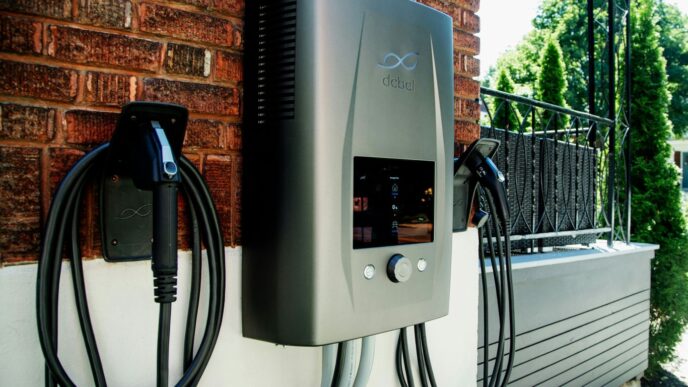
- Shift Your Usage: Try to run high-energy appliances like your dishwasher, washing machine, or dryer during off-peak hours. Even charging your electric vehicle overnight can save you a good chunk of change.
- Understand Your Bill: Look at your Con Edison bill to see if they offer TOU rates and what the specific peak and off-peak times are for your area. This information is usually in the fine print or on their website.
- Smart Home Devices: Smart plugs and appliances can be programmed to operate automatically during cheaper periods, taking the guesswork out of it for you.
Exploring Energy Storage Solutions
This might sound a bit high-tech, but energy storage, like home battery systems, is becoming more accessible. Think of it as a way to store electricity when it’s cheap and use it when it’s expensive, or even during a power outage.
- Peak Shaving: You can charge a battery system during off-peak hours and then use that stored energy to power your home during peak hours, effectively reducing your reliance on the grid when prices are highest.
- Backup Power: Beyond just saving money, these systems can provide a reliable source of electricity if the grid goes down, which is a nice peace of mind, especially during storms.
- Grid Services: In some cases, you might even be able to earn money by allowing your battery system to send power back to the grid during times of high demand. It’s a bit more involved, but it’s an option to look into if you’re really serious about managing costs and potentially earning revenue.
Business Preparedness for Con Edison Rate Hikes
Okay, so Con Edison is looking at raising prices again, starting in 2026. For businesses, this isn’t just a small bump; it can really affect the bottom line. You can’t exactly stop the utility company from asking for more money, and the Public Service Commission usually approves some of it. But there are definitely things you can do to soften the blow.
Conducting an Energy Procurement Review
First off, take a good look at how you’re currently buying your energy. Do you have a plan? If not, now’s the time to make one. This means figuring out when your business uses the most power and trying to lock in better rates. It’s like shopping around for the best deal, but for electricity and gas. You might even find opportunities to buy energy when prices are lower on the market.
Implementing Demand Management Strategies
This is all about managing when you use the most energy. Think about "peak hours" – those times when everyone is using power, and it costs more. If you can shift some of your energy use to off-peak times, you’ll save money. Some businesses even get paid to reduce their energy use during these peak times through "demand response programs." It sounds complicated, but it’s basically about being smarter with your energy.
The Value of Hiring an Energy Broker
Honestly, dealing with energy contracts and markets can be a headache. That’s where an energy broker comes in. These folks know the ins and outs of the energy world. They can help you find the best rates, understand complex contracts, and even negotiate better terms than you might get on your own. It’s an investment, sure, but it could save your business a lot of money in the long run, especially with these upcoming price changes.
Customer Assistance and Affordability Programs
It’s no secret that energy bills have been climbing, and for many folks, especially those on a fixed income, it’s becoming a real struggle to keep up. Con Edison does have some programs in place aimed at helping customers who are having a tough time paying their bills. They’ve put aside a good chunk of money, over $300 million last year alone, to offer discounts to customers who qualify based on their income. The idea is to ease the burden a bit, but honestly, whether these programs are enough to truly offset the rising costs is a big question mark for a lot of people.
Available Con Edison Financial Aid
Con Edison offers several programs designed to help customers manage their energy expenses. These aren’t just blanket discounts; they’re targeted to assist those who need it most. To see if you qualify, you’ll typically need to meet certain income guidelines. The utility provides information on their website about specific programs, but it’s always a good idea to call them directly to discuss your situation.
- Low Income Programs: These offer direct discounts on your monthly energy bill for eligible households. The percentage of the discount can vary.
- Payment Arrangements: If you’re behind on payments, Con Edison might be able to set up a payment plan to help you catch up without facing immediate shut-off.
- Energy Efficiency Assistance: Sometimes, help comes in the form of making your home more energy-efficient, which can lower your bills in the long run. This might include free or low-cost upgrades.
Concerns Regarding Program Effectiveness
While these assistance programs exist, there’s a lot of talk about whether they’re truly making a dent in the affordability crisis. We’ve seen reports of hundreds of thousands of customers receiving termination notices and thousands actually having their service shut off, even with these programs available. It makes you wonder if the aid provided is just a drop in the bucket compared to the actual cost increases. Many feel that the assistance doesn’t quite match the scale of the problem.
Expert Opinions on Affordability Challenges
Experts and community leaders have voiced worries that even with Con Edison’s efforts, the rising energy costs are pushing families to make tough choices. Some argue that the utility’s investments in infrastructure, while necessary for things like clean energy goals and grid upgrades, are being passed on to consumers at a rate that’s hard to bear. When utility bills go up significantly, it means less money for other essentials like food, medicine, or childcare. It’s a balancing act, and right now, it feels like many New Yorkers are on the losing end of that equation.
Looking Ahead
So, the Con Edison price changes are coming in 2026, and yeah, it’s a bit of a bummer. It looks like rates are going up, but maybe not as much as first feared, thanks to some back-and-forth. Still, higher bills are on the way. The big picture is that upgrades for cleaner energy cost money, and that cost gets passed down. What can you do? Well, you’ve got time to look at how you use energy. Small changes at home or for your business can add up. And if you’re a business owner, talking to an energy expert might be a smart move to figure out the best way to handle these new costs. It’s not ideal, but being prepared is half the battle.