Understanding the Evolving Electric Vehicle Inventory
It feels like just yesterday electric cars were a bit of a novelty, right? Now, they’re really starting to show up everywhere. If you’ve been on the fence, maybe because you were worried about how far they could go or if you’d find a charger, things have changed a lot. The electric vehicle landscape in 2026 is way more developed and offers more choices than ever before. Automakers are putting out new models constantly, and the tech inside them is getting better all the time.
Advancements in Battery Technology
Remember when range anxiety was the big buzzword? Well, battery tech has made some serious strides. We’re seeing batteries that can hold more power, meaning you can drive further on a single charge. Plus, they’re getting lighter and smaller, which is good for the car’s overall design. Some of the fancier models are even starting to use new types of batteries, like solid-state ones, which promise even more miles and quicker charging. It’s pretty wild how fast this is all moving.
Expanded Model Offerings for 2026
This year is a big one for new electric cars. Seriously, there’s something for almost everyone now. You can find electric versions of:
- Compact city cars perfect for zipping around town.
- Family-friendly SUVs that give you more space and a higher driving position.
- Performance sedans that are surprisingly quick off the line.
- Even trucks are starting to get in on the electric action.
Automakers are really filling out their lineups, adding new trims and features to existing popular models too. It’s not just a few niche vehicles anymore; it’s a whole spectrum of options.
The Growing Electric Vehicle Market
It’s not just about the cars themselves; the whole ecosystem around EVs is growing. More charging stations are popping up, and the technology to manage charging is getting smarter. You’ll also find that more dealerships are stocking EVs, and the people working there are getting more familiar with them. This means it’s becoming easier to research, test drive, and ultimately buy an electric vehicle. The market is definitely maturing, and that’s good news for anyone considering making the switch.
Navigating Charging Infrastructure and Range

Okay, so you’re thinking about an electric car in 2026. That’s cool. But before you get too excited about all the new models, let’s talk about the practical stuff: charging and how far these things can actually go on a single charge. It’s not as complicated as it might seem, but it’s definitely something to think about.
Improvements in Public Charging Networks
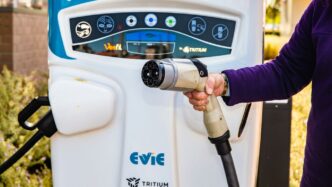
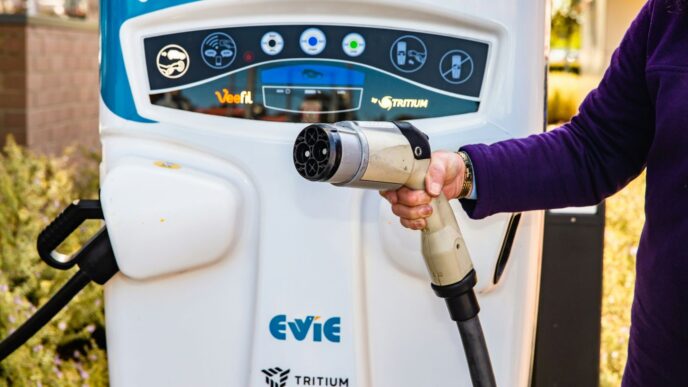
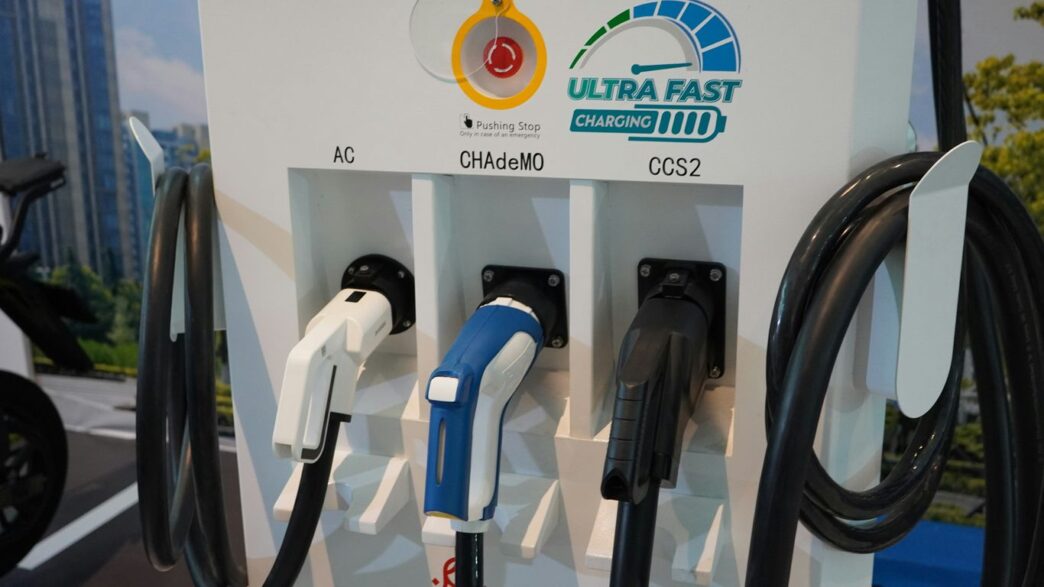
Remember when finding a charger felt like a treasure hunt? Well, things have gotten a lot better. The public charging network has really grown. We’re talking tens of thousands of charging points across the country now, and a good chunk of those are the fast kind – the ones that can add a decent amount of range in the time it takes to grab a coffee. Plus, paying is usually simpler these days, with many stations letting you just tap a card or use your phone. It’s not perfect everywhere, but it’s a big step up from just a few years ago.
Assessing Real-World EV Range
This is a big one for most people. The advertised range is one thing, but what you actually get can depend on a few things. Your driving style, the weather, and even the terrain can affect how far you can go. If you’re mostly doing city driving with lots of stop-and-go, you might get more miles than if you’re constantly cruising at high speeds on the highway. Also, cold weather tends to reduce battery performance a bit. Most new EVs in 2026 can easily go over 300 miles on a full charge, which is plenty for most daily commutes and even longer trips with a planned stop. It’s worth looking at reviews and real-world tests for the specific models you’re interested in to get a clearer picture.
Home Charging Solutions
For a lot of EV owners, charging at home is the most convenient option. You can get a special home charger, often called a wallbox, installed. This is way faster than just plugging into a regular wall outlet. Think of it like this: you plug in when you get home, and by morning, your car is fully charged and ready to go. It’s super simple and means you start each day with a ‘full tank’. You can even set it up to charge during off-peak electricity hours, which can save you a bit of money on your energy bill. If you live in an apartment or don’t have a dedicated parking spot, you’ll want to check out what public charging options are available near your home or work.
Key Considerations for Electric Vehicle Buyers
So, you’re thinking about going electric in 2026? That’s awesome. It feels like there are more EVs on the road every day, and honestly, they’re pretty cool. But before you sign on the dotted line, there are a few things to chew on. It’s not quite like buying a regular gas car, so let’s break down what you really need to think about.
Buying Versus Leasing Electric Vehicles
This is a big one, and it’s not just about EVs. Do you want to own it outright, or would you rather just pay to use it for a few years? Buying means it’s yours, you can do whatever you want with it, and you build equity. But, you’re on the hook for everything, and when you want a new car, you have to sell this one. Leasing is often cheaper month-to-month, and you usually get a new car every few years with the latest tech. The downside? You can’t drive as much as you want, you can’t customize it, and at the end of the lease, you just hand it back. For many people, especially with how fast EV tech is changing, leasing can be a smart way to try out electric without a huge long-term commitment.
Here’s a quick look at the trade-offs:
- Buying:
- Builds ownership equity.
- No mileage limits.
- Can customize the vehicle.
- Higher upfront costs and monthly payments usually.
- Responsible for selling when done.
- Leasing:
- Lower monthly payments.
- Drive a new car more often.
- Warranty usually covers most of the lease term.
- Mileage restrictions apply.
- No ownership equity.
- Can’t modify the car.
Understanding EV Technology Integration
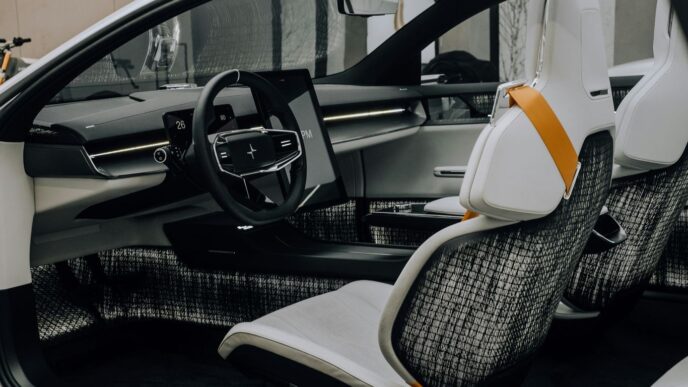
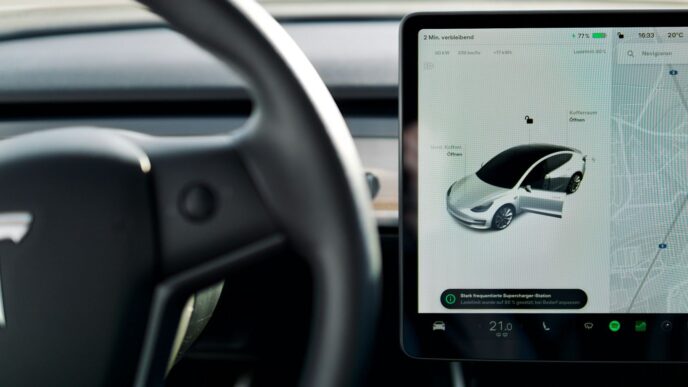
EVs are basically computers on wheels. They’ve got fancy screens, lots of software, and sometimes, features that feel a bit futuristic. When you’re looking at a car, especially a used one, make sure you’re comfortable with the tech. Can you figure out the infotainment system? Does the driver-assist stuff make sense to you? Some EVs get software updates over the air, kind of like your smartphone, which is neat. Others might need dealer visits for updates or fixes. It’s worth asking about how the car gets its updates and if there have been any major software glitches reported.
Incentives and Ownership Costs
Okay, let’s talk money. New EVs often come with government tax credits or rebates, which can knock a surprising amount off the sticker price. These change, so you’ll want to check what’s available in your area for 2026. Then there are the running costs. Electricity is usually cheaper than gas, and EVs have fewer moving parts, meaning less maintenance. No oil changes, for starters! But, tires can wear a bit faster due to the weight and instant torque. And if something does go wrong with the battery down the line, that can be a big repair bill. So, while the day-to-day running might be cheaper, it’s good to have a realistic picture of potential long-term costs, especially if you’re looking at a used model where the original warranty might be running out.
Exploring New Electric Vehicle Models
Alright, let’s talk about the shiny new electric cars hitting the lots in 2026. It feels like every week there’s a new EV announcement, and honestly, it can be a bit much to keep track of. But the good news is, there’s a lot more variety now than just a couple of years ago. Whether you’re looking for something zippy for the city or a more practical ride for the family, there’s probably something out there for you.
Performance-Oriented Electric Vehicles
If you thought electric cars were all about being slow and boring, think again. Automakers are really pushing the envelope with performance EVs. We’re seeing some seriously quick machines that can rival, and even beat, their gasoline-powered counterparts off the line. These aren’t just straight-line rockets, either; many are being designed with sporty handling in mind, making them genuinely fun to drive on twisty roads.
- Peugeot E-208 GTi: This one’s bringing back the iconic GTi badge, but this time it’s all-electric. Expect around 280 horsepower, a 0-60 mph time under 6 seconds, and a decent range of over 200 miles. It’s a hot hatch revival, electric style.
- Hyundai Ioniq 6 N: Hyundai is serious about performance with this one. It’s a powerful electric sports sedan with around 650 horsepower, designed with track-focused dynamics. It’s slated for a Spring 2026 arrival.
Practical Electric Crossovers and Hatchbacks
Beyond the performance models, there’s a huge push for EVs that fit into everyday life. Crossovers and hatchbacks are where a lot of the action is, offering that blend of practicality and electric power that many buyers are looking for. These are the vehicles that are making EVs a more realistic option for more people.
- Leapmotor B03X: This compact electric crossover is aiming to compete with popular models like the Ford Puma Gen-E. It’s expected to offer around 250 miles of range and should be quite affordable, hitting showrooms in the latter half of 2026.
- Jeep Recon: For those who want to go off-road with zero emissions, the Recon is Jeep’s first all-electric SUV. It’s designed to keep that classic Jeep spirit, complete with removable doors and roof. Look for it in late 2026.
- Renault Twingo E-Tech Electric: This little city car is making a comeback as an EV. It’s got that cute, retro look and is expected to be very budget-friendly, with a range around 160 miles. It’s due out later in 2026.
Updates and Facelifts to Popular EVs
It’s not just about brand-new models; many of the EVs that have already proven popular are getting significant updates for 2026. Manufacturers are listening to feedback and making improvements to everything from interior tech to driving dynamics. This means even established models are worth a second look.
- MG4 Facelift: The well-regarded MG4 hatchback is getting a refresh. Expect a better touchscreen, actual buttons for climate control (thank goodness!), nicer interior materials, and some styling tweaks.
- MG4 Urban: On top of the facelift, MG is introducing a new entry-level Urban version of the MG4. It’s built on a different platform, has a longer wheelbase for more space inside, and a bigger boot.
The sheer number of new and updated EVs means buyers have more choices than ever before, making it easier to find an electric vehicle that fits your specific needs and budget.
Evaluating Used Electric Vehicle Options
Thinking about a used electric car? It’s a smart move for saving money and still getting into the EV game. But, let’s be real, buying a used EV isn’t quite like picking up a used gas car. There are some specific things you’ll want to check out to make sure you’re getting a good deal and avoiding future headaches. The battery is the big one, of course, since it’s the most expensive part. You’ll also want to look at how it charges, its history, and any tech features.
Assessing Battery Health in Pre-Owned EVs
The battery is the heart of any electric vehicle, and in a used one, its condition is super important. You can’t just pop the hood and check it like an engine. You’ll want to ask for a battery health report or a diagnostic test from the seller or dealership. Many EVs have built-in systems that can show you the battery’s current capacity and how many charge cycles it’s been through. Also, try to find out how the car’s range has changed over time. A battery that’s holding up well will still offer a decent amount of miles on a full charge, close to what it had when it was new, especially if it’s only a few years old. Keep in mind that batteries typically last a good long while, often 8 to 15 years, and usually retain a good chunk of their original power even after several years of use.
Checking Service Records and Modifications
Just like any car, a used EV’s past maintenance matters. Ask for any service records that are available. This shows you if the car has been looked after properly. Were there any major repairs? Were scheduled check-ups missed? For EVs, it’s also worth asking about any software updates that might have been done. Sometimes, older models might miss out on newer tech features if they haven’t been updated. Also, be a bit wary of aftermarket modifications. While some might be fine, others could potentially cause issues down the line or even void any remaining warranty. It’s best to stick with cars that have a clean history and haven’t been messed with too much.
Identifying Potential Red Flags
When you’re looking at a used EV, keep an eye out for a few warning signs. Battery problems are a big one – if the battery seems to be losing charge too quickly or doesn’t hold power like it should, that’s a major concern. You might also notice software glitches, like screens that lag or features that don’t work right. Always check the vehicle’s history report for any accidents or flood damage, as this can seriously affect the electrical systems. Overheating signs, especially if the car has spent a lot of time in hot climates, can also indicate a stressed battery. If a car has a salvage title or has had unapproved modifications, it’s usually best to walk away. These issues can lead to costly repairs later on.
Wrapping It Up
So, buying an electric car in 2026 looks pretty good. There are way more options out there now, from fancy new models to decent used ones that won’t break the bank. Plus, charging up is getting easier, and the batteries just keep getting better, meaning less worry about where you’re going to plug in and how far you can actually go. It’s definitely worth taking a look if you’ve been on the fence. Just remember to check out battery health on used models and see what incentives might still be around. It feels like the right time to make the switch if you’ve been thinking about it.