
Hey everyone! So, 2025 is just around the corner, and if you’re wondering about what’s happening with electricity prices, you’re in the right place. Things have been a bit wild lately, with prices going up and down, and a lot of talk about new tech and what’s going on in the world. This article is all about breaking down the electricity price forecast for 2025, looking at the big picture globally, and then zooming in on the US and Europe. We’ll also chat about what’s causing these changes and what it means for you, especially if you run a business. Let’s get into it!
Key Takeaways
- Expect electricity prices to climb globally in 2025, influenced by rising demand and the ongoing shift to cleaner energy sources, though renewable energy growth will play a big role.
- In the US, higher natural gas prices and increased capacity costs in certain regions are likely to push electricity prices up.
- Europe’s electricity prices might stabilize a bit but will likely stay higher than before, with ongoing concerns about gas supplies and a focus on renewable energy investments.
- Several big things are affecting prices: more demand from homes and industries, global events and policy changes, and the general cost of raw materials like natural gas.
- New technologies like AI, data centers, and electric vehicles are using more power, and energy storage is becoming super important to handle these changes.
Global Electricity Price Forecast 2025: Key Trends
Alright, let’s talk about what’s happening with electricity prices around the world as we head into 2025. It’s not exactly a simple picture, but there are definitely some big movements to keep an eye on.
Projected Rise In Global Electricity Prices
So, the general vibe for 2025 is that electricity prices are likely to creep up a bit globally. Think of it like this: more people and more industries are needing power, and we’re still trying to shift how we get that power. This increased demand, coupled with the ongoing changes in energy sources, is pushing prices in an upward direction. It’s not a massive jump everywhere, but it’s a noticeable trend.
Impact Of Renewable Energy Growth
Now, you might think more renewables means cheaper power, and often that’s true in the long run. Solar and wind are really stepping up, and they’re going to cover a big chunk of the new electricity demand. That’s good news for the planet and can help keep costs from going totally wild. However, getting all that new renewable energy hooked up to the grid is a whole other story. We need to upgrade our power lines and infrastructure to handle it, and that costs money. So, while renewables are growing fast, the investment needed to support them is also a factor in the overall price.
Challenges In Grid Infrastructure Investment
This is a big one. Our current electricity grids weren’t really built for a world powered by lots of solar panels and wind turbines that aren’t always producing power. They’re great for getting power from a few big plants, but not so much for managing power coming from thousands of smaller, intermittent sources. So, we’re looking at a significant need for investment to modernize these grids. This includes things like better energy storage solutions and smarter grid management systems. Without these upgrades, integrating all that clean energy becomes a bottleneck, and that can lead to price instability and higher costs as we try to keep the lights on reliably.
United States Electricity Price Outlook 2025
Surge In Natural Gas Prices
Get ready for some sticker shock when it comes to natural gas prices in the U.S. for 2025. We’re looking at a pretty significant jump, with forecasts suggesting prices could climb by about 44% compared to last year. Think of it like this: if you were paying around $2.22 per million British thermal units (mmBtu) on average in 2024, you might be looking at closer to $3.20 per mmBtu in 2025. This isn’t just a random fluctuation; it’s being driven by a couple of big things. For starters, the U.S. is exporting more liquefied natural gas (LNG), which tightens up the domestic supply. Plus, more natural gas is being used right here at home to generate electricity. Some potential policy changes around fracking could also add to the pressure, making supply a bit more uncertain. So, yeah, expect your natural gas bills to feel the pinch.
Capacity Price Hikes In Key Regions
This is a big one, especially if your business operates in areas covered by PJM. PJM is a massive regional transmission organization that manages the power grid for a large chunk of the Mid-Atlantic and Midwest. They recently held an auction for electricity supply for the 2025/2026 delivery year, and the results were eye-opening. Capacity prices are set to skyrocket, potentially increasing by nearly ten times what they were before. Why such a massive jump? It’s a perfect storm of factors: demand for electricity is growing, some older power plants are shutting down, and the grid itself is facing some limitations. This means businesses in PJM’s territory – think states like Illinois, Michigan, New Jersey, Ohio, Pennsylvania, and others – are likely to see a noticeable increase in their electricity costs.
Factors Driving U.S. Electricity Costs
So, what’s really pushing electricity prices up across the U.S.? It’s not just one single culprit, that’s for sure. It’s more like a mix of different things happening all at once.
- Demand is Outpacing Supply: In many areas, more electricity is simply being asked for than is readily available. This basic economic principle naturally drives prices up.
- Grid Modernization and Investment: We’re seeing a lot of investment going into upgrading and modernizing our electricity grid. While this is necessary for reliability and to handle new energy sources, these upgrades come with a cost that eventually gets passed on.
- Extreme Weather Impacts: Believe it or not, things like wildfires and hurricanes can disrupt power generation and transmission, leading to higher costs to restore service and build more resilient infrastructure.
- Fossil Fuel Price Volatility: Even though we’re moving towards renewables, natural gas and other fossil fuels still play a big role in electricity generation. When their prices swing wildly, it directly impacts the cost of electricity.
- New Demand Centers: The rise of data centers, especially those powering AI technologies, is creating significant new demand for electricity in specific regions, putting additional strain on local grids and contributing to price increases.
It’s a complex picture, and understanding these different pieces helps explain why electricity bills are trending upwards.
European Electricity Market Dynamics 2025
Stabilizing But Elevated Prices
After a pretty wild ride in 2024, Europe’s electricity prices are expected to settle down a bit in 2025. Don’t get too excited though, they’re still going to be higher than what we’ve gotten used to in past years. Think of it as a new normal, not quite back to the old days. This stabilization is partly thanks to efforts to manage supply and demand, but the underlying costs haven’t magically disappeared.
Ongoing Gas Supply Concerns
Even with prices settling, the shadow of natural gas supply hangs over the European market. Remember all the issues with Russian gas? That’s still a factor. While Europe has been busy finding new sources and building up reserves, any hiccup in global gas markets can still send ripples through electricity prices. It means we’re not entirely out of the woods yet, and keeping an eye on gas flows remains important.
Renewable Energy Investments As Mitigation
One of the biggest bright spots is the continued push into renewable energy. Countries across Europe are pouring money into solar, wind, and other green sources. This isn’t just about climate goals; it’s a smart move to reduce reliance on volatile fossil fuel markets and, hopefully, bring down electricity costs in the long run. It’s a bit of a race against time, but the investment is definitely picking up steam.
Factors Influencing The Electricity Price Forecast 2025
So, what’s really pushing electricity prices around as we head into 2025? It’s not just one thing, that’s for sure. Think of it like a big pot of stew – lots of ingredients go in, and they all affect the final taste.
Rising Consumer and Industrial Demand
We’re seeing a general uptick in how much electricity people and businesses are using. For households, it might be more gadgets or heating/cooling needs. On the industrial side, things like manufacturing picking up or new, power-hungry operations are adding to the load. This increased demand, plain and simple, puts more pressure on the system, which can lead to higher prices. It’s basic supply and demand, really. When more people want something, and the supply can’t keep up instantly, the price tends to go up.
Geopolitical Events and Policy Shifts
What happens in other parts of the world can definitely shake up our energy bills. Think about international relations, trade issues, or even conflicts. These can disrupt the flow of energy resources, like natural gas or coal, which are used to generate a lot of our electricity. Plus, governments are always tweaking rules and regulations. New policies about emissions, renewable energy targets, or even how energy markets are structured can have a ripple effect on prices. It’s a complex web, and these external factors are hard to predict but can cause significant price swings.
Underlying Commodity Price Volatility
Electricity doesn’t just appear out of thin air; it often starts with other raw materials. The cost of natural gas, coal, and even oil plays a big role. If the price of natural gas suddenly jumps – maybe because of supply issues or increased demand for heating – you can bet that the cost to generate electricity using gas will also go up. This volatility in the prices of these basic commodities is a constant factor that analysts watch closely when trying to figure out where electricity prices are headed.
The Role Of Emerging Technologies In 2025 Energy Prices
Accelerated Demand From Data Centers And AI
So, get this: the way we use electricity is changing, and fast. A big part of that is all the new tech stuff, especially with data centers and artificial intelligence. These things need a ton of power, way more than we might think. We’re talking about electricity demand going up quite a bit just because of these centers. It’s not just a little bump; it’s a significant increase that analysts are watching closely.
Impact Of Electric Vehicle Adoption
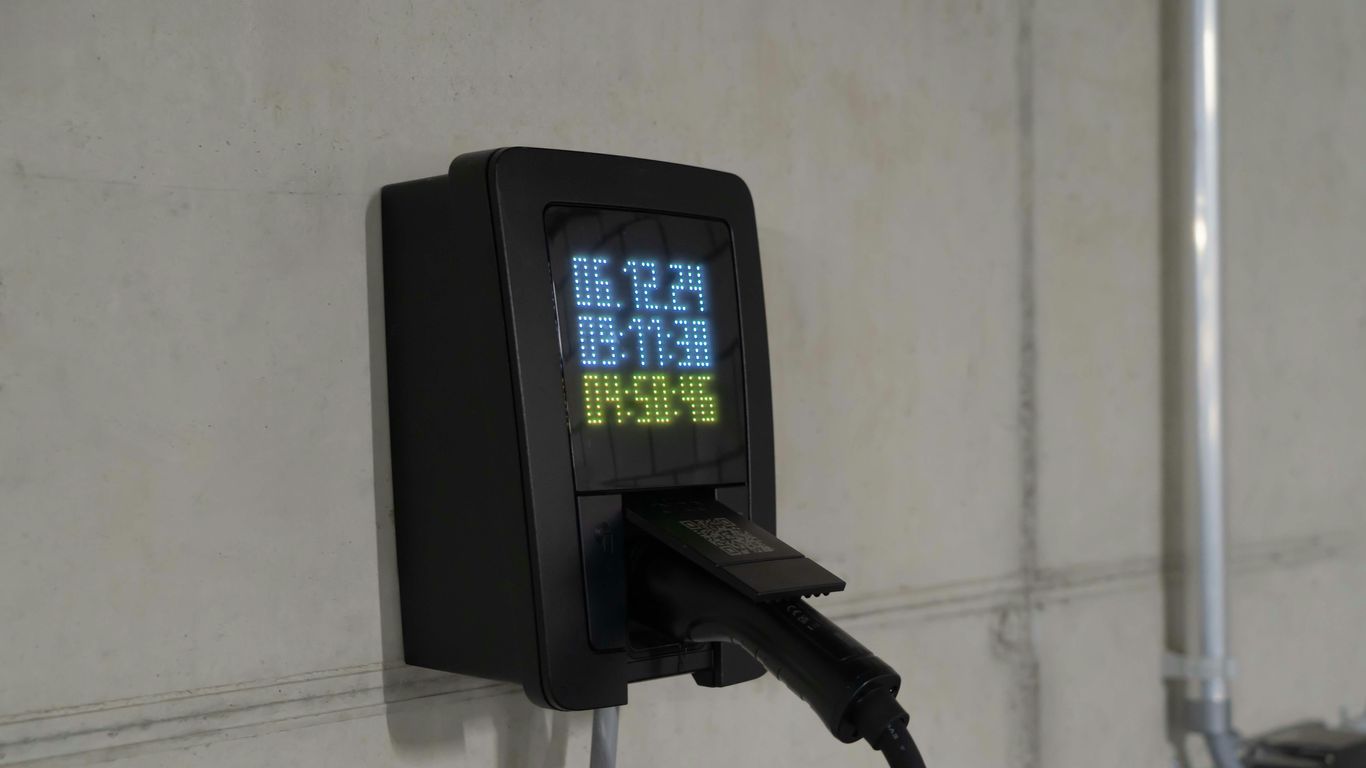
Then there are electric cars. More and more people are switching to EVs, which is great for the environment, but it also means more demand on the power grid. Think about everyone plugging in their cars at night – that’s a lot of extra electricity needed. While it’s a positive shift, it adds another layer to the electricity price puzzle for 2025.
Energy Storage Systems As A Critical Component
Now, here’s where things get interesting. With more renewables like solar and wind coming online, which don’t always produce power when we need it, we’ve got a challenge. That’s where energy storage systems, like big batteries, become super important. They can store excess power when it’s sunny or windy and release it when it’s not. This ability to balance supply and demand is going to be key to keeping electricity prices more stable, even with all these new demands and renewable sources.
Here’s a quick look at what’s driving this increased demand:
- Data Centers & AI: Expected to consume significantly more electricity, potentially doubling their usage by the end of the decade.
- Electric Vehicles (EVs): Millions of new EVs hitting the road will add to the overall electricity load.
- Industrial Electrification: Some industries are moving away from fossil fuels and towards electricity, adding to demand.
These technologies are changing the game, and how we manage them will really shape what we pay for electricity in 2025.
Navigating Business Energy Costs In 2025
Alright, so 2025 is shaping up to be a year where businesses really need to pay attention to their energy bills. Prices are looking like they’ll keep climbing, and frankly, it’s not just one thing causing it. We’re seeing a mix of higher demand, especially with all the talk about AI and data centers, plus the ongoing shift in how we get our power. It can feel a bit overwhelming, but there are definitely smart ways to handle it.
Proactive Energy Management Strategies
This is where you get ahead of the game. Instead of just reacting when the bill comes in, think about what you can do now. It’s about understanding your energy use inside and out. Are there times of day when you use way more power than you need? Can you shift some operations to off-peak hours? Looking at your contracts is also a big one. Sometimes, just renegotiating or understanding the terms can make a difference. It’s not about being a whiz with numbers, but about being aware and making small, smart changes.
Procurement Planning And Hedging
This sounds complicated, but it’s really about planning your purchases. Think of it like buying groceries – you wouldn’t just buy whatever’s on sale without a plan, right? For energy, this means looking at longer-term contracts. Locking in a price now, even if it seems a little higher than today’s spot price, can protect you from those big jumps we’re expecting. Hedging is a bit like insurance; it’s a way to set a maximum price you’ll pay, giving you peace of mind. It’s a good idea to talk to an energy advisor to figure out what makes sense for your specific business size and needs.
Investing In Energy Efficiency And Renewables
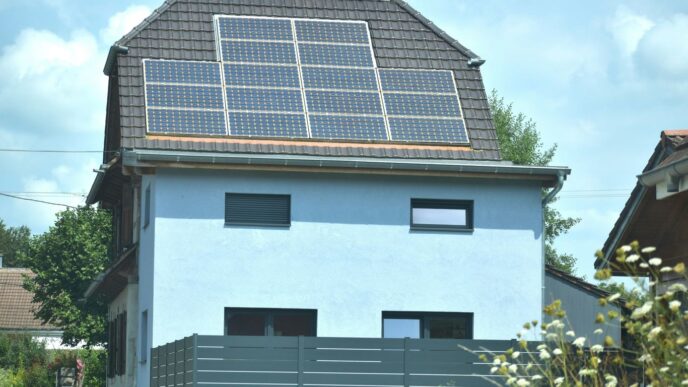
This is a two-pronged approach that pays off in the long run. First, energy efficiency. It’s about making sure you’re not wasting power. Simple things like upgrading to LED lighting, making sure your insulation is up to par, or even just training staff to turn off lights and equipment when not in use can add up. Then there are renewables. Putting solar panels on your roof, for example, might seem like a big upfront cost, but it can significantly reduce your reliance on the grid and, therefore, your monthly bills. Plus, there are often incentives and rebates available that can help offset the initial investment. Over time, these investments can lead to substantial savings and a more stable energy cost picture.
Looking Ahead: What 2025 Holds for Energy Prices
So, as we wrap things up, it’s pretty clear that 2025 isn’t going to be a simple year for energy prices. We’re seeing a mix of things pushing costs up, like more demand for electricity, especially with AI and EVs, and some regions dealing with tight supply. Europe’s prices might settle a bit but will likely stay high. For businesses and folks at home, this means it’s smart to think ahead. Looking into ways to use less energy, maybe locking in prices if you can, or even checking out solar panels could make a real difference. Staying on top of these changes and planning now is the best way to handle whatever 2025 throws our way with energy costs.