Okay, so 2026 is here, and the way brands work with people online is still changing. It’s not just about getting a big name to shout about your product anymore. Things are way more complicated now. We’ve got to think about who these influencers really are, if people trust them, and if they’re even on the right platforms. Plus, with all the new tech and rules, it’s a whole new ballgame. Let’s break down some of the biggest influencer marketing challenges we’re facing this year.
Key Takeaways
- Keeping it real is a big deal. People want to see genuine connections between influencers and their followers, not just paid ads. Brands need to make sure sponsored content feels honest and is clearly marked.
- Creator scandals can pop up fast. Having plans in place to deal with problems, like bad behavior from influencers, is super important. Contracts need to protect brands, and you have to know when a small mistake is different from a major issue.
- Where people watch content is changing. Short videos are huge, and brands can’t just stick to the old social media sites. Plus, with privacy getting more attention, reaching people is getting trickier.
- It’s not always about having millions of followers. Smaller influencers, who really know their stuff and have a dedicated group of fans, can be way more effective, especially for specific industries.
- Figuring out if your influencer campaigns are actually working is getting serious. We need to look past simple likes and views and use smarter tools, like AI, to see what’s really happening and if people are actually buying things.
Navigating Authenticity and Trust in Influencer Marketing
Okay, so let’s talk about authenticity. It’s kind of the big deal in influencer marketing right now, especially as we head into 2026. People are tired of seeing ads everywhere, and they’re looking for real connections. They want to hear from people they actually feel like they know, not just some faceless brand.
The Imperative of Genuine Creator-Audience Connections
This is where the magic happens, or doesn’t. When an influencer genuinely likes and uses a product, it shows. Their audience picks up on that vibe. It’s like when your friend tells you about a great new restaurant – you’re way more likely to try it because you trust their taste. The same applies here. Building that real connection is the whole point. It’s not just about follower counts anymore; it’s about how much people actually listen to what the creator says. A 2025 Nielsen study showed that people trust influencer recommendations almost as much as they trust their friends. That’s huge! It means the relationship between a creator and their followers is super important for brands.
Combating Deceptive Practices and Maintaining Credibility
But here’s the tricky part: trust is fragile. Audiences are pretty smart these days. They can spot a fake from a mile away. If an influencer is pushing a product they clearly don’t care about, people notice. Engagement drops, and suddenly, the brand looks bad too. So, brands really need to do their homework. Check if the creator’s values actually match the brand’s. Do they walk the walk? Do their past actions line up with what they say? People are digging into this stuff more and more and calling out fakes. It’s important to look at things like audience demographics and past brand deals before you commit to a partnership. Tools can help spot fake followers, and looking at comments can show if people are actually talking to the creator or just spamming.
Ensuring Transparent Sponsored Content Disclosures
And then there are the disclosures. You know, the little #ad or #sponsored tags. These need to be super clear. If they’re buried somewhere or written in tiny print, it feels like the creator is trying to hide something. That kills trust. Being upfront about sponsored content actually builds more trust because it shows you’re not trying to trick anyone. It’s like being honest with a friend – it makes the relationship stronger. The FTC has rules about this, and breaking them can cause big problems for both the influencer and the brand. Clear disclosures are just good business and good ethics, plain and simple. It’s about being honest with the people who follow you and the people who buy from you. You can find more information on ethical marketing practices here.
Mitigating Risks in the Evolving Creator Economy
Developing Robust Crisis Management Protocols
Things can go sideways fast in the creator world. One minute you’re high-fiving over a successful campaign, the next your brand is tied to a creator’s public meltdown. It’s not really about if a crisis will happen, but when. Having a plan ready before something blows up is key. This means figuring out who does what, what you’ll say, and how quickly you need to react. Think about different scenarios: a creator gets into a public fight, says something that clashes with your company’s values, or starts spreading bad information. You need pre-approved statements for your customers and employees, just in case.
Strategic Contractual Safeguards Against Misconduct
Your contracts are more than just paperwork; they’re your safety net. Make sure they clearly state what happens if a creator does something that seriously hurts your brand’s image. What kind of behavior is a deal-breaker? Define it. Also, include how you’ll let them know if you need to end the partnership and what the process is. This isn’t about controlling creators, but about protecting your brand’s reputation and making sure everyone is on the same page about expectations and consequences. A well-written contract can save you a lot of headaches down the road.
Differentiating Between Minor Lapses and Major Scandals
Not every slip-up is a full-blown scandal. Sometimes creators make mistakes, say the wrong thing, or have a bad day. It’s important to be able to tell the difference between a minor issue that can be worked through and a major problem that requires immediate action. A quick, knee-jerk reaction might seem like the easy way out, but sometimes supporting a creator through a genuine misunderstanding can actually build a stronger, more loyal relationship. You’ll need to look at each situation individually and decide if it’s a teachable moment or a relationship-ending event.
Adapting to Platform Shifts and Content Evolution
The digital world moves fast, and what worked last year might not cut it today. For influencer marketing in 2026, staying on top of where content is happening and how people are consuming it is a big deal. It’s not just about picking the biggest platform anymore; it’s about being smart with where you show up and what kind of content you put out there.
Leveraging the Power of Short-Form Video Content
Look, short-form video isn’t going anywhere. Platforms like TikTok and Instagram Reels have completely changed the game. People’s attention spans are shorter, and they want quick, engaging content. This means brands need to get comfortable with creators making videos that are fun, fast-paced, and feel super authentic. Think less polished, more real. The key here is grabbing attention in the first few seconds. If you don’t hook them early, they’re gone. It’s all about watch time and keeping people engaged until the very end. This is why brands are seeing great results on TikTok and similar platforms.
- Hook them fast: The first 1-3 seconds are critical.
- Use trending audio: It helps with discoverability.
- Keep it real: Authenticity beats high production value.
- Encourage interaction: Duets, stitches, and comments boost engagement.
Diversifying Platform Strategies Beyond Traditional Channels
While TikTok and Instagram Reels are huge, relying on just one or two platforms is risky. The digital landscape is always shifting. What if an algorithm changes, or a new platform pops up? Smart brands are looking beyond the usual suspects. This could mean exploring platforms like Twitch for gaming-related content, Pinterest for visual discovery, or even LinkedIn for B2B influencers. It’s about finding where your specific audience hangs out and meeting them there. Don’t put all your eggs in one basket, you know?
Understanding the Impact of Privacy-Focused Browsers
This is a bit more technical, but it matters. With more people using privacy-focused browsers and tools, tracking user behavior is getting harder. This affects how we measure campaign success and how ads are targeted. For influencer marketing, it means we need to rely more on the direct connection between a creator and their audience, rather than just third-party data. It pushes us towards more authentic partnerships where the creator’s word and their audience’s trust are the main drivers of success. We have to think about how we gather information and respect people’s privacy more than ever.
The Rise of Niche Expertise and Micro-Influencers
Forget chasing those mega-influencers with millions of followers for a second. In 2026, the real magic often happens in the smaller, more focused corners of the internet. We’re talking about creators who might not have a massive audience, but the people who do follow them are really, really into what they have to say. It’s all about finding that sweet spot where genuine connection meets specific interest.
Prioritizing Audience Resonance Over Follower Count
It used to be all about the numbers, right? Big follower counts meant big reach. But that’s changing. Now, brands are looking at how much their audience actually listens and acts. A creator with 10,000 followers who gets 10% engagement on their posts is way more interesting than someone with 100,000 followers who only gets 1% engagement. It’s like shouting into a crowded room versus having a real conversation with a few interested people. The goal is to find creators whose followers genuinely care about their recommendations, not just scroll past them.
Identifying and Partnering with Micro-Influencers
So, how do you find these micro-influencers? They’re often found in very specific communities. Think about someone who reviews obscure board games, or a home cook who specializes in gluten-free baking, or even a local expert on sustainable gardening. These folks have built trust over time with people who share their passion.
Here’s a quick look at how different influencer tiers stack up:
| Influencer Tier | Follower Range | Typical Engagement Rate | Key Benefit |
|---|---|---|---|
| Nano-Influencer | 1K – 10K | 8% – 15%+ | Deepest trust, community building |
| Micro-Influencer | 10K – 100K | 4% – 8% | High engagement, niche audience |
| Macro-Influencer | 100K – 1M | 2% – 4% | Balance of reach and engagement |
When looking for partners, check out their comments section. Are people asking questions? Are they sharing their own experiences? That’s a good sign. Also, don’t be afraid to ask creators for their audience insights directly. Authentic creators usually have a good handle on who they’re talking to.
Tailoring Strategies for B2B and Specialized Industries
This approach isn’t just for consumer products. In the B2B world, finding an influencer with deep industry knowledge can be gold. Imagine a software developer with a strong following on LinkedIn who talks about coding best practices. Partnering with them to discuss your new development tool makes way more sense than hiring a general tech reviewer. For industries like biotech or healthcare, it’s even more critical to work with credentialed experts who understand the regulations and can speak credibly about research or patient experiences. It’s about finding that specific voice that speaks directly to a specialized audience, building authority and trust in a way that broad marketing campaigns just can’t match.
Leveraging Advanced Analytics and AI for Measurement
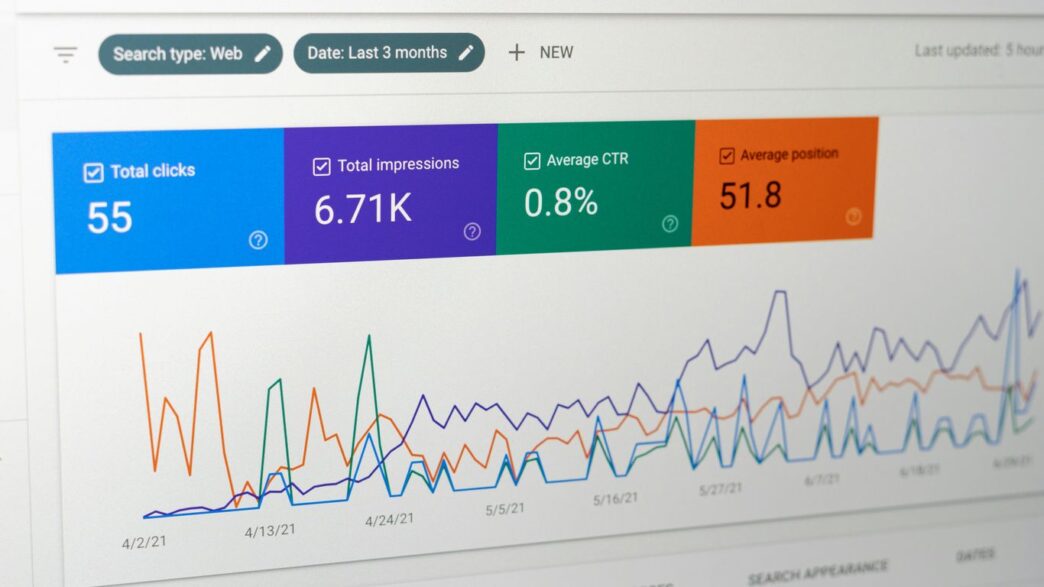
Okay, so we’ve talked about how things are changing in influencer marketing, right? One big area that’s getting a serious upgrade is how we actually measure if these campaigns are working. It’s not just about counting likes anymore, thankfully. We’re talking about getting real numbers that show what’s actually happening.
Moving Beyond Vanity Metrics for True Impact Assessment
Remember when everyone just cared about follower counts and how many people saw a post? Yeah, that’s pretty much old news. Those numbers, often called "vanity metrics," look good on paper but don’t tell you if anyone actually bought anything or cared about the product. We need to look at stuff that actually matters to the business.
Here’s what’s more important:
- Engagement Rate: This is how many people are actually interacting with the content – comments, shares, saves. It shows if the audience is paying attention.
- Click-Through Rate (CTR): How many people clicked on a link in the post? This tells us if the influencer convinced people to learn more.
- Conversion Rate: This is the big one. Did people actually do what we wanted them to do, like buy something or sign up for a newsletter, after clicking the link?
- Return on Ad Spend (ROAS): This is the ultimate measure. How much money did we make compared to how much we spent on the campaign? It’s the bottom line.
Honestly, focusing on these real-world results makes a huge difference. Campaigns that pay attention to engagement, for example, tend to get way more actual buyers than ones that just chase big numbers.
Utilizing AI for Precise Campaign Performance Tracking
This is where Artificial Intelligence really starts to shine. AI can sift through massive amounts of data way faster than any human team could. It helps us see patterns we might miss and predict what might happen next.
Think about it:
- Predictive Analytics: AI can look at past campaign data and audience behavior to guess which influencers might perform best for a future campaign or what kind of content will get the most attention.
- Sentiment Analysis: AI can read through all the comments and mentions related to a campaign and tell us if people are feeling positive, negative, or neutral about the brand or product. This is super helpful for understanding the real vibe.
- Automated Reporting: Instead of spending hours putting together reports, AI can generate them automatically, giving us up-to-date info on how things are going.
AI helps us move from guessing to knowing.
Understanding Audience Sentiment and Conversion Rates
So, we’ve touched on sentiment, but let’s dig a bit deeper. It’s not just about whether people like a post; it’s about how they feel about the brand. If an influencer is promoting a new skincare line, and the comments are full of people saying "My skin broke out!" even if the post got a lot of likes, that’s a problem. AI can flag these kinds of issues quickly.
Then there are conversion rates. This is where we see if the influencer’s magic actually turned into sales. We can track this using special links or discount codes unique to each influencer. If influencer A’s code gets used 100 times and influencer B’s code gets used 20 times, we know who drove more direct sales. But it’s also important to remember that sometimes an influencer might introduce someone to a brand, and they don’t buy right away. They might see an ad later or search for it themselves. Advanced tracking tools try to account for these "multi-touch" journeys, giving credit where it’s due across different marketing efforts. It’s a more complete picture of what’s really working.
Addressing Data Privacy and Compliance in 2026
Okay, so let’s talk about data privacy and making sure we’re all playing by the rules in 2026. It feels like every year there are new rules and things to keep track of, and honestly, it can get a little overwhelming. But it’s super important, not just because of the fines, but because people are really paying attention to how their information is used.
Ethical First-Party Data Collection Strategies
This is where we really need to focus. Instead of relying on those old third-party cookies that are going away anyway, we’ve got to get good at collecting data directly from our audience. Think about sign-up forms, surveys, or even just interactions on your own website. The key here is being upfront about what you’re collecting and why. No sneaky stuff. People want to know what they’re signing up for, and they want to feel like their data is safe with you. It’s all about building that trust, you know? If you’re clear and honest, people are more likely to share information that can actually help you improve your campaigns. It’s a win-win.
Navigating the Sunsetting of Third-Party Cookies
So, those third-party cookies? Yeah, they’re pretty much on their way out. This is a big deal for how we target ads and understand our audience. It means we can’t just track people all over the internet anymore. We’ll have to get smarter about using the data we collect directly. This might mean more personalized content based on what people have shown interest in on your own platforms, or maybe exploring new ways to group audiences without invasive tracking. It’s a shift, for sure, but it’s also a chance to be more creative and less intrusive. We need to look at advertiser law compliance to stay ahead of these changes.
Ensuring Data Security and Customer Privacy Integrity
Beyond just collecting data ethically, we absolutely have to protect it. This means having solid security measures in place. Think about encryption, secure storage, and limiting who can access sensitive information. If there’s a data breach, it’s not just a headache; it can really damage your brand’s reputation. People are more aware than ever about privacy, and they expect companies to take it seriously. It’s not just about following the law; it’s about respecting your customers. Building that integrity means being transparent about your privacy policies and what you do to keep their information safe. It’s a continuous effort, but it’s worth it in the long run.
Looking Ahead: Staying Agile in Influencer Marketing
So, as we wrap up our look at influencer marketing in 2026, it’s clear things aren’t slowing down. We’ve talked about how important it is to really know who you’re working with, not just how many people they reach. Authenticity is still king, and audiences can spot a fake from a mile away. Plus, with new tech popping up and privacy rules getting tighter, we all need to be ready to switch things up. It’s not about chasing every new shiny object, but about building real connections and making sure your brand’s message feels honest. The brands that will do well are the ones that focus on trust and genuine community, not just quick wins. It’s a lot to keep track of, but by staying aware and adaptable, we can keep making influencer marketing work for us.
Frequently Asked Questions
What is influencer marketing in 2026?
Influencer marketing is like teaming up with people online who have a lot of followers and are good at sharing messages. Instead of a company talking straight to everyone, they ask these influencers to tell their fans about a product or service. Think of it as getting a recommendation from someone you trust online.
Why is being real (authentic) so important now?
People today don’t like fake ads. They want to hear from real people they feel connected to. If an influencer seems genuine and honest, their followers will trust what they say much more. Being fake can make people stop trusting the influencer and the brand.
What happens if an influencer gets into trouble?
Brands need to have a plan for when things go wrong. This includes having contracts that say what happens if an influencer does something bad. If a big scandal happens, brands might need to stop working with that influencer quickly to protect their own name.
Are small influencers (micro-influencers) still important?
Yes, absolutely! Sometimes, influencers with fewer followers but a very dedicated group of fans can be even better. These smaller influencers often feel more like friends to their audience, and their recommendations can lead to more people actually buying something.
How do brands know if an influencer campaign is working?
It’s not just about how many likes or views a post gets. Smart tools now help brands see if people are really interested, if they’re talking about the brand, and if they’re actually buying things because of the influencer. It’s about real results, not just numbers.
What’s changing with online privacy and ads?
Websites are starting to block ways that advertisers used to track people. This means brands need to be more careful about how they collect information and focus on being truthful. They also need to find new ways to show ads that respect people’s privacy.