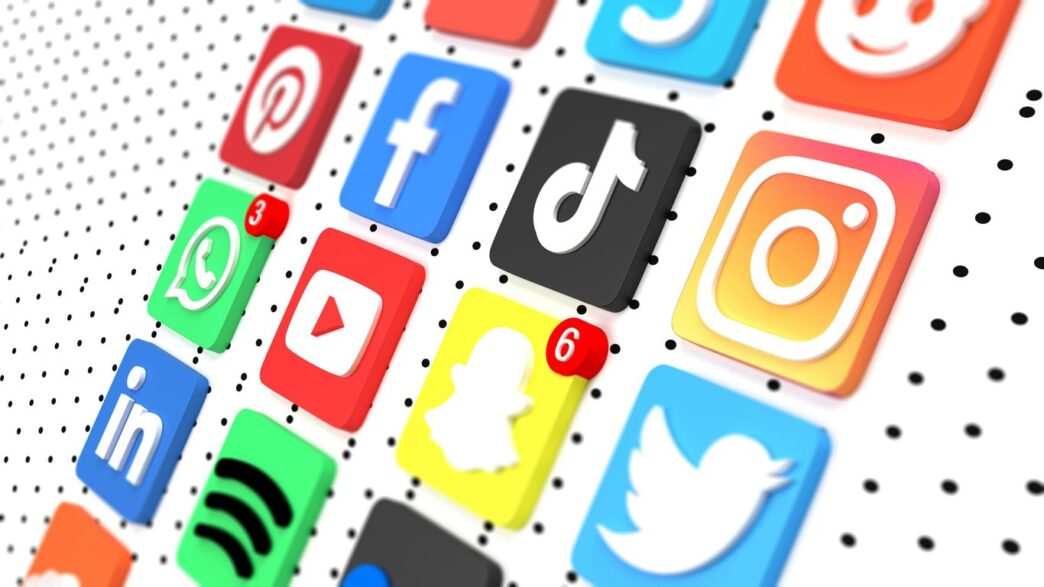
The way we use online social media is changing, and fast. It’s not just about posting updates anymore. By 2026, these platforms are going to be even more central to how we find things, shop, and connect. Brands need to pay attention because if they don’t keep up, they’ll get left behind. This year is looking like a big one for shifts in how everyone uses online social media, from how content is made to where people actually spend their time.
Key Takeaways
- Short-form video is still king, but longer videos are making a comeback, so brands need to use both wisely.
- AI is becoming a big part of making content, but people still want real, human connections, so finding that balance is key.
- People are starting to search for things directly on online social media platforms instead of just using Google.
- Brands are moving towards creating private groups and spaces for more direct connection, away from crowded public feeds.
- How we measure influence is changing, with more focus on real connections and long-term partnerships rather than just follower numbers.
The Evolving Landscape Of Online Social Media In 2026
Okay, so 2026 is here, and if you’re still thinking about social media like it’s 2020, you’re going to have a rough time. Things have really shifted. We’re talking about over 6 billion people now using social media, which is a huge chunk of everyone on the planet. It’s not just for sharing vacation pics anymore; it’s where people actually go to find stuff out, buy things, and even get their news. Brands that aren’t paying attention are basically invisible.
Understanding The Global Shift In Online Social Media Usage
The numbers don’t lie. More people are online than ever, and a massive amount of them are on social platforms. This isn’t just a small change; it’s a fundamental rewiring of how we interact with the digital world. Think about it: nearly a third of people, especially younger folks, are skipping Google searches and heading straight to places like TikTok or Instagram to find what they need. It’s a big deal for how businesses need to show up.
Key Behavioral Revolutions In Online Social Media Consumption
People aren’t just passively scrolling anymore. They’re actively searching, shopping, and connecting in new ways. We’re seeing a big move towards more private spaces online, where people feel more comfortable engaging. Plus, the way we consume content is changing fast, with video taking center stage, but not always in the way you might expect. It’s all about adapting to how users are actually behaving, not how we wish they would.
The Growing Importance Of Online Social Media For Brands
If you’re a brand, social media is no longer just a nice-to-have. It’s where the action is. With so many people spending so much time on these platforms, it’s become a primary channel for everything from building awareness to driving sales. Getting this right is key to staying competitive and actually making money online. Brands need to master these changes to drive profit and stay ahead.
Dominance Of Short-Form Video And Emerging Content Formats
Okay, so let’s talk about video. It’s still the big kahuna on social media, no doubt about it. Platforms like TikTok, Instagram Reels, and YouTube Shorts are where most people, especially younger folks, are spending their time. We’re talking billions of users checking out these quick clips every month. It’s wild how fast things move.
But here’s a little twist that’s happening: while short videos are still king, longer videos are actually making a comeback. Some platforms are letting videos get longer – think minutes instead of just seconds. This means it’s not just about making something super short anymore. It’s more about picking the right length for what you’re trying to say.
Short-Form Video’s Continued Reign On Online Social Media
Short-form video is basically the default now. It’s what people expect when they’re scrolling. Think of it as the attention-grabber. You’ve got maybe three seconds, tops, to hook someone. This means starting with the most interesting part right away. It’s all about being quick and punchy.
The Resurgence Of Longer Video Content
So, why are longer videos coming back? Well, sometimes you just can’t explain something complex or tell a good story in 30 seconds. Platforms are noticing this, and they’re allowing longer formats. This is good news for creators who want to go a bit deeper. It allows for more detail, more storytelling, and building a stronger connection with the audience. It’s like the difference between a quick chat and a proper conversation.
Strategic Format Matching For Maximum Impact
This is the key takeaway for 2026. It’s not about picking either short or long video. It’s about using both smartly. You might use a super short clip to get attention on TikTok, then direct people to a longer YouTube video for the full story. Or maybe you create a series of videos that build on each other. The goal is to match the content format to what the platform and the audience expect, and what you’re trying to achieve. It’s about being smart with your content, not just making a lot of it.
Here’s a quick look at how different platforms are being used:
| Platform | Primary Use Case | Typical Video Length | Audience Expectation |
|---|---|---|---|
| TikTok | Entertainment Discovery | < 60 seconds | Raw, trending, fun |
| Instagram Reels | Visual Inspiration | < 90 seconds | Polished-casual, aesthetic |
| YouTube Shorts | Quick Tips & Demos | < 60 seconds | Informative, engaging |
| YouTube (Long) | Deep Dives, Education | 3+ minutes | Valuable, detailed |
AI Integration And The Future Of Content Creation
It feels like just yesterday AI was this futuristic thing, and now, well, it’s everywhere. Especially on social media. By 2026, AI is expected to churn out more content than humans, which is kind of wild to think about. Tools like ChatGPT and Gemini are making it super easy for anyone to create stuff, from blog post ideas to video scripts. It’s like having a creative assistant on standby 24/7.
AI-Generated Content Becoming Mainstream On Online Social Media
So, AI is basically becoming a standard tool for making content. Think of it as the new normal. Marketers are already using it a lot for brainstorming and even writing first drafts. It’s changing how quickly brands can get content out there. We’re seeing AI help with everything from coming up with campaign ideas to turning long articles into short video clips. It’s also getting good at making different versions of content for different groups of people, which is pretty neat.
Balancing Automation With Human Authenticity
But here’s the tricky part. While AI can make content super fast, people are starting to notice when it feels a bit… off. A lot of users are concerned about brands using AI-generated stuff without telling them. It’s like, if it doesn’t feel real, why should I trust it? The brands that do best will be the ones that use AI as a helper, not a replacement. That means letting AI handle the grunt work, like initial ideas or editing, but then having a human put their own spin on it. Adding that personal touch, that real emotion, is what makes content connect. Think about it: would you rather watch a perfectly smooth, AI-generated ad, or something a bit rough around the edges that feels like a real person made it? Most people are leaning towards the latter.
Ethical Considerations And Transparency In AI Content
This brings us to the ethics of it all. Being upfront about AI use is becoming really important for building trust. If you’re honest with your audience, they’re more likely to stick around. It’s not just about saying “AI was used,” but about showing how it fits into the bigger picture. For example, Heinz used AI to show how iconic their ketchup bottle is, even when AI was asked to draw it. That’s a smart way to use AI – it supports the brand’s story. But using AI to create fake influencers? That’s a big no-go for most people. They’re uncomfortable with that. So, the key is to use AI smartly, be honest about it, and always remember that genuine human connection is still what people want most.
Social Search As The New Discovery Engine
Remember when you’d type a question into Google and wait for a list of blue links? Yeah, that’s starting to feel pretty old school. By 2026, a lot of us are skipping that step and heading straight to our favorite social apps to find answers. It’s not just about scrolling for fun anymore; people are actively searching for things like "best local pizza places" or "how to fix a squeaky door." This shift means how we create content needs a serious update.
Online Social Media Platforms Replacing Traditional Search Engines
It’s wild to think about, but platforms like TikTok and Instagram are becoming our go-to search bars. Think about it: you see a cool outfit on Instagram, and you search for similar styles right there. Or you need a quick recipe, and TikTok’s search bar is faster than opening a browser. This isn’t just a small trend; a significant chunk of people, especially younger folks, now start their information hunt on social media instead of Google. It’s all about getting quick, visual, and often conversational answers.
Optimizing Content For Social Search Discovery
So, how do you make sure your content gets found in this new search landscape? It’s different from old-school SEO. You need to think about how people actually talk and what they’re looking for visually.
Here are a few things to keep in mind:
- Talk the Talk: Use natural language keywords in your video captions and even say them out loud in your videos. People search the way they speak.
- Visuals Matter: For platforms like Instagram and Pinterest, make sure your images and videos are clear and descriptive. Think about what someone would type to find that specific visual.
- Answer Fast: Get straight to the point. Start your videos with the answer or solution within the first few seconds. Nobody wants to wait around.
- Hashtags with Purpose: Use hashtags that people actually search for, not just what’s trending.
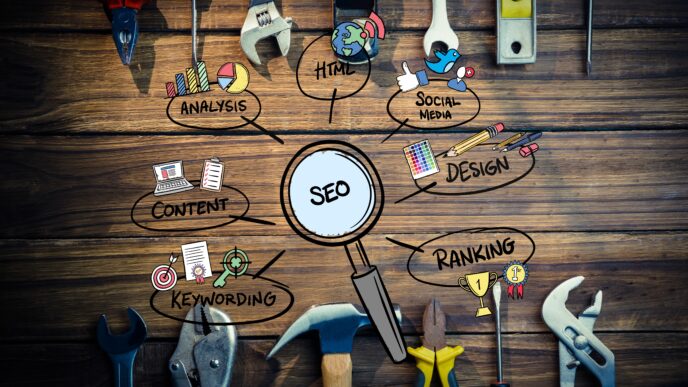
The Impact On SEO Strategies For Online Social Media
This change definitely shakes things up for traditional SEO. While Google is still important, ignoring social search is a big mistake. Your content needs to be discoverable in both places. This means thinking about how your content might show up in Google’s search results and how it will be found within TikTok or Instagram. It’s about creating content that’s not only informative but also easily searchable through conversational queries and visual cues. Brands that figure this out will be way ahead of the game.
The Rise Of Private Communities And Brand Homes
Public social media feeds are getting pretty noisy, right? It feels like every brand is shouting into the void, and honestly, it’s hard to keep up. People are starting to tune out the constant barrage of polished ads and generic posts. What’s happening instead is pretty interesting: users are looking for smaller, more personal spaces online. They want to feel like they’re part of something, not just another number in a follower count.
Shifting Engagement To Intimate Online Social Media Spaces
Think about it – when you get a direct message or an invite to a specific group, it feels different than just seeing a post scroll by. It’s more intentional. This shift towards private communities isn’t just a trend; it’s a reaction to the overwhelming nature of public feeds. People are actively seeking out places where they can have more meaningful interactions. Data shows that engagement rates are way higher in these smaller, opt-in spaces. It’s like the difference between a crowded stadium and a cozy coffee shop chat. Brands that recognize this are starting to build "brand homes" – dedicated spaces where their most engaged fans can gather.
Building Brand Loyalty Through Private Communities
So, how do you actually build one of these "brand homes"? It starts with giving people a reason to join and stay. Exclusive content is a big one – things they can’t get anywhere else. Maybe it’s early access to new products, behind-the-scenes looks at how things are made, or even direct Q&A sessions with the people behind the brand. It’s about making members feel like insiders. You can create different tiers, too, like a "close friends" list for your super fans, giving them special perks. Platforms like Discord are great for this, with different channels for different topics, letting people connect over shared interests. Even simple tools like Instagram Broadcast Channels or WhatsApp groups can work wonders for direct communication.
Leveraging Broadcast Channels For Direct Communication
Broadcast channels are becoming a really popular way for brands to talk directly to their audience. It’s a one-to-many approach, but it feels more personal than a regular post. Brands can share updates, special offers, or just quick thoughts directly with people who’ve chosen to subscribe. Unlike stories that disappear, these messages stick around, creating a more lasting connection. It’s a way to cut through the noise and ensure your message actually gets seen by the people who care most. This direct line of communication is key to building that deeper loyalty and making your community feel truly valued.
Redefining Influence And Creator Partnerships
New Metrics For Measuring Influence On Online Social Media
Forget just counting likes and followers. In 2026, brands are looking way beyond those surface-level numbers. It’s more about how well a creator’s audience actually matches the brand’s target customers and the quality of the stories they tell. We’re seeing a big shift towards measuring real impact, not just popularity. Think about it: a creator with a smaller, super-engaged group that genuinely trusts them is way more valuable than someone with millions of followers who just scroll past their posts.
Prioritizing Storytelling And Audience Alignment
Brands are really starting to care about who is listening and what they’re hearing. It’s not enough to just slap a product into a video anymore. Creators who can weave a brand’s message into a compelling narrative that connects with their specific audience are the ones getting the big deals. This means brands need to be smart about picking partners whose values and audience demographics align perfectly with their own. It’s about building genuine connections, not just making a quick sale.
The Shift Towards Long-Term Creator Collaborations
One-off sponsored posts are becoming less common. Instead, brands are investing in longer, ongoing relationships with creators. This allows for deeper storytelling and builds more trust with the audience over time. It’s like going from a quick handshake to a solid friendship. These sustained partnerships often involve:
- Co-creating content: Working together on ideas from the ground up.
- Brand ambassadorships: Creators becoming a consistent face for the brand.
- Exclusive content series: Developing ongoing projects that keep audiences engaged.
This approach helps build a more authentic brand presence and often leads to better results than a series of disconnected campaigns. Plus, it gives creators a more stable income and allows them to truly understand and represent the brand.
Social Commerce Integration And Measurement
It feels like just yesterday we were talking about social media as just a place to share photos and updates. Now? It’s a full-blown shopping mall. The line between scrolling and buying is practically gone. This isn’t some far-off future thing; it’s happening right now, and brands that aren’t paying attention are going to get left behind.
The Growth Of Social Commerce As A Shopping Destination
Seriously, the numbers are wild. We’re looking at social commerce hitting over $100 billion in the US alone by 2026. Globally, it’s projected to be in the trillions. Think about it: over half of US social media users made a purchase directly through a platform last year. Gen Z is leading the charge, with a big chunk of them buying straight from their feeds. It’s becoming a normal way to shop, with about a third of people worldwide using social for purchases.
Platforms like TikTok Shop are making it super easy to buy things you see in videos. Instagram Checkout lets you buy without even leaving the app, which, surprise surprise, makes people more likely to buy. Facebook and Instagram Shops are basically full stores within the apps. Even Pinterest, which used to be all about inspiration, is now a place to find and buy things for your projects. And YouTube? Creators can now tag products right in their videos. It’s all about making it as simple as possible.
What makes social commerce different is how it happens. It’s not like a traditional store where you go with a specific item in mind. Here, you discover things by accident, see what other people are saying in the comments, and then, bam, you buy it. It’s way more impulsive and driven by what your friends or favorite creators are showing you.
Key Strategies For Shoppable Content Creation
So, how do you actually make content that sells on social? It’s not just about posting a product picture.
- Show, Don’t Just Tell: Create videos where you actually use the product. Think demonstrations, behind-the-scenes looks at how it’s made, or even customer stories. People want to see it in action.
- Create Urgency: Limited-time offers, flash sales, or exclusive drops can get people to act fast. Live shopping events are great for this, where you can offer special deals just for viewers.
- Work with Creators: Partnering with people who genuinely like your products can be super effective. Micro-influencers often have a more engaged audience that trusts their recommendations.
- Make it Easy to Buy: Use high-quality images, write descriptions that are easy to read on a phone, and make sure your product catalogs are up-to-date. If people have to jump through hoops, they’ll just scroll past.
Shifting Success Metrics For Social Commerce
This is where things get interesting. We can’t just look at likes and shares anymore. We need to see if it’s actually making money. Traditional e-commerce looks at conversion rates, which is important, but with social commerce, we need to dig deeper.
- Track Where Sales Come From: Use things like UTM parameters on links or special promo codes to see which social posts are leading to actual purchases. This helps you understand what’s working.
- Look at Assisted Conversions: Sometimes, social media doesn’t make the final sale, but it plays a big part in getting someone to buy later. Tools that track the whole customer journey can show you this.
- Measure Community Growth: A growing, engaged community often means more potential customers down the line. Look at how many people are actively participating, not just how many followers you have.
- User-Generated Content (UGC): When customers start creating their own content about your products, that’s a huge sign of success. It’s like free advertising and social proof all rolled into one.
Basically, we need to start measuring social commerce not just by the immediate sale, but by its role in the entire customer journey and its impact on building a loyal audience.
Looking Ahead: What’s Next for Social Media?
So, where does all this leave us as we head into 2026? It’s pretty clear that social media isn’t just about posting updates anymore. It’s become this really complex mix of shopping, searching, and connecting, all powered by AI. The platforms are changing fast, and what worked last year might not cut it now. Brands that really want to connect with people need to get smart about how they use video, be honest about AI, and figure out where their audience actually hangs out – not just the big public spaces. It’s going to be a year where being real and building actual communities matters more than ever. The ones who pay attention and adapt will be the ones who stick around and do well.
Frequently Asked Questions
Why is social media so important for businesses in 2026?
Social media is super important because tons of people use it every day! It’s not just for talking to friends anymore. Brands can use it to show off what they sell, find new customers, and even help people buy things directly. It’s like a giant online mall and hangout spot all in one.
What kind of videos are popular on social media now?
Short videos, like those on TikTok and Instagram Reels, are still huge! But longer videos are making a comeback too, especially on YouTube. The trick is to use the right video length for what you want to say and who you’re trying to reach.
How is AI changing social media content?
AI is helping create content super fast, like writing posts or making images. But people still want to see real humans! The best brands will use AI to help them make stuff, but make sure it still feels like a real person made it and be honest about using AI.
Where do people look for things online now instead of Google?
Lots of people, especially younger folks, are starting their searches on social media apps like TikTok and Instagram. They’re using these platforms to find information and products, almost like a search engine.
What are ‘private communities’ on social media?
These are like special clubs or groups on social media where brands can talk more directly with their biggest fans. It’s a more personal way to connect and build loyalty, away from the busy public feeds.
How do brands work with influencers in 2026?
It’s not just about paying someone to post a picture anymore. Brands want to work with creators who really love their products and can tell great stories. They’re looking for longer partnerships that show real connection with the audience.