The world of technology is always changing, and so are the legal fights that come with it. As we head into 2026, things are getting even more interesting. New tech means new kinds of problems, and lawyers are figuring out how to deal with them. From AI making weird mistakes to companies not protecting data well enough, there’s a lot happening. We’ll look at some of the big areas where technology lawsuits are popping up and what you should know about them.
Key Takeaways
- Artificial intelligence is causing new types of legal issues, especially around who owns AI-created content and what happens when AI gets things wrong in court.
- Protecting digital ideas and secrets is still a big deal, with new challenges in online selling and how we handle sensitive company information when people work from home.
- Data breaches and privacy are major concerns, with governments watching closely and more people suing over how their information is handled.
- When tech companies merge or get bought, especially those involved in important technology, governments are looking closer to make sure national security isn’t at risk.
- New rules and laws are changing how technology companies have to operate, affecting everything from how they handle data to how they report security problems.
Navigating the Rise of Artificial Intelligence in Technology Lawsuits
Artificial intelligence, or AI, is no longer just a futuristic concept; it’s here, and it’s changing how we do business, create things, and unfortunately, how we end up in court. In 2026, we’re seeing AI pop up in legal disputes in ways that are both surprising and, frankly, a bit concerning.
Ownership and Copyright of AI-Generated Content
So, who owns something an AI creates? That’s the million-dollar question right now. If an AI churns out a piece of art, writes a song, or even designs a product component, who gets the copyright? Is it the person who prompted the AI, the company that built the AI, or does the AI itself have some claim? We’re seeing cases where creators are trying to copyright works made with AI tools, and the courts are really having to figure out if existing copyright laws even apply here. It’s a messy situation because copyright traditionally protects human creativity. The legal system is still trying to catch up with the idea that a machine could be a "creator."
AI Hallucinations and Inaccuracies in Legal Proceedings
This one is a bit wild. AI is starting to be used in legal research and even in generating documents. But AI, especially generative AI, can sometimes just make things up – they call them "hallucinations." Imagine an AI citing a court case that doesn’t actually exist, or presenting a legal argument based on faulty information. This isn’t just a minor glitch; it can seriously mess up legal strategies and even lead to incorrect rulings. Lawyers are having to be extra careful, double-checking everything the AI spits out, which kind of defeats the purpose of using it to save time. It also brings up questions about accountability when an AI’s mistake leads to a bad outcome for a client.
Ethical Considerations of AI in Litigation
Beyond the technical issues, there are big ethical questions. How do we ensure AI used in legal settings isn’t biased? Many AI systems are trained on existing data, and if that data reflects historical biases (like in hiring or lending), the AI can perpetuate those same unfair practices. Think about AI used to screen job applicants or even to predict recidivism rates for defendants. If the AI is biased, it’s not just unfair; it’s potentially illegal. Plus, there’s the whole issue of transparency. When AI is making decisions that affect people’s lives, shouldn’t we know how it works? The lack of clear guidelines on AI ethics in law is a major concern for practitioners and the public alike.
Intellectual Property and Trade Secret Disputes in the Digital Age
The digital world keeps spinning faster, and with it, the arguments over who owns what. In 2026, we’re seeing intellectual property (IP) and trade secret battles get even more complicated, especially with how we work and create now.
Patent Eligibility and Post-Grant Review Evolution
Figuring out if an invention can even get a patent is still a big deal. The rules around what qualifies as patentable subject matter, especially for software and business methods, keep shifting. Courts and the U.S. Patent and Trademark Office (USPTO) are constantly refining these standards. This means companies need to be extra careful when developing new tech, making sure their innovations aren’t just a rehash of old ideas or something that can’t be patented under current laws. Post-grant reviews, where people challenge patents after they’ve been issued, are also a hot area. Companies that hold patents need to be ready to defend them, and those looking to innovate need to understand how to challenge potentially weak patents that could block their progress.
Trade Secret Protection in Remote Work Environments
Remember when everyone worked in an office? Those days are mostly gone, and that’s created new headaches for protecting trade secrets. When employees work from home, or even from coffee shops, keeping confidential information truly secret becomes a lot harder. Companies are really struggling to keep their proprietary data and algorithms safe from prying eyes or accidental leaks. This isn’t just about IT security; it’s about having clear policies, training employees on what’s off-limits, and making sure that when people leave, they don’t take company secrets with them. We’re seeing more lawsuits pop up because of this, often involving former employees who jump to a competitor.
Trademark Challenges in Online Marketplaces
Your brand name is everything, right? Well, online marketplaces are making it tougher to keep that brand protected. Think about it: counterfeit goods can pop up everywhere, making it hard for customers to tell the real deal from fakes. This isn’t just annoying; it hurts your reputation and your bottom line. Trademark owners are having to get creative, working with platforms to take down infringing listings and sometimes even suing sellers directly. It’s a constant game of whack-a-mole, and the digital landscape means these challenges aren’t going away anytime soon. Plus, with new online advertising methods and social media, protecting your brand’s identity online requires a lot more attention than it used to.
Cybersecurity Breaches and Data Privacy Litigation Trends
It feels like every week there’s another headline about a massive data breach, doesn’t it? In 2026, this isn’t just a headline; it’s a full-blown legal battleground. Companies are facing a double whammy: the actual fallout from a breach, and then the lawsuits that inevitably follow. It’s a messy situation, and honestly, it’s getting more complicated.
Federal and State Enforcement Priorities
Things are getting a bit fragmented on the enforcement front. While federal oversight might be pulling back a bit, states are stepping up. This means companies have to keep track of a whole bunch of different rules and priorities, which is a headache. The patchwork of state privacy laws, like the CCPA/CPRA and others, means a single incident can trigger multiple investigations and claims. It’s not just about avoiding a hack anymore; it’s about making sure your compliance game is tight across the board. We’re seeing a lot of focus on how companies handle user data, especially with all the tracking tools out there. Even standard website features can land you in hot water if your privacy policy isn’t perfectly aligned with what your site is actually doing. It’s a real minefield for businesses operating across different states, and you can find more details on these evolving challenges in state privacy laws.
Class Action Lawsuits Over Data Incidents
Data breaches are practically an invitation for class action lawsuits these days. Plaintiff attorneys are really good at finding ways to sue over these incidents, even when it’s not a direct "hack." Think about "Pixel lawsuits" – companies getting sued just for using common tracking tools without super-clear disclosures. It’s a whole industry built around these claims. The big questions in these cases often revolve around whether a group of people can even sue together (class certification), if they were actually harmed, and what kind of damages they’re asking for. It’s a tough spot to be in, and the costs can pile up fast.
Regulatory Scrutiny of Privacy Compliance
Beyond the lawsuits, regulators are really digging into privacy compliance. For public companies, the SEC is now demanding quick disclosures of significant cyber incidents. Mess up the disclosure, or try to play it down, and you could be looking at a shareholder lawsuit on top of whatever the initial cyber event caused. It’s a "double dip" of legal trouble. This increased scrutiny means companies need to be on top of their game, not just with security, but with how they communicate about incidents. Having a solid plan for incident response and disclosure is no longer optional; it’s a necessity to avoid compounding problems.
Mergers, Acquisitions, and National Security in Tech
The tech world is always buzzing with deals, but in 2026, these mergers and acquisitions are getting a serious once-over, especially when national security is involved. It’s not just about who’s buying what anymore; it’s about what that deal means for global stability and sensitive technologies.
Cross-Border Transaction Reviews
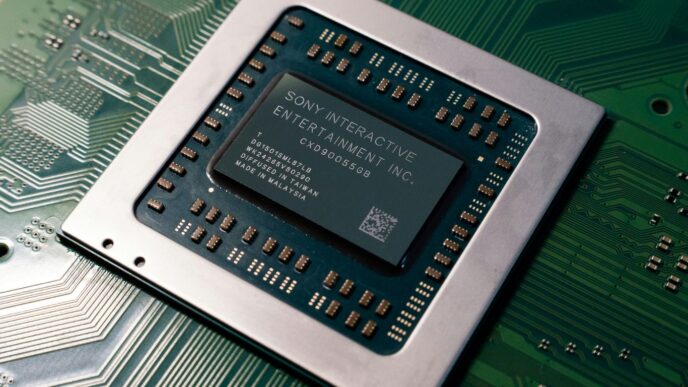
Governments are really tightening the reins on international tech deals. Think about it: if a foreign company buys a U.S. firm with cutting-edge AI or advanced semiconductor tech, there’s a natural concern about that technology falling into the wrong hands. Committees like CFIUS (the Committee on Foreign Investment in the United States) are digging deeper than ever. They’re looking at not just the immediate tech transfer but also the long-term implications for national defense and economic security. We’ve even seen presidents step in to order divestitures of U.S. businesses, like a digital chip company acquired by foreign entities, because the national security risks were just too high. This means companies need to be prepared for much longer review periods and a higher chance of conditions being placed on deals, or even outright rejection.
Supply Chain Resilience and Risk Management
Remember how we all learned about supply chain vulnerabilities during the pandemic? Well, that lesson is hitting home hard in the M&A space. When one company buys another, it’s not just inheriting assets; it’s inheriting its entire tech stack and all its dependencies. If the acquired company relies heavily on a single cloud provider or a few critical software vendors, that vulnerability becomes the buyer’s problem on day one. Insurers are getting really nervous about this "aggregation risk" – where one vendor’s failure could trigger hundreds of claims. So, companies looking to merge or acquire are now under pressure to show they’ve got a handle on these risks, not just within their own walls but throughout their extended network. Cutting corners on security to save money, especially when integrating new systems, is a fast track to trouble.
Divestiture Orders in Sensitive Technology Deals
This is where things get really interesting, and frankly, a bit scary for dealmakers. When a merger or acquisition involves technology deemed critical to national security – think advanced computing, AI, quantum tech, or specialized aerospace components – regulators are not shy about stepping in. We’re seeing more instances where, after a lengthy review, the government mandates that certain parts of the acquired business must be sold off. This isn’t just a minor tweak; it can fundamentally alter the deal’s structure and profitability. The goal is to prevent sensitive technologies from being controlled by entities that could pose a risk. It means that even if a deal gets initial approval, a forced divestiture can still derail the strategic goals of the acquisition, making thorough due diligence on national security implications absolutely vital before even making an offer.
Evolving Regulatory Frameworks Impacting Technology Lawsuits
It feels like every week there’s a new law or regulation popping up that tech companies have to deal with. It used to be that legal teams just handled the paperwork, but now, these rules are a huge part of a company’s risk profile. Seriously, it’s like a whole new ballgame.
Digital Operational Resilience Act (DORA) Compliance
If you’re doing business with financial institutions in Europe, you’ve probably heard of DORA. It’s not just about keeping data safe anymore; it’s about proving your whole operation can handle digital disruptions. Think of it as a survival test for your tech. For U.S. companies selling software or services to EU banks, getting DORA compliant is pretty much a requirement to even get in the door. Not having it means you’re a risk they just can’t afford to take on.
CCPA/CPRA and State Privacy Law Claims
Back in the States, things are getting complicated too. We’re seeing a lot more lawsuits that aren’t even about data breaches. Lawyers are finding ways to sue companies over things like using standard website tracking tools without being super clear about it in their privacy policies. If what your website actually does with data doesn’t perfectly match what your policy says, you could be in for some trouble. It’s a whole new way for people to claim they’ve been wronged.
SEC Disclosure Requirements for Cyber Incidents
For any company that’s publicly traded, or even thinking about going public, the SEC is now making you report major cyber events pretty quickly. This creates a tricky situation. First, you might get hit by something like ransomware. Then, if you’re slow to report it or try to downplay it, you could face a shareholder lawsuit. So, one bad event can turn into two expensive legal fights, and that can really eat into your insurance coverage.
Here’s a quick look at what’s happening:
- Global Compliance Pressure: Operating across borders means dealing with a patchwork of rules. The fines are bad, but the damage to your reputation can be even worse.
- Reactive vs. Proactive: The U.S. tends to react to problems after they happen, which can leave companies guessing. Europe, on the other hand, is often more upfront with its regulations.
- Data Collection Scrutiny: With more connected devices and faster networks like 5G, companies are collecting way more personal data. Regulators are looking closely at whether all that collection is really necessary.
- Cross-Border Data Flows: 5G makes it easy to move data internationally, but figuring out which country’s laws apply can be a headache, especially when law enforcement wants access to data.
Emerging Litigation Areas in the Space and Aerospace Sector
The space industry is really taking off, and with all that growth comes new legal headaches. It’s not just about rockets anymore; it’s about what happens before, during, and after they fly, and what we do once we get out there.
Orbital Debris and Environmental Concerns
We’re seeing more and more stuff floating around in orbit, and that’s becoming a big problem. Think of it like a junkyard in the sky. Lawsuits are starting to pop up, often from environmental groups worried about launch sites, especially along the coast. They’re also concerned about the junk we’re leaving behind in space. While courts have sometimes stepped back, letting agencies like the FAA handle things, don’t expect that to stop new cases. As more satellites get launched, especially those huge constellations, the risk of collisions and more debris goes way up. We could see legal fights over who’s responsible when things go wrong, especially if companies aren’t following the rules for cleaning up their mess.
Intellectual Property Protection Beyond Earth
Protecting ideas and inventions is getting complicated when they’re used way up in space. Companies are filing more patents for things like reusable rocket parts and smart satellite designs. But when these technologies are used in orbit, far from any country’s borders, figuring out who owns what and how to enforce those rights is tricky. Trade secrets are also a hot topic, especially with people moving between companies. Plus, there are rules about exporting technology that add another layer of complexity. We haven’t seen many big lawsuits about space IP yet, but as more companies put their own systems out there, we might start seeing cases that test the limits of patent and copyright laws when they’re applied off-world.
Liability for In-Space Collisions
This is a big one. Right now, nobody has successfully sued someone for a collision that happened in space. But with so many satellites being launched, especially those massive satellite internet constellations, the chances of a near-miss or, worse, an actual collision are increasing. If two large constellations bump into each other, the fallout could be huge, and you can bet lawyers will be involved. It’s only a matter of time before someone tries to hold another party responsible for the damage caused by space junk or a direct impact. We’re likely to see more legal challenges as the space environment gets more crowded and the stakes get higher.
The Shifting Landscape of Technology Insurance and Liability
Generative AI Product Liability Claims
So, 2026 is here, and it feels like every company is jumping on the generative AI bandwagon. It’s cool, sure, but it’s also creating a whole new headache for insurance companies. Think about it: if your AI spits out something wrong – like bad financial advice or biased hiring recommendations – and it causes your client to lose money, guess who’s on the hook? It’s not just a "glitch" anymore; it’s a product liability claim, plain and simple. Insurers are starting to see these "hallucination" errors and biases as serious risks, and they’re figuring out how to price that into policies. It’s a whole new ballgame when code makes mistakes that cost people real money.
Cyber Liability and Increased Claim Severity
Cyberattacks aren’t exactly new, but they’re getting way more sophisticated, and that means the damage they cause is way more expensive to fix. We’re seeing things like deepfake scams where attackers impersonate CEOs to authorize fraudulent money transfers. It’s terrifyingly convincing because it sounds and looks like someone you trust. This means when a breach does happen, the financial fallout is much bigger, leading to higher claim payouts. It’s not just about the cost of cleaning up the mess; it’s also about the legal fees and the business disruption that follows.
Navigating AI-Related Policy Exclusions
Because of all these new AI risks, insurance policies are starting to get really specific about what they won’t cover. You’ll see more "AI exclusions" popping up in the fine print. This means if your company uses AI and something goes wrong, your standard cyber or errors & omissions policy might not cover it. It’s like having insurance for your car, but then finding out it doesn’t cover damage from driving on a dirt road, even though you use dirt roads all the time. You really need to read the policy carefully and talk to your broker to make sure you’re not left exposed in areas where your business is actually innovating the most. It’s a bit of a puzzle, trying to make sure your coverage actually matches your tech stack.
Looking Ahead
So, as we wrap up our look at tech lawsuits in 2026, it’s pretty clear things aren’t getting simpler. From AI messing with intellectual property to cyber threats getting more intense, companies are definitely feeling the pressure. It seems like staying ahead means not just having good tech, but also being really smart about the legal side of things. Keeping up with all the new rules and potential problems is going to be a constant job. Basically, expect more of the same – a lot of legal action, especially around data, AI, and who owns what. It’s a good idea to be prepared.
Frequently Asked Questions
What’s new with AI and lawsuits in 2026?
In 2026, lawsuits involving artificial intelligence (AI) are becoming more common. We’re seeing questions about who owns creative work made by AI, like art or writing. Also, if an AI makes a mistake or gives wrong information in a court case, it could cause problems. People are also thinking more about whether it’s fair to use AI in legal situations.
How is technology changing patent and trade secret cases?
As technology gets more advanced, especially with AI, figuring out who owns new inventions and ideas is getting trickier. Lawsuits about patents are changing, and protecting secret business information is still a big deal, especially with more people working from home. Online stores also create new challenges for brands trying to protect their names.
What are the main issues in data breach lawsuits?
Companies are facing more lawsuits if their customer data gets stolen. Government groups are watching more closely to make sure companies follow privacy rules. Lawsuits can happen even if there isn’t a big hack, just because a company didn’t explain its privacy practices clearly enough.
How do company mergers and national security affect tech lawsuits?
When companies that deal with important technology buy or merge with other companies, especially those in different countries, governments are looking closely to make sure it doesn’t create national security risks. This is especially true for technology that could be used in defense or other sensitive areas.
Are there new rules that will affect tech lawsuits?
Yes, new rules are coming out that will change how tech companies operate and what happens if they don’t follow the rules. For example, in Europe, there are new rules about how well companies need to protect their computer systems. In the US, states are making their own privacy laws, and the government is requiring companies to quickly report major cyber problems.
What kind of lawsuits are happening in the space industry?
As more satellites and space missions happen, new legal issues are popping up. This includes who is responsible for space junk, how to protect inventions made for space, and what happens if satellites crash into each other. These cases are becoming more important as space becomes more crowded and commercial.