The electric utilities industry is in the middle of a big shift. Things are changing fast, and what worked yesterday might not work tomorrow. We’re seeing more demand for power, new ways of generating it, and a lot of new tech popping up. It’s a lot to keep track of, but understanding these changes is key for anyone involved in keeping the lights on.
Key Takeaways
- Demand for electricity is going up, partly because of things like electric cars and big data centers. This means utilities need to find ways to generate and deliver more power.
- The push for cleaner energy is huge. Utilities are looking at more solar, wind, and even new types of nuclear power, while also dealing with issues like transformer shortages that slow down grid upgrades.
- Technology is changing how utilities operate. Things like AI are being used to manage the grid better, respond to problems, and keep systems secure from cyber threats.
- Money matters. Private investors are looking at the utilities sector, and companies are exploring different ways to pay for the big upgrades needed, like using securitization or issuing more stock.
- Rules and government programs play a big part. Things like tax credits for clean energy and special ‘sandboxes’ for testing new tech can really influence how the electric utilities industry moves forward.
Navigating the Evolving Electric Utilities Industry Landscape
The electric utilities industry is in the middle of a pretty big shake-up. It feels like every day there’s a new challenge or opportunity popping up, and staying ahead of the curve is getting trickier. We’re seeing a massive surge in electricity demand, which is great in a way, but it also puts a lot of pressure on the existing systems. On top of that, there’s this huge push towards cleaner energy, making everything more complicated.
The Growing Demand for Electricity
So, why all the extra demand? Well, a few things are driving it. For starters, more and more people are buying electric vehicles. Plus, businesses are getting more electrified, and data centers, which need a ton of power, are popping up everywhere. This increased need means utilities have to find ways to generate and deliver more power, and fast. It’s not just about having enough, but also about making sure the grid can handle it all without breaking.
Decarbonization, Decentralization, and Digitalization
These three words – decarbonization, decentralization, and digitalization – are basically the buzzwords of the industry right now. Decarbonization means cutting down on carbon emissions, which usually involves shifting away from fossil fuels towards renewable sources like solar and wind. Decentralization is about moving away from a few big power plants to lots of smaller, distributed energy sources, like rooftop solar or battery storage. And digitalization? That’s all about using new tech, like smart grids and advanced software, to manage everything more efficiently. Putting all these together is changing how utilities operate from the ground up. It’s a complex puzzle, but getting it right is key to a sustainable future.
The Role of Innovation in the Electric Utilities Industry
Because of all these changes, innovation isn’t just a nice-to-have anymore; it’s a must-have. Utilities are constantly looking for new ways to improve their operations, manage costs, and keep the lights on reliably. This means exploring new technologies, rethinking old processes, and sometimes even trying out completely new business models. It’s a bit like trying to upgrade a car while it’s still driving down the highway. The companies that embrace new ideas and adapt quickly are the ones that will likely succeed in this new era.
Grid Modernization and Infrastructure Investment
So, the grid. It’s not exactly the most exciting topic for most people, right? But honestly, it’s the backbone of everything. And in 2026, it’s getting a serious facelift. We’re seeing a lot of focus on making sure the grid can handle the increasing demand for electricity, which, let’s face it, isn’t going anywhere. Plus, with all the new renewable energy sources coming online, the grid needs to be smarter and more flexible than ever before.
Addressing Transformer Supply Constraints
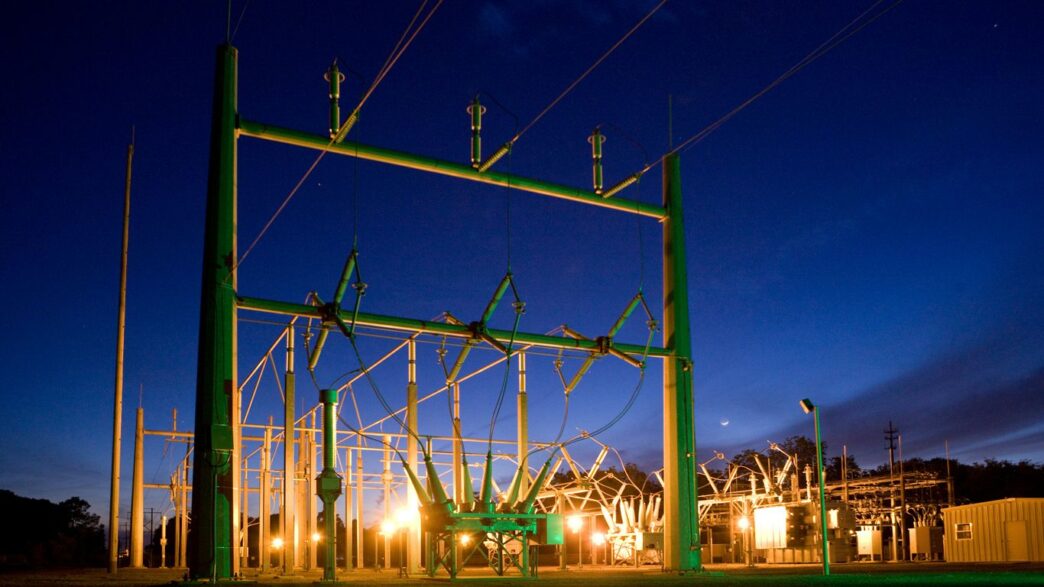
One of the big headaches right now is getting enough transformers. These things are pretty critical for moving electricity around, and there’s been a real bottleneck in getting them made and delivered. Utilities are scrambling to secure these components, and it’s impacting how quickly they can upgrade or expand their infrastructure. It’s not just about building new lines; it’s about having the basic equipment to make it all work. Some companies are even looking at ways to get more domestic production going to ease the reliance on overseas suppliers. It’s a bit of a race against time to get these supply chains sorted out.
The Impact of FERC Orders on Grid Modernization
Federal Energy Regulatory Commission (FERC) orders are really shaping how utilities approach grid upgrades. Think of orders like 1920 and 1920-A – they’re pushing for more coordinated planning and investment in the transmission system. This means utilities have to think bigger, looking beyond their own service areas to make sure the whole network is reliable and can handle the energy transition. It’s a move towards a more unified approach, which can be complicated but is probably necessary for the long haul. States are working with FERC to figure out the best way to implement these changes, and it’s definitely a hot topic.
Advancements in Grid Enhancing Technologies
Beyond just bigger wires and more transformers, there’s a whole bunch of new tech coming into play. These are often called Grid Enhancing Technologies (GETs). They’re basically smart tools that help utilities get more out of their existing infrastructure without having to build entirely new lines. Things like advanced conductors that can carry more power, or dynamic line ratings that adjust based on real-time conditions, are becoming more common. Even states are getting on board, with legislative momentum building to encourage their adoption. These technologies are key to making the grid more efficient and responsive, especially as we integrate more variable renewable energy sources. It’s all about working smarter, not just harder.
Financial Strategies and Investment in the Electric Utilities Sector
The electric utilities sector is in a constant state of flux, and how companies manage their money and attract investment is changing right along with it. It’s not just about keeping the lights on anymore; it’s about funding a massive overhaul of the grid and integrating new technologies, all while keeping customer bills from going through the roof. This is a tricky balancing act, and it requires some smart financial moves.
Private Equity and Profitability in Utilities
We’re seeing a lot more interest from private equity firms in the utility space. Why? Well, as electricity demand climbs, especially with big data centers needing more power, and as utility bills tick upwards, these firms see a chance for solid returns. They’re looking for ways to make operations more efficient and find new revenue streams. This influx of capital can be a good thing, helping utilities fund necessary upgrades, but it also raises questions about long-term affordability and service quality if profit becomes the absolute top priority.
Securitization and Affordable Energy Transitions
One of the clever financial tools gaining traction is securitization. Basically, utilities can bundle up certain costs, like those associated with clean energy projects or grid upgrades, and sell them off as bonds to investors. This brings in cash upfront and can help spread the cost of these big investments over a longer period. The idea is to make the transition to cleaner energy and a more modern grid more affordable for customers. It’s a way to finance big changes without a sudden shock to the monthly bill.
Here’s a simplified look at how it can work:
- Identify Costs: Utilities pinpoint specific costs eligible for securitization (e.g., renewable energy investments, grid hardening).
- Create Securitized Bonds: These costs are packaged into financial instruments (bonds).
- Sell Bonds to Investors: Investors purchase these bonds, providing immediate capital to the utility.
- Repay Bonds: Customers pay slightly adjusted rates over time, which are used to pay back the bondholders.
Funding Growth Through Equity Issuance
When utilities need to raise significant amounts of money for expansion or major projects, issuing new stock, or equity, is a common route. This means selling ownership stakes in the company to the public or institutional investors. It’s a way to bring in substantial funds without taking on more debt. Companies are looking at this as a way to finance their ambitious plans for grid modernization and the integration of renewable energy sources. The market for utility stocks has been pretty steady, making it an attractive option for raising capital.
The Rise of Advanced Technologies in Utilities
It feels like every industry is talking about advanced tech these days, and electric utilities are no different. We’re seeing a big push to use things like artificial intelligence (AI) and other smart tools to make everything run smoother. It’s not just about keeping the lights on anymore; it’s about doing it smarter and safer.
Artificial Intelligence for Enhanced Operations
AI is starting to pop up everywhere in the utility world. Think of it as a super-smart assistant that can look at tons of data way faster than any human. This helps utility companies predict when equipment might fail, figure out the best way to route power, and even manage their workforce more efficiently. For example, AI can analyze sensor data from transformers to flag potential issues before they cause an outage. It’s also being used to optimize energy distribution, making sure power gets where it’s needed without waste. This proactive approach is key to keeping services reliable.
AI’s Role in Crisis Response and Reliability
When bad weather hits or something unexpected happens, AI can be a real game-changer. It can quickly process information from various sources – like weather reports, social media, and sensor networks – to help utility crews understand the situation on the ground. This means faster response times and better resource allocation during emergencies. AI can also help predict the impact of events, like a storm, on the grid, allowing utilities to prepare better. By analyzing past incidents, AI can also identify patterns that might lead to future problems, helping to improve overall grid reliability.
Cybersecurity and Risk Mitigation in the Electric Utilities Industry
As utilities become more connected and rely on digital systems, cybersecurity is a huge concern. Advanced technologies, including AI, are being used to detect and respond to cyber threats in real-time. This involves monitoring network traffic for suspicious activity, identifying vulnerabilities, and automating responses to potential attacks. It’s a constant cat-and-mouse game, but having smart systems in place is vital for protecting critical infrastructure from malicious actors. Utilities are also looking at ways to reduce other risks, like those associated with aging equipment and supply chain issues, using data analytics and predictive modeling.
Emerging Trends and Future Opportunities
The electric utilities industry is in a constant state of flux, and by 2026, several key trends are set to really shape how things operate and where the big opportunities lie. It’s not just about keeping the lights on anymore; it’s about adapting to a changing world.
The Growth of Renewables and Next-Generation Nuclear
Renewable energy sources like solar and wind are no longer niche players. They’re becoming a huge part of the energy mix. Utilities are investing more and more in these technologies because they’re cleaner and, in many cases, becoming more cost-effective. But it’s not just about solar panels and wind turbines. We’re also seeing renewed interest in nuclear power, particularly smaller, modular reactors (SMRs). These next-generation nuclear plants promise enhanced safety features and can be built more quickly than traditional large-scale facilities. This dual approach – expanding renewables while exploring advanced nuclear – is key to meeting growing electricity demand and decarbonization goals.
Electric Vehicles and Battery Technology Advancements
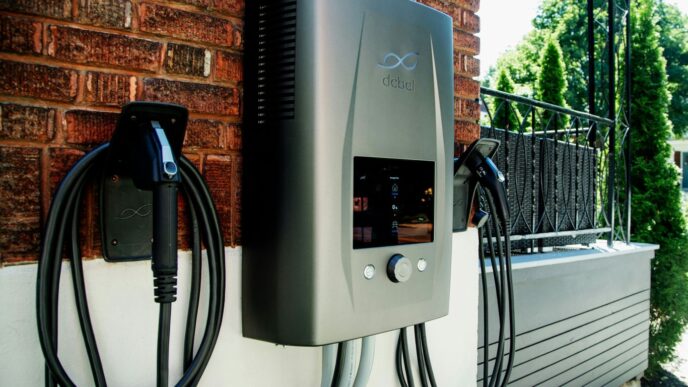
Electric vehicles (EVs) are becoming more common on our roads, and this trend has a direct impact on the grid. More EVs mean more electricity demand, especially during peak charging times. Utilities need to plan for this increased load. This is where battery technology comes in. Advanced battery storage systems are becoming more efficient and affordable. They can help manage the grid by storing excess renewable energy and releasing it when needed, smoothing out supply and demand. Think of them as big batteries that can help balance the grid when lots of people plug in their cars at the same time or when the sun isn’t shining.
The Future of Hydrogen in the Energy Mix
Hydrogen is another energy carrier that’s gaining attention. While it’s not a primary energy source itself, it can be produced using renewable electricity (green hydrogen) and then used in various ways. It could be a way to store large amounts of energy for long periods, power heavy industry, or even be used in transportation. The development of a robust hydrogen economy is still in its early stages, but by 2026, we expect to see more pilot projects and increased investment in hydrogen production and infrastructure. It’s a complex puzzle piece, but one that could play a significant role in a fully decarbonized energy future.
Regulatory and Policy Influences on the Electric Utilities Industry
Okay, so the rules of the game are definitely changing for electric utilities, and a lot of that has to do with what the government and regulators are doing. It’s not just about keeping the lights on anymore; it’s about how we get there and who pays for it.
Regulatory Sandboxes for Technology Adoption
Think of regulatory sandboxes like a controlled testing ground. Utilities can try out new technologies or ways of doing things without immediately breaking all the existing rules. It’s a way to speed things up, honestly. Instead of waiting years for a new rule to be written, they can get permission to test something innovative for a set period. This is super important for things like advanced grid tech or new customer service models. It helps everyone learn what works and what doesn’t before it becomes standard practice.
The Impact of Data Centers on Grid Connection
Data centers are popping up everywhere, and they need a ton of electricity. This puts a real strain on the grid, especially in certain areas. Utilities are having to figure out how to connect these massive energy users without causing problems for everyone else. Some states are even creating specific rules for data centers, trying to make sure they don’t overload the system or that they contribute fairly to grid upgrades. It’s a balancing act, for sure.
Navigating Clean Energy Tax Credits and Safe Harbor Provisions
Clean energy projects, like solar farms or wind installations, often get a boost from tax credits. These credits are a big deal for making projects financially viable. But the rules around them can be complicated, especially something called ‘safe harbor’ provisions. Basically, these provisions let developers lock in certain tax benefits early on, even if the project isn’t fully built yet. Utilities and developers have to stay on top of these rules to make sure they get the full benefit and avoid any surprises down the line. It’s a lot of paperwork and planning, but it’s key for building out more renewable energy.
Looking Ahead
So, what does all this mean for the electric utility world in 2026? It’s clear things aren’t slowing down. We’re seeing a big push for cleaner energy, more tech being plugged into the grid, and a lot of money flowing into new projects. Utilities have to keep up with rising demand, especially from things like data centers and electric cars. It’s going to be a balancing act, for sure, trying to keep the lights on affordably while also making the grid tougher and greener. Expect more changes, more investment, and definitely more innovation as everyone works to power what’s next.