
So, 2025 is almost here, and everyone’s talking about what’s next for agriculture. It feels like things are always changing, right? We’ve got new tech popping up, weather acting weird, and of course, prices going up and down. It can be a lot to keep track of, especially if you’re looking at where to put your money. This article is just a quick look at some of the big themes that seem to be shaping the stocks agriculture scene for next year. Think of it as a casual chat about what might be moving the needle.
Key Takeaways
- Farming is getting smarter with more tech like GPS and sensors helping farmers use resources better. This means companies making that tech could do well.
- Looks like farmers might plant more corn next year. This is good news for companies that sell corn seeds and the fertilizers corn needs a lot of.
- On the flip side, soybean planting might drop a bit. This could mean less business for companies focused on soybean supplies.
- Fertilizer demand is going to be a big deal, especially for corn. Companies that make nitrogen fertilizer might see more orders.
- The farm machinery sector could see mixed results. While more corn planting might boost sales of some equipment, overall economic pressure on farmers might make them hold off on big purchases.
1. Precision Agriculture Adoption
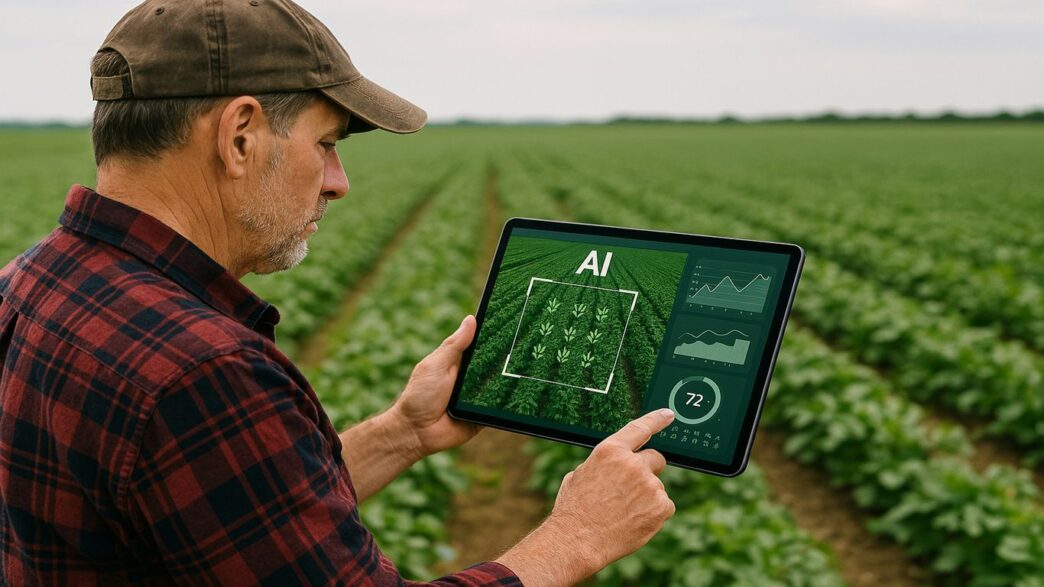
It looks like more and more farmers are getting on board with precision agriculture. This isn’t just some fancy tech trend; it’s really about using data to farm smarter. Think about it – instead of treating a whole field the same, farmers can now get down to the nitty-gritty, zone by zone, or even plant by plant.
This means applying exactly what a crop needs, right where and when it needs it. We’re talking about using GPS, sensors, drones, and software to get a clear picture of what’s happening in the soil and with the plants. This helps cut down on wasted fertilizer, water, and pesticides, which is good for the wallet and the environment.
Here’s a quick look at why it’s catching on:
- Better Resource Use: Applying fertilizer or water only where the soil tests show it’s needed means less waste and more money in the farmer’s pocket.
- Smarter Decisions: With all this data, farmers can make more informed choices about planting, harvesting, and managing potential problems before they get big.
- Less Environmental Impact: Using fewer chemicals and less water generally means a lighter footprint on the land.
- Dealing with the Weather: Advanced monitoring can help farmers get ahead of issues caused by unpredictable weather, like knowing when to irrigate or protect crops.
As we head into 2025, keeping up with these technologies is going to be a big deal for staying competitive. It’s not just for the big farms anymore; these tools are becoming more accessible and are really changing how farming gets done.
2. Corn Acreage Increase
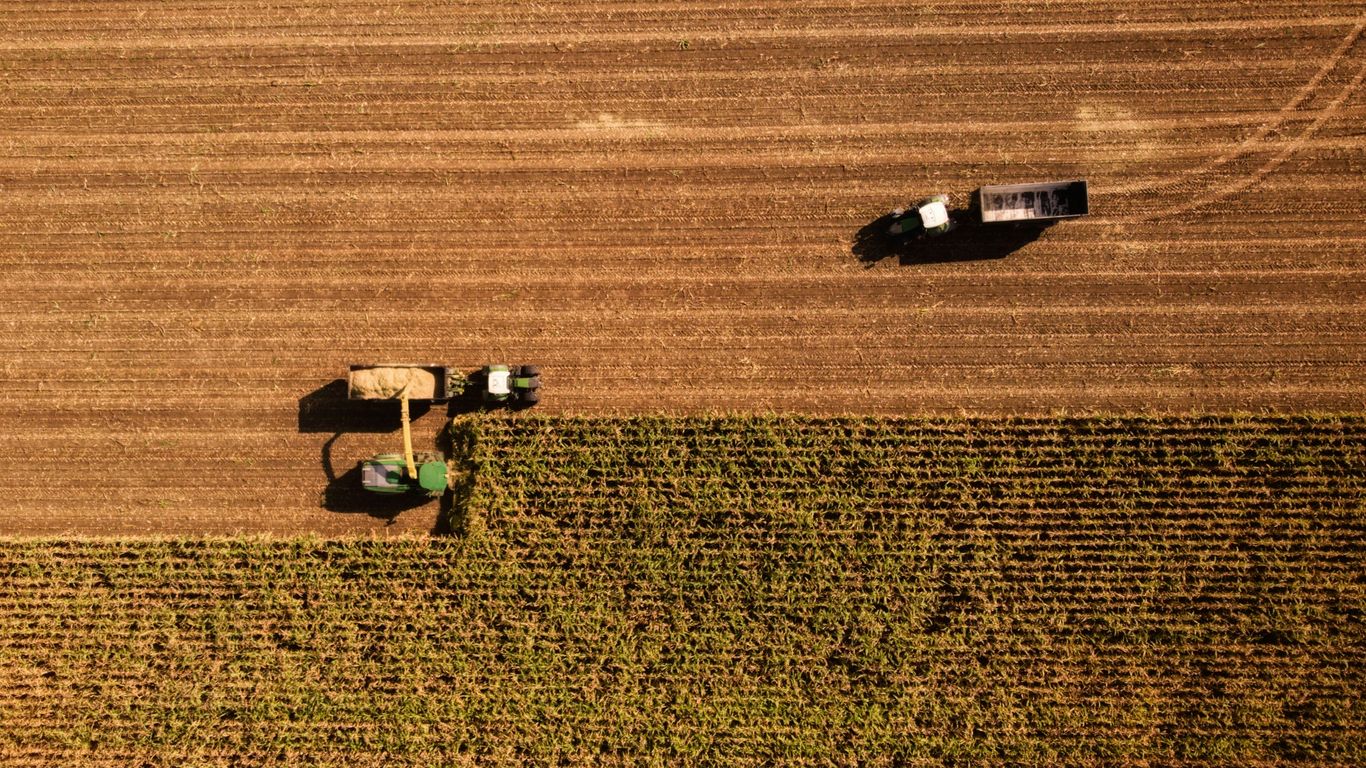
Alright, let’s talk corn. Looking ahead to 2026, it seems like farmers are leaning towards planting more corn. This isn’t a huge surprise, honestly. When you look at how corn prices are shaping up compared to other big crops, and considering its steady demand for things like ethanol and animal feed, it just makes a lot of sense for a lot of growers.
Several factors are pushing this trend:
- Profitability Outlook: Corn is looking more attractive financially than some other options, especially soybeans, which have seen some price pressure lately.
- Ethanol Mandates: Government policies supporting biofuels continue to play a role, creating a consistent demand for corn.
- Feed Demand: The livestock industry relies heavily on corn for feed, and that demand isn’t going anywhere.
The market is signaling a shift towards corn, driven by a mix of economic incentives and established demand channels. While official numbers won’t be out for a while, the early signs from farmer sentiment and analyst projections point to a noticeable uptick in corn acres for the upcoming growing season. This could have ripple effects, especially on feed costs for livestock producers, so it’s definitely something to keep an eye on.
3. Soybean Acreage Decline
It looks like farmers are planning to plant fewer soybeans in the U.S. for the upcoming season. This isn’t a huge surprise, really. Prices for soybeans haven’t been all that great lately, and there’s a ton of soybeans coming out of places like Brazil. Plus, we’re still not totally sure how much China will be buying from us.
This shift away from soybeans is a pretty big deal for the whole ag industry. It means companies that rely heavily on processing soybeans might have to look elsewhere for their supply or even import more, which could get expensive. On the flip side, if you’re a company that trades commodities globally, you might be able to adjust by sourcing from different regions. It’s all about adapting to these changing tides.
Here’s a quick look at why this is happening:
- Lower Profitability: Compared to other crops, soybeans are just not bringing in the kind of money they used to for farmers.
- Global Competition: South America, especially Brazil, has really ramped up its soybean production, flooding the market.
- Uncertain Demand: We’re seeing shifts in who’s buying and how much, making it harder for U.S. farmers to plan.
This acreage change is just one piece of the puzzle, but it’s a significant one that investors and others in the ag world are watching closely.
4. Fertilizer Demand
When we talk about farming, you can’t really ignore fertilizer. It’s like the food for the crops, plain and simple. For 2025, the demand for fertilizers is shaping up to be pretty interesting, especially with how farmers are planning their fields.
We’re seeing a bit of a split. With corn acreage expected to go up, that means more demand for nitrogen fertilizers. Corn is a hungry crop when it comes to nitrogen, so companies that make that stuff are probably looking at a good year. Think of it like this:
- More Corn = More Nitrogen Needed
- Nitrogen is key for corn growth and yield.
- Producers of nitrogen-based fertilizers are likely to see a boost.
On the flip side, soybean acreage is looking like it might dip a bit. Soybeans need different kinds of nutrients, like phosphate and potash. If farmers are planting less soy, then the demand for those specific fertilizers could ease up. Some folks are even predicting a noticeable drop in demand for those particular nutrients.
Here’s a quick look at how it might shake out:
| Fertilizer Type | Expected Demand Trend (2025) | Primary Crop Association |
|---|---|---|
| Nitrogen | Increasing | Corn |
| Phosphate | Decreasing | Soybeans |
| Potash | Decreasing | Soybeans |
Overall, farmers are really trying to be smart about their spending. With input costs still high, they’re looking for ways to get the most bang for their buck. This means they’re paying close attention to what crops need what, and when. It’s all about making sure every dollar spent on fertilizer actually helps the crop grow better and produce more. The push for efficiency means farmers will be more precise than ever with their fertilizer applications.
5. Farm Machinery Sector
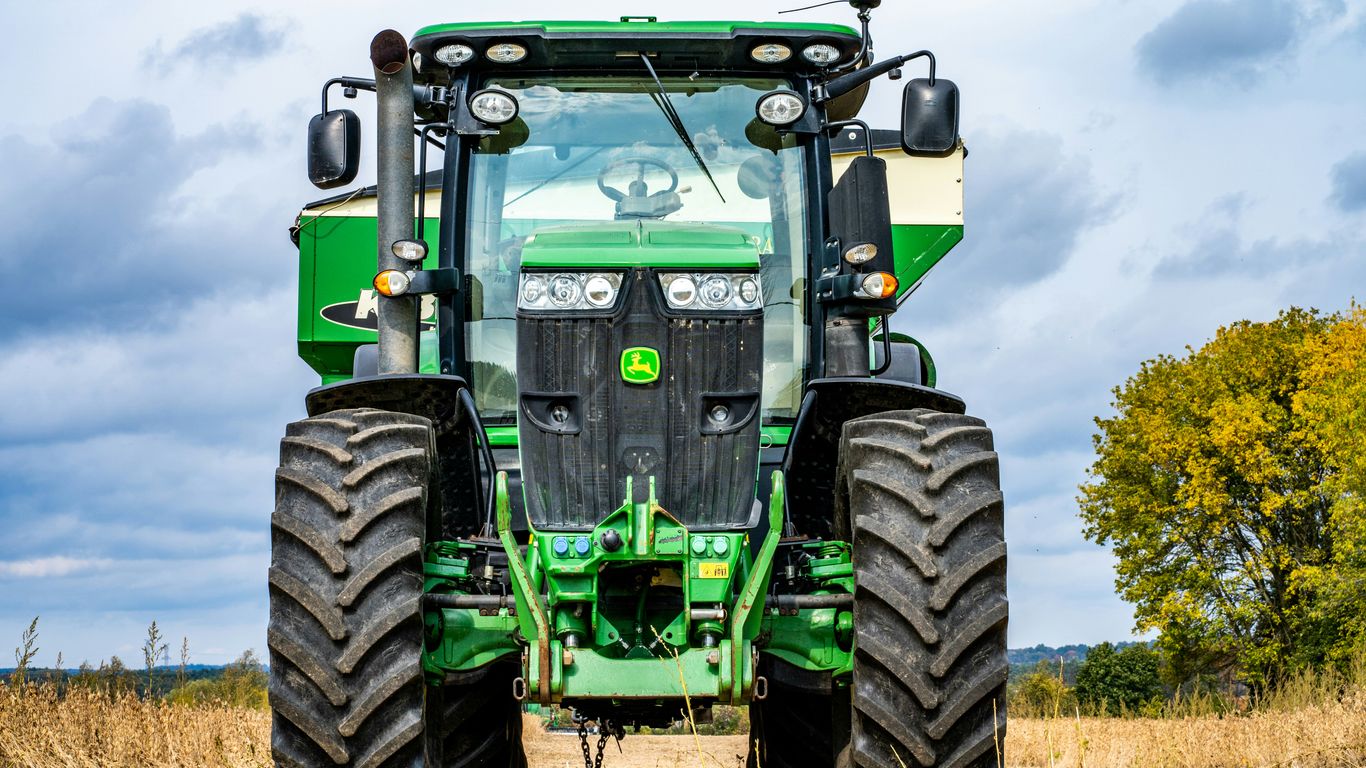
The farm machinery sector is definitely feeling the shifts happening in agriculture. With more acres likely going to corn, manufacturers that make equipment specifically for that crop, like big planters and harvesters, could see a nice bump in sales. Think companies that make the heavy-duty stuff.
However, it’s not all smooth sailing. Farmers are facing some pretty tough financial times right now. Input costs are high, and commodity prices aren’t always cooperating, which means farm incomes are squeezed. Because of this, a lot of farmers might put off buying brand-new, expensive equipment. They might try to make their current machines last a bit longer or look for used options instead. So, while some parts of the sector might do well, the overall picture for new machinery sales could be a bit challenging.
Here’s a quick look at what might influence demand:
- Increased demand for corn-specific equipment: Planters, cultivators, and harvesters designed for larger corn acreage.
- Potential slowdown in general equipment upgrades: Farmers may delay purchases due to financial pressures.
- Focus on efficiency and durability: Demand might shift towards machinery that offers better fuel economy or requires less maintenance.
- Growth in precision farming attachments: Tools that integrate with existing machinery to improve data collection and application accuracy could still see interest.
6. Grain Processing Industry
The grain processing industry is set for a busy year in 2025, especially with expected increases in corn and wheat crops. Think of companies like Archer Daniels Midland (ADM) and Bunge. When there’s more grain available, these companies have a steadier supply of raw materials. This is good for them because they turn these grains into all sorts of things we use every day – like ethanol for fuel, animal feed, and ingredients for our food.
More grain means more business for processors.
Here’s a quick look at what drives their activity:
- Ethanol Production: Corn is a big player here. As demand for biofuels continues to grow, so does the need for corn to make ethanol.
- Animal Feed: Grains are a staple in animal feed. With more grain, there’s a better supply for livestock operations.
- Food Ingredients: Processed grains are used in countless food products, from bread and pasta to cereals and snacks.
While increased acreage is generally good news, processors also keep an eye on market prices and global demand. They need to manage their own costs and make sure they can sell their finished products at a good price. It’s a balancing act, but the outlook for 2025 seems positive due to the expected abundance of key grains.
7. Biofuels Market Growth
The demand for biofuels is really picking up steam, and it’s going to be a big deal for agriculture in 2025. We’re looking at a projected market growth of about 25% between 2023 and 2025. This isn’t just a small bump; it means more grain, especially corn, will be needed to produce ethanol and other biofuels.
This increased demand from the biofuels sector can help support grain prices, which is good news for farmers. It also influences what farmers decide to plant. When biofuel demand is strong, corn often becomes a more attractive option compared to other crops. It’s a bit of a balancing act, though, as we also need to make sure there’s enough grain for food and animal feed.
Here’s a quick look at how this trend might play out:
- Increased Corn Demand: Biofuel production is a major consumer of corn, so expect this to drive up demand.
- Policy Influence: Government mandates and policies related to renewable energy will continue to shape the biofuels market and, by extension, agricultural planting decisions.
- Price Support: The steady demand from biofuels can provide a floor for corn prices, offering some stability in an often-volatile market.
- Land Use Considerations: Balancing the need for food, feed, and fuel production will remain an ongoing discussion as biofuel demand grows.
8. Emerging Export Markets
While the U.S. has long been a major player in global agriculture, the landscape for exports is always shifting. We’re seeing some interesting developments that could open up new avenues for American farmers and agribusinesses.
For instance, some traditional grain suppliers in Europe and Russia are exporting less. This creates a space that U.S. producers could potentially fill, especially for crops like wheat. It’s not just about filling a gap, though; it’s about building new relationships and securing long-term contracts.
Then there are regions like Mexico, India, and Vietnam. These places have growing populations and economies, meaning their demand for food and agricultural products is on the rise. Getting our products to these markets efficiently is key. This might involve improving logistics, understanding local regulations, and perhaps even tailoring products to specific tastes or needs.
Here’s a quick look at some areas to watch:
- Southeast Asia: Countries like Vietnam are seeing increased demand for grains and processed agricultural goods as their middle class expands.
- India: With a massive population, India is a significant importer of various agricultural commodities, and trade policies can create opportunities.
- Mexico: Proximity and existing trade agreements make Mexico a consistent and important market for U.S. agricultural exports.
- Africa: While still developing, many African nations represent long-term growth potential for agricultural imports as their economies mature.
The ability to adapt to these changing global demands and tap into these growing economies will be a big factor for success in the coming years. It means looking beyond our usual trading partners and being ready to compete in new territories.
9. Weather-Related Crop Yield Volatility
Okay, so let’s talk about the weather. It’s not just about whether you need an umbrella or not anymore; for farmers, it’s a really big deal. We’re seeing more and more weird weather patterns, and it’s making it super hard to predict how much food we’ll actually get from our fields.
Think about it: one year you might have a drought that dries everything up, and the next year, bam! A flood washes everything away. Or maybe it’s those super intense storms that pop up out of nowhere. These unpredictable events are seriously messing with crop yields, making it a gamble every planting season.
Here’s a quick look at what meteorologists are saying might happen:
- More severe storms, like those big tornado outbreaks in the Plains.
- Droughts could get worse in the Midwest.
- Hurricane seasons are looking pretty wild, too.
This kind of unpredictability means that the amount of corn, soybeans, or wheat we harvest can swing wildly. It’s not just a little bit of change; we’re talking about big shifts that can affect prices and how much food is available. It’s a tough situation for everyone involved, from the farmer trying to grow the crops to the companies that process and sell them.
10. Commodity Price Fluctuations
Okay, so let’s talk about prices. It feels like every year, the cost of what farmers grow goes up and down like a roller coaster. For 2025, it looks like we’re going to see some of that same old story, maybe even a bit more intense.
We’ve seen some pretty big swings lately. Remember when prices were sky-high a couple of years back? Well, those days are mostly behind us. Now, for the upcoming marketing year, things seem to have settled down a bit, landing closer to the average we’ve seen over the last five years. That’s not necessarily bad, but it means margins might get a little tighter for farmers, especially with input costs still hanging around.
Here’s a quick look at how some key crop prices are shaping up, compared to recent years and the five-year average:
| Crop | 2023-24 Actual | 2024-25 Forecast | 2025-26 Forecast | 5-Year Average |
|---|---|---|---|---|
| Corn (ON) | $240 | $245 | $245 | $265 |
| Soybeans (ON) | $610 | $545 | $525 | $595 |
| Canola (SK) | $695 | $645 | $600 | $690 |
| Spring Wheat (SK) | $335 | $295 | $330 | $330 |
Note: Prices are in $/tonne. Marketing years vary by crop.
It’s interesting to see that cereals like corn and wheat are expected to hold up a bit better than oilseeds like soybeans and canola. This has a lot to do with what’s happening globally – think about how much corn and wheat is available versus how much is needed. For soybeans, there are just a lot of them sitting around right now, which tends to push prices down.
What really messes with these prices? A bunch of things, honestly. Big global events, trade deals (or lack thereof), and even how strong or weak our dollar is can make a difference. A weaker Canadian dollar, for instance, can make our crops look cheaper to other countries, potentially boosting prices here. But then again, that same weak dollar makes it more expensive to buy things like fertilizer or new machinery from overseas.
So, what should folks be watching?
- Global Supply and Demand: How much is being grown versus how much is being eaten worldwide is always the biggest driver.
- Weather Patterns: Seriously, a bad drought or a flood in a major growing region can change everything overnight.
- Trade Policies: Tariffs, import/export rules, and international relations can really shake things up.
- Input Costs: The price of fertilizer, fuel, and other essentials directly impacts how much profit farmers can make, influencing their willingness to sell.
Basically, keeping an eye on these factors is key if you’re involved in agriculture, whether you’re growing it, selling it, or investing in it. It’s a complex market, and things can change fast.
Looking Ahead: Planting Seeds for Success in 2025
So, as we wrap things up for 2025, it’s pretty clear the farming world isn’t standing still. We’ve talked about how weather can really throw a wrench in things, and how prices can swing like a pendulum. But it’s not all doom and gloom. The smart money seems to be on using new tech, like those precision farming tools that help you use just what you need, and maybe looking at different places to sell your crops. It’s like planting different kinds of seeds; you don’t want to put all your hopes in just one basket. Staying on top of what’s happening, both at home and around the world, is going to be key. The farms that are ready to adapt and try new things are the ones that will likely do the best. It’s a bit of a puzzle, but figuring it out can lead to a pretty good harvest.
Frequently Asked Questions
What’s making farming tricky right now?
Farming is facing some tough times. Prices for things farmers need, like fuel and fertilizer, are really high. At the same time, the prices they get for their crops aren’t going up as much. Plus, weird weather is making it hard to grow crops consistently.
How are farmers changing what they plant?
Because corn prices look a bit better and it’s needed for things like animal feed and fuel, farmers are planning to plant more corn. On the flip side, they’re expecting to plant less soybeans because prices aren’t as good, and other countries are growing a lot.
What is precision agriculture and why is it important?
Precision agriculture is like using high-tech tools, such as GPS and sensors, to farm smarter. It helps farmers know exactly where and how much fertilizer or water to use, cutting down on waste and saving money. It’s becoming super important for making more with less.
Will farmers buy more tractors and equipment in 2025?
It’s a mixed bag. While more corn means farmers might need equipment for that, many are feeling the financial pinch. So, some might hold off on buying brand new, expensive machines and try to make their current ones last longer.
How does the demand for fertilizer change?
Since farmers are planting more corn, which needs a lot of nitrogen, the demand for nitrogen fertilizer is expected to go up. However, because they’re planting fewer soybeans, the need for other types of fertilizer might go down a bit.
Are there new places to sell US farm products?
Yes, there are! Countries in Asia and Africa are starting to buy more farm goods. Also, the demand for crops to make biofuels, like ethanol from corn, is growing, which helps create more chances to sell US farm products.